





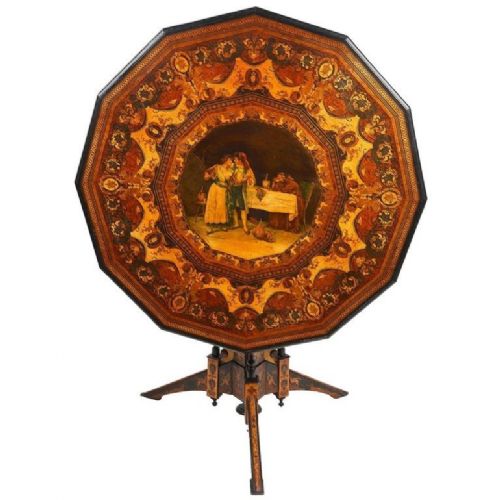

Antique Italian Tilt Top Table
An antique Italian tilt top table brings exceptional marquetry and folding versatility into a room, offering both a decorative surface and a clever space-saving design.
Antique Italian Tilt Top Table
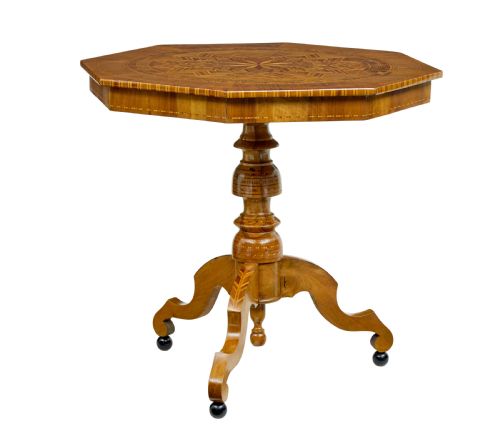
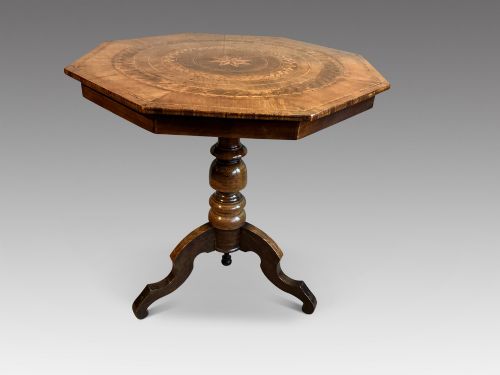
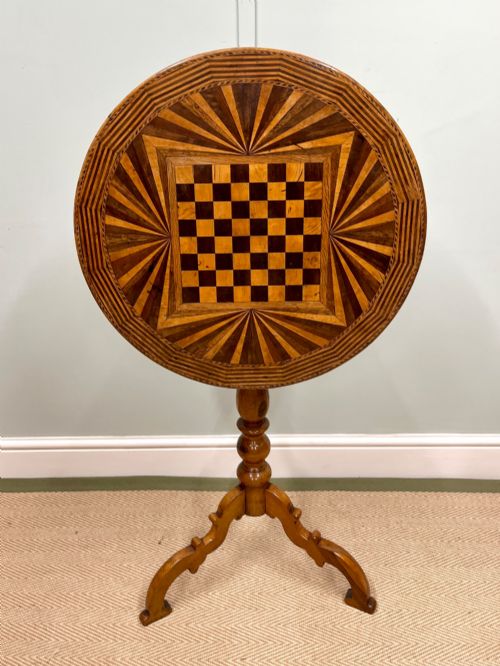
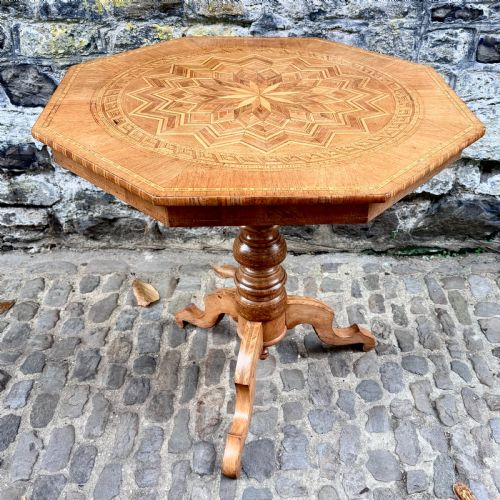
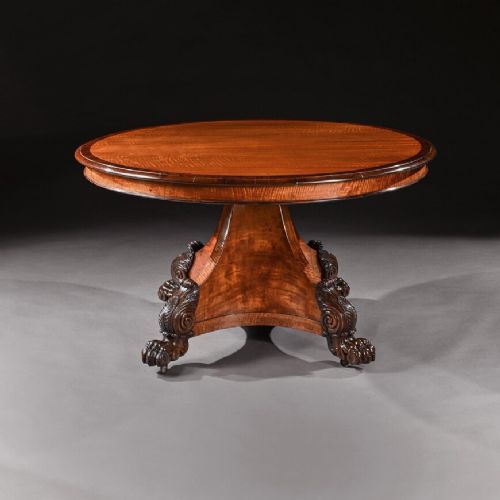
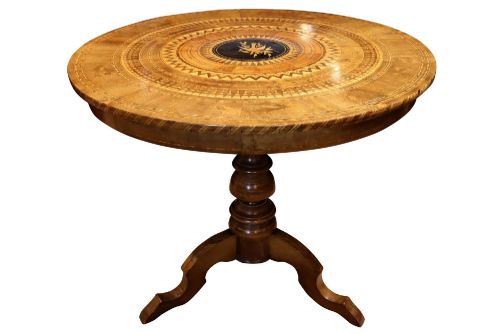
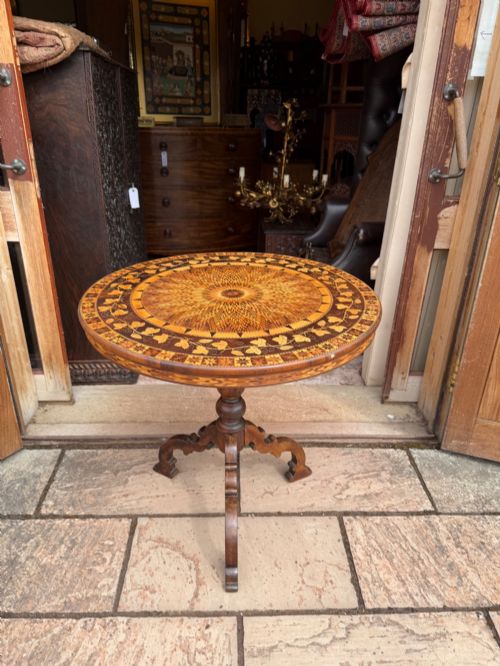
An antique Italian tilt top table combines functional engineering with decorative marquetry and parquetry, designed to pivot vertically when not in use. These pieces appear primarily from the eighteenth and nineteenth centuries, including specific Sorrento Ware productions and Grand Tour items.
The form encompasses occasional tables, side tables, games tables, and centre tables featuring walnut, olive wood, fruitwood, and mixed veneer surfaces. Buyers meet walnut Sorrento examples most frequently on this page, often showcasing intricate geometric or floral inlays.
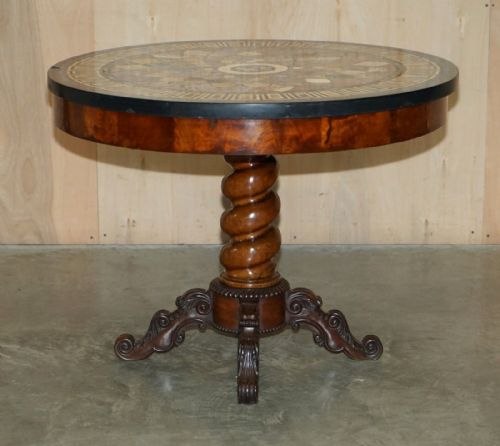
Origins span regional Italian workshops as well as Victorian interpretations influenced by continental travels. The tables range from simple pedestal formats to elaborate specimen marble and painted surfaces.
Distinguishing quality across the range
The structural integrity of the tilting mechanism and the stability of the pedestal base influence overall execution. Finer pieces demonstrate seamless movement in the pivoting mechanism alongside balanced proportions in the turned or carved supports.
Antique Italian Tilt Top Table Retail Price Guide 2026
Typical asking prices for italian tilt top table among the pieces listed under this phrase on Sellingantiques today, from the lower quarter to the upper quarter. They describe what is for sale here now, not the wider market.
Several tables include clever hidden compartments beneath their pivoting tops, designed secretly for stashing small valuables or cards.
Peters of Genoa·Almerico Gargiulo
The Antique Italian Tilt Top Table Glossary
- Marquetry
- Decorative veneer work forming pictorial patterns. Artisans arrange thin slices of coloured wood to create images on the table top.
- Parquetry
- Geometric wood inlay forming repetitive patterns. This technique creates tiled motifs across the surface of the table.
- Pietra Dura
- Inlay technique using polished coloured stones. Craftsmen assemble hardstones to form detailed pictures on stone table tops.
- Sorrento Ware
- Woodwork originating from the Italian town of Sorrento. Pieces feature characteristic local marquetry and parquetry designs.
- Tilt top
- A table top hinged to pivot to a vertical position. This allows the furniture to save floor space when not in active use.
Antique Italian Tilt Top Table: Frequently Asked Questions
How do these tables function?
The top pivots on a hinge mechanism, allowing the surface to sit vertically against the pedestal base when not in use. This design originally saved space in domestic interiors.
When lowered, a catch or latch secures the top horizontally for serving, games, or display purposes.
Where were these tables made?
Production centred in Italian workshops, notably in Sorrento where local artisans specialised in intricate wood marquetry. Other pieces emerged from regional centres during the Grand Tour period.
British makers also produced similar styles during the Victorian era, inspired by continental designs.
How do I care for the surface?
The polished wood and veneer surfaces require gentle dusting with a dry microfibre cloth to prevent dust accumulation. Avoid using harsh chemical sprays or silicone polishes that might damage the historical finish.
Keep the timber away from direct sunlight and strong heat sources to prevent the veneers from drying out or lifting.
What styles are available?
Styles range from geometric Sorrento parquetry and floral marquetry to Rococo Revival curves and classical pedestal supports. Some examples incorporate painted decoration or specimen marble.
Nineteenth-century interpretations frequently reflect English Victorian taste combined with Italian craftsmanship.