


Geometric Parquetry Tables
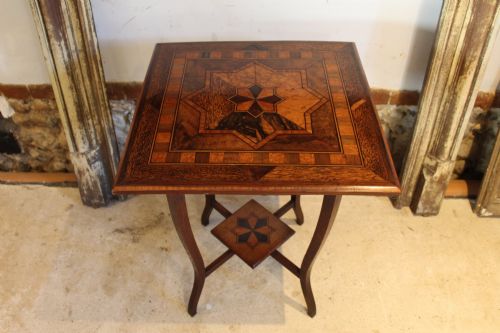
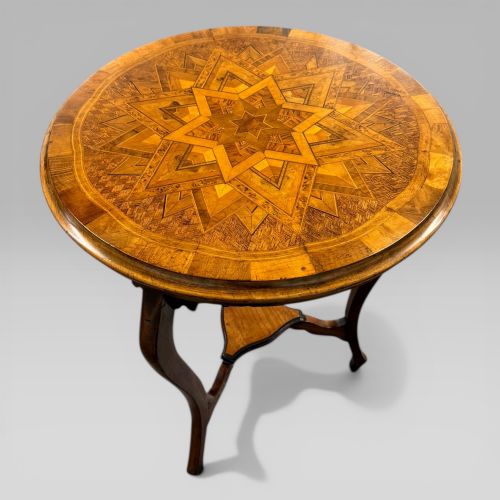
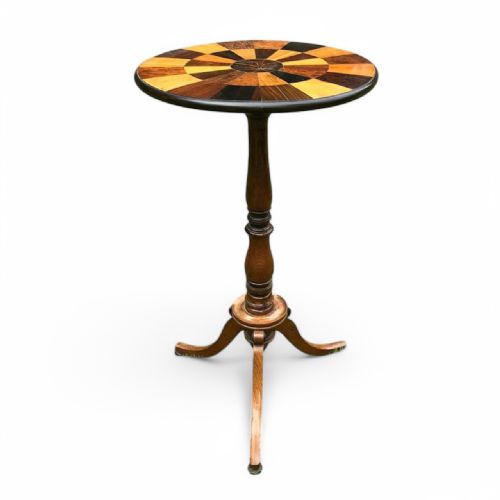
Geometric parquetry tables are timber surfaces composed of precision-fitted wood tiles forming intricate patterns, offering collectors a masterclass in period woodworking.
Geometric Parquetry Tables
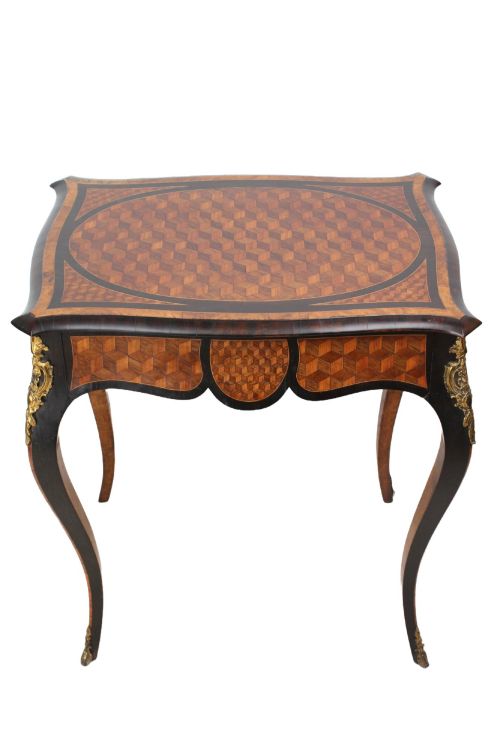
Geometric parquetry tables comprise diverse forms including occasional tables, centre tables, games tables, and writing tables. These pieces span from the late seventeenth century through the Victorian era into the early twentieth century.
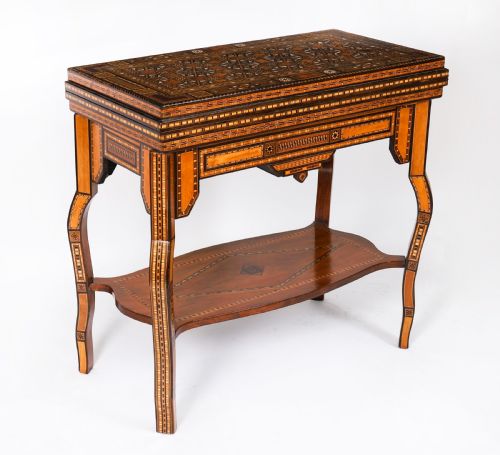
The buyer meets numerous Victorian examples alongside seventeenth-century prototypes and early twentieth-century creations. Regional variations encompass Italian Sorrento, Syrian Ottoman, and New Zealand native timber pieces.
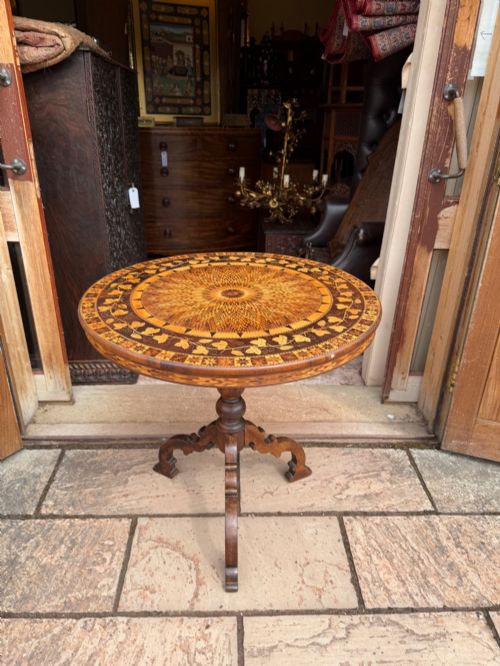
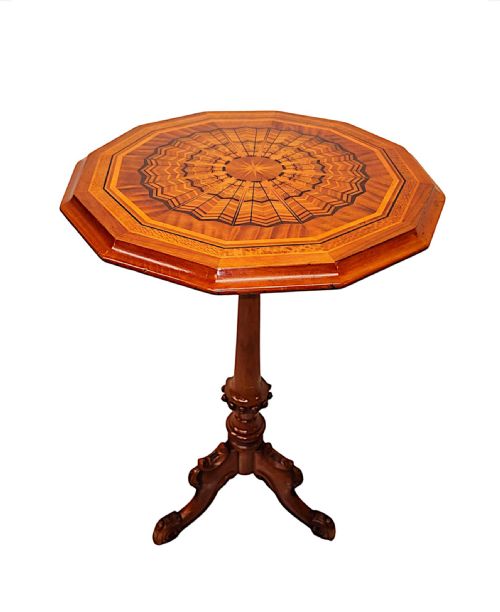
Forms range from circular pedestal tables and tripod bases to nest of tables, bedside tables, and hall tables. Tops display meticulous geometric tile arrangements executed in contrasting timbers.
How they were made
Craftsmen built these tables using solid carcases and bases of oak, walnut, mahogany, or rosewood. Surfaces feature geometric veneers and tiles sliced from varied timbers.
Makers utilised contrasting woods such as satinwood, fruitwood, birch, and diverse specimen woods to construct multifaceted geometric visual depth. Brass components occasionally supplement the structural timber elements.
One late Victorian piece doubles as a combination inlaid table and smokers cabinet.
What varies in quality
Excellence rests upon the precision of the geometric tile fitting and the variety of timbers employed. Dense, varied specimen woods and intricate multi-timber arrangements distinguish superior examples from simpler constructed items.
The structural integration between the parquetry top and the supporting base defines the calibre of the piece. Masterwork tables exhibit seamless alignment across pedestal, tripod, or four-legged frames.
JAS Shoolbred·Gillows·Anton Seuffert
The Geometric Parquetry Tables Glossary
- Parquetry
- Geometric mosaic woodwork formed by fitting small veneer blocks together to cover a surface. It creates structured visual patterns across table tops.
- Specimen Wood
- Timber gathered from various distinct tree species, often selected for contrasting natural colours and grain patterns. Makers utilised these for decorative geometric displays.
- Pedestal Table
- A standalone table supported by a single central column rising from a base. This form frequently carries circular parquetry tops.
- Tripod Table
- A small table standing on three legs connected to a central pillar. They appear frequently among nineteenth-century occasional furniture.
- Games Table
- A dual-purpose table featuring a surface adapted for pastimes such as chess, cards, or backgammon. Many incorporate parquetry inlay marking the play area.
Geometric Parquetry Tables: Frequently Asked Questions
What periods do these tables cover?
The selection spans from late seventeenth-century Dutch and English examples through nineteenth-century Victorian production up to early twentieth-century pieces.
Victorian items appear most frequently, alongside Edwardian creations and revival styles.
What woods were used for the tops?
Makers utilised walnut, rosewood, mahogany, satinwood, and oak alongside specialised fruitwoods and diverse specimen woods.
Contrasting natural tones created the sharp geometric patterns characteristic of the parquetry work.
How do I identify a games table?
These pieces incorporate specialised tops designed for pastimes like chess, cards, or backgammon.
Many reveal inlaid playing surfaces when opened or unfolded from standard occasional table formats.
Where were these tables made?
Origin points recorded in the evidence include Britain, France, Italy, the Netherlands, Syria, and New Zealand.
Regional workshops utilised local native timbers alongside imported exotic woods.
Are there different table shapes available?
Forms include circular, octagonal, square, and round formats supported by pedestals, tripods, or standard table legs.
Buyers also encounter nesting sets and multi-tiered occasional tables.