


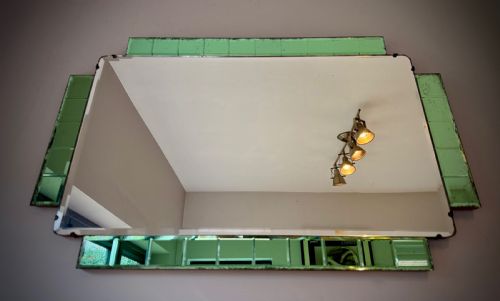




Geometric Glass Mirror
A geometric glass mirror delivers sharp architectural lines and striking optical refraction, bringing unmistakable period character to any wall.
Geometric Glass Mirror
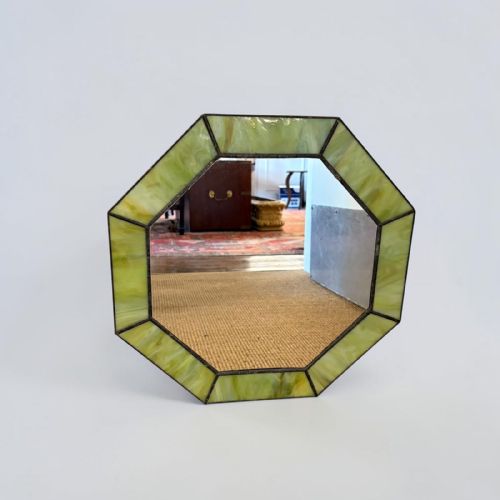
A geometric glass mirror brings together clean lines, angular forms, and reflective surfaces to create functional wall art. When exploring a geometric glass mirror, buyers encounter diverse configurations ranging from simple octagons to multifaceted diamond panels.
The selections span from the late nineteenth century through to the mid-twentieth century, capturing shifts in domestic design. Edwardian and Victorian examples sit alongside bolder twentieth-century creations.
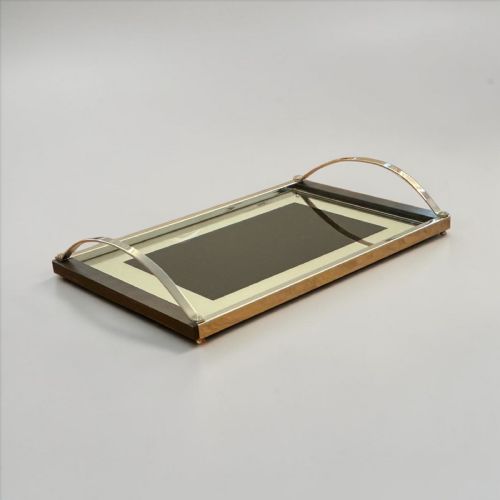
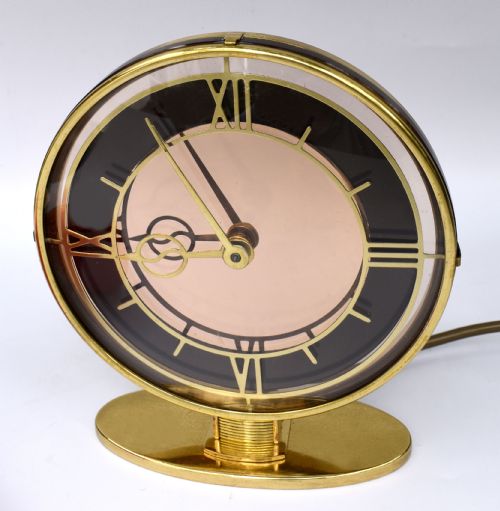
Wall mirrors dominate the selection, accompanied by specialised vanity pieces and mechanical mirror clocks that integrate timekeeping directly into the glass framework.
How they were made
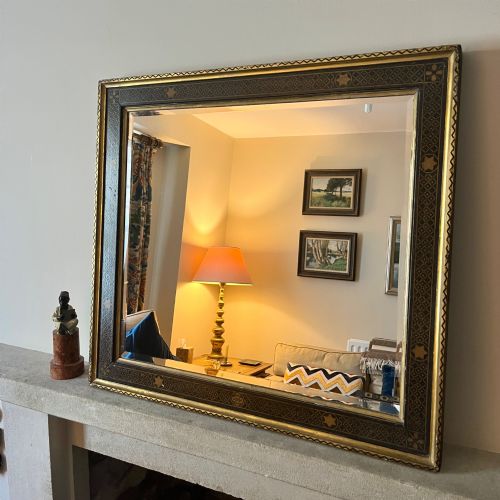
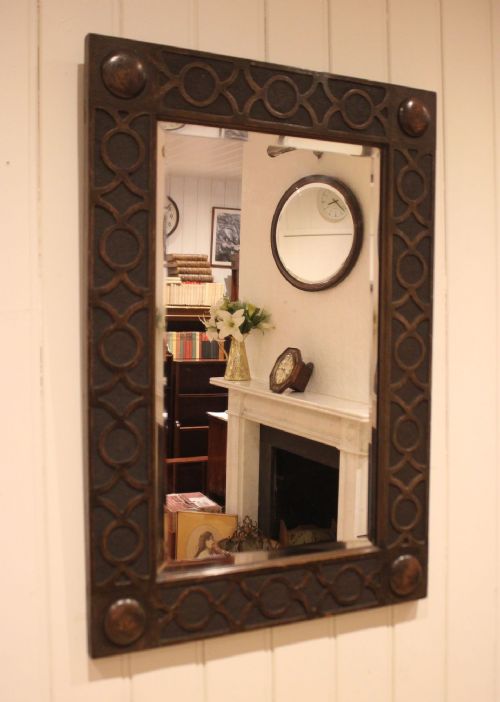
Makers utilised plate mirror glass, often incorporating beveled edges to catch and refract light across multiple planes. Structural framing incorporates metals such as brass and chrome alongside robust timbers including oak.
Construction techniques involve securing glass panels to supportive backings, sometimes utilising leaded joints or segmented sections to achieve complex shapes. Specialised variations integrate functional clock movements or coloured glass panels directly into the assembly.
Geometric Glass Mirror Retail Price Guide 2026
Typical asking prices for geometric glass mirror among the pieces listed under this phrase on Sellingantiques today, from the lower quarter to the upper quarter. They describe what is for sale here now, not the wider market.
The listings on this site feature glass, chrome, brass, and oak materials spanning from the nineteenth century to the nineteen-fifties.
What varies in quality
Quality rests in the precision of the glass cutting and the integrity of the structural joints supporting the weight. Superior examples display seamless alignment across multi-section designs and robust backing construction.
The sophistication of the overall design dictates the distinction between standard domestic pieces and exceptional decorative objects. Integrated elements, such as mechanical clock movements or uncommon coloured glass panels, elevate the complexity of the piece.
Mosey
The Geometric Glass Mirror Glossary
- Beveled edge
- An angled perimeter cut on a mirror glass plate that refracts light and adds visual depth. This technique creates a distinct border effect without requiring a separate frame.
- Art Deco
- A design style from the early twentieth century defined by geometric shapes, streamlined forms, and modern materials. Pieces from this period frequently employ symmetrical angles and stepped outlines.
- Easel vanity mirror
- A freestanding glass mirror supported by a hinged rear leg for tabletop placement. These items often feature adjustable angles for personal grooming.
- Mirror clock
- A timepiece built directly into the glass body or frame of a mirror. These hybrid objects combine functional horology with reflective wall decoration.
- Part ebonized
- A finishing technique where specific portions of a wooden frame receive a dark, black stain to mimic ebony. This treatment creates high contrast against lighter wood grains or reflective glass.
Geometric Glass Mirror: Frequently Asked Questions
How do I hang a heavy mirror safely?
Heavy mirrors require secure fixings anchored directly into wall studs or appropriate masonry plugs to support the substantial weight of the glass and frame.
Ensuring the hanging wire or integrated brackets are rated for the load prevents accidental slippage over time.
How do I clean antique mirror glass?
Cleaning requires a soft microfiber cloth and a gentle, ammonia-free solution applied to the cloth rather than directly onto the glass.
This prevents moisture from seeping behind the silvering backing and causing degradation along the edges.
How can I tell an older mirror from a modern reproduction?
Authentic period pieces often exhibit subtle imperfections within the glass, minor foxing, and traditional construction methods on the reverse.
Examining the fixings, backing boards, and framing techniques helps confirm the era of manufacture.