

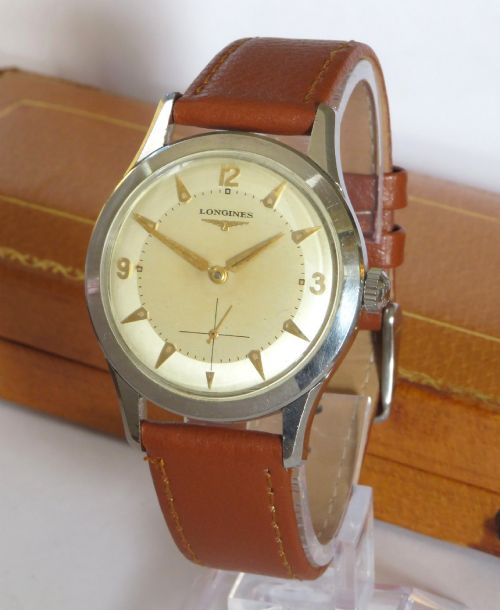
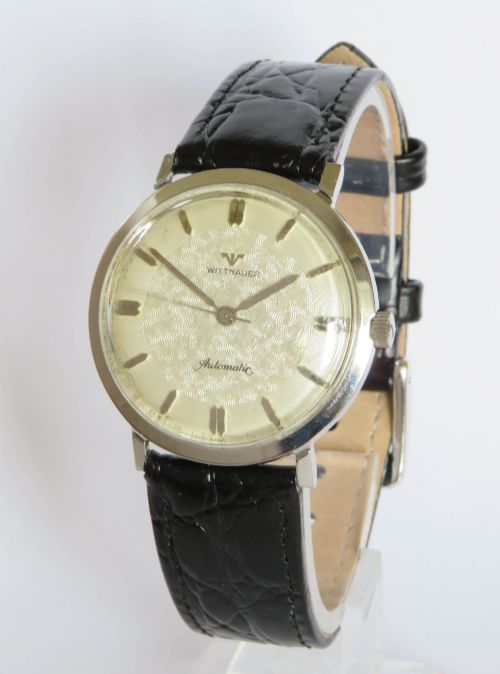
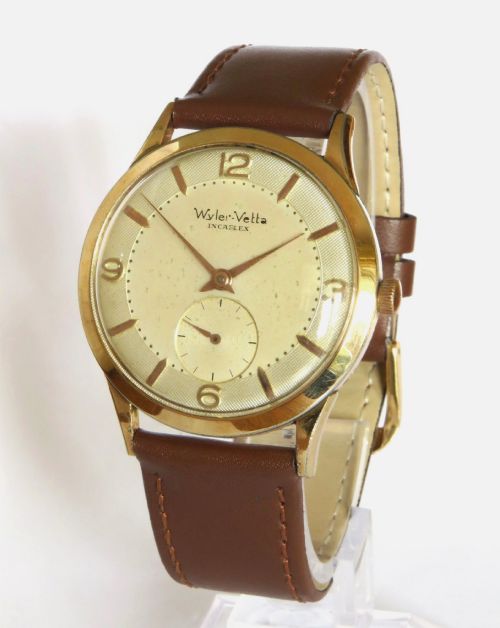
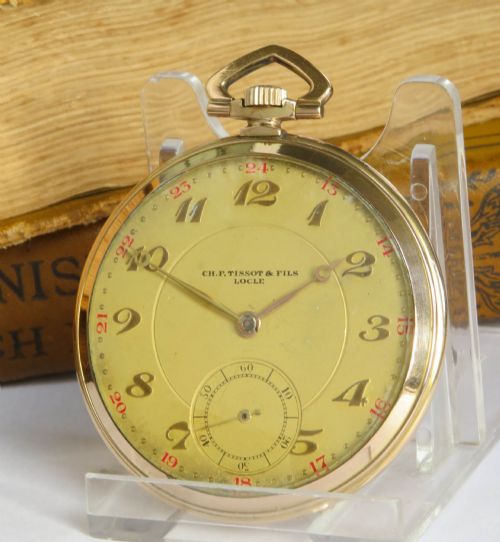
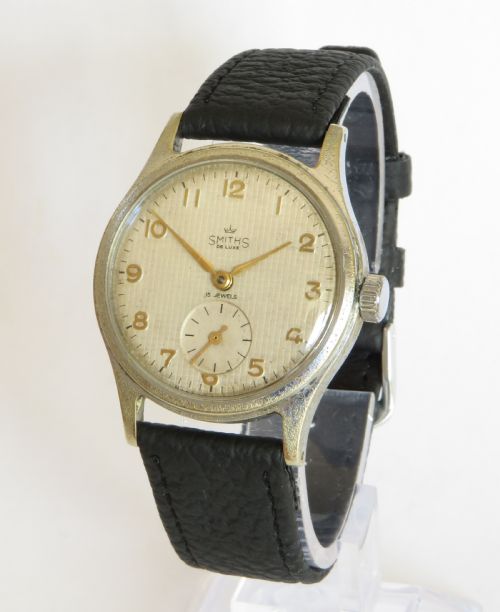
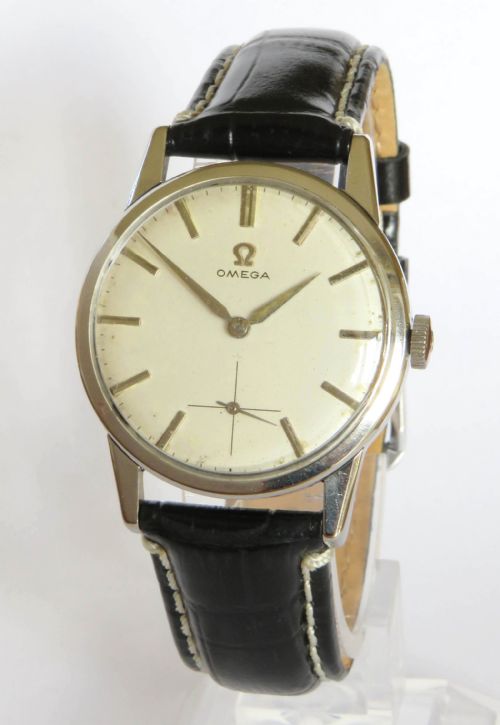
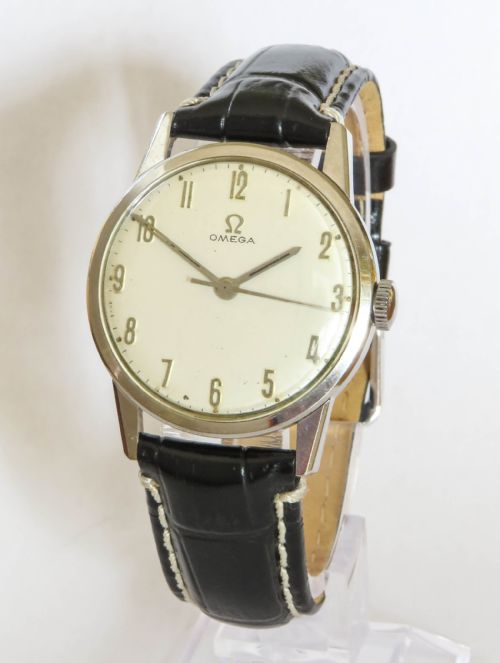
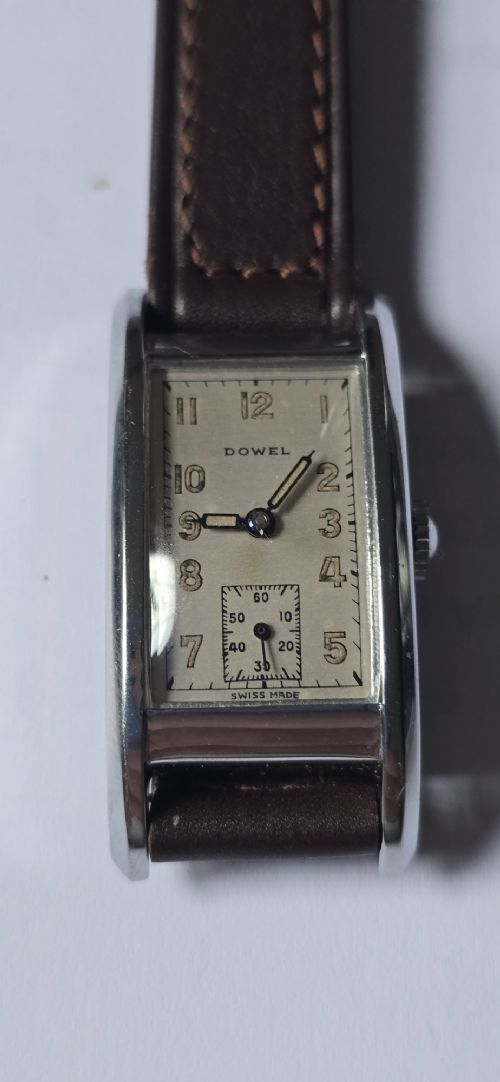
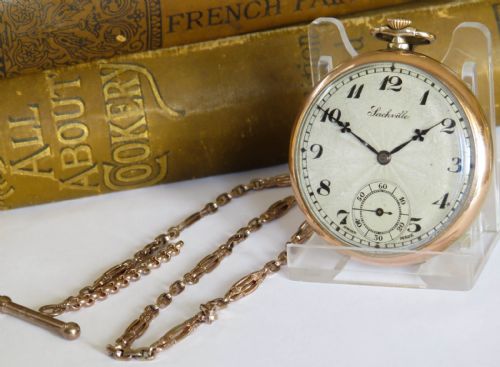
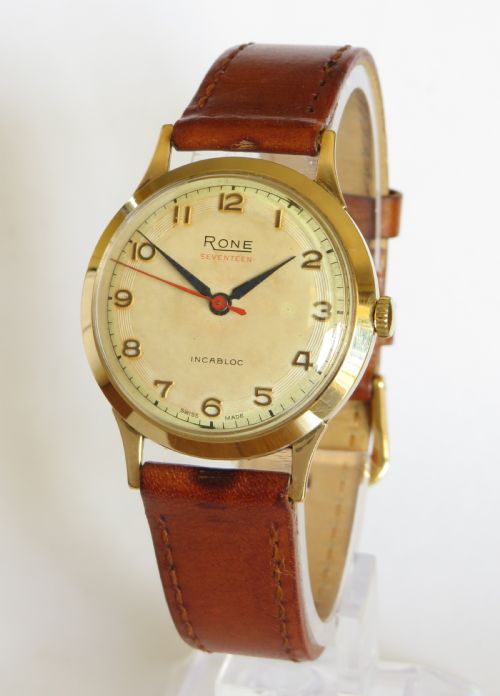
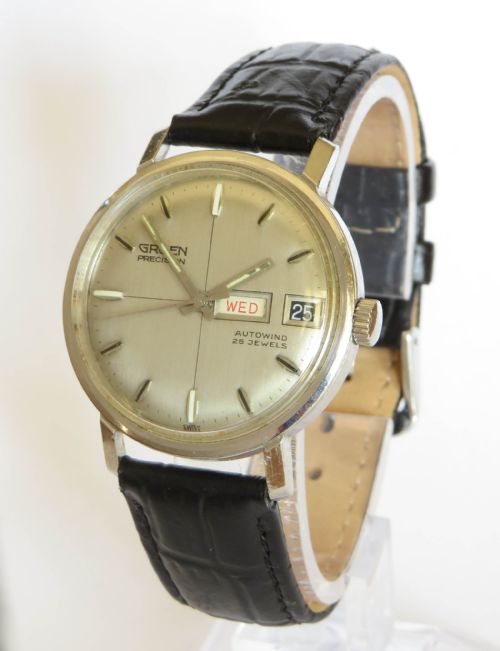
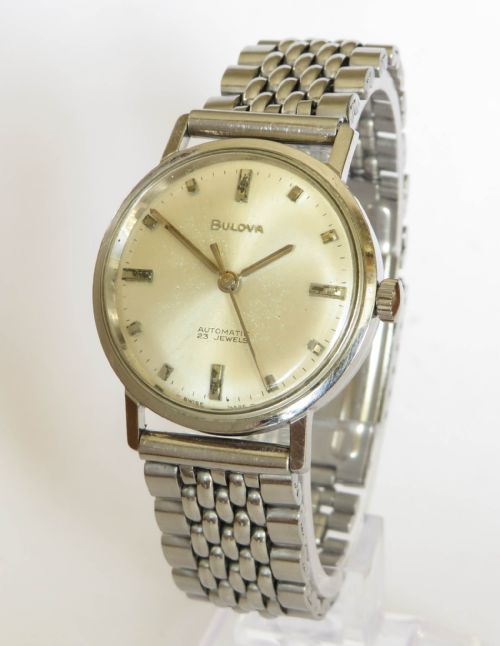
Gents Mechanical Dress Watch
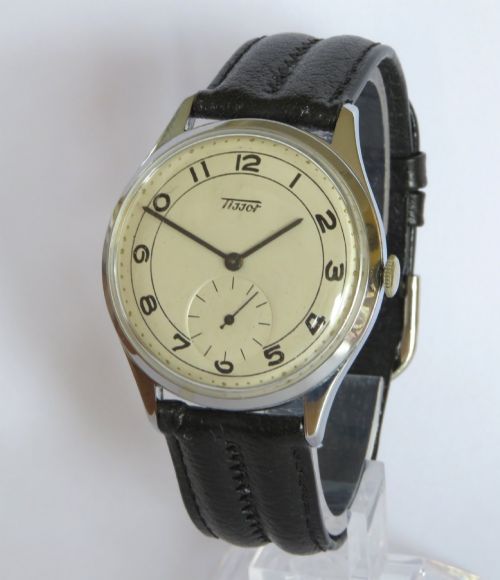
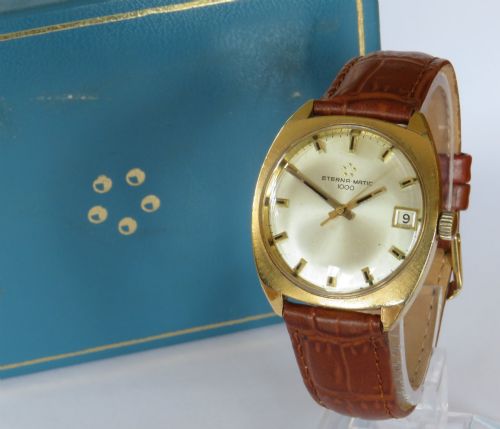
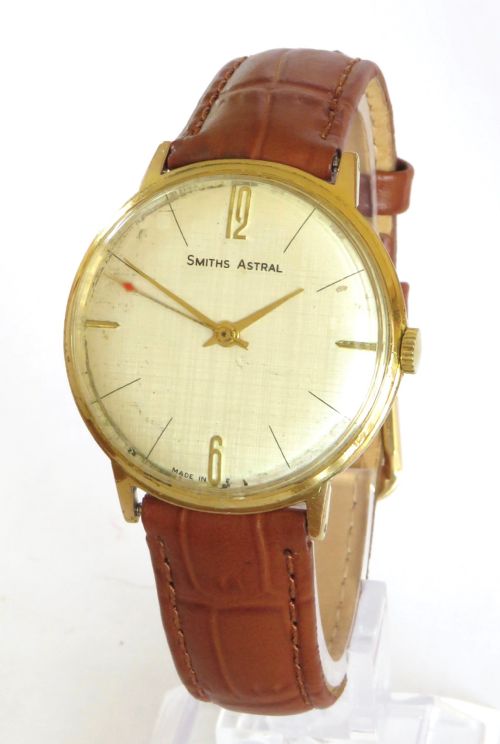
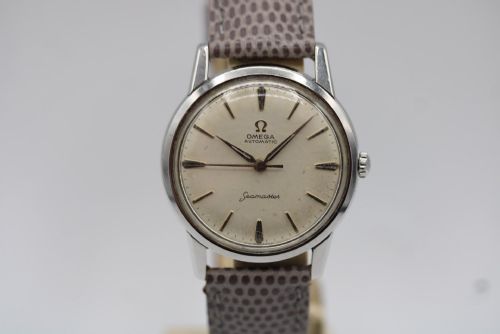
These gents mechanical dress watch examples span decades of classic horology, offering buyers reliable daily wear and enduring mechanical charm.
Gents Mechanical Dress Watch
A gents mechanical dress watch represents a tradition of wrist and pocket timepieces driven by manual winding or automatic movements rather than quartz batteries. Buyers searching this phrase seek heritage horology spanning the nineteen thirties to the nineteen sixties, encompassing styles from Art Deco to Mid-Century Modern.
The version most commonly met on this page is the mid-century wrist watch, frequently rendered in stainless steel or gold plate with a leather strap. These pieces originate from Swiss, British and international makers, showcasing clean dials and functional complications such as date windows.
Materials and Construction
Cases utilise durable metals including stainless steel, chrome and gold plate, paired with glass or acrylic crystals protecting the dial. Straps rely on supple leather to secure the watch to the wrist, while pocket watch variations incorporate matching chains.
Movements depend on intricate internal gears and springs assembled by specialist workshops and factories. Swiss and British movements drive the mechanical operation, requiring manual stem winding or automatic self-winding rotors.
Gents Mechanical Dress Watch Retail Price Guide 2026
Typical asking prices for gents mechanical dress watch among the pieces listed under this phrase on Sellingantiques today, from the lower quarter to the upper quarter. They describe what is for sale here now, not the wider market.
Certain watches recorded here carry calendar complications designed to help forgetful wearers track the date without looking at a newspaper.
Distinctions in Quality
Quality separates through the precision and reputation of the internal movement, from standard utility calibres to high-grade adjusted mechanisms by notable watchmakers. Finer pieces demonstrate superior finishing on the movement bridges and greater accuracy in timekeeping over extended periods.
The integrity of the dial and case materials also marks the tier of a timepiece. Original, untouched dials and crisp case geometry distinguish superior examples from those with heavy wear or replacement components.
Omega·Smiths·Cyma·Bulova·Longines·Tissot·Zenith·Gruen
The Gents Mechanical Dress Watch Glossary
- Automatic
- A self-winding mechanical movement that uses a weighted rotor to wind the mainspring using the natural motion of the wearer's wrist.
- Calibre
- A specific model or design of a watch movement used by the manufacturer to identify its internal mechanism.
- Crystal
- The transparent cover, made from glass or acrylic, protecting the watch dial and hands from dust and damage.
- Mainspring
- The coiled spring inside the barrel that stores potential energy to power the mechanical movement.
- Tank Watch
- A rectangular or square wristwatch style originating in the early twentieth century, named for its geometric silhouette.
Gents Mechanical Dress Watch: Frequently Asked Questions
How do I wind a mechanical watch?
Gently rotate the crown clockwise between your thumb and forefinger until you feel resistance. Stop immediately to avoid over-winding and damaging the internal mainspring.
For automatic models, wearing the watch daily keeps the internal rotor moving and maintains the power reserve without manual winding.
Are these watches waterproof?
Most vintage mechanical dress watches lack modern water-resistance sealing. Exposure to moisture, rain or submersion can easily rust the delicate internal steel components and ruin the dial.
Keep these timepieces away from water entirely, removing them before swimming, bathing or washing hands.
How accurate are vintage mechanical watches?
Vintage mechanical movements typically gain or lose a small number of seconds each day compared to modern quartz timepieces. Regular servicing by a watchmaker helps maintain optimal precision.
Daily habits, temperature changes and the age of the movement all influence how steadily the watch keeps time.
What is the difference between manual and automatic?
Manual mechanical watches require regular hand-winding via the crown to store energy in the mainspring. Without daily winding, the movement stops running.
Automatic watches feature a weighted internal rotor that winds the mainspring automatically as the wearer moves their arm throughout the day.