
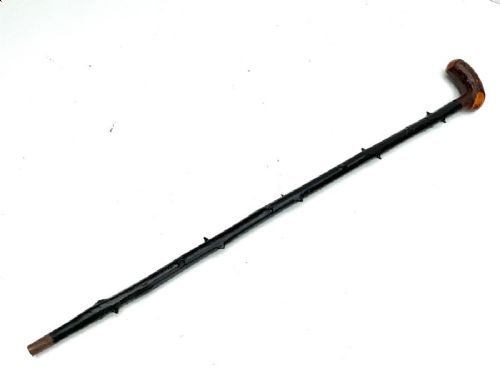
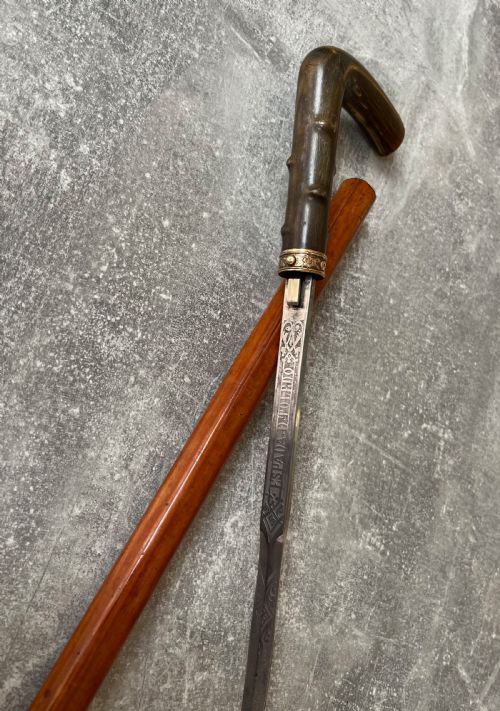


Gentlemans Walking Sword Stick
A gentlemans walking sword stick combines an everyday support with a concealed blade, offering a discreet companion from the Victorian and Edwardian eras.
Gentlemans Walking Sword Stick
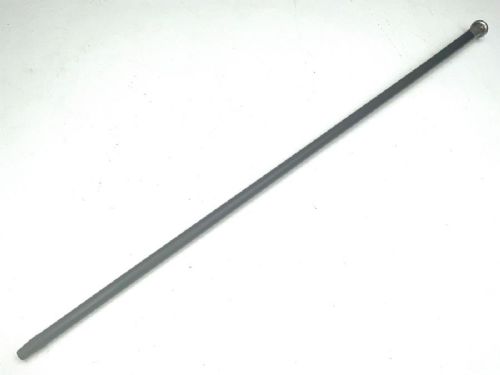
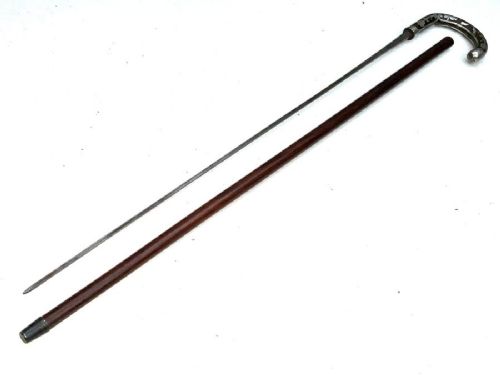
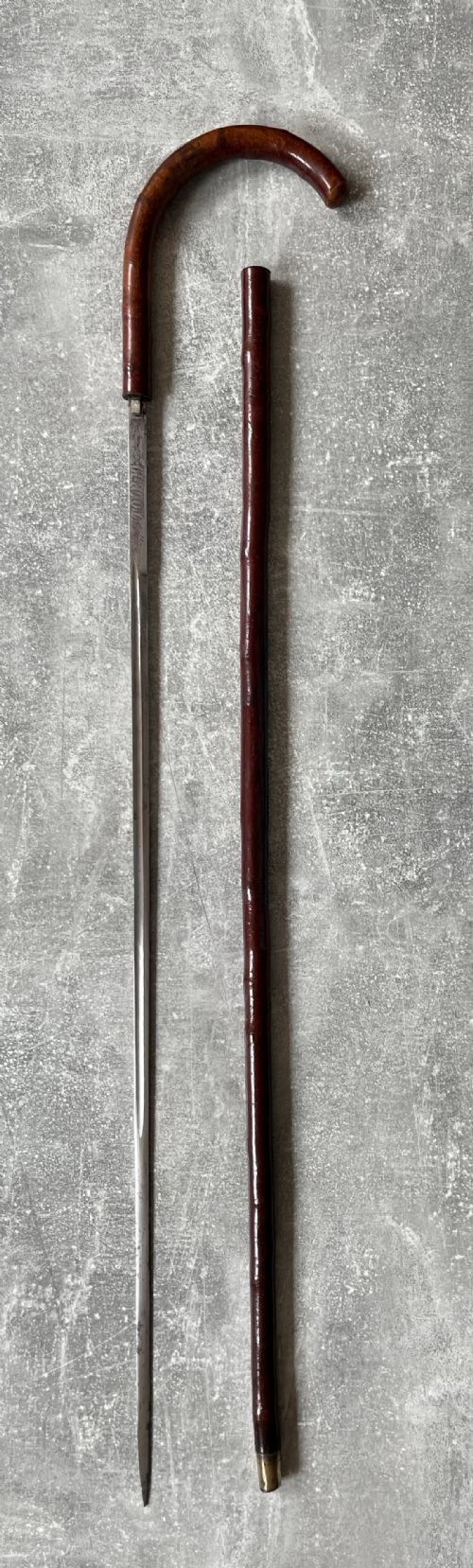
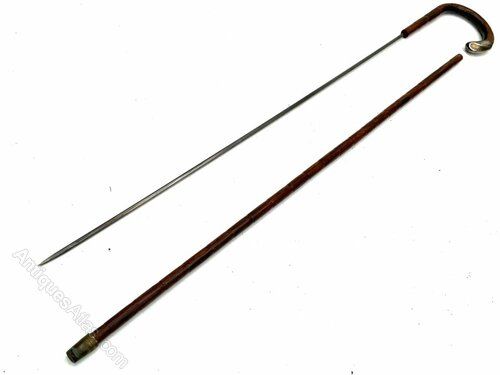
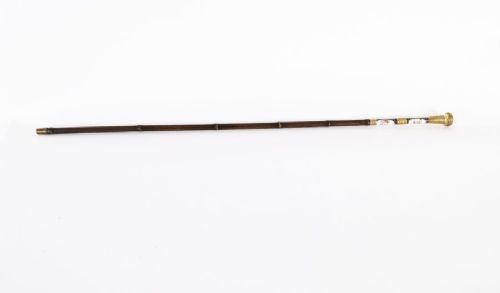
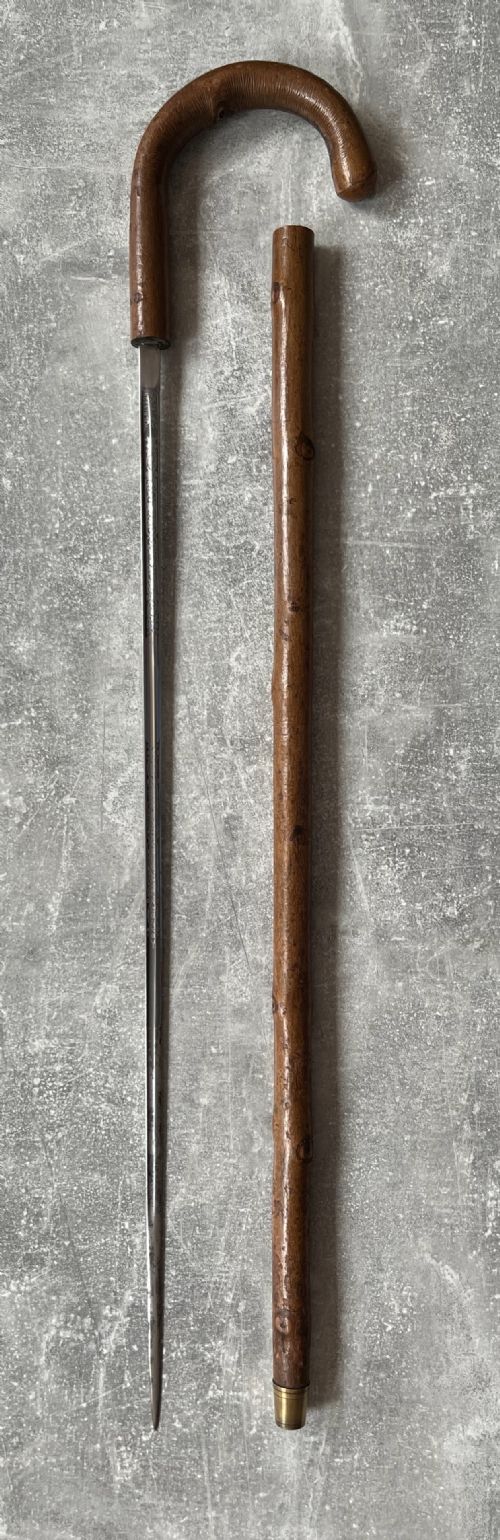
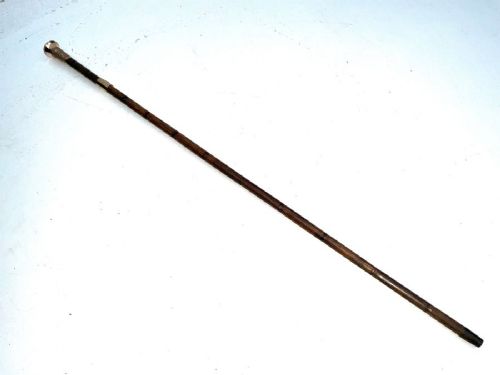
A gentlemans walking sword stick is an accessory designed for everyday carriage while housing a hidden blade within its shaft. The pieces on this page span the late nineteenth century through to the early twentieth century, taking the form of traditional walking sticks and canes with concealed mechanical releases.
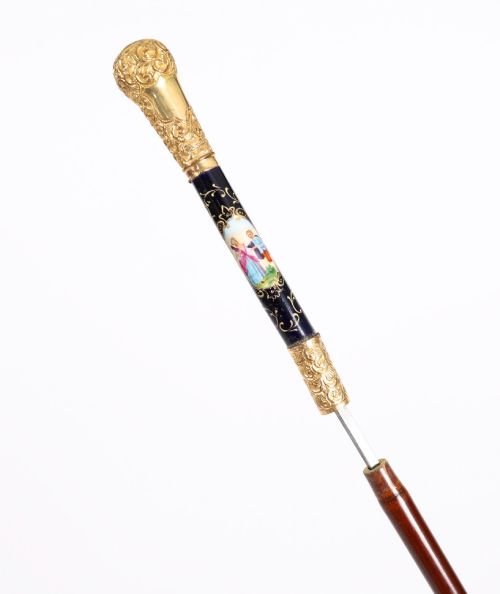
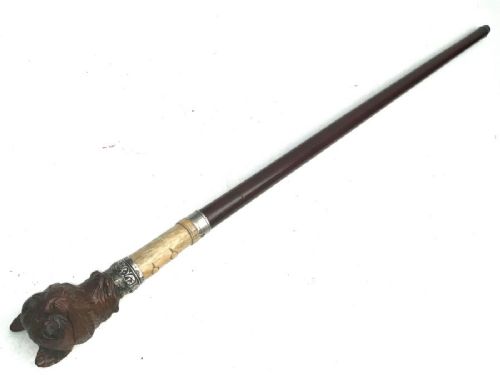
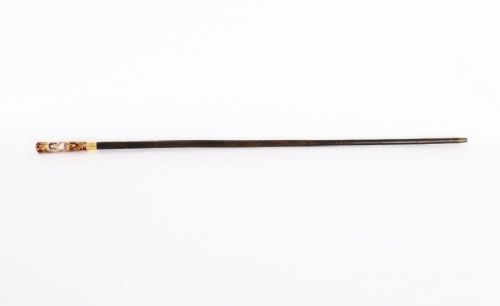
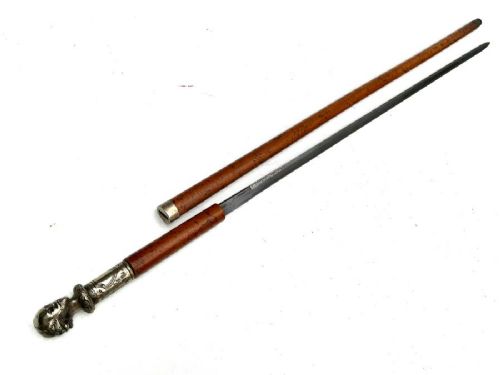
You will encounter various traditional timber shafts alongside examples featuring porcelain, horn, metal, and leather covering. Many specimens incorporate silver collars, gold plate, or distinctive novelty handles such as horse heads and root ends.
Origin points range from British workshops to French makers and Imperial German military suppliers. Traditional Irish blackthorn and Malacca cane frequently form the structural body of these pieces.
Materials and Construction
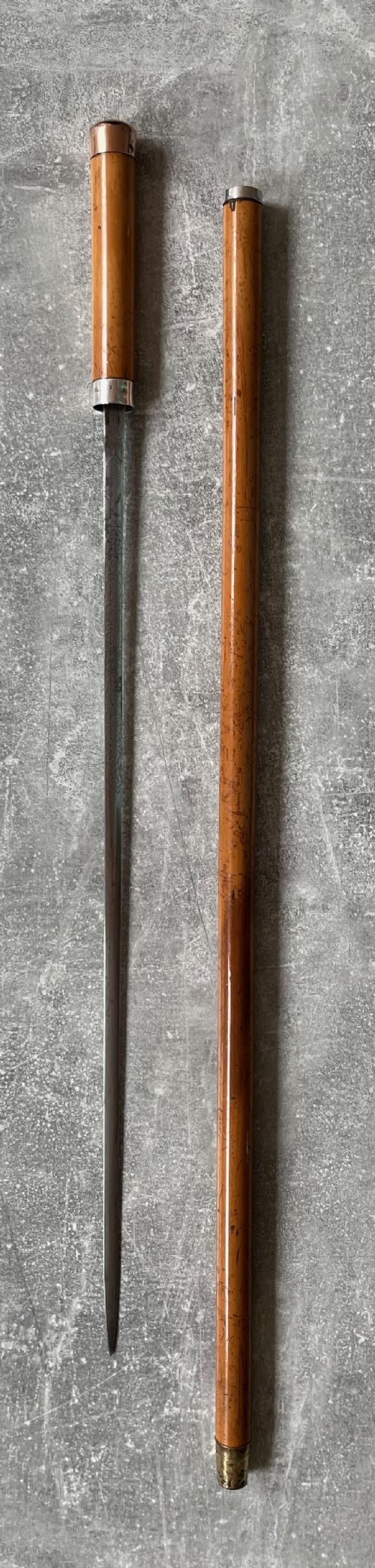
Makers utilised resilient natural materials for the shafts, pairing Malacca cane, partridge wood, cherrywood, hazel, and rosewood with steel blades. Handles carved from horn, bone, porcelain, and wood were secured with metal collars and mounts.
Blade construction involved tempered steel, with notable examples housing Toledo blades or signed Wilkinson steel. Mechanisms relied on precise button releases or fitted collars to secure the internal blade safely inside the wooden or leather-covered housing.
Listings feature silver, brass, porcelain, and horn mounted upon Malacca cane, partridge wood, and steel.
Assessing Quality
Quality rests on the integrity of the hidden mechanism and the execution of the handle. A tight seal when closed and a smooth release of the blade distinguish finer pieces.
The choice of materials dictates the tier of the piece, separating standard timber shafts from those mounted with hallmarked silver, gold plate, or hand-painted Sevres porcelain.
Brigg·Wilkinson
The Gentlemans Walking Sword Stick Glossary
- Malacca cane
- A mottled, highly durable rattan stem imported from Southeast Asia and prized for walking stick shafts. It provides a sturdy and flexible housing for concealed blades.
- Toledo blade
- A steel blade forged in the Spanish city renowned for historic sword-making traditions. These blades often feature etched detailing.
- Knop
- A rounded knob or handle at the top of a stick. Materials range from carved bone and horn to silver and porcelain.
- Collar
- A metal band encircling the upper shaft beneath the handle. Silver collars frequently bear assay marks indicating the year and location of testing.
Gentlemans Walking Sword Stick: Frequently Asked Questions
How do you release the hidden blade?
Most pieces utilise a concealed button release or a threaded collar mechanism located just beneath the handle. Pressing or twisting this catch disengages the internal lock, allowing the steel blade to slide smoothly out of the wooden housing.
Owners should handle the release mechanism with care to preserve the original fit and ensure the blade remains securely seated during everyday carriage.
What woods were commonly used?
Makers selected dense and resilient timbers capable of housing a steel channel without warping. Partridge wood, chestnut, hazel, rosewood, and cherrywood appear frequently alongside natural Malacca cane and Irish blackthorn.
Each timber offers a distinct grain pattern and weight, influencing the overall balance and feel of the stick when held in the hand.
How should I care for the blade?
Keep the internal steel blade clean and lightly oiled to prevent corrosion inside the wooden scabbard. Avoid exposing the timber shaft to excessive moisture or rapid temperature changes.
Regular inspection of the collar and catch ensures the locking mechanism continues to function properly without straining the surrounding material.
How do I identify the period?
Dating relies on style markers such as the shape of the handle, the presence of silver hallmarks, and the manufacturing characteristics of the steel blade. Pieces from the Victorian and Edwardian eras often reflect prevailing design tastes through novelty carvings and metal mounts.
Comparing the mount stamps and blade etchings against known manufacturer timelines helps narrow down the decade of production.