


Silver Top Cane Sword
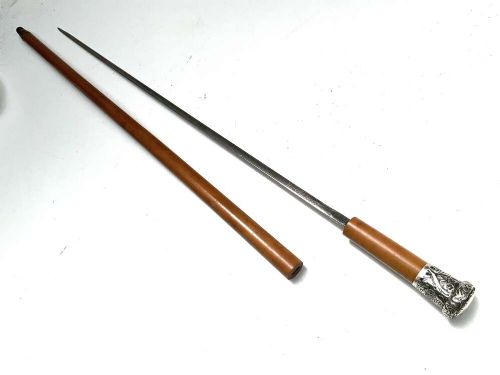
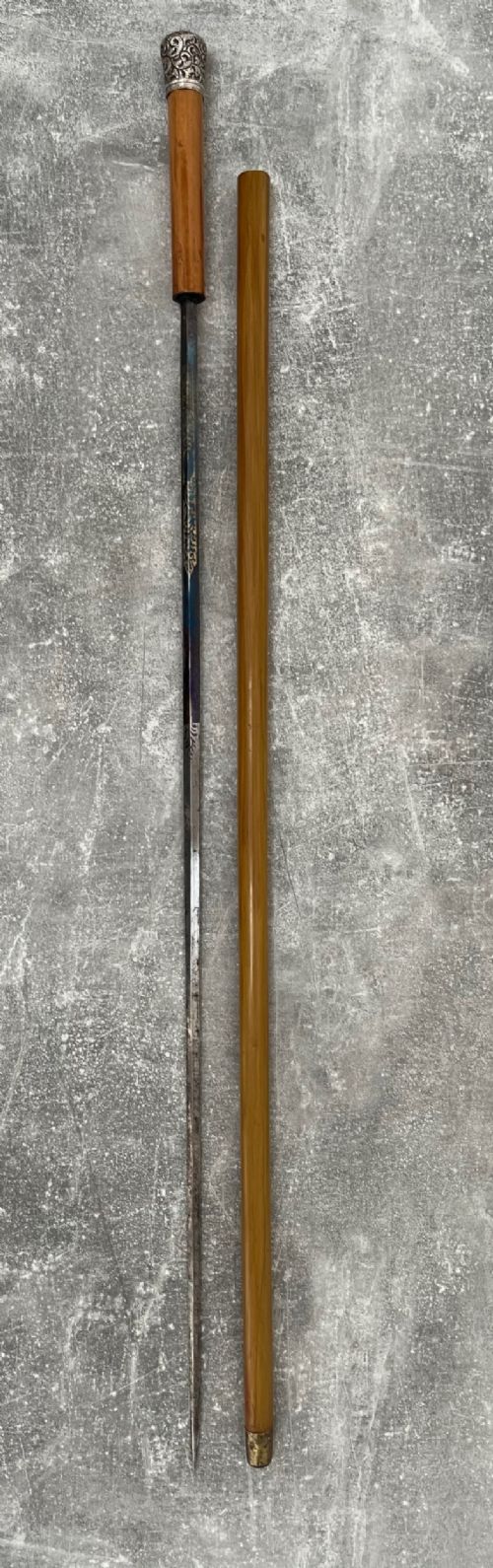
A silver top cane sword conceals a hidden blade beneath an elegant grip, offering gentlemen of the era both discretion and personal protection.
Silver Top Cane Sword
A silver top cane sword combines a disguised blade with a functional walking stick, spanning periods from the Victorian era through the Edwardian years and into the 1920s. These pieces include gent's walking sticks, swagger sticks associated with regiments such as the 4th Battalion Grenadier Guards, and specialised examples originating from Warsaw.
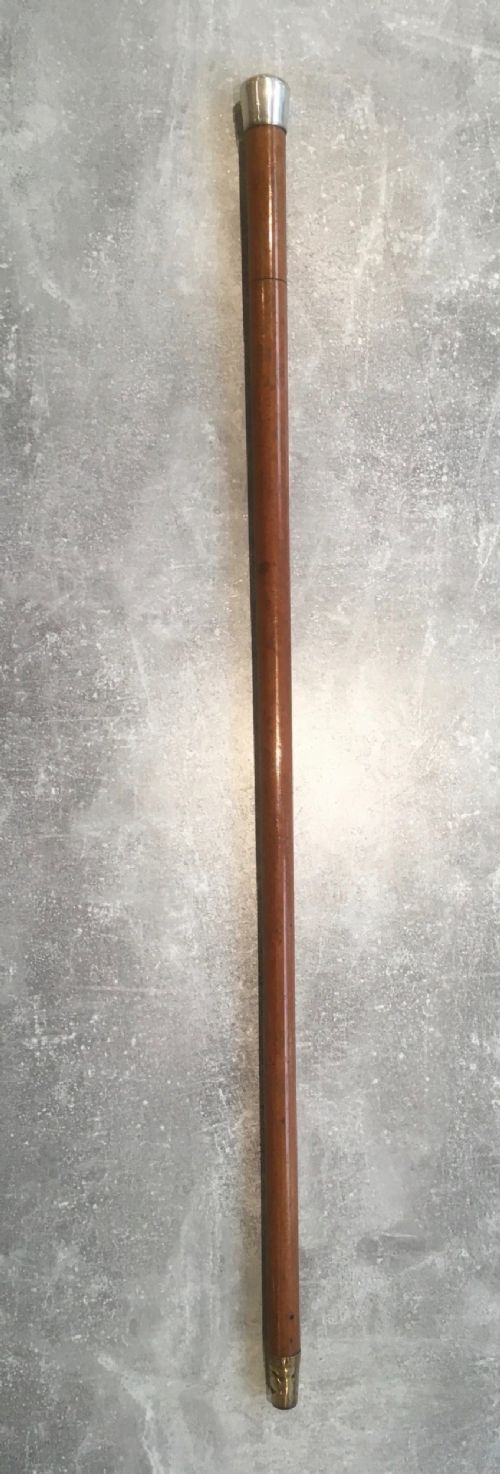
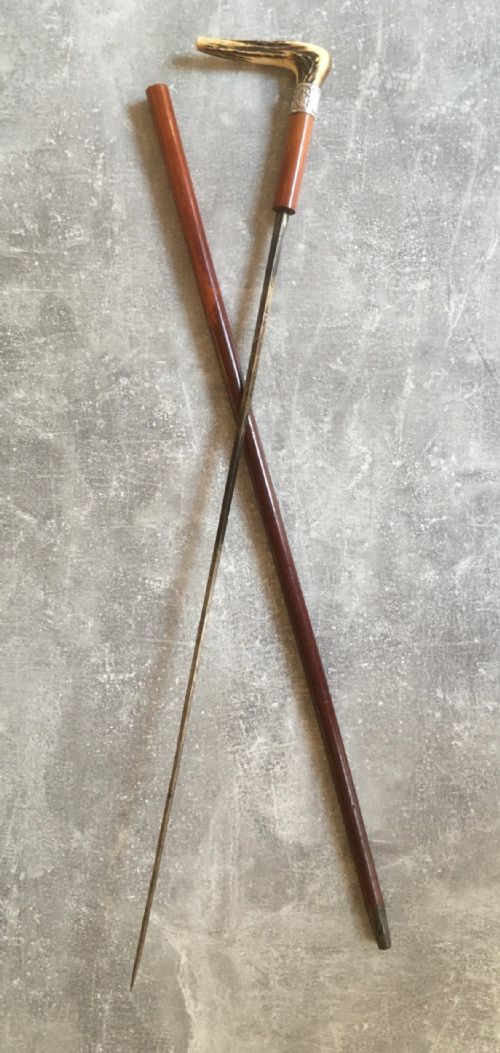
Most examples encountered here utilise malacca cane, rosewood, or ebonised wood for the shaft, paired with a distinctive silver top or repousse knop. Alternative handles feature horn, antler, and brass, housing concealed steel blades within the wooden shafts.
Origins stretch from London workshops to continental Europe, reflecting both military commissions and civilian gentleman accessories from the late nineteenth century and the early decades of the twentieth century.
Materials and Construction
Makers constructed the shafts primarily from resilient malacca cane, rosewood, and ebonised wood, materials chosen for their straight grain and durability. Steel formed the concealed blades housed securely within these wooden housings.
Handles utilised solid silver tops, sometimes decorated with repousse work, alongside alternatives in horn, antler, and brass. Each component required precise joinery to ensure the concealed blade locked firmly inside the walking stick until needed.
An Imperial Russian piece from Warsaw proves that even walking sticks required a touch of continental theatricality.
Assessing Quality
Quality rests in the weight and substance of the silver top and the precision with which the wooden shaft meets the handle. A heavier silver knop with detailed repousse work indicates superior craftsmanship compared to thin metal caps.
The integration of the blade within the malacca cane or rosewood shaft demonstrates the maker's skill. Seamless alignment when closed separates everyday items from exceptional specimens.
The Silver Top Cane Sword Glossary
- Knop
- A knob or rounded handle at the top of a walking stick or cane. This component often takes the form of solid silver or decorated metal.
- Repousse
- A metalworking technique where the silver top is hammered into relief from the reverse side. This creates ornate raised patterns on the handle.
- Swagger Stick
- A short cane carried by military officers as a symbol of authority. Examples range from standard military issue to personalized versions.
- Ebonised Wood
- Timber treated to resemble ebony through staining and polishing. This process yields a deep black finish common on Victorian and Edwardian cane shafts.
Silver Top Cane Sword: Frequently Asked Questions
What is a silver top cane sword?
A silver top cane sword is a walking stick featuring a decorative metal handle that conceals a steel blade inside the wooden shaft.
These combination items functioned simultaneously as daily walking supports and discrete personal defence tools for gentlemen.
How do you release the hidden blade?
Most concealed blades release through a threaded screw mechanism or a spring catch hidden beneath the silver top handle.
Twisting or pulling the handle separates the grip from the shaft, revealing the steel blade locked securely inside.
What materials were used for the shafts?
Shafts typically consist of malacca cane, rosewood, or ebonised wood chosen for strength and straight growth patterns.
Handles range from plain silver tops to detailed repousse silver, horn, antler, and brass.
How do you date these pieces?
Dating relies on hallmarks stamped on the silver top, stylistic markers from the Victorian and Edwardian periods, and material types.
London hallmarks often provide exact production years alongside maker marks.