
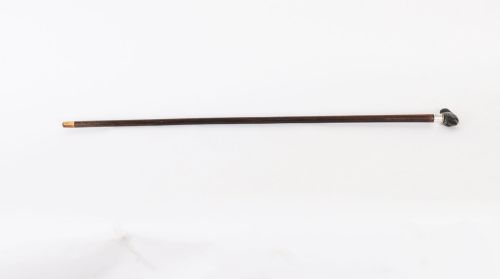
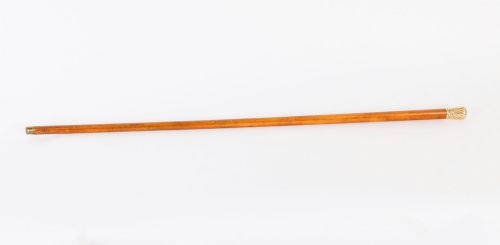
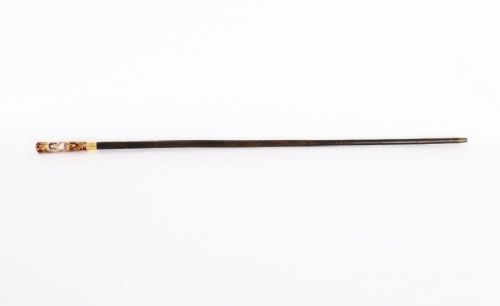
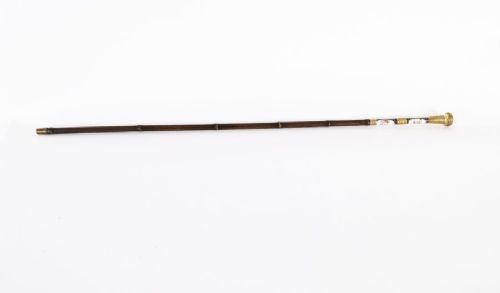
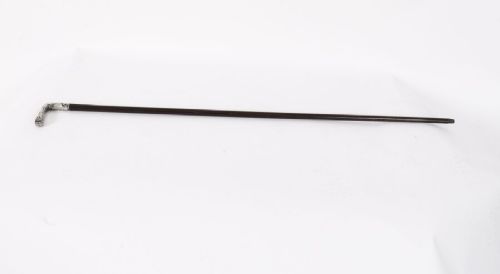
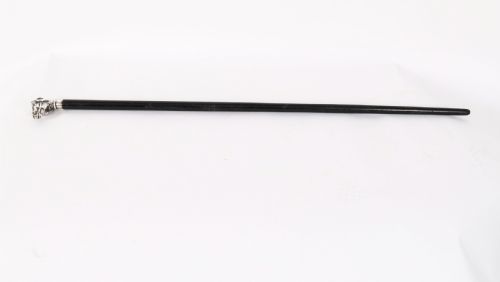
Gentleman Walking Stick Cane
A gentleman walking stick cane is a traditional support and formal accessory carrying substantial metalwork or concealed steel.
Gentleman Walking Stick Cane
A gentleman walking stick cane serves as a traditional support and formal accessory originating primarily in the nineteenth and early twentieth centuries. Pieces here span Victorian and Edwardian periods, alongside French Belle Epoque and Imperial German examples.
Forms range from standard walking sticks and canes to specialised sword sticks featuring concealed blades, alongside utility pieces like umbrella stands. Materials encompass various hardwoods paired with precious metals and porcelain.
Materials and Construction
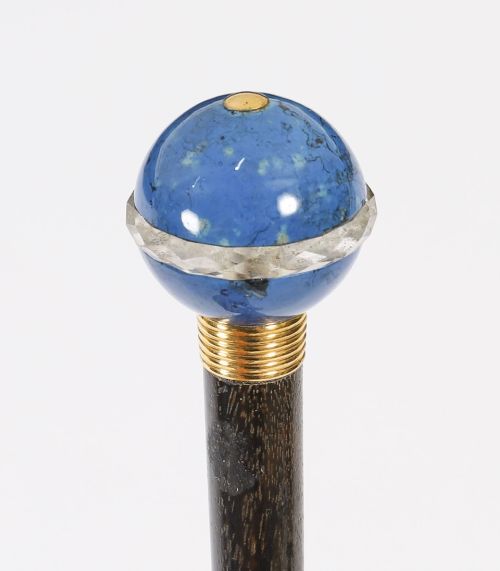
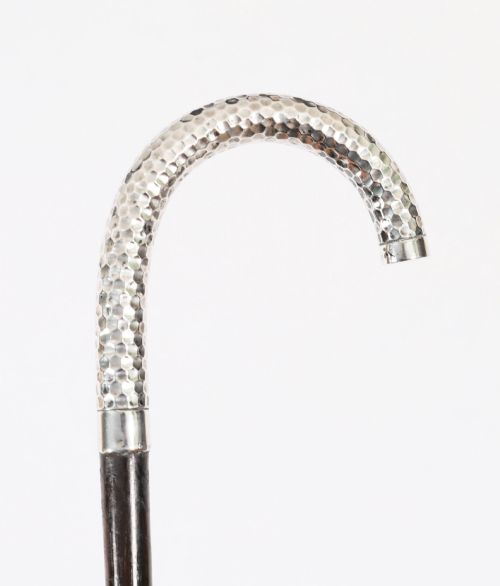
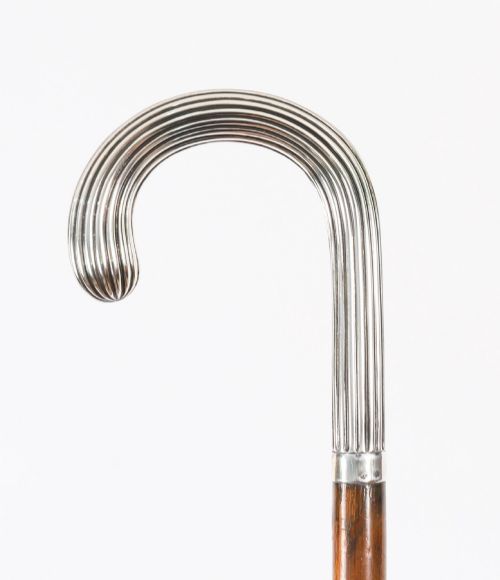
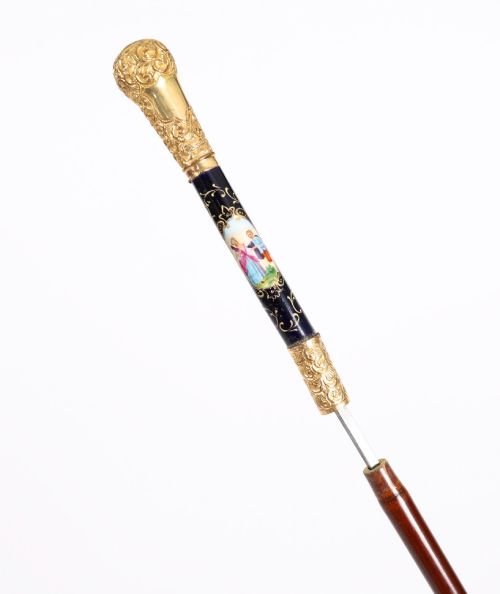
Construction relies on natural woods such as malacca, partridge wood, cherrywood, rosewood, and bamboo, frequently fitted with silver, gold, brass, or steel mounts. Handles utilise carved horn, bone, porcelain, and semi-precious stones.
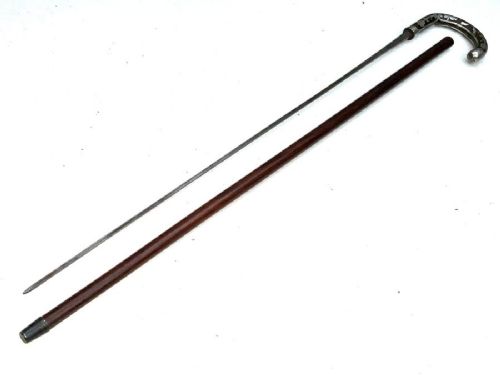
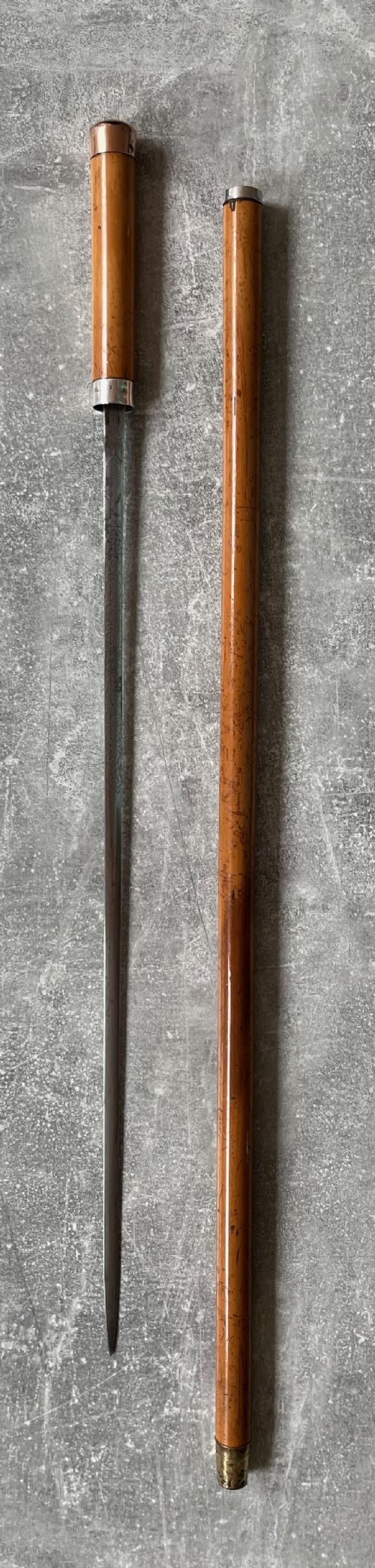
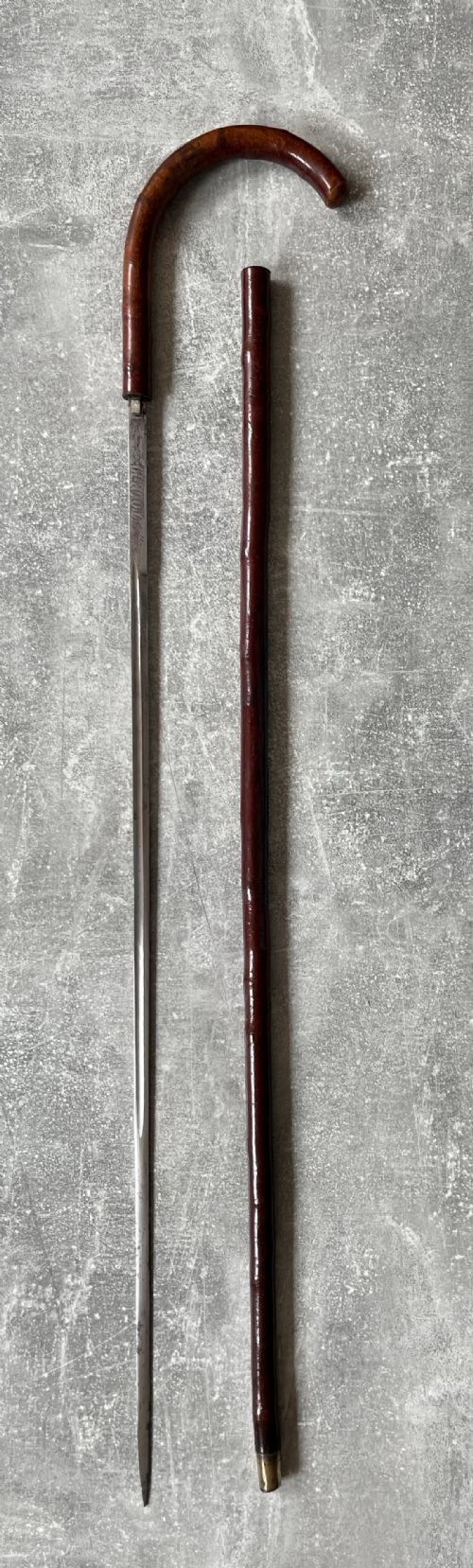
Blades housed within sword sticks utilise Toledo or Wilkinson steel, often paired with button release mechanisms and precious metal collars or wirework.
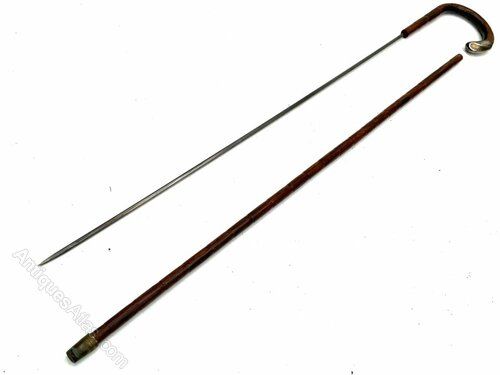
Several walking sticks double as secret weapons, concealing sharp Toledo blades inside harmless wooden shafts.
Quality and Execution
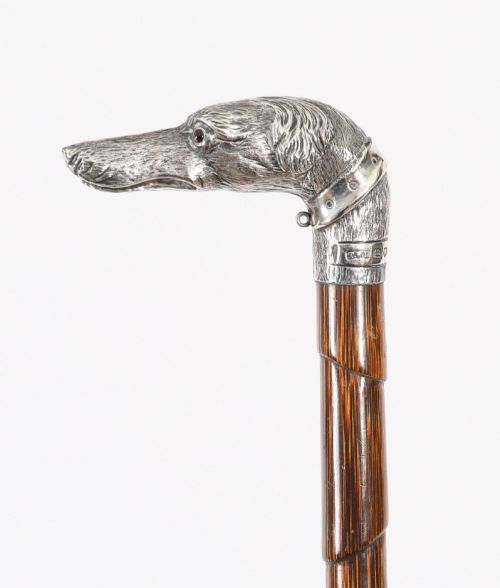
Quality separates through the fineness of handle carving, such as detailed animal heads in silver or carved horn, and the integrity of mounted precious metals. Blade execution, particularly etched Toledo or Wilkinson steel, distinguishes higher tier items.
The choice of dense hardwoods and specialised materials like lapis lazuli or Sevres porcelain indicates superior production compared to standard utility woods.
Briggs·Wilkinson·Henry Borlase Stevens
The Gentleman Walking Stick Cane Glossary
- Pommel
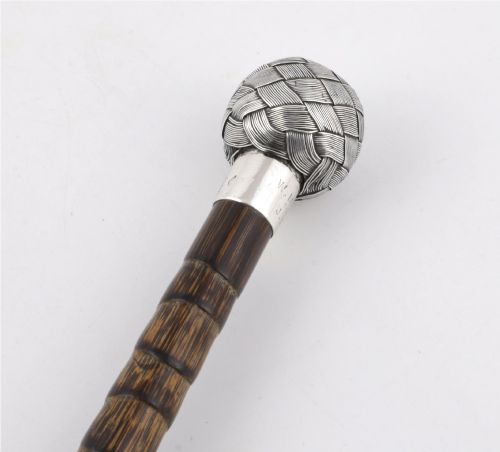
- The rounded handle or decorative knob at the top of a stick. This component often incorporates silver, gold, or carved animal forms.
- Collar
- The metal band encircling the shaft just below the handle. It frequently carries hallmarks or maker inscriptions.
- Malacca
- A type of rattan cane known for its mottled brown finish and jointed nodes. It forms the flexible shaft of many traditional walking sticks.
- Sword stick
- A hollow walking stick containing a concealed steel blade. These items utilise button releases or screw threads to secure the shaft.
- Sevres
- A type of French porcelain utilised for decorative handle sections. It appears alongside gold plate and painted details on nineteenth century pieces.
Gentleman Walking Stick Cane: Frequently Asked Questions
What is a gentleman walking stick cane?
A gentleman walking stick cane is a historic prop and personal accessory made from wood and metal during the nineteenth and early twentieth centuries.
These pieces combine functional support with decorative handles or concealed blades.
How were sword sticks used?
Sword sticks functioned primarily as personal protection and walking supports for gentlemen travelling through urban or rural areas.
The concealed steel blade remained locked inside the wooden shaft until released by a button or screw mechanism.
What woods are used for shafts?
Shafts utilise dense natural timbers including malacca, partridge wood, rosewood, ebony, and bamboo.
These woods provide the necessary rigidity and durability for daily weight bearing.
How do you date these pieces?
Dating relies on stylistic markers, metal hallmarks, blade inscriptions, and material preferences typical of Victorian, Edwardian, or continental periods.
Specific makers and military associations also help anchor the manufacturing window.