


Gentleman Silver Dress Cane
A gentleman silver dress cane is an elegant traditional accessory fashioned from fine woods and metals for formal daily carriage.
Gentleman Silver Dress Cane
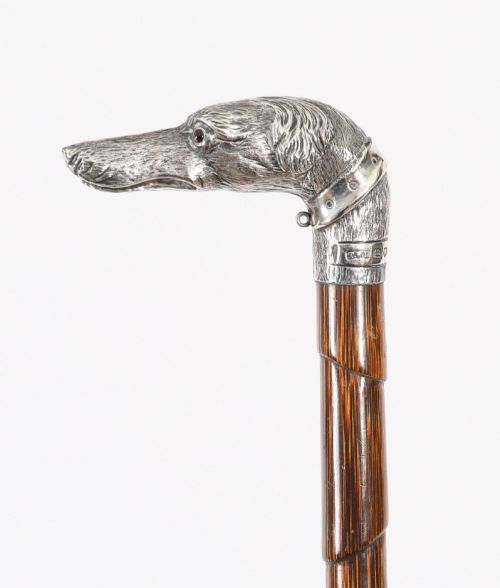
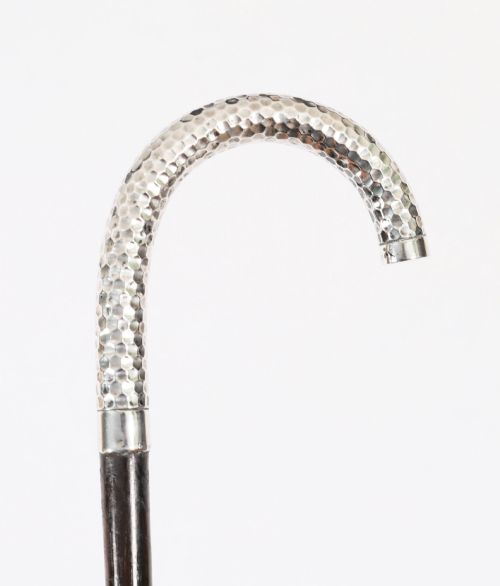
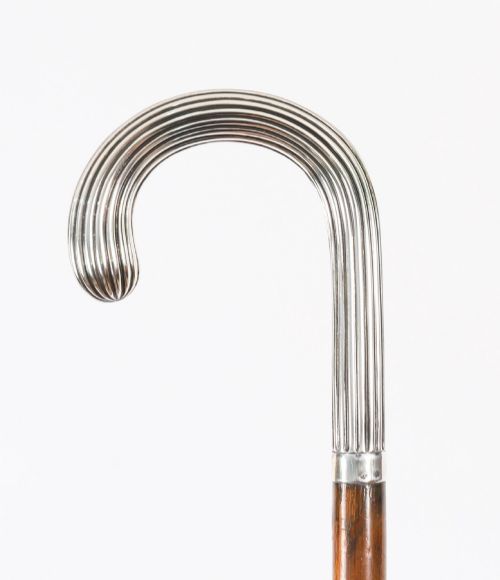
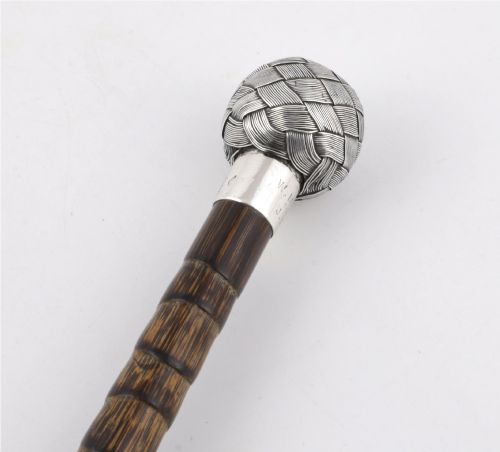
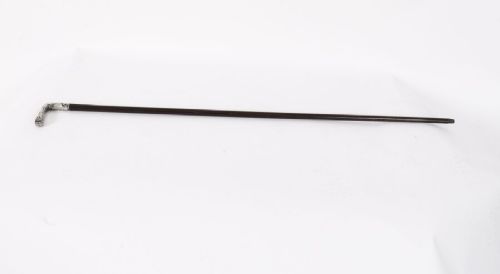
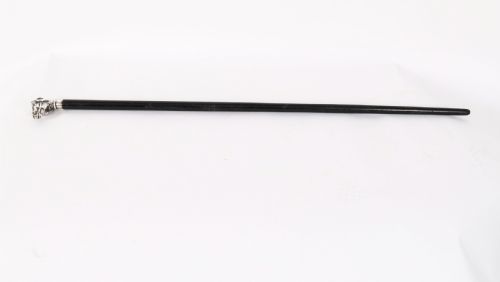
When you search for a gentleman silver dress cane, you encounter walking sticks and canes primarily originating from the nineteenth and early twentieth centuries, spanning the Victorian, Edwardian, and Art Deco periods. These pieces combine functional walking supports with decorative metalwork handles, often featuring distinct figural motifs such as greyhounds, horses, boars, and parrots.
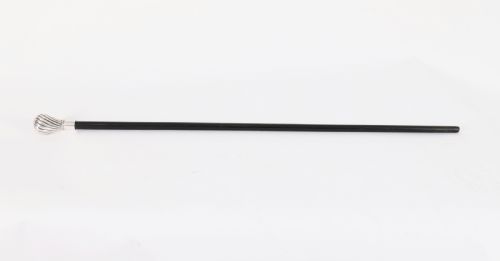
The assortment on this page includes French examples, continental European pieces, and British items, alongside specialised forms like sword sticks and golf club shapes. Materials range from ebonised wood and bamboo to horn and hardwood, paired with solid silver or silver-plated mounts.
Most items reflect the social habits of the eighteen-hundreds and nineteen-hundreds, when an ornamented cane formed an essential part of formal attire. They demonstrate varied regional craftsmanship, from Anglo-Indian colonial pieces to French Belle Epoque designs.
Construction and Materials
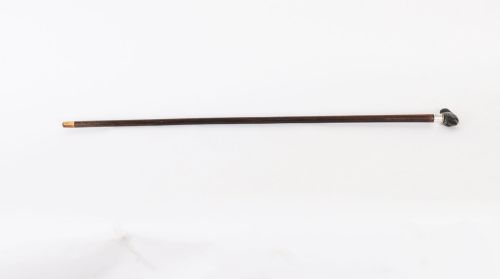
Maker's workshops utilised dense natural materials for the shafts, selecting ebonised wood, hardwood, bamboo, malacca, and horn to ensure rigidity and durability. These shafts were frequently turned, polished, or fitted with silver wire to enhance their appearance.
Listings feature pieces spanning the nineteenth century through the nineteen-thirties, incorporating Victorian, Edwardian, and Art Deco styles.
Assessing Quality
Quality in these pieces rests upon the crispness of the handle casting and the integrity of the materials used for both shaft and mount. Finely detailed animal heads or intricate wirework demonstrate superior artisanal skill compared to plain or heavily worn examples.
The balance and proportion of the handle relative to the shaft also indicate higher craftsmanship. Sturdy construction in the joint between the silver mount and the wooden body ensures the piece maintained its structural soundness through regular use.
The Gentleman Silver Dress Cane Glossary
- Ebonised wood
- Timber treated with a dark finish to imitate expensive ebony. It provides a stark contrast against bright silver handles.
- Malacca
- A sturdy stem derived from Asian rattan palms, prized for its mottled brown surface and resilience. It serves as a traditional shaft material.
- Silver plate
- A thin layer of silver fused to a base metal core. This technique offered the visual appeal of solid silver at a lower production cost.
- Sword stick
- A walking cane concealing a hidden blade within the shaft. These pieces feature a locking mechanism to secure the blade safely inside.
Gentleman Silver Dress Cane: Frequently Asked Questions
How do I date a silver cane?
Dating relies on stylistic clues, historical hallmarks on the silver mounts, and the specific materials used in the shaft. Victorian and Edwardian examples often show distinct decorative motifs characteristic of their respective decades.
Examining the manufacturing techniques and any visible maker marks or continental silver stamps helps narrow down the period of origin.
Were these canes used for walking?
Many were built sturdy enough for daily support, while others served purely as decorative accessories for formal promenade wear. Sturdier examples used dense hardwoods or reinforced collars to withstand regular weight.
Novelty and dress canes intended for urban fashion prioritized appearance over robust hiking support, though construction standards remained high.
What materials make up the shaft?
Shafts commonly consist of ebonised wood, hardwood, bamboo, malacca, or horn. Each material offered different properties of weight, flexibility, and visual texture.
Makers selected these natural materials for their straight grain and durability, frequently pairing them with contrasting metal collars and silver handles.