

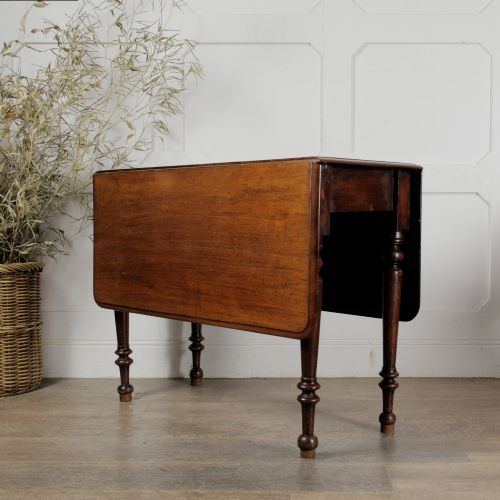
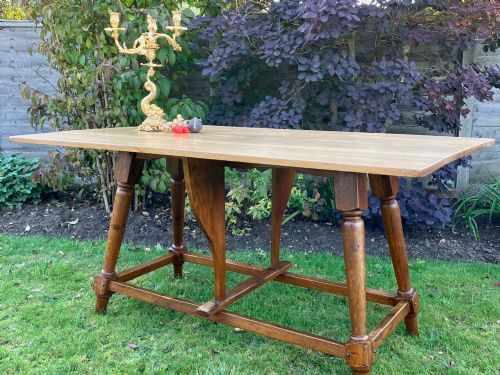
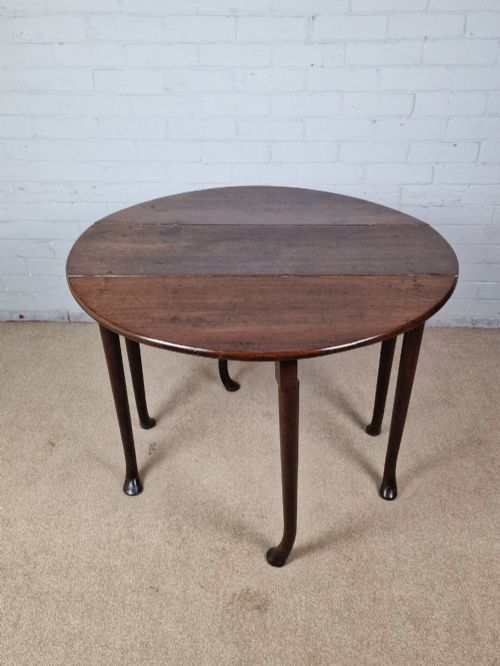
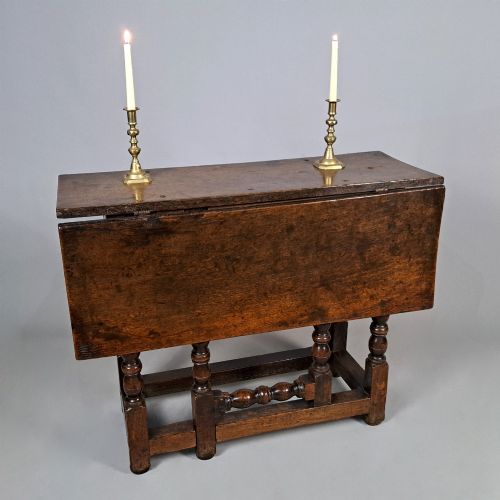
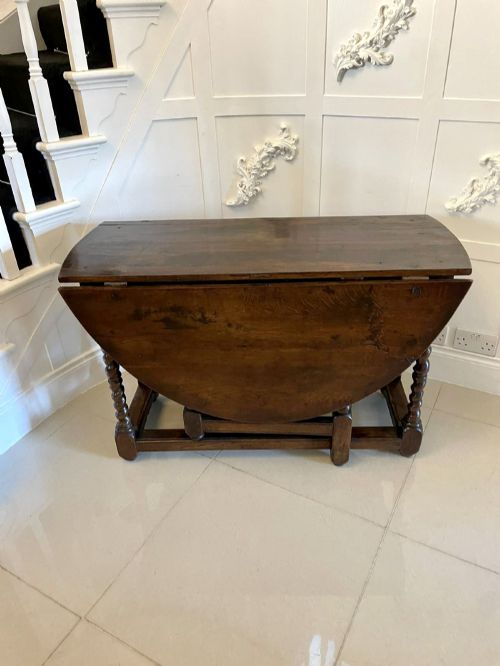
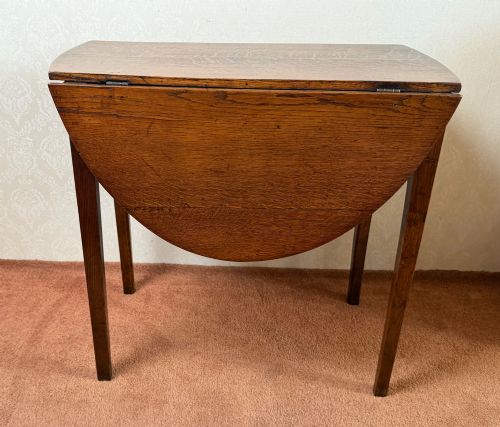
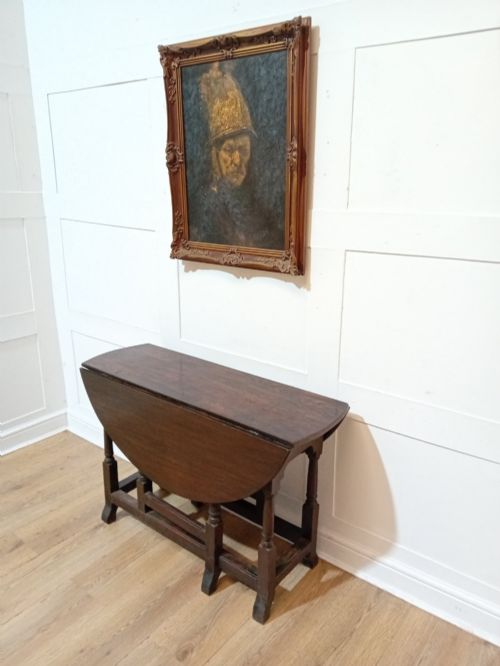
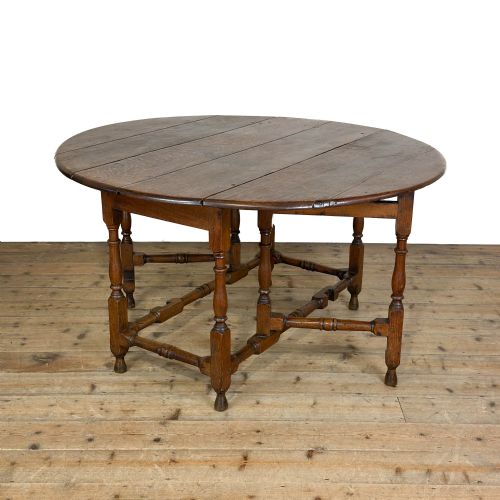
Gateleg Drop Leaf Table
A gateleg drop leaf table offers a practical surface that folds away neatly, spanning centuries of British cabinet-making from sturdy oak to refined mahogany.
Gateleg Drop Leaf Table
A gateleg drop leaf table is a practical piece designed to expand when needed and fold away compactly against a wall. When you search for this phrase, you encounter forms ranging from small side tables to large dining surfaces.
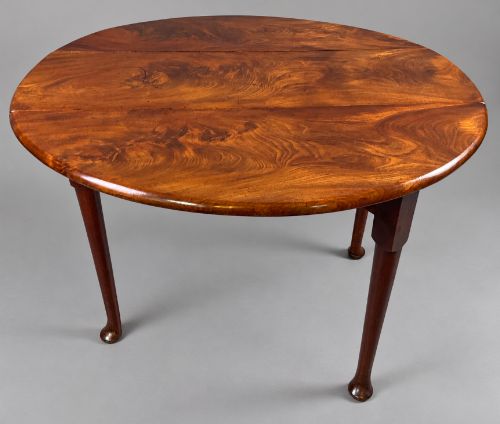
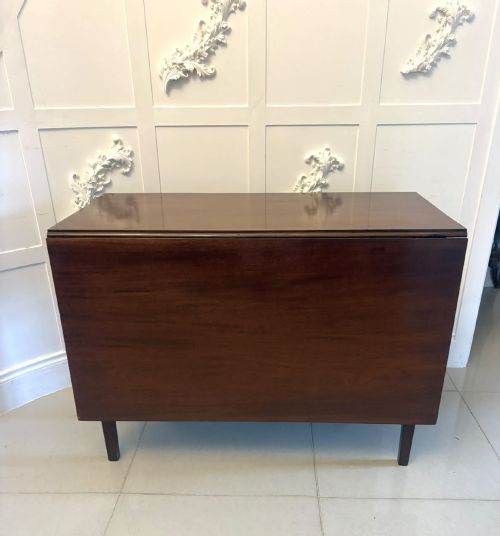
The pieces appearing on this page originate predominantly from the seventeenth, eighteenth, and nineteenth centuries, alongside later revival pieces. Oak and mahogany are the most frequent timbers, spanning periods from Jacobean and Queen Anne to Georgian and Victorian.
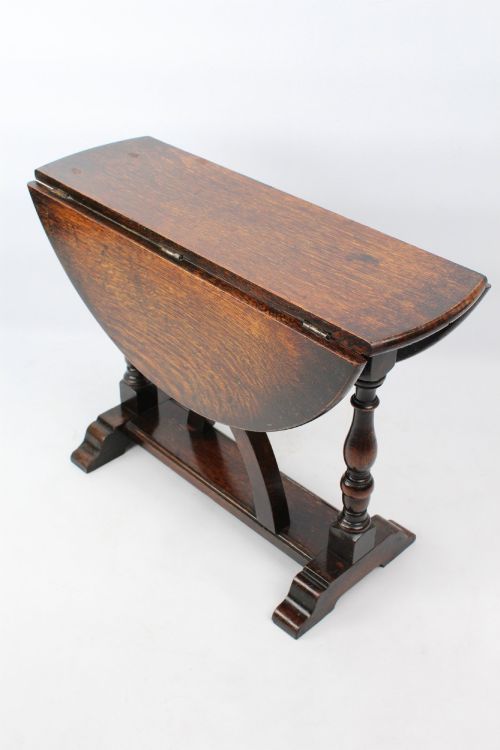
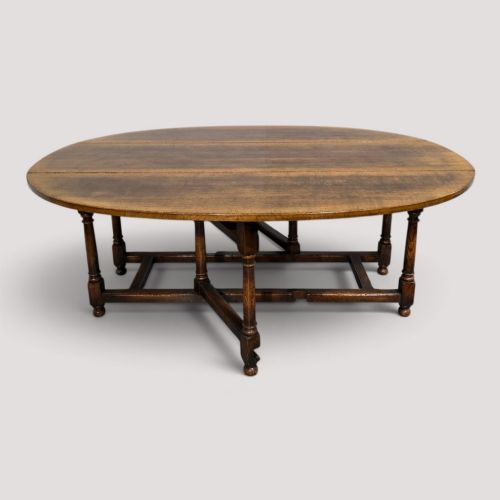
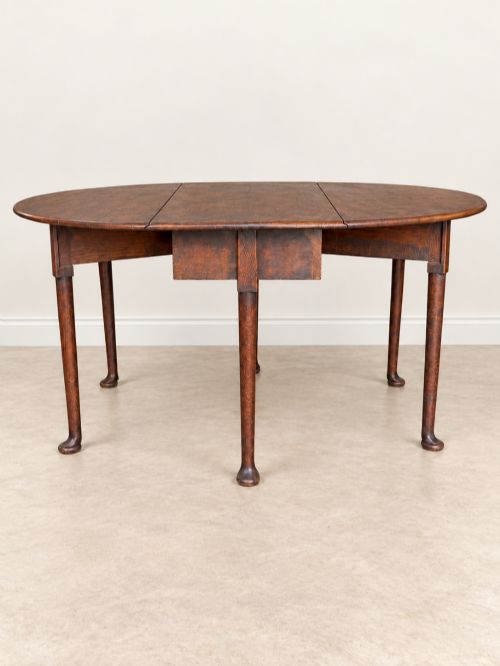
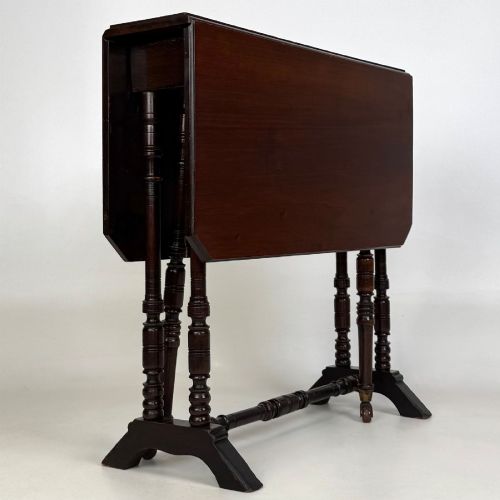
Dining tables and occasional tables dominate the selection, often taking an oval shape when fully opened. You will also find smaller Sutherland tables and spider leg tea tables among the variations.
Materials and construction
Cabinet-makers relied on solid timbers such as oak, walnut, and mahogany, selected for their grain and structural strength. Timbers were often chosen for figured surfaces or polished to a warm patina over generations of use.
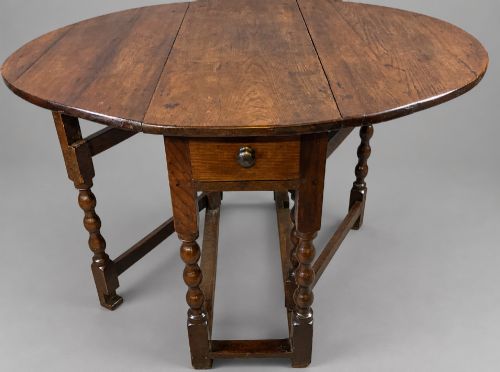
Construction hinged upon sturdy turning techniques for the legs, including barley twist, bobbin turning, and plain supports. Swinging leg gates pivoted outward to support the hinged drop leaves, secured by wooden pins or traditional hinges.
Gateleg Drop Leaf Table Retail Price Guide 2026
Typical asking prices for gateleg drop leaf table among the pieces listed under this phrase on Sellingantiques today, from the lower quarter to the upper quarter. They describe what is for sale here now, not the wider market.
Listings span from the seventeenth century through the Edwardian era, featuring oak, walnut, mahogany, and pine construction.
Quality and proportion
The distinction between ordinary and exceptional examples rests in the proportion of the frame and the quality of the timber. Smaller proportions and finely figured timbers command greater interest from collectors seeking refined craftsmanship.
Surface condition and original patina dictate the character of older pieces, where untouched finishes and original hinges reveal the table's age. The crispness of the turned legs and the stability of the gate mechanism indicate the skill of the original workshop.
The Gateleg Drop Leaf Table Glossary
- Gateleg table
- A table with hinged leaves supported by swinging legs that pivot out like a gate. This design allowed large dining surfaces to fold into a narrow footprint when not in use.
- Sutherland table
- A narrow drop-leaf table with exceptionally slender legs and leaves that drop almost vertically. These originated in the nineteenth century for use in smaller drawing rooms.
- Patina
- The deep surface sheen and mellow colour acquired by wood over centuries of handling and polishing. A good patina indicates age and regular care.
- Barley twist
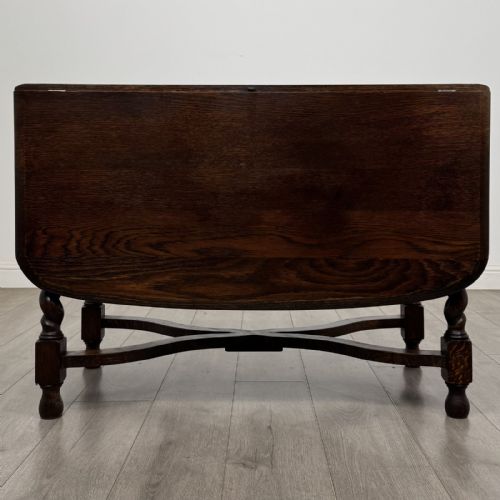
- A type of turned wooden leg carved in a helical screw formation. This decorative technique is commonly found on seventeenth-century and early twentieth-century revival oak furniture.
- Spider leg table
- A table constructed with exceptionally thin, delicate turned legs connected by fine stretchers. They frequently appear in eighteenth-century mahogany tea tables.
Gateleg Drop Leaf Table: Frequently Asked Questions
How did people use gateleg tables historically?
These tables served primarily as versatile dining or working surfaces in homes where floor space was at a premium. Families folded down the leaves to push the table against the wall between meals.
Smaller variants like tea tables or Sutherland tables were brought out specifically for entertaining guests or holding tea services in the parlour.
How do I tell seventeenth-century oak from later revivals?
Seventeenth-century examples display authentic hand-tool marks, pegged joints, and heavy native oak with deep, natural wear patterns. The iron or brass fittings often show centuries of oxidation and hand-beaten construction.
Twentieth-century revival pieces, such as those from the 1920s, often use machine-cut components, lighter golden oak, and standardised modern screws or hinges hidden beneath the wood.
Can I use a antique drop leaf table daily?
Solid timber construction makes these tables remarkably durable for everyday dining and occasional use. The swinging gate mechanism supports the leaves adequately when the table rests on a level floor.
Care should be taken to avoid placing hot dishes directly on the polished timber and to use coasters to protect the historic surface from moisture rings.
What is the difference between an oak and a mahogany gateleg table?
Oak tables generally date from the seventeenth and eighteenth centuries, featuring bold turned supports and a heavier, rustic aesthetic suited to country houses. They often display visible medullary rays in the timber grain.
Mahogany versions emerged later, particularly during the Georgian period, offering a smoother, reddish-brown grain, finer spider legs or cabriole supports, and a more formal appearance.