






Game Bird Art
Game bird art captures sporting heritage through paintings, sculptures and tactile works spanning several centuries.
Game Bird Art
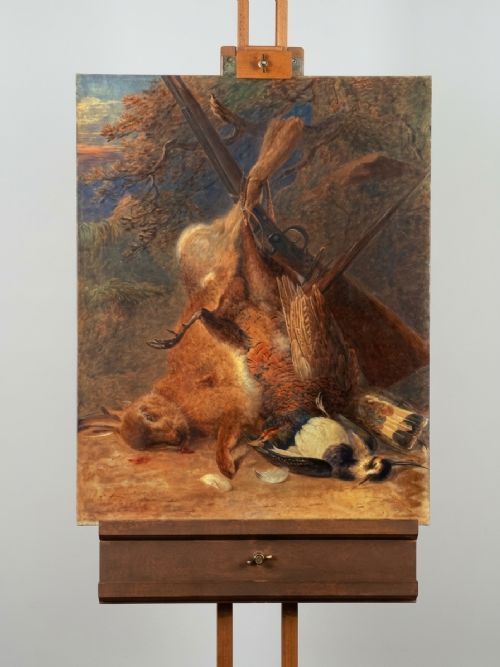
Game bird art encompasses oil paintings, watercolours, sculptures and prints depicting pheasants, grouse, woodcock and larder scenes. Buyers searching this phrase encounter nineteenth-century works alongside twentieth-century interpretations.
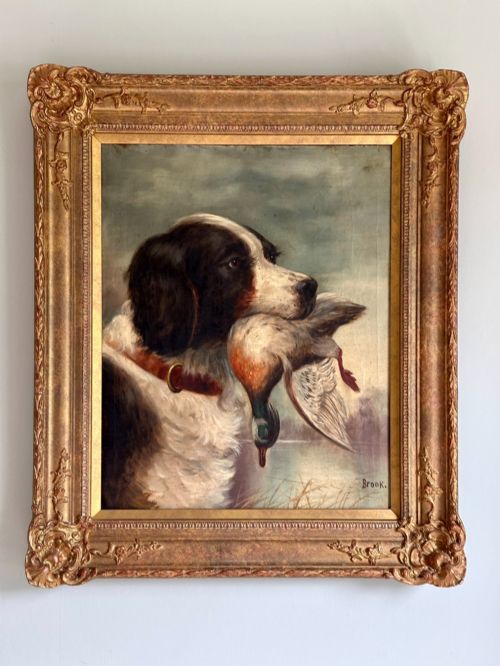
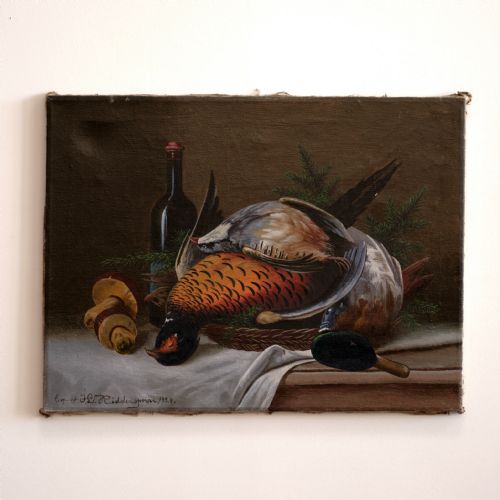
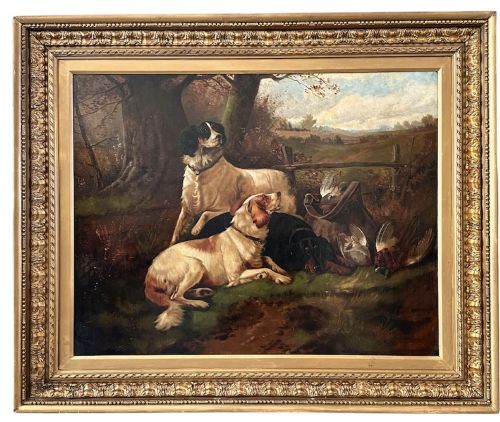
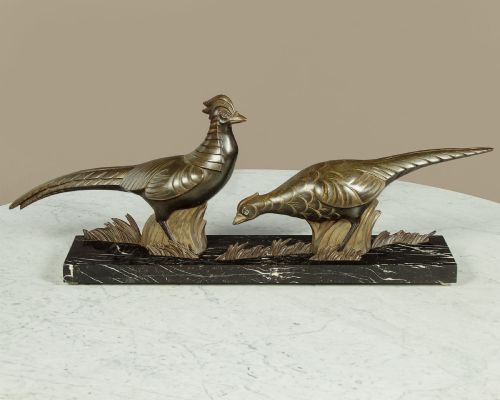
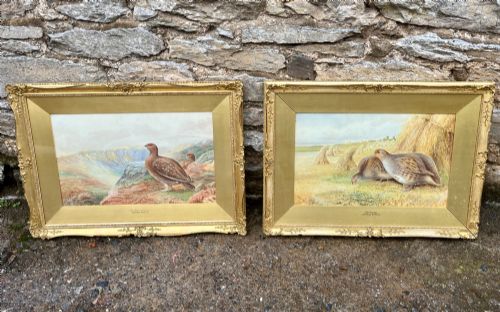
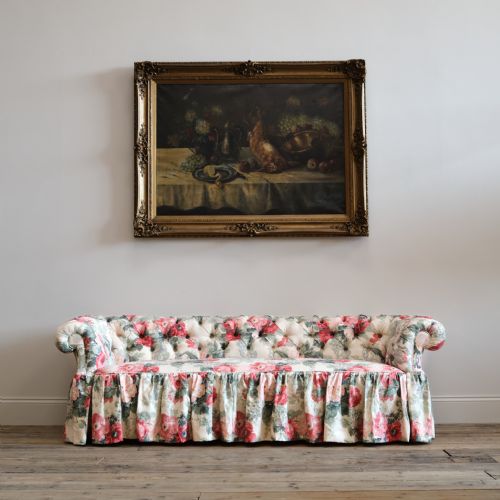
The pieces on this page range from Victorian watercolours and Dutch school still life oils to Art Deco sculptures and embossed prints. Pheasants and larder subjects dominate the visual record across canvas, paper and carved wood.
Early periods focus on naturalistic depictions of game and gun dogs, while later decades introduce stylized bronze or ceramic forms. This variety reflects changing tastes in rural sporting decoration over generations.
Materials and techniques
Artists relied primarily on oil paint on canvas or watercolour on paper to render feathers, landscapes and domestic interiors with fine precision. These traditional mediums allowed for layered depth and subtle tonal shifts in plumage.
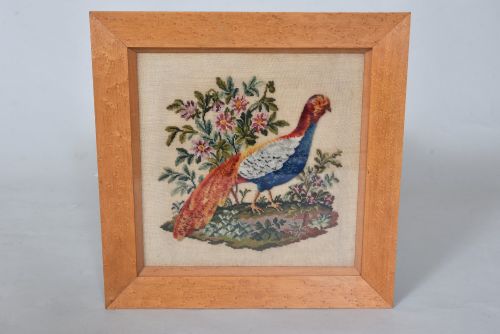
Sculptors utilised carved tiger oak, porcelain and enamelled silver to create three-dimensional representations of pheasants and hunting subjects. Textile works such as plushwork introduced soft textures to avian portraiture.
Game Bird Art Retail Price Guide 2026
Typical asking prices for game bird art among the pieces listed under this phrase on Sellingantiques today, from the lower quarter to the upper quarter. They describe what is for sale here now, not the wider market.
One remarkably confident monkey has snuck into the art selections, treating the avian gathering with utter indifference.
Markers of distinction
Superior execution relies on the artist's command of avian anatomy, feather texture and natural lighting within the composition. Master painters capture the iridescent sheen of a pheasant or the matte density of a woodcock with distinct brushwork.
The integrity of the physical support, whether stretched canvas, heavy watercolour paper or carved oak panels, dictates longevity. Original framing and well-preserved mediums elevate the physical presence of each work.
Michelangelo Meucci·John Sargent Noble·William Henry Ward·George Rankin·Henri Joseph Pauwels·Thomas Blinks·Royal Dux·Stephen Elmer·Emile Lecomte·Arthur E Gonne·Archibald Thorburn
The Game Bird Art Glossary
- Plushwork
- A textile craft technique using raised pile threads to create tactile, padded depictions of animals. It produces a soft, dimensional surface texture.
- Trompe l'oeil
- An artistic technique that uses realistic imagery to create the optical illusion that the depicted objects exist in three dimensions. It often appears in still life compositions.
- Larder view
- A traditional painting genre displaying game, fish or produce arranged as if stored for consumption. These scenes emphasise domestic abundance and natural textures.
- Bodycolour
- Watercolour paint mixed with a white pigment to make it opaque. This technique adds solid highlights and dense areas of colour to works on paper.
- Dutch School
- A collective term for seventeenth and eighteenth-century painters from the Netherlands renowned for meticulous realism. Their influence extends into later still life traditions.
Game Bird Art: Frequently Asked Questions
What periods do these pieces cover?
The available selection spans from the eighteenth century through the Victorian era and into the mid-twentieth century. Earlier examples showcase traditional oil techniques, while later pieces embrace modernist movements.
Buyers find distinct stylistic shifts between nineteenth-century naturalism and subsequent Art Deco interpretations. Each era brings its own approach to depicting rural subjects.
How were these artworks displayed historically?
Large oil paintings and framed watercolours typically hung in country houses, libraries and dining rooms to reflect rural pursuits. Sculptures and carved wooden panels served as mantel or wall ornaments.
Smaller prints and illustrations were often grouped in sets to decorate hallways or studies. They functioned as both interior decoration and testaments to sporting interests.
How do I care for antique watercolours?
Works on paper require protection from direct sunlight to prevent the fading of delicate watercolours and bodycolour pigments. Framing with acid-free mounts ensures the paper remains stable over time.
Keeping pieces in rooms with steady humidity levels prevents warping of paper and damage to original frames. Regular inspection helps catch any environmental issues early.
How do I identify a Victorian hunting painting?
Victorian sporting works frequently combine gun dogs, game birds and autumnal landscapes within a detailed narrative framework. Artists of this period focused on accurate anatomical rendering of animals and naturalistic outdoor lighting.
Signatures, framing styles and canvas stamps often provide clues to the exact decade of production. Examining the subject matter alongside the clothing or equipment depicted helps confirm the era.