


Fruitwood Accent Chair
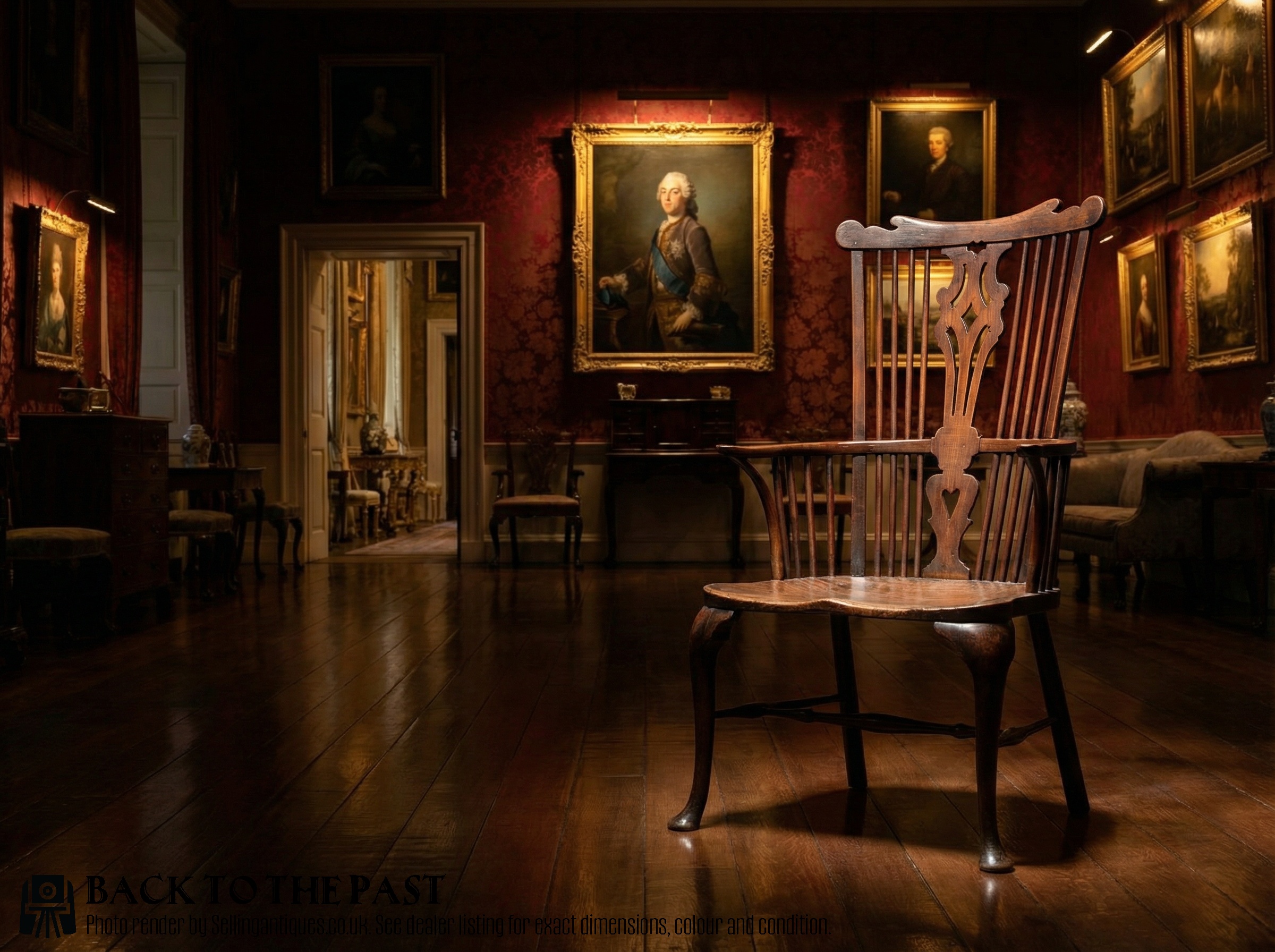
A fruitwood accent chair brings warmth and grain to a room, offering historic seating shaped from native timber.
Fruitwood Accent Chair
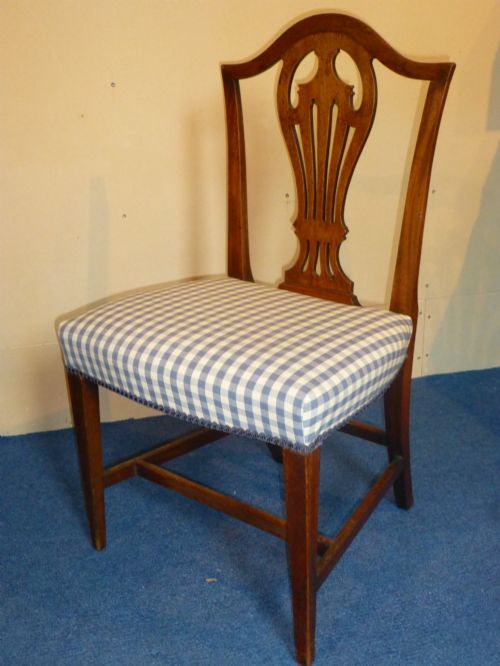
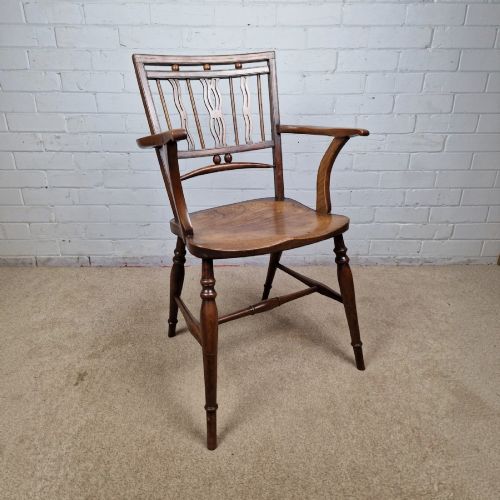
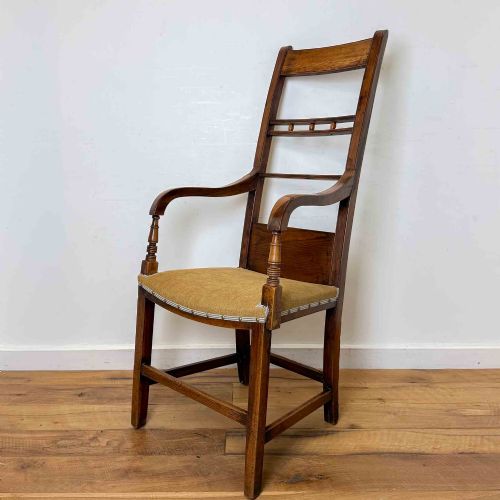
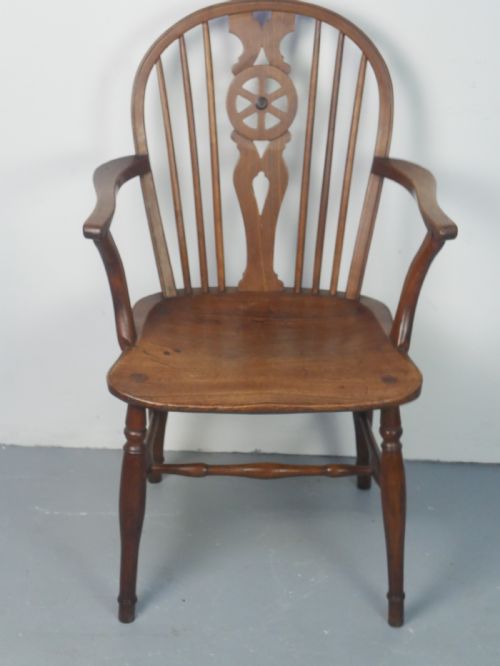
The selection includes regional pieces like the Mendlesham chair alongside Windsor armchairs and hall seats. Most examples utilise fruitwood often paired with elm or beech, spanning stylistic influences from Louis XV to Arts & Crafts.
How they were made
Maker construction relies on native hardwoods like fruitwood, cherrywood, and elm joined with traditional methods. Certain regional armchairs combine multiple timber types within a single frame for structural strength.
Surface embellishments include decorative inlays such as nacre-shell on X-frame forms alongside silk upholstery on French armchairs. Bleached finishes and polished wood surfaces highlight the natural grain patterns of the timber.
Listings feature pieces spanning the 18th century, Regency period, and early 1900s utilising fruitwood, elm, and cherrywood.
What varies in quality
Quality rests in the precision of the timber turning and the regional sophistication of the form. Finer pieces demonstrate careful selection of fruitwood and cherrywood paired with robust joinery.
Stylistic ambition separates standard regional seating from high-style examples possessing detailed carvings or complex inlaid work. Original upholstery schemes and untouched timber patination elevate individual pieces.
The Fruitwood Accent Chair Glossary
- Fruitwood
- Timber derived from fruit-bearing trees such as pear, apple, or cherry. It yields a dense grain and warm tone prized by historic makers.
- Windsor Chair
- A traditional seating form featuring a solid wooden seat into which the legs and back spindles are directly wedged.
- Sgabello
- A light wooden chair featuring a high back and solid board legs rather than conventional legs, often used in hallways.
- Nacre-shell
- Mother-of-pearl inlay material utilised to decorate the surfaces of particular Middle Eastern furniture forms.
Fruitwood Accent Chair: Frequently Asked Questions
What periods do these chairs date from?
The available seating spans from the 18th century through the Regency era and into the early 20th century. Examples include Georgian designs alongside Arts and Crafts and Middle Eastern interpretations.
Particular pieces reflect specific historic revivals and regional British or continental European workshops.
How do I identify fruitwood timber?
Fruitwood displays a fine, dense grain and warm reddish-brown or golden tones that develop a deep patination over time. Makers often utilised apple, pear, or cherry depending on regional availability.
It differs from standard oak or mahogany through its smoother texture and distinct tonal variation.
Where were Windsor armchairs placed?
Windsor armchairs served versatile roles within historic domestic interiors, functioning as seating in parlours, bedrooms, and studies. Their robust construction suited daily use in both country houses and town residences.
Regional variations like the Mendlesham chair provided sturdy seating for everyday tasks.
How should I care for historic fruitwood?
Maintain fruitwood furniture by avoiding direct sunlight and keeping it away from rapid temperature changes that affect timber. Occasional application of suitable wax preserves the historic polish without harming the grain.
Protect upholstered silk sections by keeping them clear of moisture and heavy wear.