
Fruit Still Life Art
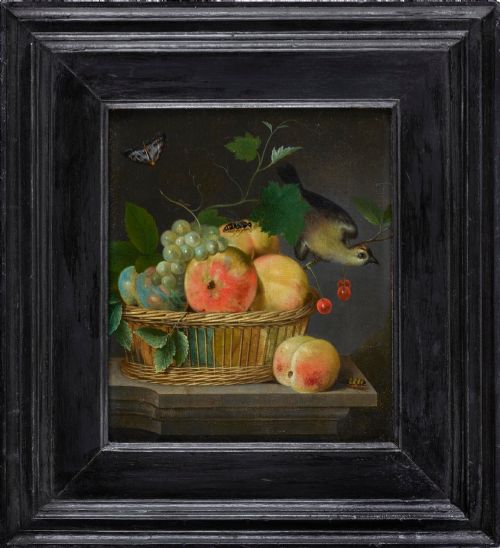
Fruit still life art brings baskets of apples, grapes, and citrus into domestic rooms through oil and watercolour.
Fruit Still Life Art
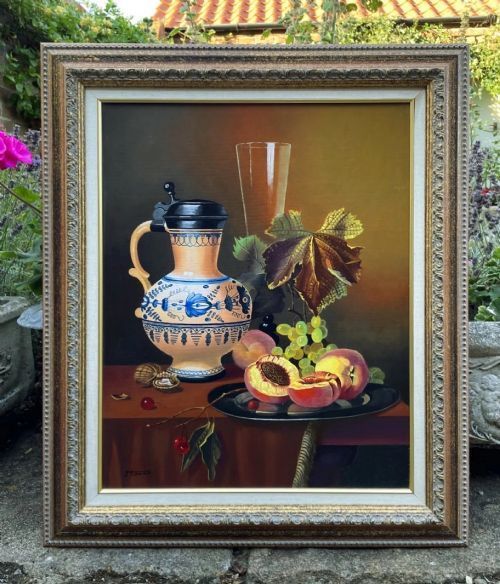
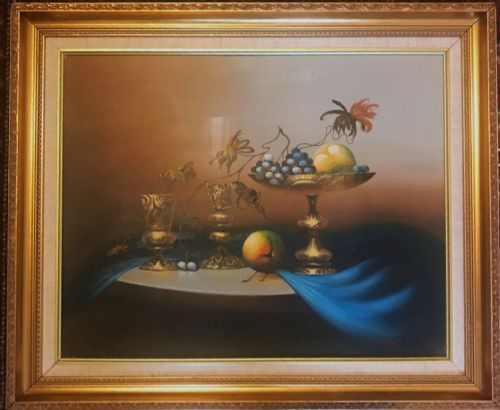
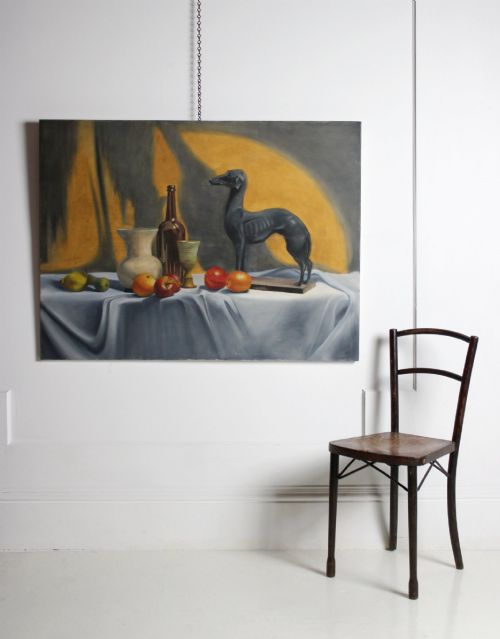
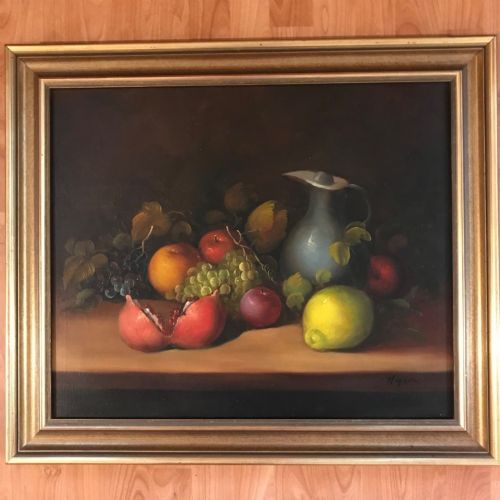
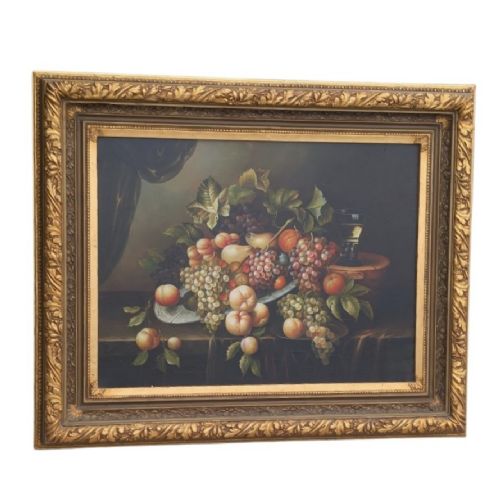
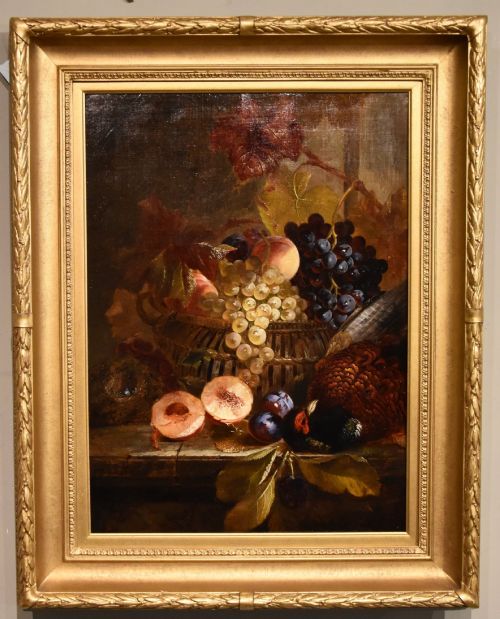
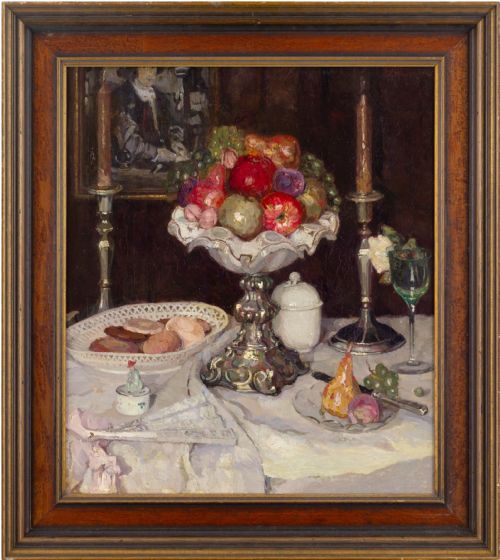
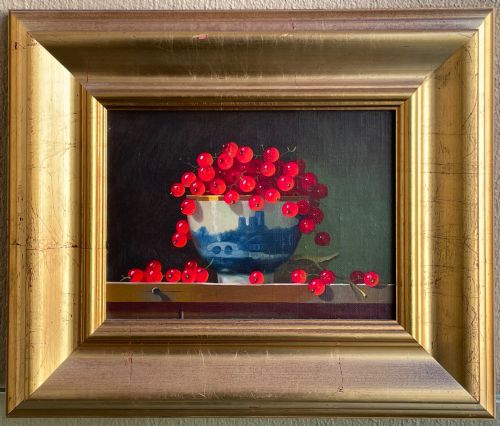
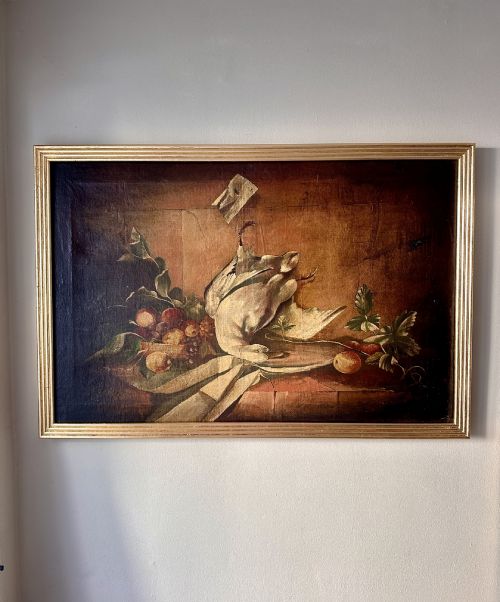
Fruit still life art captures arranged arrangements of natural produce, often paired with tableware, baskets, or game within painted compositions. These works span centuries of domestic and academic observation, ranging from detailed Victorian watercolours to mid-century abstract oil paintings.
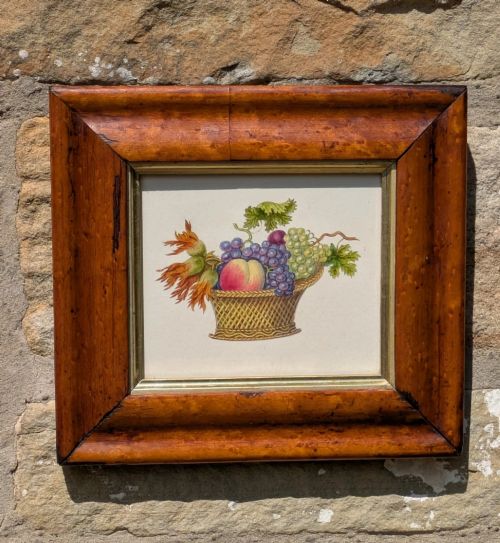
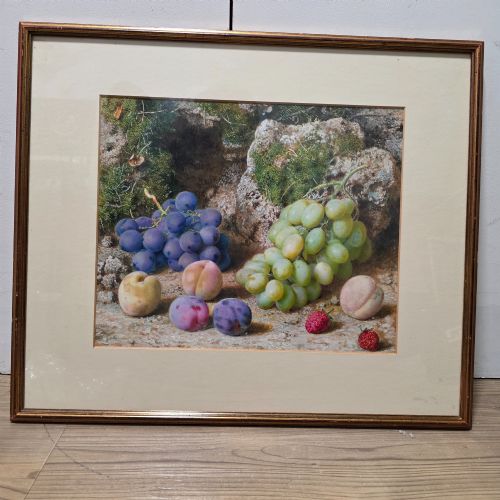
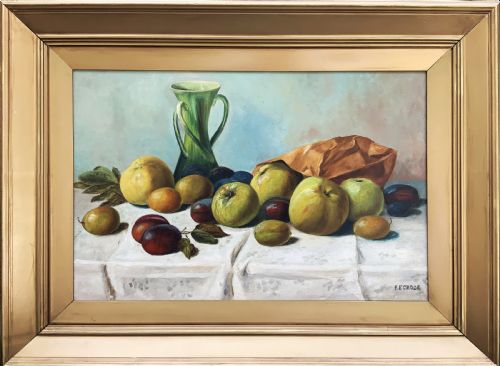
The selections available here rely heavily on 19th-century canvases and early 20th-century studies, alongside mid-century interpretations. Buyers encounter both intimate watercolours under glass and large oil paintings housed in period frames.
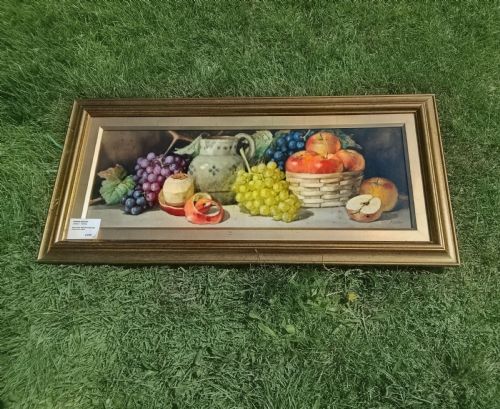
Continental, British, and Spanish schools appear across the inventory, reflecting diverse regional approaches to the genre from the 17th century onwards. Smaller watercolours sit alongside sweeping banquet scenes featuring woven baskets and clustered fruit.
Materials and construction methods
Artists painted these works primarily using oil paint or watercolour applied to canvas, wood panels, or paper supports. Oil on canvas remains the dominant medium, frequently stretched over wooden frames and secured within period giltwood or solid wood surrounds.
Many 19th-century watercolours incorporate protective glass coverings held within gilt frames to preserve the delicate pigments. Gilding and gold leaf feature prominently on the decorative frames accompanying these paintings, adding depth to the presentation.
Framing materials recorded include solid wood, giltwood, and swept gilt decorative mouldings.
Distinguishing quality in the works
Quality rests in the handling of light, shadow, and texture across the surfaces of individual fruits and surrounding objects. Superior examples display subtle tonal variations in the depiction of skin textures, bruised surfaces, and reflective highlights on glass or ceramic vessels.
The integrity of the original frame also influences the piece, with sweeping carved giltwood frames contributing historical context to the painting they enclose. Masterful brushwork and confident draughtsmanship separate ambitious academic studies from simpler decorative exercises.
Jozsef Molnar·Edward Ladell·Gaspar Peeter Verbruggen·William Henry Ward·Else Preubner·Vladimir Aldoshin·Arthur Dudley·John Sherrin·Victor Simonin·James Tower·Evelyn Chester·Henri Joseph Pauwels·Edward Duffield·Vincent Clare·Bela Balogh·Thomas Hooper·J. M. Arundele
The Fruit Still Life Art Glossary
- Still life
- A painting or drawing depicting inanimate subject matter, typically commonplace objects such as fruit, flowers, and tableware. This genre has served as a vehicle for technical skill and symbolic arrangement for centuries.
- Giltwood
- Wood that has been coated with a thin layer of gold leaf or gilt powder. It is commonly found on the ornate frames housing 19th-century oil paintings.
- Canvas
- A heavy woven fabric used as a surface for oil painting, typically stretched taut over a wooden frame. It provides a durable ground that holds pigment securely over generations.
- Watercolour
- A paint consisting of pigment suspended in a water-based solution, applied to paper or card. This medium yields translucent washes and delicate details.
- Impressionism
- An art style characterised by relatively small, thin, yet visible brush strokes and an open composition. Works in this style emphasise accurate depiction of light and its changing qualities.
Fruit Still Life Art: Frequently Asked Questions
What periods do these paintings come from?
The inventory includes pieces dating from the 17th century through to the mid-20th century, with a strong representation of 19th-century and Edwardian examples.
Buyers also encounter wartime works from the 1940s alongside post-impressionist and mid-century modern interpretations.
How should I hang an oil painting?
Heavy oil paintings on canvas require secure wall fixings suited to the weight of both the canvas and its solid wood or gilt frame.
Position them away from direct sunlight and fluctuating heat sources to protect the painted surface and ground.
Are watercolours framed differently from oils?
Watercolour paintings on paper are typically mounted behind glass to protect the pigment from dust, moisture, and fading.
Oils on canvas are usually displayed open to the air within decorative wooden or gilt frames without glass.
What subjects accompany fruit in these artworks?
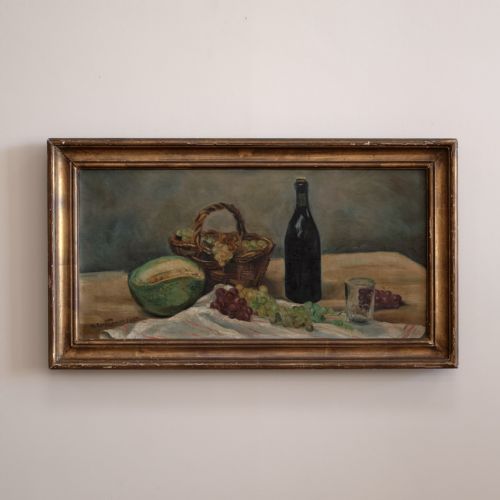
Common companion elements include wicker baskets, wine glasses, ceramic jugs, biscuits, and dead game.
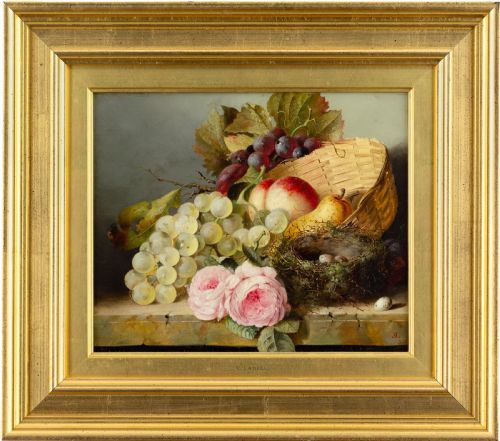
Some compositions also incorporate floral arrangements, tableware, or birds' nests alongside apples, grapes, and pomegranates.