


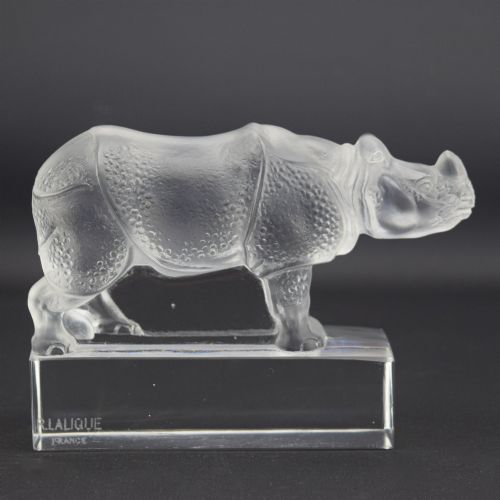


Frosted Art Glass Sculpture
A frosted art glass sculpture captures light in its matte surface, bringing sculptural depth to figures and animals from the early twentieth century.
Frosted Art Glass Sculpture
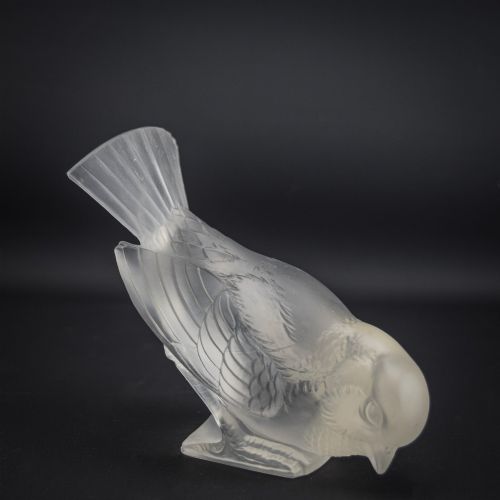
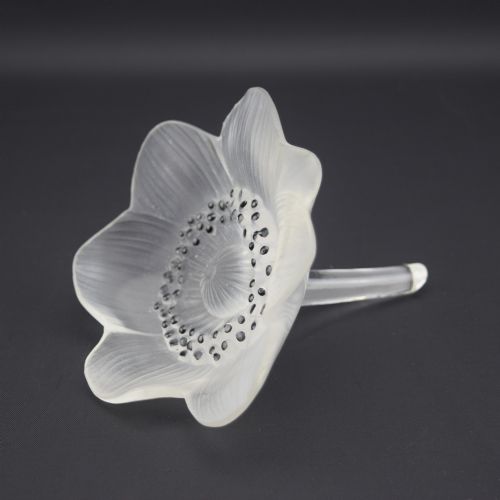
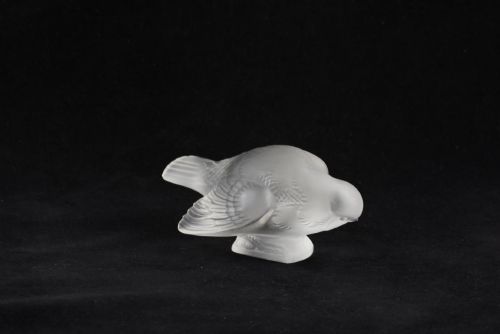
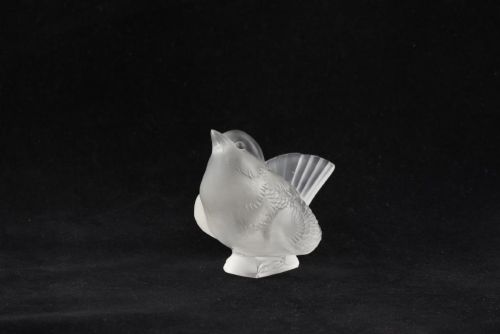
A frosted art glass sculpture typically takes the form of animal paperweights, car mascots, or statuettes created during the Art Deco and Art Nouveau periods. These decorative pieces utilise the contrast between clear and satin-finished surfaces to define intricate plumage, fur, and human drapery.
The most common examples on this page are bird paperweights and car mascots originating from French workshops, often mounted on original socles or integrated into table lamps and night lights. The designs reflect the sleek, stylised aesthetics of the early twentieth century, spanning decades from the eighteen-nineties through to nineteen-thirty.
Buyers will also encounter larger figures and figural lamps that combine glass components with bases made of marble, bronze, or spelter. These varied forms demonstrate how glass was used alongside metal and stone to create functional art objects for domestic interiors.
Materials and production methods
Makers utilised moulded glass, pressed glass, and clear glass as the primary medium, applying acid-etching or sandblasting to create the signature frosted finish. This matte texture scatters light softly across the surface, drawing attention to the moulded details of birds, insects, and human forms.
Many sculptures incorporate mixed media, pairing the glass body with bases or mounts cast from bronze, spelter, or marble. Some pieces feature blue staining or patination within the recessed areas to heighten the contrast and depth of the design.
Frosted Art Glass Sculpture Retail Price Guide 2026
Typical asking prices for frosted art glass sculpture among the pieces listed under this phrase on Sellingantiques today, from the lower quarter to the upper quarter. They describe what is for sale here now, not the wider market.
Listings feature frosted art glass pieces spanning from the nineteenth century through the nineteen-thirties, encompassing both Art Nouveau and Art Deco movements.
Factors influencing quality
The sophistication of the design and the harmony of mixed materials also dictate the standing of a piece. Sculptures that successfully integrate metal mounts, marble bases, or specialised patination display a higher level of artistic ambition than simpler standalone objects.
Rene Lalique·Marius Ernest Sabino·Auguste Moreau
The Frosted Art Glass Sculpture Glossary
- Car Mascot
- An ornament mounted on the radiator cap of an automobile during the early twentieth century. Many glass mascots were later repurposed as desk ornaments or displayed on illuminated bases.
- Socle
- A short plinth or pedestal supporting a sculpture, paperweight, or car mascot. They often elevate the glass figure to showcase its form from multiple angles.
- Spelter
- A zinc alloy commonly utilised as a substitute for bronze in nineteenth and early twentieth-century metalwork. It accepts patination and silvering well, frequently serving as a base material for figural lamps.
- Art Deco
- A design style prevalent in the nineteen-twenties and nineteen-thirties characterised by stylised motifs, clean geometric lines, and sleek forms. It heavily influenced the production of decorative glass and lighting.
- Cachet
- A small seal or stamp, often carved on the underside or base of a glass object. These functioned practically for impressing wax or served as miniature sculptural desk items.
Frosted Art Glass Sculpture: Frequently Asked Questions
How do I display a glass paperweight safely?
Place your glass sculpture on a stable surface away from direct, heavy foot traffic where it might be easily knocked over. Many collectors use illuminated bases to highlight the matte texture and frosted details of the glass.
Ensure the display area is free from extreme temperature fluctuations and direct sunlight to protect the material over time. Felt pads on the underside of marble or metal socles will also protect your furniture from scratches.
What is the difference between a car mascot and a paperweight?
Car mascots were originally manufactured to mount on motor vehicle radiator caps, featuring hollow fittings or specific mounting points at the base. They were engineered to be viewed from a distance and withstand outdoor conditions.
Papersweights are solid, heavier objects designed specifically for desktop use to hold down documents. While artists often used the same animal or figural moulds for both purposes, the intended mounting and base construction differ.
How should I clean frosted art glass?
Dust the sculpture regularly with a soft, dry microfibre cloth to prevent dirt from settling into the microscopic crevices of the frosted surface. Avoid using harsh chemical cleaners or abrasive scouring pads, which can damage the delicate satin finish.
If the piece requires deeper cleaning, use lukewarm water with a mild, neutral soap and dry it immediately with a lint-free cloth. Take extra care around mixed-media elements like bronze mounts or marble bases to avoid exposing those materials to excess moisture.