




1920s Glass Sculpture
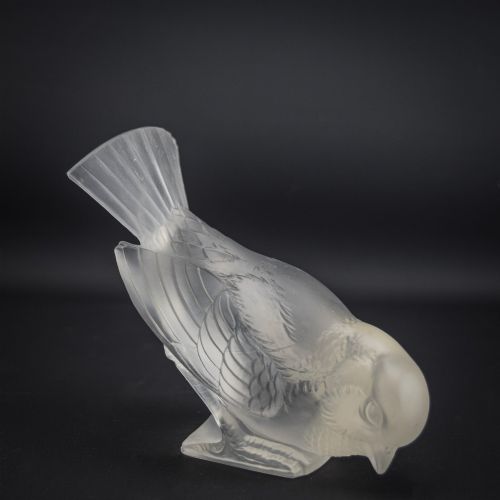
These 1920s glass sculpture pieces bring distinct Art Deco lines to a room, prized for their frosted surfaces and moulded detail.
1920s Glass Sculpture
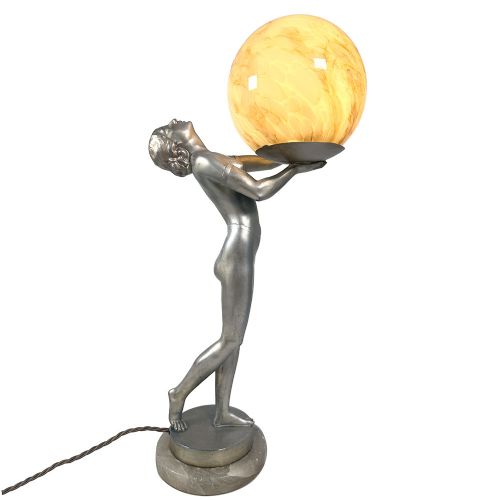
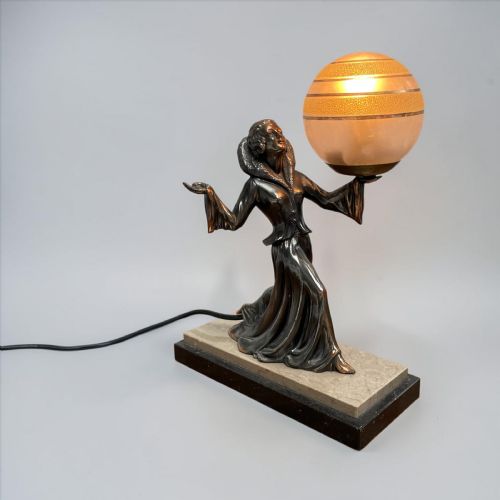
A 1920s glass sculpture captures the streamlined aesthetic of the interwar years, spanning decorative figures and functional lighting. The selection on this page relies heavily on car mascots, table lamps, and freestanding statuettes.
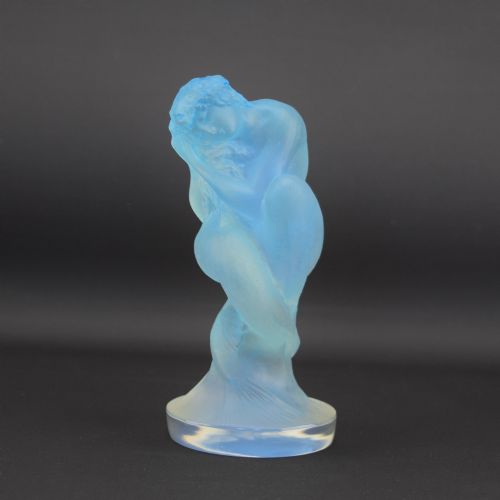
Moulded and opalescent pieces dominate the offerings, frequently paired with bases of wood, marble, or spelter metal mounts. Figures range from figurative female dancers and mythological subjects to animals and insects.
Originating largely from the Art Deco period, these works display the characteristic vigour of the 1920 and 1930 decades. Collectors encounter everything from large lamp work glass snakes to monumental car mascots designed for vehicle bonnets.
How they were made
Makers utilised hot and cold glass techniques, employing moulded glass and frosted finishes to catch the light effectively. Opalescent glass creates shifting colour tones as the angle of illumination changes across the surface.
Many sculptural components combined glass bodies with metal elements such as spelter or bronze, mounted securely onto marble or wooden plinths. Lamp work methods produced delicate, detailed forms like slender glass snakes through direct heat manipulation.
1920s Glass Sculpture Retail Price Guide 2026
Typical asking prices for 1920s glass sculpture among the pieces listed under this phrase on Sellingantiques today, from the lower quarter to the upper quarter. They describe what is for sale here now, not the wider market.
Listings feature moulded glass, frosted glass, and opalescent glass, alongside structural elements in wood, marble, and spelter.
What varies in quality
Depth of moulding and the crispness of surface detail distinguish finer examples from standard production pieces. The subtlety of the opalescent effect and the smoothness of the frosted finish dictate visual impact.
The integration between the glass figure and its base material, whether marble, wood, or metal mounting, influences the overall balance of the object. Degree of definition in complex subjects like animal plumage or human anatomy reveals the maker's skill.
Rene Lalique·Bimini
The 1920s Glass Sculpture Glossary
- Opalescent glass
- Glass that displays a milky, translucent appearance with milky-blue or amber highlights when lit. This optical effect shifts depending on the direction of the light source.
- Frosted glass
- Glass treated to achieve a textured, matte surface rather than a transparent finish. This technique diffuses light softly across sculptural contours.
- Car mascot
- A decorative ornament mounted on the radiator cap of a motor vehicle during the early twentieth century. Many glass examples were later repurposed for interior display.
- Spelter
- An alloy of zinc and other metals often used as a cheaper alternative to bronze for casting figures and bases. It frequently received a patinated finish to resemble heavier metals.
- Lamp work
- A technique where a torch or lamp is used to melt and shape glass rods and tubes. This allows artisans to create intricate, smaller-scale sculptural figures.
1920s Glass Sculpture: Frequently Asked Questions
What is a car mascot?
A car mascot is an ornamental hood ornament fitted to motor vehicles during the early twentieth century. Many were produced in heavy moulded glass to catch the sunlight while driving.
Today, these objects are detached from their automotive origins and displayed on desks or shelves as standalone sculptures.
How do I clean my glass sculpture?
Cleaning requires a soft, dry cloth to remove dust from textured and frosted surfaces. Avoid harsh chemical cleaners that might damage delicate patination or mounts.
Water should be used sparingly, particularly if the glass is joined to wood, marble, or metal bases that could rust or warp.
Are these pieces from the Art Deco period?
The majority of pieces date from the 1920s and 1930s, embodying the distinct stylistic markers of Art Deco design. Clean geometric lines and stylised depictions of animals and humans are typical.
Some items combine glass with bronze, spelter, or marble, reflecting the mixed-media approach popular among makers of the era.
How should I display a lamp?
Table lamps require placement where the internal bulb can illuminate the glass body effectively. Placing them away from direct foot traffic protects delicate protruding elements.
Ensuring the wiring meets current safety standards is essential if the lamp is used for daily illumination.