

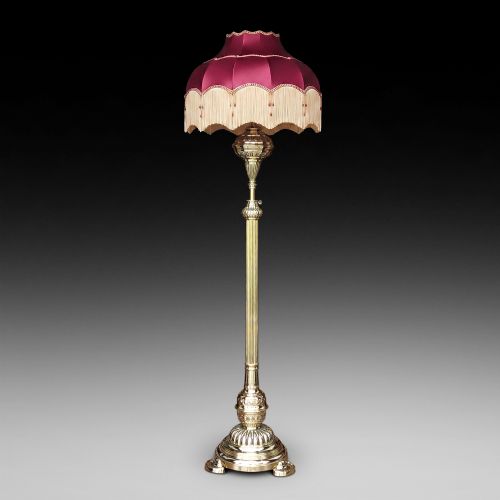
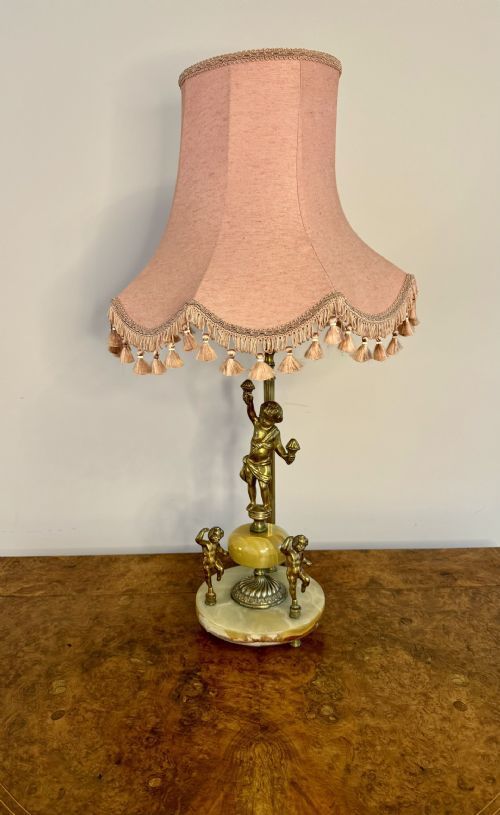
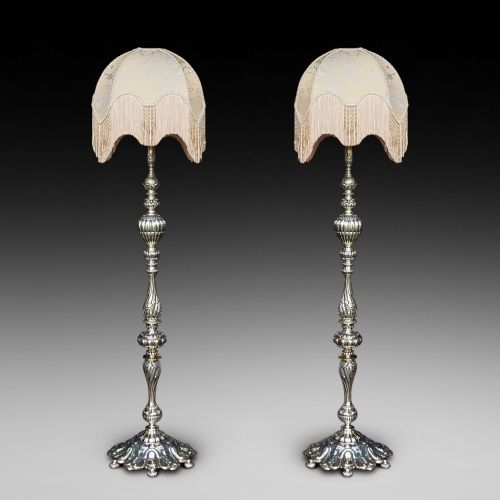
Fringed Shade Lamp
A fringed shade lamp brings textural warmth and soft illumination to a room, drawing on decades of decorative history from the Victorian era to Art Deco.
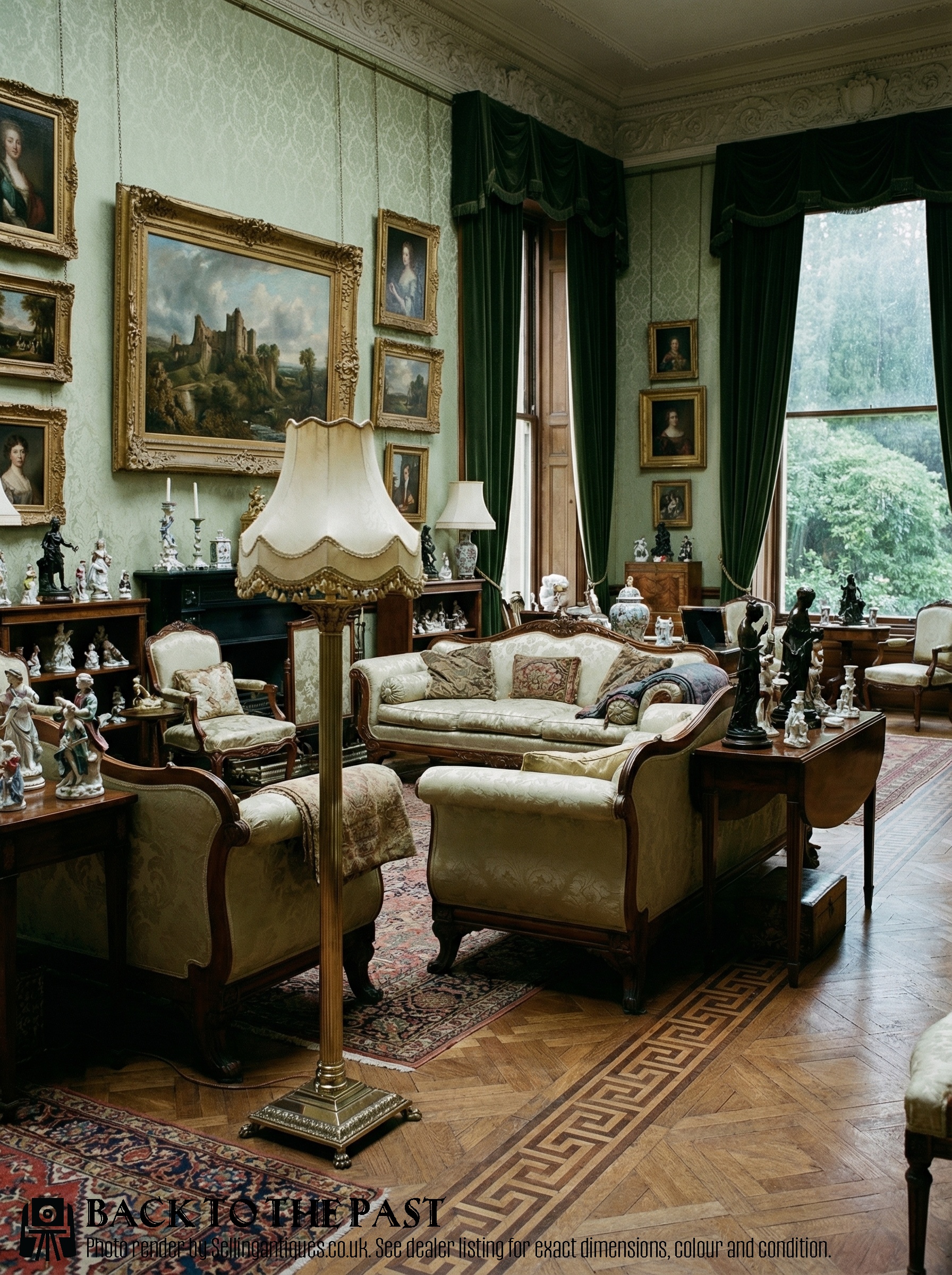
Fringed Shade Lamp
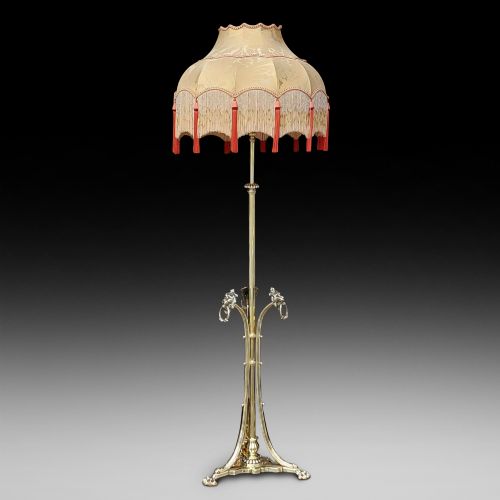
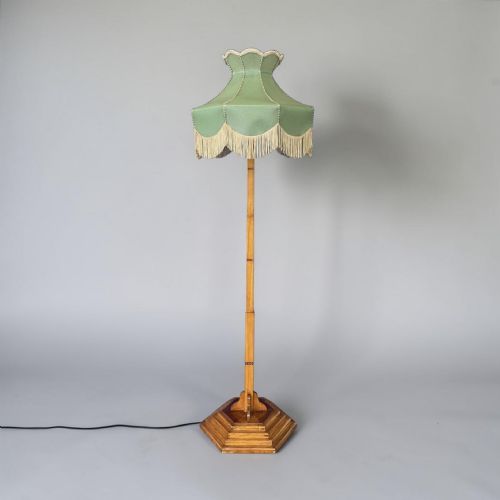
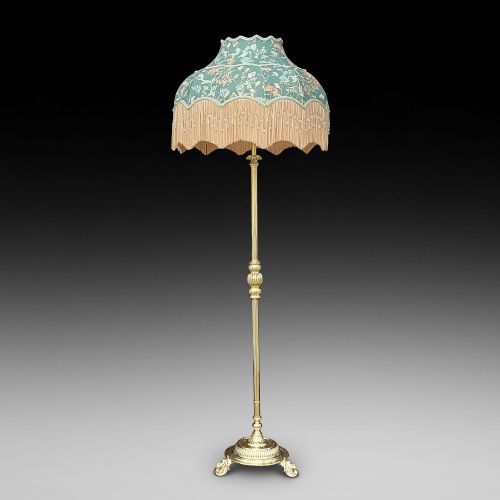
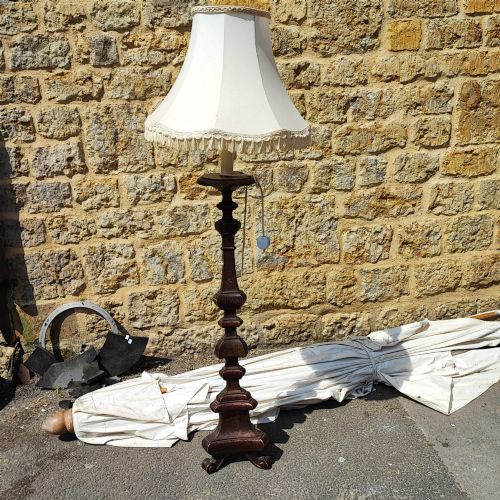
A fringed shade lamp encompasses table lamps, floor lamps, and standard lamps produced across the nineteenth and early twentieth centuries. These pieces originate from periods including the Victorian, Edwardian, and Art Deco eras.
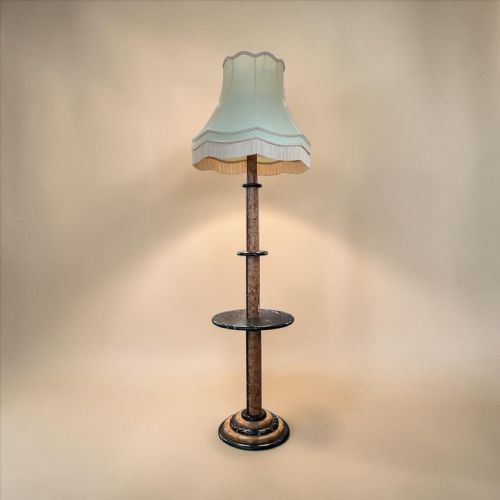
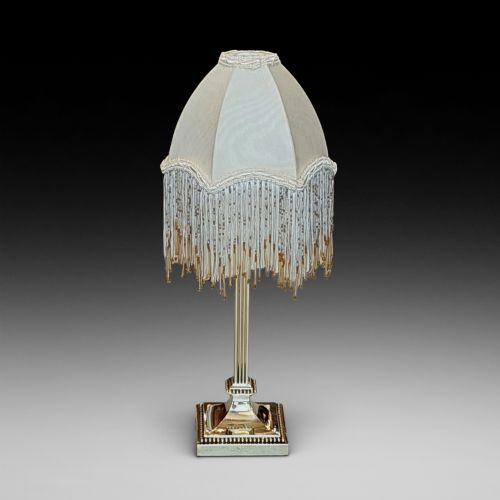
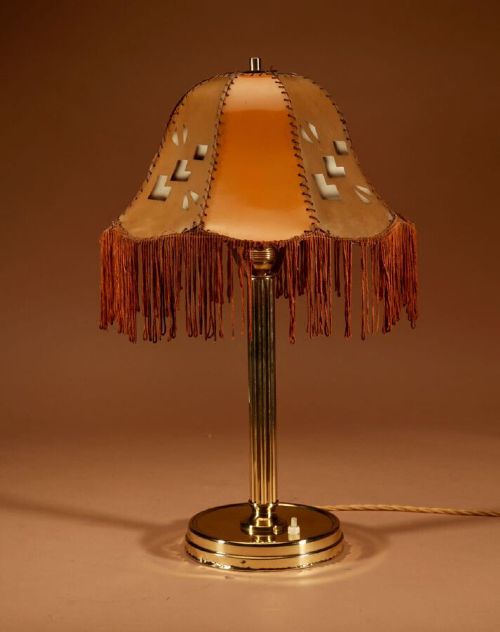
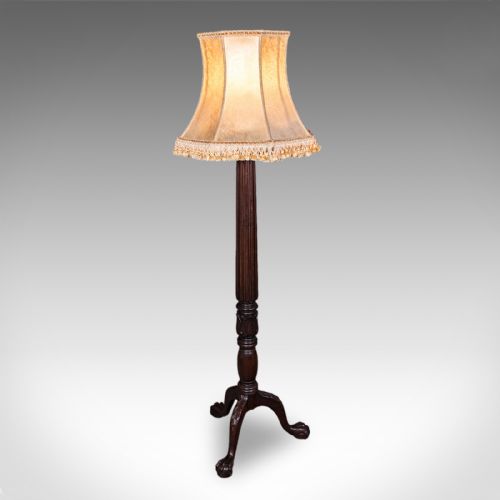
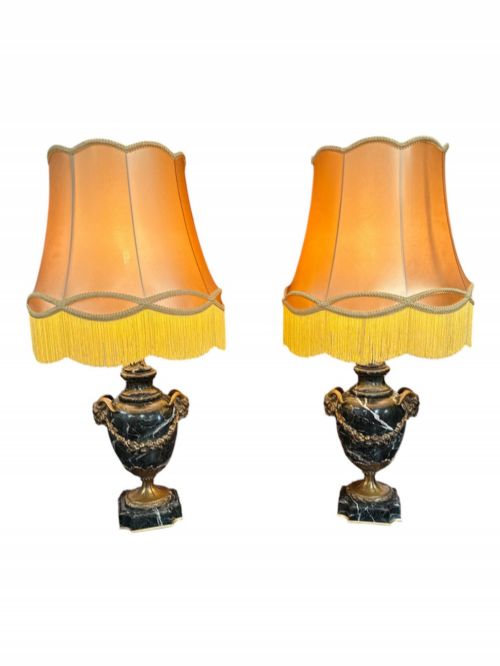
The most common examples encountered on this page combine sturdy bases in brass, marble, or carved mahogany with textile or beaded shades. Many standard and oil lamps from the Victorian and Edwardian periods have been converted to electricity for modern interiors.
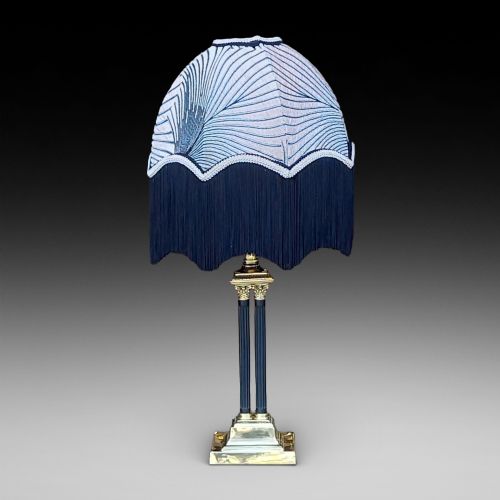
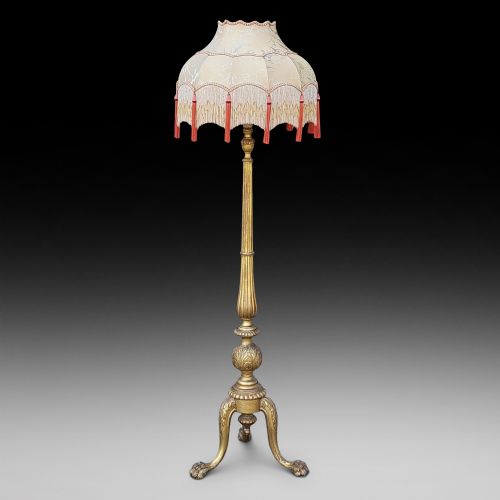
Makers and designers drew on stylistic revivals such as Neoclassical, Gothic, and Art Nouveau, resulting in works ranging from Corinthian column standards to ornate brass floor lamps.
What varies in quality
The distinction between standard production and superior work lies in the weight of the metal casting and the precision of the carved timber. Heavy brass components, detailed floral openwork, and solid marble plinths indicate higher grade manufacture.
Craftsmanship in the secondary details, such as the complexity of the column capitals and the integrity of the original shade materials, separates ordinary examples from exceptional surviving pieces.
Several lamps double as serpents, eagles, or cherubs, proving that Victorians believed every corner needed a watchful mythological creature.
Hinks of B'ham
The Fringed Shade Lamp Glossary
- Standard lamp
- A tall floor-standing lamp designed to illuminate a room from a standing position. These often feature adjustable heights and heavy weighted bases.
- Corinthian column
- A classical architectural column style frequently utilised for lamp standards and table lamps, characterised by ornate acanthus leaf capitals.
- Cold painted
- A technique where bronze or metal figures are painted with non-fired oil paint. This finish appears frequently on nineteenth-century animal and figural lamps.
- Toleware
- Painted or enamelled metalware, typically tin, used for decorative lamp bases and shades. It provides a durable surface for applied floral and Chinoiserie motifs.
Fringed Shade Lamp: Frequently Asked Questions
Are these lamps converted to electricity?
Many older pieces, particularly Victorian and nineteenth-century oil lamps and candlesticks, have been adapted for modern electrical use. This conversion allows period bases to function safely in contemporary settings.
Buyers should inspect the wiring and fittings to ensure compliance with current standards while retaining the original historical structure.
How do I identify an Edwardian standard lamp?
Edwardian examples frequently exhibit neoclassical influences, including slender brass columns, Corinthian capitals, and stepped square bases. Woods like satinwood and mahogany also appear during this period.
The overall aesthetic tends to balance decorative ornamentation with lighter proportions compared to heavy Victorian designs.
What materials are common in these lamps?
Brass is the predominant metal used for columns and standard lamp bases, often paired with marble, onyx, or carved mahogany. Shades utilise silk, vellum, fabric, and beadwork.
Gilt bronze, giltwood, and wrought iron also feature across nineteenth and early twentieth-century pieces.
How do I place a floor lamp in a room?
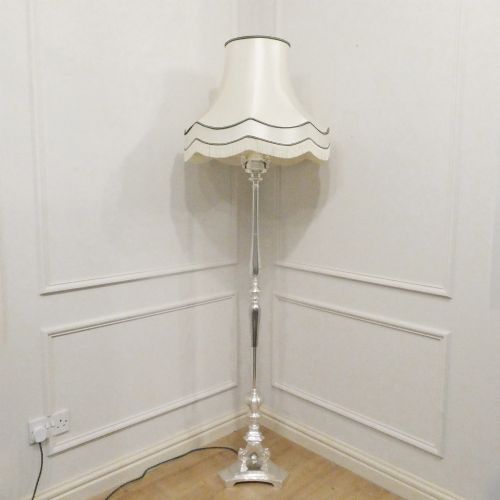
Standard and floor lamps work effectively in corners or beside seating areas to provide ambient or reading light. Their height helps balance low furniture and adds vertical interest.
Matching the period style of the lamp to surrounding decor, whether Art Deco or Edwardian, creates a cohesive interior scheme.