



Fretwork Carved Hall Table
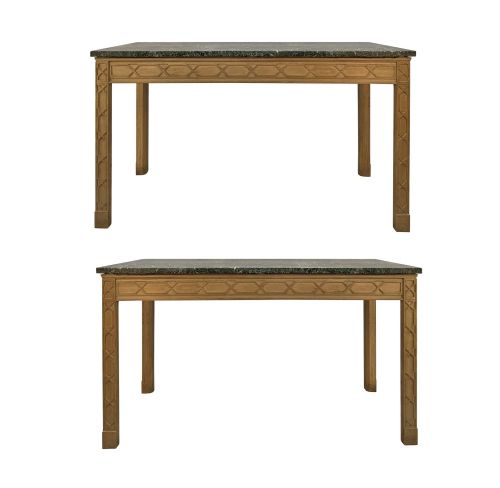
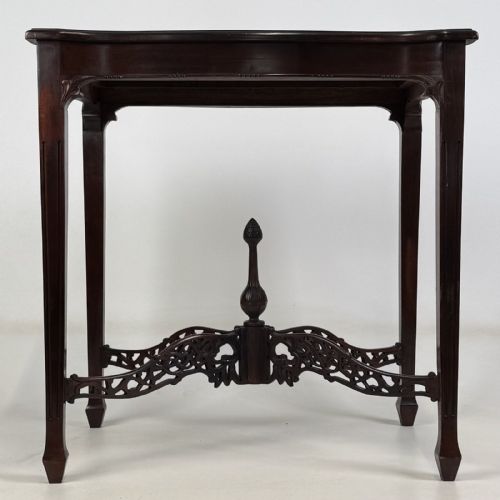
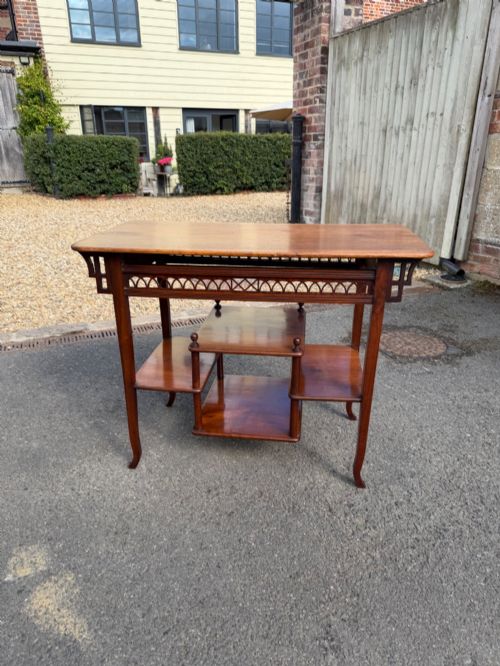
These fretwork carved hall table pieces bring intricate joinery and striking silhouettes to an entrance, offering both functional surface area and decorative presence.

Fretwork Carved Hall Table
A fretwork carved hall table combines practical surface utility with intricate pierced woodwork, drawing from styles like Chippendale, Arts and Crafts, and Qing Dynasty traditions. When searching for a fretwork carved hall table, buyers encounter a variety of forms ranging from traditional English console tables to oriental altar and lowboy tables.
The pieces available span multiple periods including the 18th century, Victorian era, Edwardian period, and early 20th century. Mahogany, oak, rosewood, and bamboo serve as the primary woods shaping these distinct hall and console forms.
Materials and construction methods
Cabinetmakers utilised dense timbers such as mahogany, rosewood, and oak to withstand the detailed pierced work characteristic of fretwork carving. Hardwoods and elm also appear, providing the structural stability necessary for intricate pierced aprons and slender legs.
Joinery techniques relied on traditional mortise and tenon construction to support complex decorative elements without compromising the load-bearing capacity of the table top. Skilled hands shaped bamboo and lacquer in specific Asian and Anglo-Indian variants to achieve lighter, organic silhouettes.
Fretwork Carved Hall Table Retail Price Guide 2026
Typical asking prices for fretwork carved hall table among the pieces listed under this phrase on Sellingantiques today, from the lower quarter to the upper quarter. They describe what is for sale here now, not the wider market.
Some tables carry the subtle dust of centuries, having quietly held visiting cards since the reign of Queen Victoria.
Assessing quality in carved tables
The crispness and depth of the pierced carving define the upper echelon of these tables, where individual openings show sharp interior angles and clean lines. Superficial or soft detailing often indicates mass production or later decorative additions.
Selection of figured timber and the integrity of original joints separate exceptional examples from standard utilitarian pieces. Grain matching across the top and aprons demonstrates the maker's commitment to visual harmony.
Butler
The Fretwork Carved Hall Table Glossary
- Fretwork
- Ornamental perforated woodwork created by piercing a solid board with a fretsaw. This technique allows light to pass through intricate geometric or organic patterns.
- Console table
- A table designed to stand against a wall, frequently secured to it with brackets. These pieces typically feature decorative front legs while relying on wall support or rear legs for stability.
- Altar table
- A traditional Asian table form featuring upturned flange ends and open carved spandrels. They serve as statement console pieces in contemporary interiors.
- Chippendale
- A style of 18th-century English furniture characterised by Rococo, Chinese, and Gothic motifs. Revivals of this style recurred frequently during the Victorian and Edwardian periods.
Fretwork Carved Hall Table: Frequently Asked Questions
Where should I place a hall table?
These tables fit naturally in narrow entryways, hallways, or living spaces where surface space is needed without blocking thoroughfares. Their slender profiles allow them to sit flush against walls.
Positioning one beneath a mirror or artwork creates a balanced focal point upon entering a home.
How do I care for antique mahogany?
Keep wooden surfaces away from direct sunlight and heat sources to prevent the timber from drying out or fading. Regular dusting with a soft, dry cloth preserves the original polish.
Avoid silicone-based polishes, opting instead for traditional beeswax applied sparingly when the wood appears dry.
What defines Chippendale revival furniture?
Chippendale revival pieces draw direct inspiration from 18th-century designs, featuring characteristic fretwork, cabriole legs, and ball-and-claw feet. Makers during the Victorian and Edwardian eras reinterpreted these classical motifs.
These later iterations demonstrate the enduring appeal of intricate pierced carving and balanced proportions.
Can I use an altar table in a modern hall?
Oriental altar tables introduce clean lines and distinctive upturned ends that contrast effectively with contemporary interiors. Their narrow depths make them ideal alternatives to standard console tables.
Placing one in a hallway provides an immediate architectural anchor and a convenient surface for everyday items.