

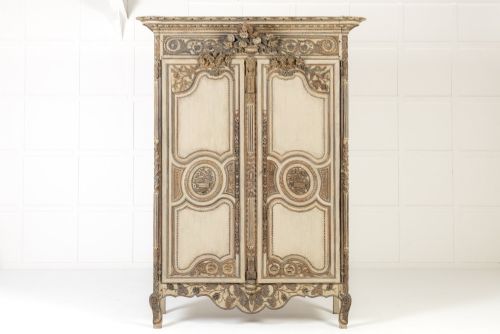


French Wooden Wardrobe
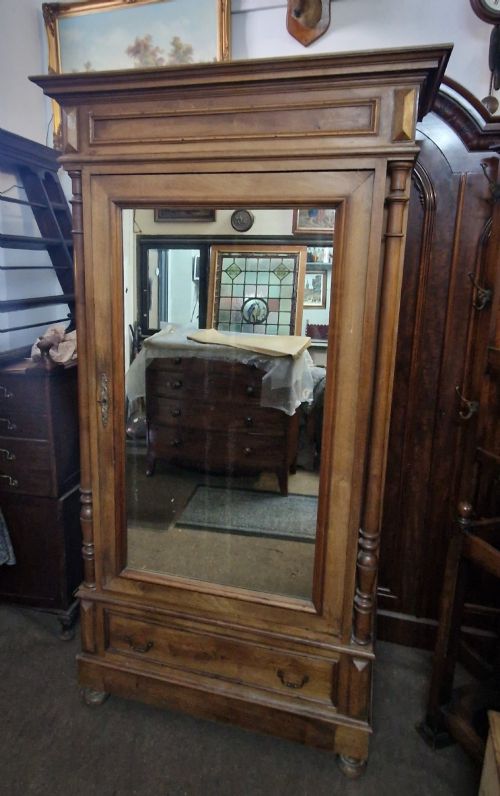
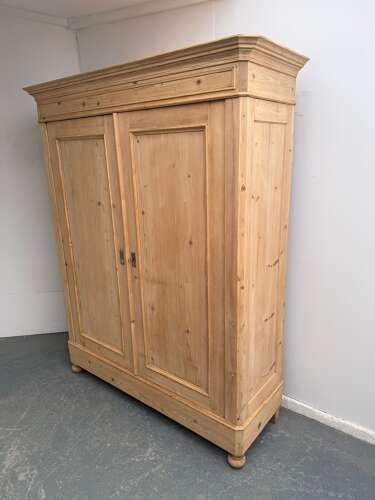
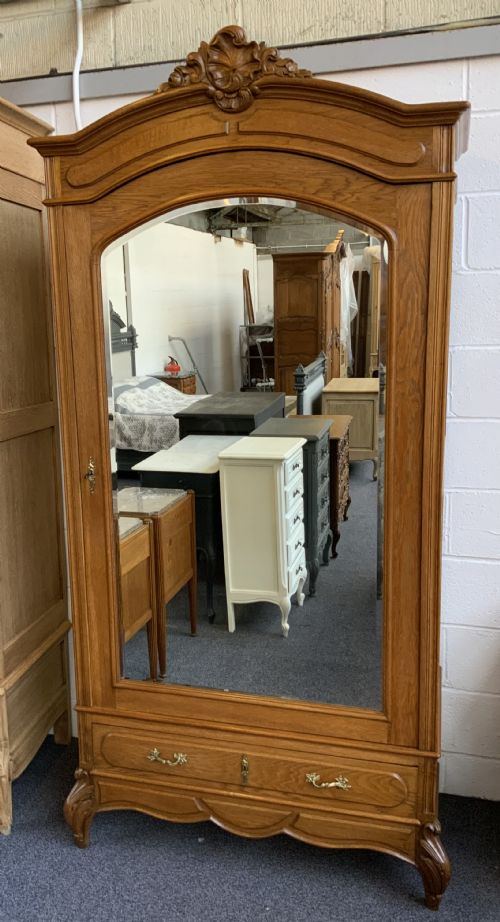
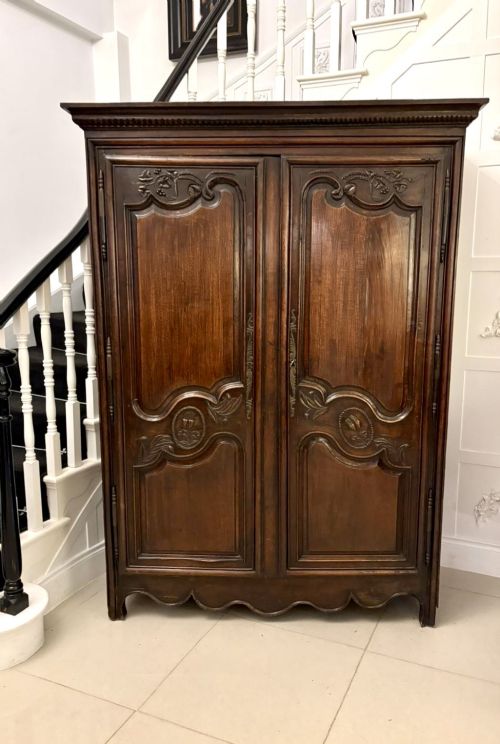
A french wooden wardrobe offers generous storage, bringing character and scale to a bedroom through traditional regional craftsmanship and timber.
French Wooden Wardrobe
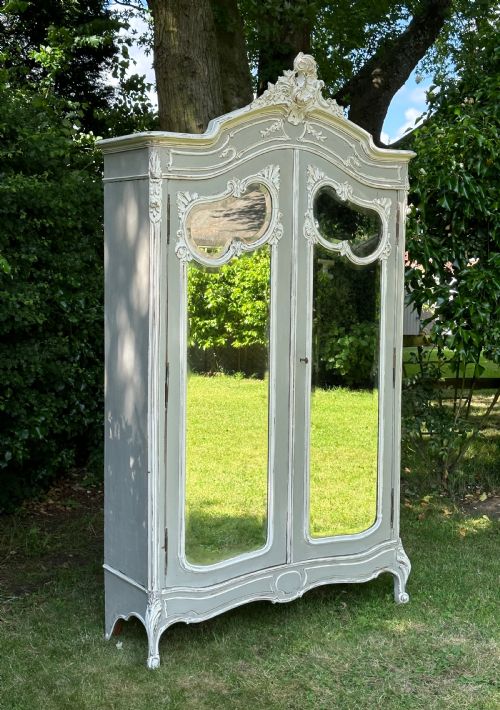
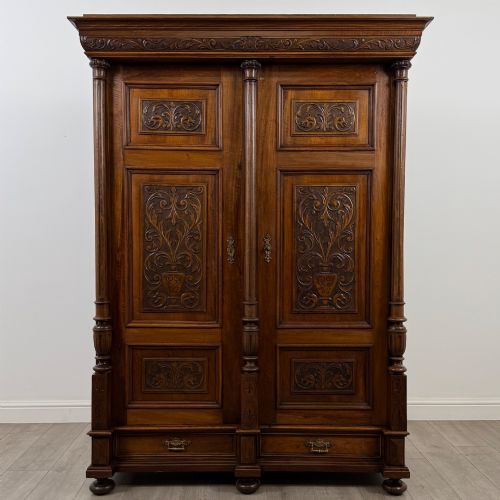
A french wooden wardrobe encompasses large armoires, linen cupboards, and travel trunks built to house clothing and textiles. These pieces range from substantial provincial country cupboards to grand architectural cabinets designed for formal interiors.
The versions most commonly met on this page span the eighteenth and nineteenth centuries, alongside early twentieth-century examples. Oak, walnut, and pine predominate, reflecting the regional forestry and joinery traditions of France.
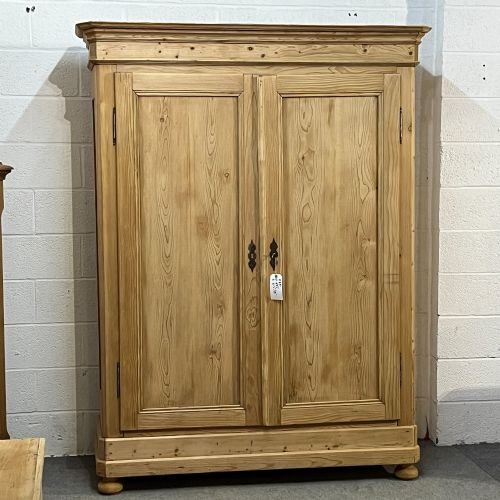
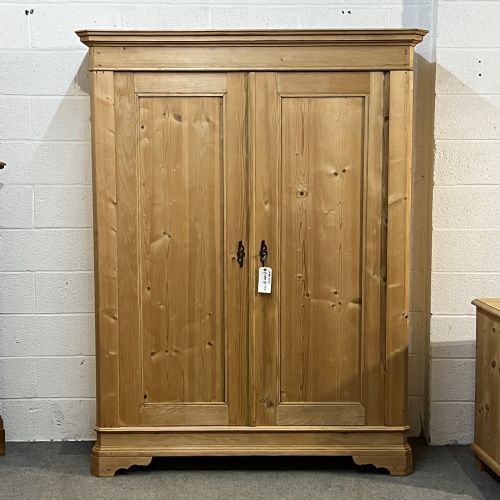
Formats vary from simple two-door pine presses to monumental carved walnut armoires with deep paneling. Some items arrive as modular pieces, utilising traditional peg construction so the cabinet can be dismantled for transport.
How they were made
Cabinetmakers constructed these wardrobes using solid regional timbers such as oak, walnut, cherry, and pine, joined with traditional mortise and tenon techniques. Panels were left free-floating within grooves to accommodate the natural expansion and contraction of the wood over time.
Hardware played an essential functional and decorative role, featuring forged iron hinges, brass escutcheons, and sliding bolts. Painted finishes were frequently applied to softer woods like pine, sometimes layered over earlier priming coats to protect the timber.
French Wooden Wardrobe Retail Price Guide 2026
Typical asking prices for french wooden wardrobe among the pieces listed under this phrase on Sellingantiques today, from the lower quarter to the upper quarter. They describe what is for sale here now, not the wider market.
Several travel trunks include canvas exteriors and brass locks designed to survive ocean liners and royal train journeys.
What varies in quality
The calibre of a french wooden wardrobe depends heavily on the crispness of the hand-carved ornamentation and the selection of the timber. Dense grain and well-figured walnut or quarter-sawn oak indicate superior material choice by the original maker.
Structural integrity relies upon the retention of original pegged joints and thick backboards rather than later reinforcement. Pieces that retain their original hinges, locks, and painted or polished surfaces demonstrate greater integrity.
The French Wooden Wardrobe Glossary
- Armoire
- A large freestanding cupboard or wardrobe, typically featuring two doors enclosing hanging space or shelving. Originating in France, these pieces often display regional architectural detailing.
- Breton
- Pertaining to the Brittany region of France, characterised by distinctive carved motifs and robust proportions. These cabinets frequently incorporate local folklore themes into their woodwork.
- Escutcheon
- A flat plate of brass or iron surrounding a keyhole. It protects the surrounding wood from wear and adds decorative contrast to the door panels.
- Flat pack
- An early form of knockdown furniture designed for easy transport. These pieces use wedge pins to secure panels without permanent glueing.
- Linen press
- A tall cupboard traditionally used for storing folded textiles and garments. They often combine upper shelving with lower drawer space.
French Wooden Wardrobe: Frequently Asked Questions
How do I assemble a flat pack armoire?
These historical knock-down wardrobes rely on numbered wooden pegs and wedge-tenons that slide into mating slots without modern metal screws. You align the side panels with the base and cornice, then tap the locking keys firmly into place.
Take care to support the heavy timber doors with a second person during hanging to prevent strain on the original iron hinges.
Are these wardrobes deep enough for modern hangers?
Many older French armoires were built for folded linen or shallow shelves rather than modern bulky clothing hangers. Some examples have modern hanging rails retrofitted into the interior depth.
Check the internal depth measurements in the listing to ensure standard clothes hangers will clear the closed doors.
How do I distinguish eighteenth-century oak from later copies?
Early pieces display hand-sawn timber marks, irregular peg placements, and deep patination accumulated through centuries of wax polishing. The joinery uses pegged mortise and tenon construction executed entirely by hand.
Later reproductions often show uniform machine milling marks and lack the natural wear patterns around the primary handles and keyholes.
Can I paint a polished walnut wardrobe?
Applying paint over antique polished walnut alters the historical finish and removes the visible grain structure. Many period pieces were originally left in their natural timber state or waxed.
If the surface is already painted, subsequent layers of modern breathable paint can be applied after proper preparation and priming.