

French Wooden Nightstands
French wooden nightstands bring practical continental charm to a bedroom, offering small-scale storage with distinct period character.
French Wooden Nightstands
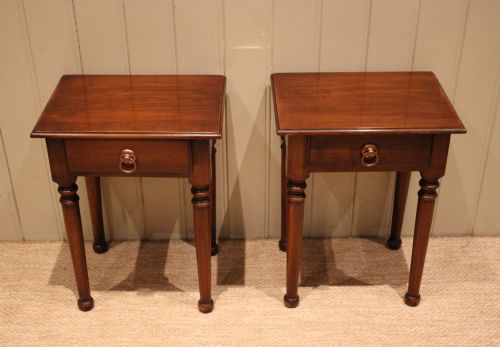
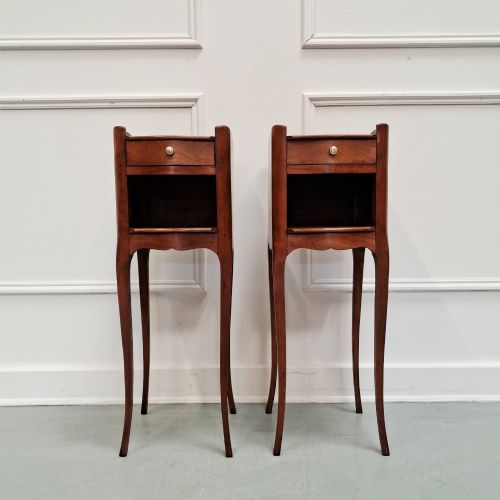
When you search for french wooden nightstands, you encounter a varied selection of compact bedside tables, cabinets, and lamp tables originating from continental workshops. These pieces span centuries of design, stretching from eighteenth-century examples to later twentieth-century iterations.
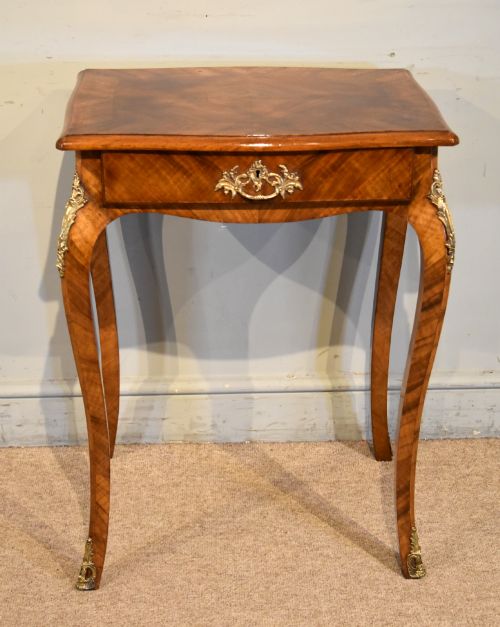
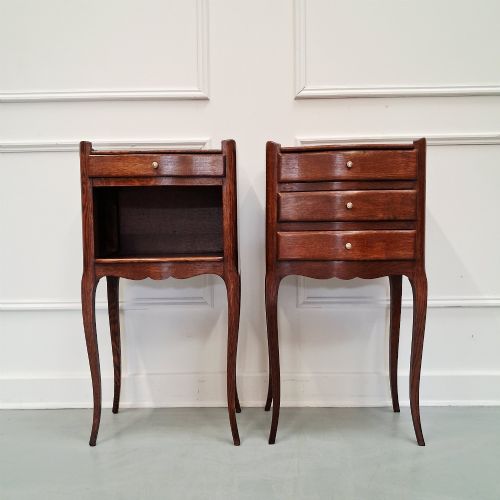
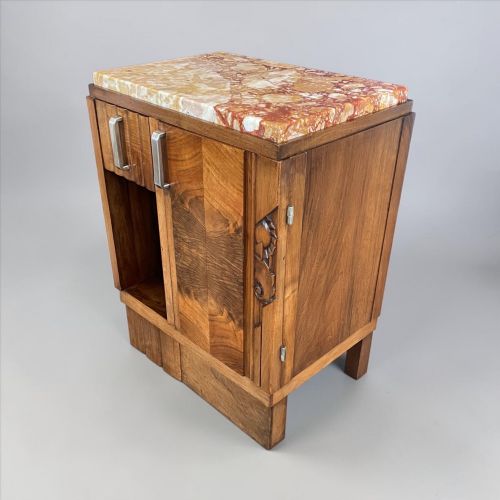
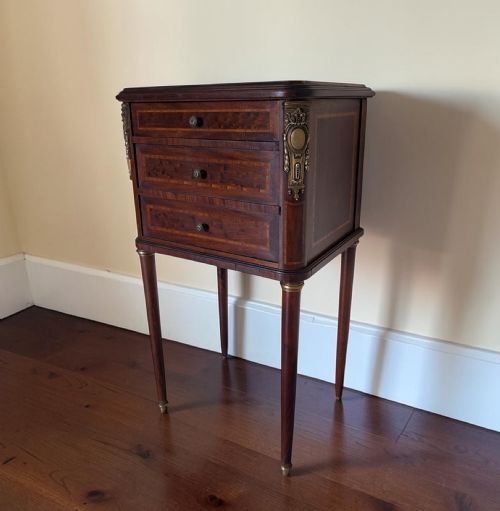
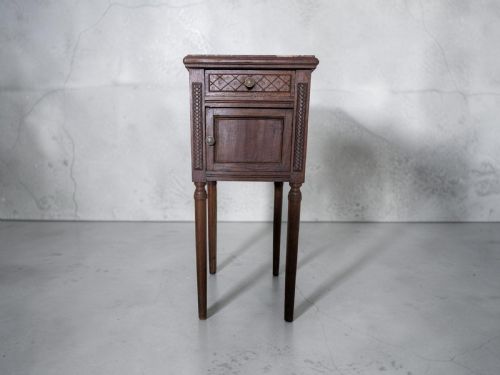
You are most likely to meet twentieth-century items dating from the nineteen-twenties and nineteen-thirties on this page, often constructed from walnut, kingwood, or oak. Many of these later pieces incorporate classical revival styles, echoing the curves of Louis XV and Louis XVI alongside geometric Art Deco lines.
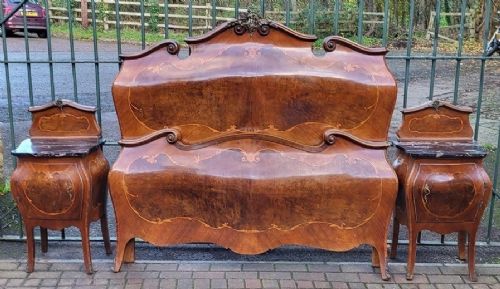
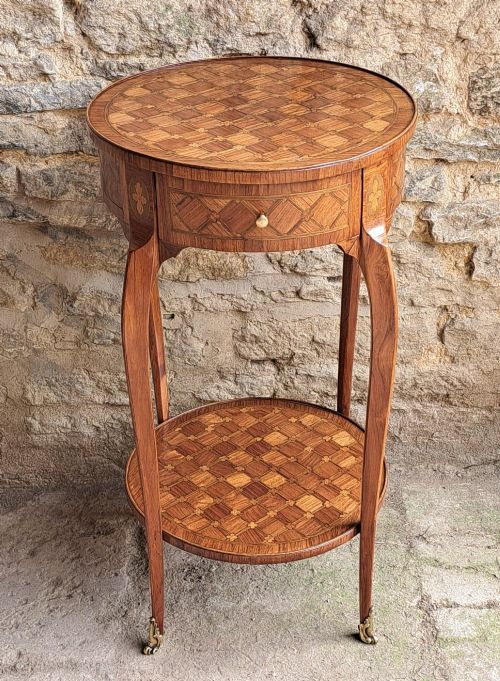
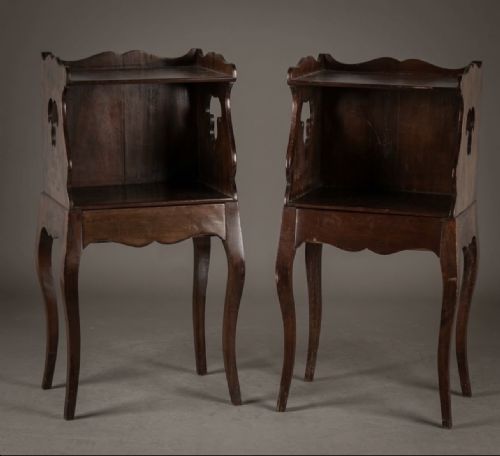
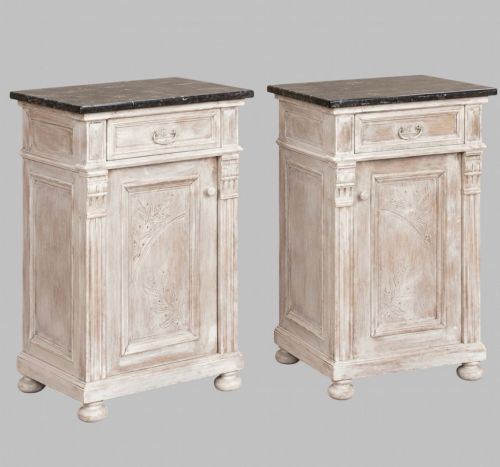
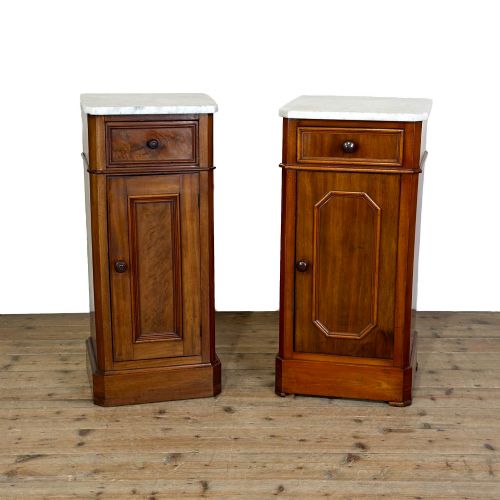
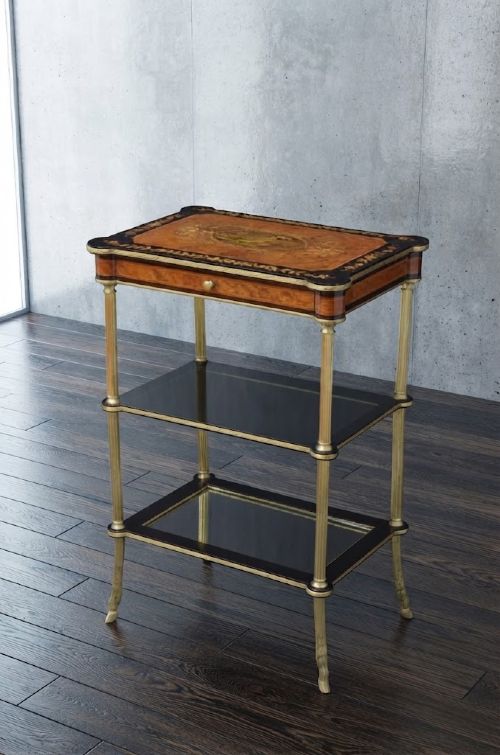
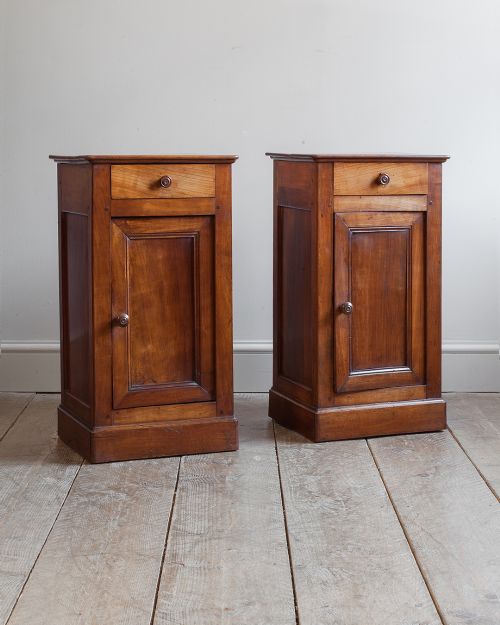
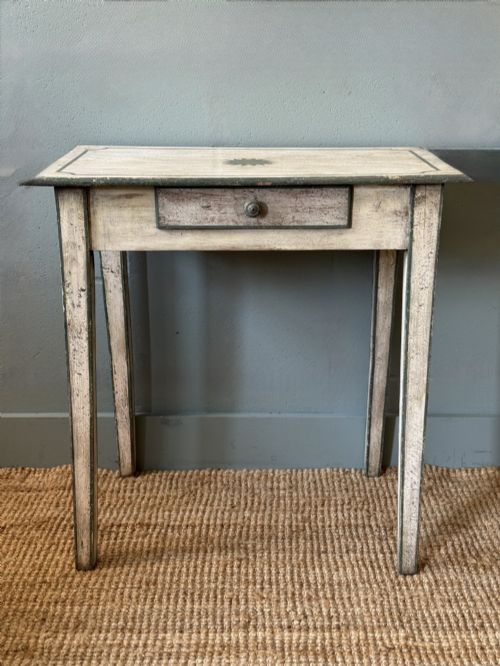
The assortment also includes nineteenth-century cupboards, painted tables, and marble-topped chests designed to sit beside a bed. These domestic items range from diminutive walnut end tables to parquetry-inlaid lamp tables with distinct provincial or chateau origins.
Materials and construction
Cabinet makers utilised a rich palette of timbers, pairing structural woods like oak and walnut with decorative veneers such as kingwood, fruitwood, and burr walnut. Inlays of marquetry and parquetry frequently decorate the top surfaces, showcasing precise geometric or floral patterns.
Many tables incorporate contrasting stone or metal elements, balancing wooden frames with smooth marble tops and cast brass or ormolu mounts. Ebonised finishes, faux bamboo turnings, and painted surfaces offer further variety in how these bedside pieces achieve their final decorative appearance.
French Wooden Nightstands Retail Price Guide 2026
Typical asking prices for french wooden nightstands among the pieces listed under this phrase on Sellingantiques today, from the lower quarter to the upper quarter. They describe what is for sale here now, not the wider market.
Several nineteenth-century makers cleverly disguised ordinary bedside storage as faux bamboo or kidney-shaped parquetry.
Judging the standard
The distinction between ordinary and superior pieces rests largely on the ambition of the timber work and the crispness of the carving. Master cabinet makers selected veneers with lively grain patterns and executed complex parquetry or marquetry with tight, seamless joints.
Hardware and secondary materials elevate certain items above standard production. The inclusion of heavy marble slabs, finely chased ormolu mounts, and solid secondary woods inside drawers indicates a higher tier of continental craftsmanship.
François Linke
The French Wooden Nightstands Glossary
- Marquetry
- Decorative veneer work arranged in pictorial or floral patterns. Craftsmen cut thin slices of various coloured woods to form intricate scenes across tabletops and cabinet doors.
- Parquetry
- Geometric wood inlay forming repeating patterns such as cubes or chequered lines. This technique provides a structured, architectural surface texture to the top of a side table.
- Ormolu
- Gilded bronze mounts applied to furniture for decorative accent. These metal ornaments often frame corners, drawer pulls, or legs on finer nineteenth-century cabinets.
- Kingwood
- A dense, richly figured tropical timber prized in French cabinet making. Its dark purple-brown tones with lighter streaks make it a staple of luxury bedside chests.
- Etagere
- An open tiered shelving unit used for display or bedside storage. These pieces frequently feature mirrored tiers or turned wooden supports.
French Wooden Nightstands: Frequently Asked Questions
What periods do these bedside tables cover?
These pieces span from the eighteenth century through the Victorian era and into the nineteen-thirties. You will find items representing both formal revival styles and simpler provincial workshops.
Twentieth-century pieces from the interwar decades appear frequently, alongside nineteenth-century walnut and mahogany cabinets.
Did French nightstands always have marble tops?
Marble tops were common on many French bedside cabinets, particularly those dating from the nineteenth and early twentieth centuries. The stone provided a durable, wipe-clean surface for water jugs and lamps.
Other examples relied entirely on polished wooden tops, sometimes enhanced with marquetry, parquetry, or leather inserts depending on the style.
How do I fit a vintage nightstand into a modern bedroom?
These compact tables function easily beside contemporary low beds, adding warmth and texture through natural wood grains. Their varied heights and surface areas accommodate modern lighting and bedside reading.
Pairing mismatched pieces or combining marble-topped cabinets with minimalist decor creates a layered, collected interior.
How can I distinguish Louis XV style from Art Deco?
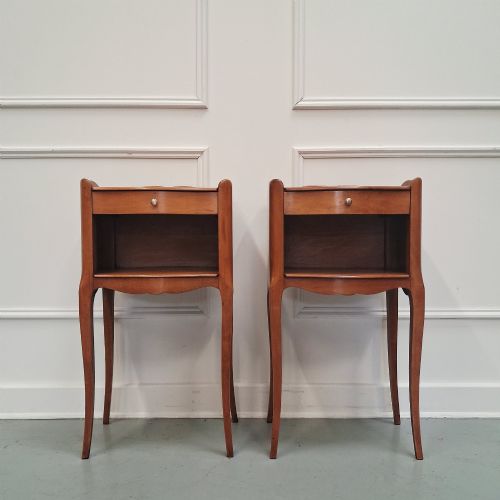
Louis XV style pieces feature flowing cabriole legs, serpentine fronts, and organic rococo carvings inspired by eighteenth-century court furniture. Ormolu mounts and floral marquetry are typical.
Art Deco examples, by contrast, favour streamlined silhouettes, symmetrical geometry, and sleek polished veneers without the theatrical curves of earlier revival periods.