


French Wood Table
A French wood table brings provincial warmth and formal elegance into a room through centuries of skilled carpentry.
French Wood Table
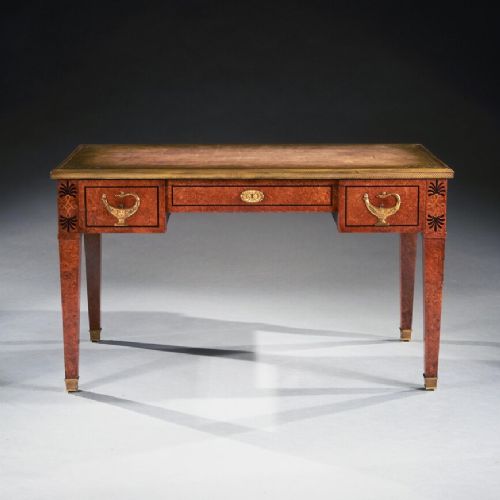
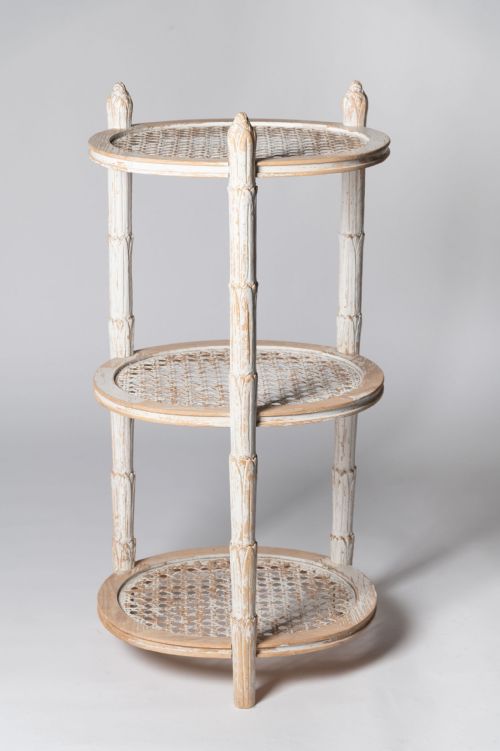
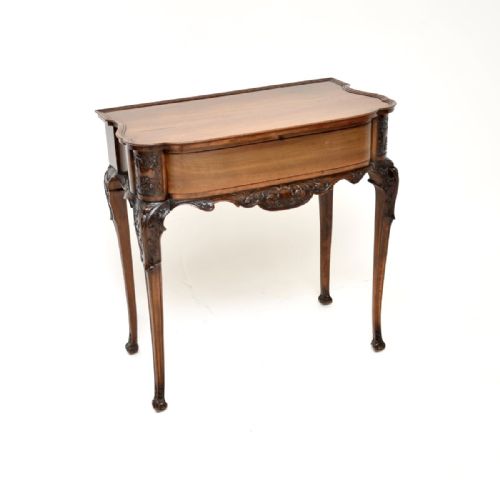
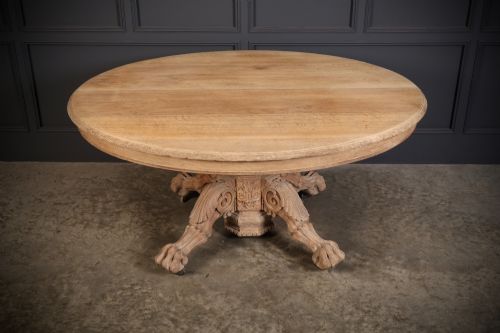
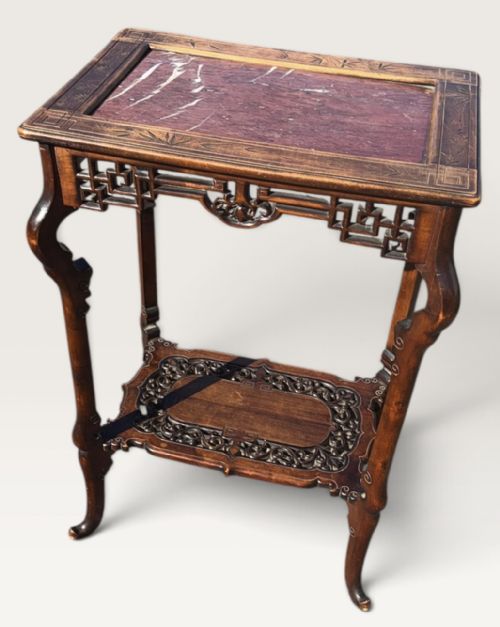
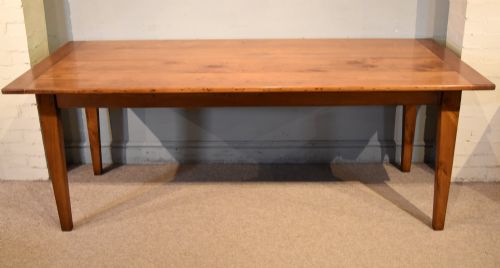
A french wood table encompasses diverse forms ranging from large oak and cherry wood farmhouse dining tables to refined kingwood and walnut writing desks.
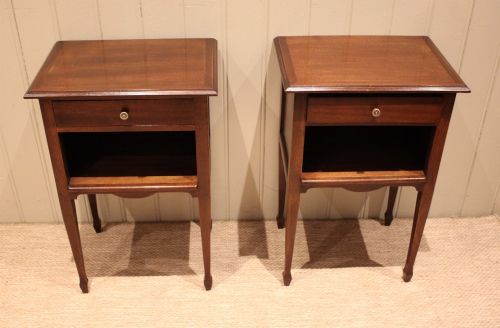
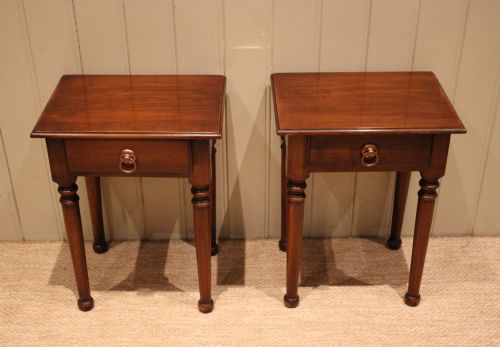
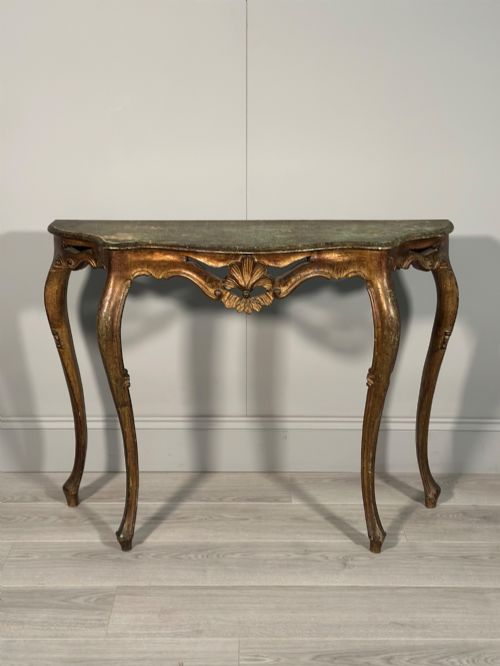
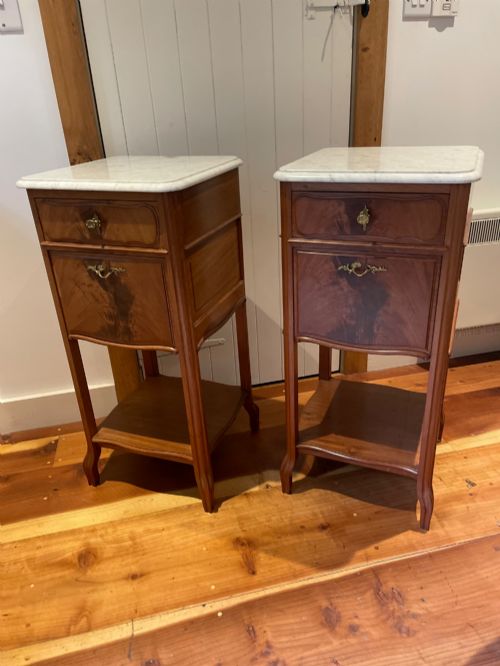
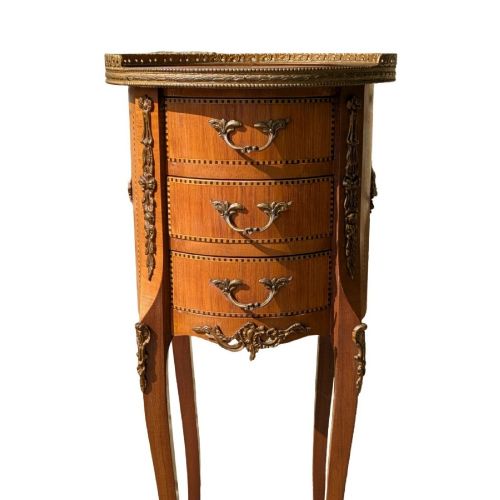
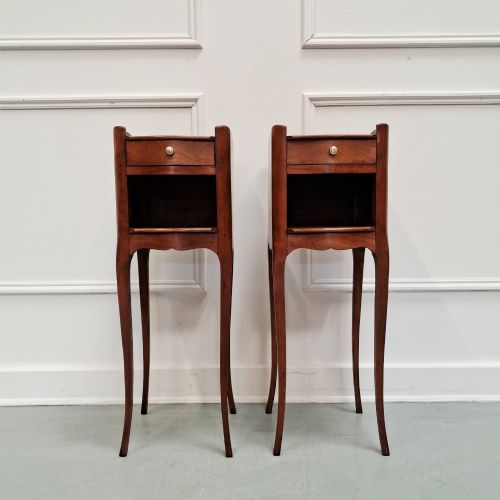
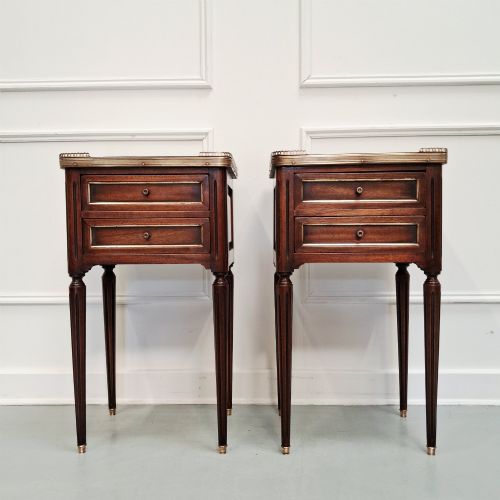
Buyers frequently encounter robust laundry and prep tables alongside decorative console tables, occasional pieces and matching pairs of bedside cabinets.
These items span periods from the eighteenth century through the nineteenth century and into the early twentieth century, reflecting distinct regional and stylistic traditions.
Judging Quality
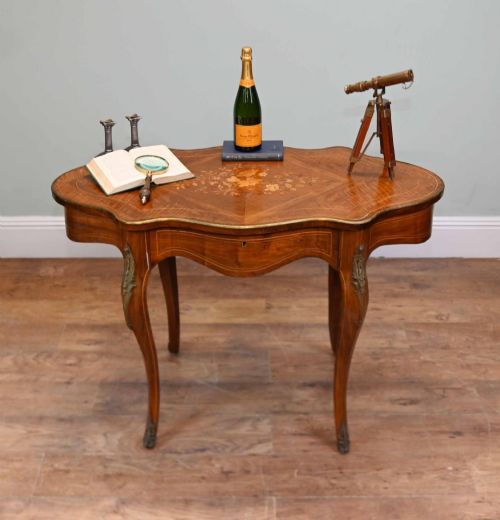
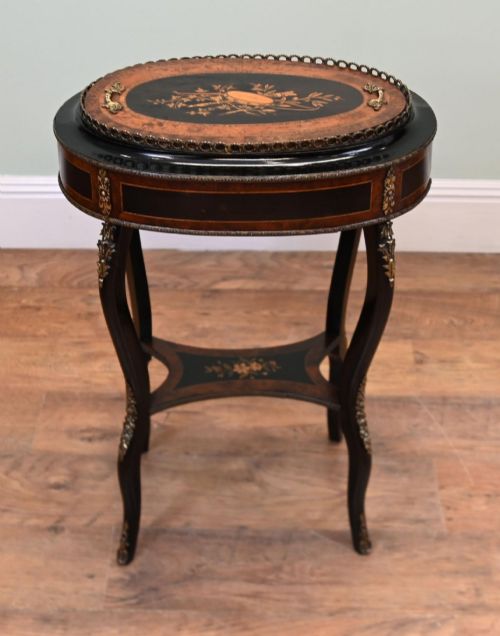
The standard of a piece depends heavily on the crispness of the hand carving and the precision of the wood inlay.
Original timber surfaces, genuine period hardware and integrated structural joinery elevate certain examples above standard workshop output.
French Wood Table Retail Price Guide 2026
Typical asking prices for french wood table among the pieces listed under this phrase on Sellingantiques today, from the lower quarter to the upper quarter. They describe what is for sale here now, not the wider market.
Pieces span several eras, recording items from the eighteenth century, the Victorian period, and Edwardian decades.
Felix Alfred Ternisien
The French Wood Table Glossary
- Kingwood
- A dense, richly grained exotic timber frequently utilised for decorative veneer and marquetry on fine eighteenth and nineteenth century furniture.
- Ormolu
- Gilt-bronze mounts cast and chased by hand to adorn the corners, legs and aprons of high-status tables and desks.
- Marquetry
- The art of applying small pieces of veneer to a structure to form decorative patterns, pictorial scenes or floral motifs.
- Refractory
- A long, narrow dining table design originally used in large halls and monastic settings, constructed with sturdy stretcher bases.
- Chevet
- A small bedside table or locker common in French domestic interiors, often fitted with drawers and open compartments.
French Wood Table: Frequently Asked Questions
How do I clean a wood table surface?
Dust regularly with a dry cloth and occasionally nourish the timber using a traditional beeswax polish. Avoid placing hot items or liquid directly onto antique wooden finishes.
Harsh chemical cleaners can strip historical patination and damage delicate veneers or painted surfaces. Gentle maintenance preserves the natural ageing of the wood.
Were these tables used in kitchens?
Many large farmhouse and laundry tables served practical daily purposes in busy domestic kitchens and preparation rooms. Sturdy fruitwood and oak surfaces endured heavy domestic labour over generations.
Other lighter forms, such as console tables and writing desks, belonged in formal salons and private studies rather than working areas.
Can I use an antique table daily?
Solid hardwood dining and work tables suit regular daily use when protected from moisture and extreme temperature fluctuations. Simple coasters and protective pads prevent surface marks during meals.
More delicate occasional tables with fine marquetry require greater care to avoid scratching or sun fading on vulnerable wood veneers.