
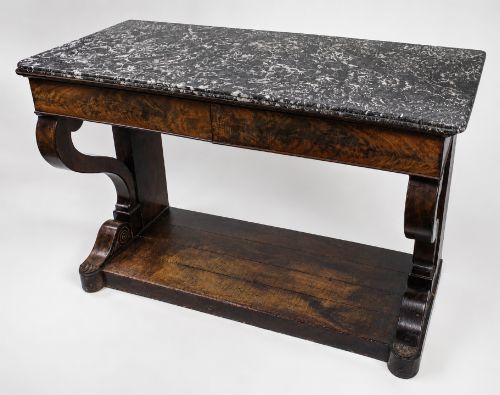
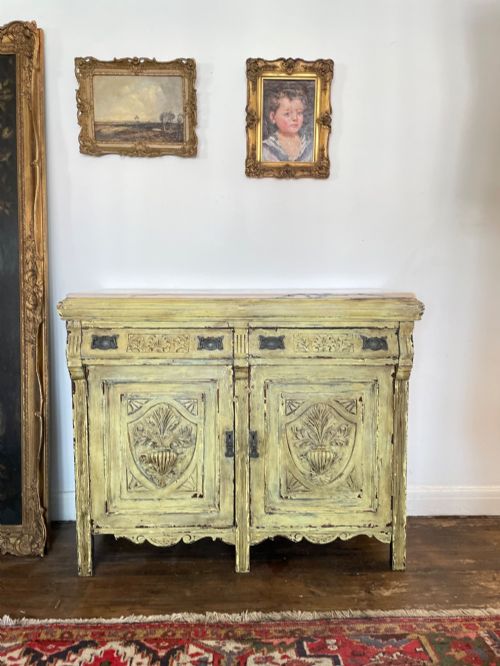
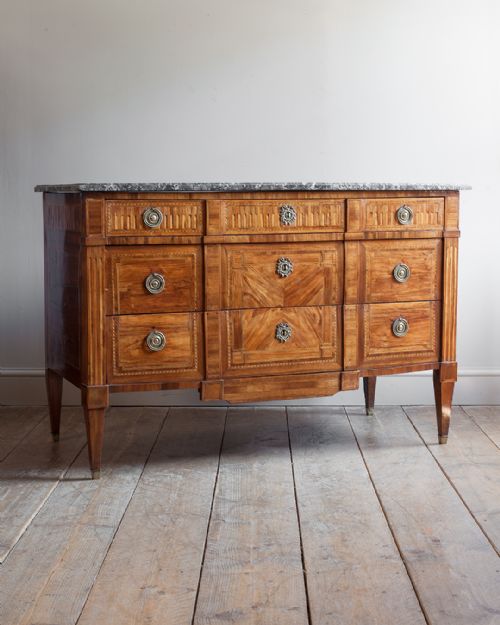
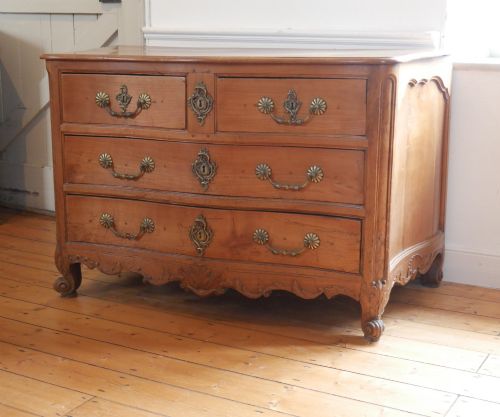

French Wood Sideboard
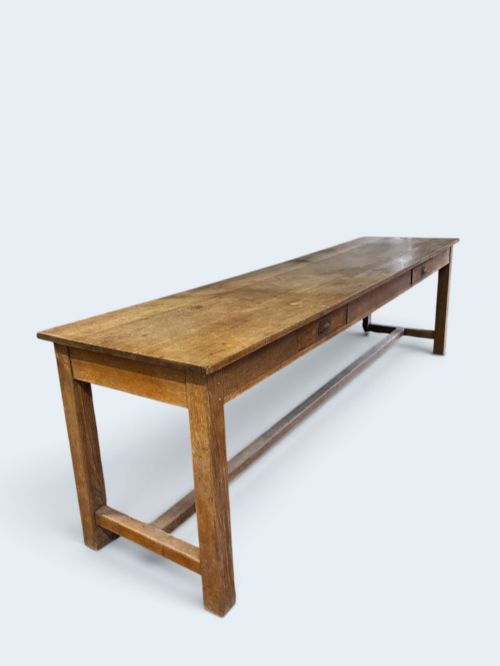
When you search for a french wood sideboard, you encounter substantial storage furniture spanning provincial oak and inlaid walnut.
French Wood Sideboard
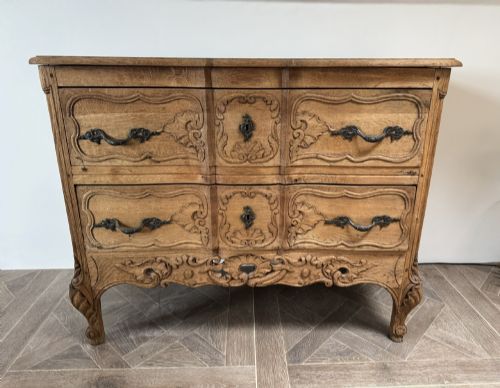
A french wood sideboard encompasses a wide variety of storage furniture including buffets, enfilades, commodes, and credenzas. These pieces serve practical functions in dining rooms and living spaces while displaying regional decorative traditions from across France.
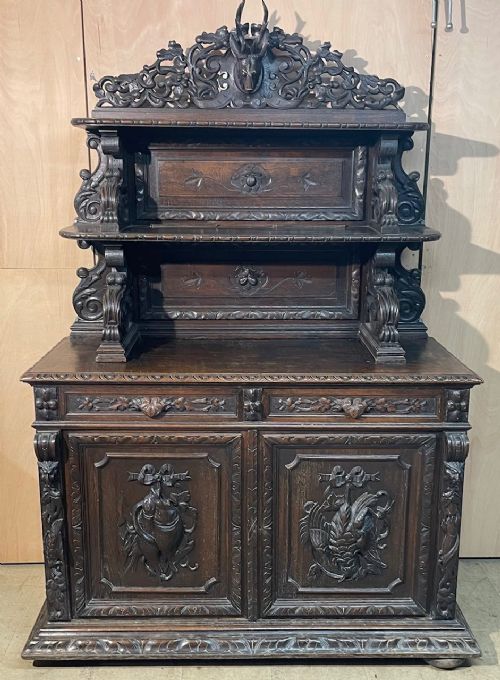
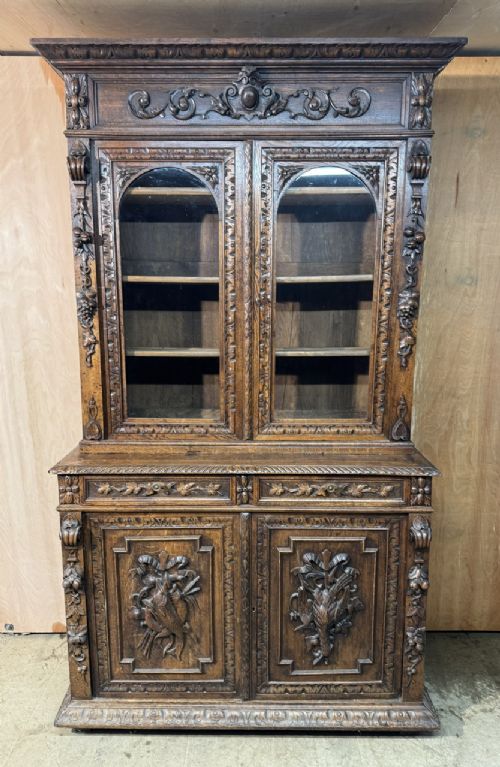
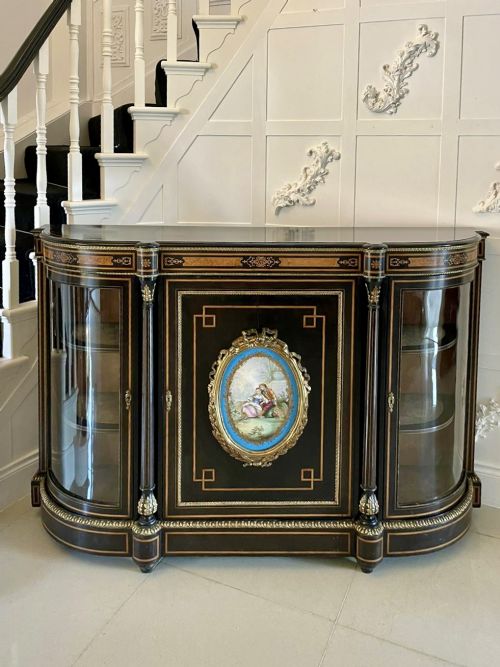
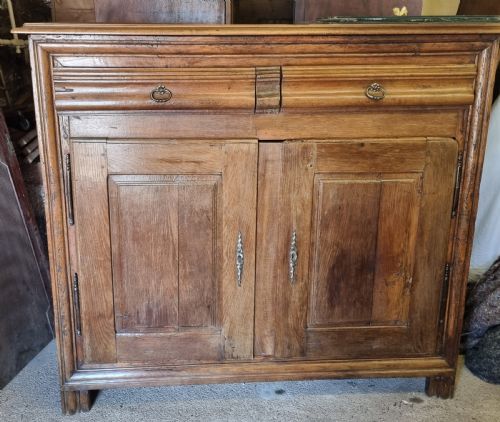
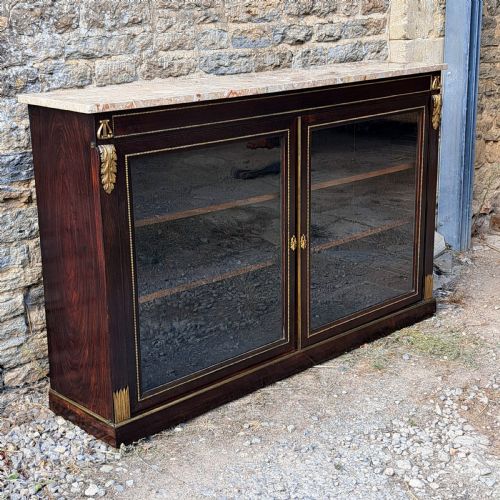
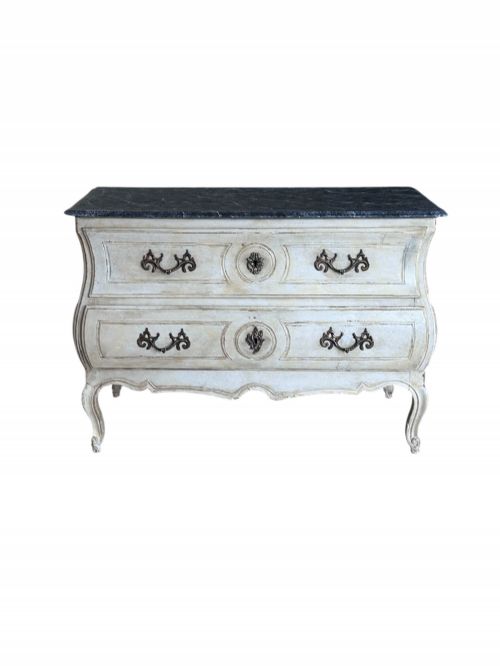
The selections available range from 18th-century cherry wood and walnut provincial pieces to 19th-century carved hunting cabinets and 20th-century Art Deco rosewood designs. Buyers frequently encounter solid oak rustic servers alongside grand marble-topped commodes and inlaid cabinets.
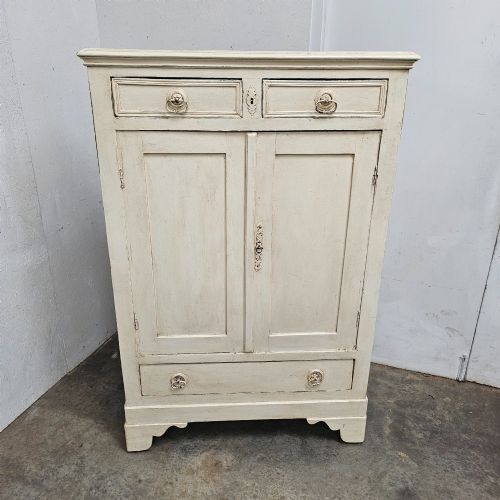
Regional variations dictate much of the character, drawing on materials and carving styles specific to local workshops. Whether selecting a simple fruitwood housemaid cupboard or an exhibition-quality marquetry credenza, the form reflects its period of origin.
Materials and Construction Techniques
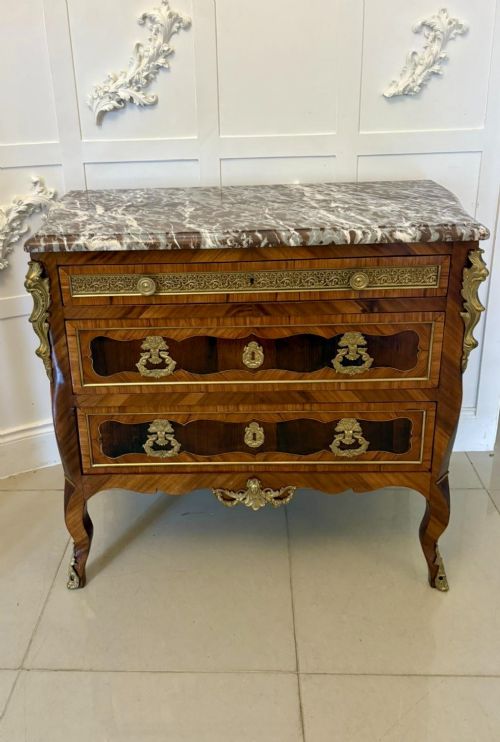
Cabinetmakers utilised a broad palette of domestic and exotic timbers, notably cherry wood, oak, walnut, ash, and fruitwood, alongside decorative veneers like kingwood, tulipwood, amboyna, and rosewood. Solid construction methods dominate provincial items, whereas sophisticated carcase work defines veneered and inlaid examples.
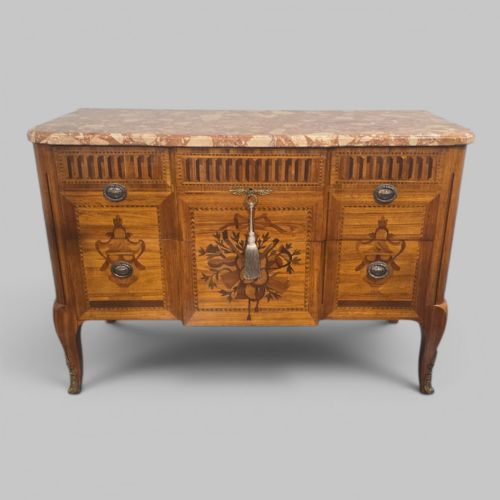
Surface treatments and hardware play a vital role in the construction, incorporating hand-carved panels, brass mounts, ormolu, and ebonised details. Many pieces feature fitted marble tops in various colours, requiring precise stone-masonry to integrate with the wooden frames.
Listings feature woods such as oak, cherry, walnut, mahogany, and rosewood, paired with marble, brass, and ormolu across multiple centuries.
Distinctions in Quality
The standard of a piece depends heavily on the crispness of the hand-carving and the precision of the marquetry or inlay work. Superior examples demonstrate meticulous timber selection, matching grain patterns across doors and drawers with careful attention to structural integrity.
Originality of components, such as marble tops, brass hardware, and glass panels, separates standard items from exceptional survivals. Finer workshops invested greater labour in internal drawer construction, jointing methods, and polished finishes.
Étienne Kohlmann
The French Wood Sideboard Glossary
- Enfilade
- A long sideboard or buffet featuring multiple doors, typically three or four, designed for dining room storage. This form became particularly popular in provincial French dining spaces.
- Commode
- A low chest of drawers or cabinet originating in France, often finished with a marble top. These items frequently display decorative veneers or elaborate brass mounts.
- Marquetry
- The art of applying pieces of veneer to a structure to form decorative patterns and pictures. Craftsmen used various coloured woods to create intricate floral or geometric designs.
- Ormolu
- Gilt bronze mounts applied to furniture for decorative effect. This technique highlights corners, feet, and key escutcheons on higher-end pieces.
- Buffet deux corps
- A large two-tier cupboard consisting of an upper cabinet resting on a larger lower section. These tall storage units often feature deep carvings characteristic of regional workshops.
French Wood Sideboard: Frequently Asked Questions
What is an enfilade sideboard?
An enfilade is a long, low sideboard featuring a continuous row of cabinets or drawers across the front. These pieces typically provide extensive storage for dining rooms.
Originating in provincial France, they allow for symmetrical storage and a broad surface area for serving food or displaying objects.
How do I identify the wood type?
Examining the grain, colour, and weight helps distinguish between native timbers like oak, cherry, and walnut. Provincial pieces often rely on solid local woods.
Exotic veneers such as kingwood and rosewood appear on more formal, decorative credenzas and cabinets from later periods.
Are marble tops original?
Many French sideboards and commodes feature fitted marble tops in white, pink, or darker tones. Checking the underside and edges reveals how the stone integrates with the timber frame.
While replacements exist, original marble slabs match the exact contours and period specifications of the wooden carcase.
How do I care for antique wood?
Maintaining these pieces requires stable room humidity and protection from direct sunlight to prevent the timber from drying out or warping. Regular dusting with a soft cloth preserves the polish.
Applying appropriate wax occasionally helps nourish solid woods and veneered surfaces without building up heavy residue.