


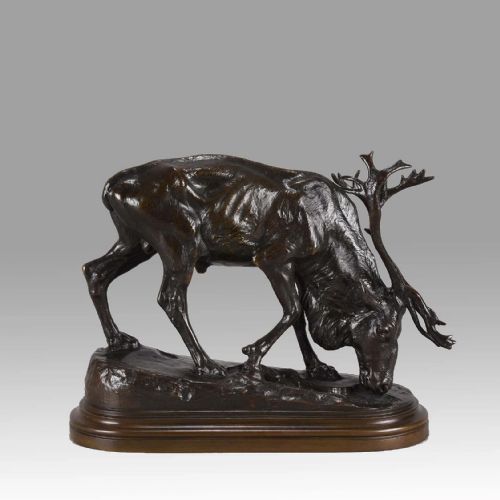


French Wildlife Bronze
French wildlife bronze sculptures capture animals in motion, offering collectors fierce realism and exceptional animalier artistry.
French Wildlife Bronze
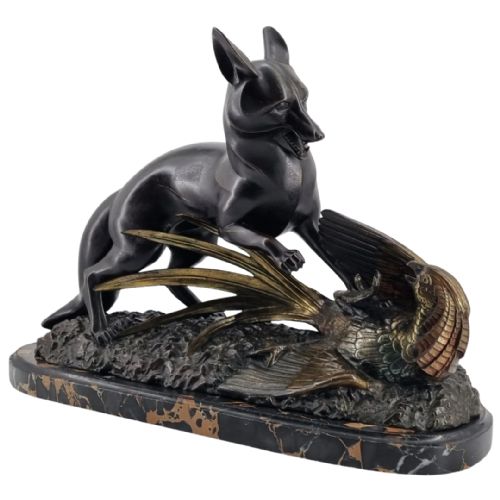
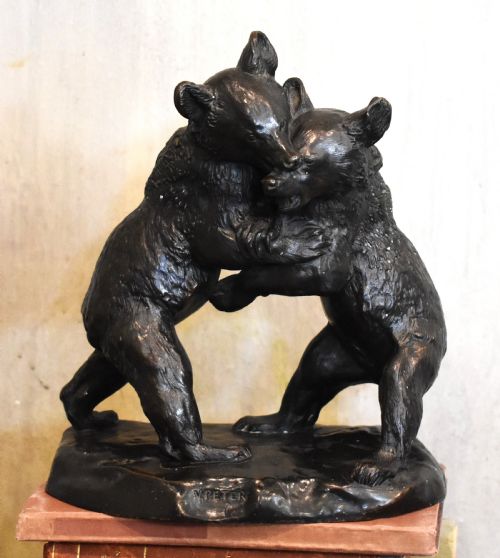
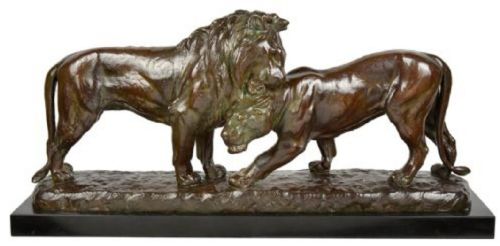
A French wildlife bronze brings fierce animalier realism into the home, depicting predators and prey caught in dynamic movement. These sculptures range from small studies of birds to large groups of lions, bears, and stags locked in combat or resting.
The pieces on this page span the nineteenth century and the early twentieth century, capturing the evolution from rigorous nineteenth-century naturalism to later Art Deco stylisation. Animalier subjects dominate the selection, reflecting the intense nineteenth-century French fascination with wild fauna.
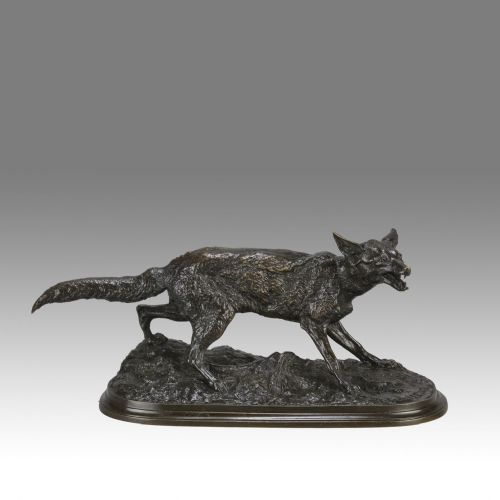
Makers recorded in the evidence placed great emphasis on anatomical accuracy, often setting their subjects on naturalistic terrain or contrasting marble bases. Collectors encounter works depicting eagles, hares, panthers, and foxes modelled by prominent French sculptors.
Materials and casting methods
Foundries utilised traditional bronze casting methods to capture minute anatomical details such as fur texture, feathers, and muscular tension. Molten bronze was poured into moulds, then finished by hand with chisels and files to sharpen the definition of each animal.
Many sculptures feature a dark patina or patinated bronze surface treatment, which enhances the play of light across the musculature. Dark marble and green marble frequently serve as heavy plinths supporting the bronze figures.
Several bronzes capture tense urbanity in the wild, including a panther locked in combat with a python.
Distinctions in craftsmanship
Quality rests upon the crispness of the chase work and the fidelity of the cast to the sculptor's original model. Finer pieces retain sharp details in the fur, claws, and facial expressions without smoothing from excessive post-casting polish.
Foundry involvement also marks a distinction, with casts bearing foundry marks from establishments like Barbedienne or Siot indicating professional execution. The integration between the bronze figure and its marble base shows the care taken in final assembly.
P J Mêne·Victor Peter·Paul-Édouard Delabrièrre·Clovis Masson·Antoine Louis Barye·Barbedienne·G.GARDET·Alfred Dubucand·Siot Foundry·Louis Riche·Isidore Bonheur·Christophe Fratin·I. Rochard·E.Drouot·Jules Moigniez·Ferdinand Pautrot
The French Wildlife Bronze Glossary
- Animalier
- A nineteenth-century artistic movement focused on the realistic depiction of animals, particularly wild beasts in action. Sculptors in this tradition studied live specimens in menageries.
- Patina
- The surface coloration and chemical finish applied to bronze sculptures. A dark patina was frequently used to accentuate anatomical contours.
- Cast
- The physical metal object produced by pouring molten bronze into a mould. Foundry marks often identify the establishment responsible for this process.
- Base
- The plinth or support beneath the sculpture, often fashioned from green marble or dark marble. These mountings provide stability and visual weight to the composition.
French Wildlife Bronze: Frequently Asked Questions
What is a French wildlife bronze?
These sculptures are nineteenth and early twentieth-century metal works portraying wild animals created by French animalier artists.
They depict subjects ranging from birds and hares to large predators like jaguars and lions.
How do I identify periods?
Nineteenth-century pieces tend toward strict anatomical realism and naturalistic terrain bases.
Twentieth-century examples, such as Art Deco pieces from the nineteen-thirties, often introduce stylised lines and geometric marble mounts.
How should I display them?
Place sculptures on stable surfaces where adequate lighting highlights the dark patina and fine surface details.
Keep them away from direct heat sources to protect any integrated marble bases.
Who made these sculptures?
Prominent French animalier sculptors such as Barye, Mêne, and Fratin modelled these wildlife studies.
Specialist foundries like Barbedienne and the Siot Foundry then cast the works in bronze.