


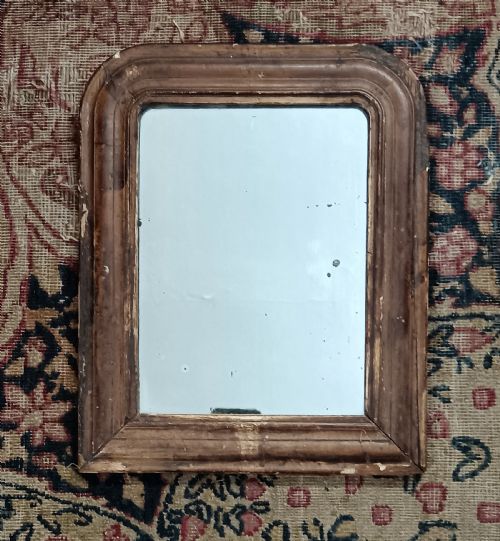


French Walnut Vanity
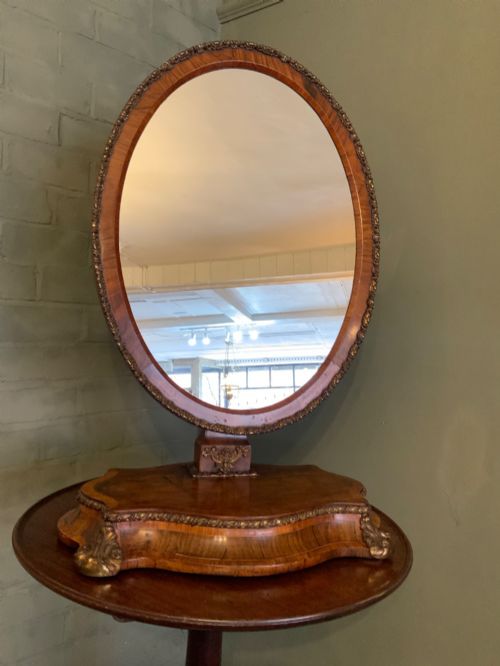
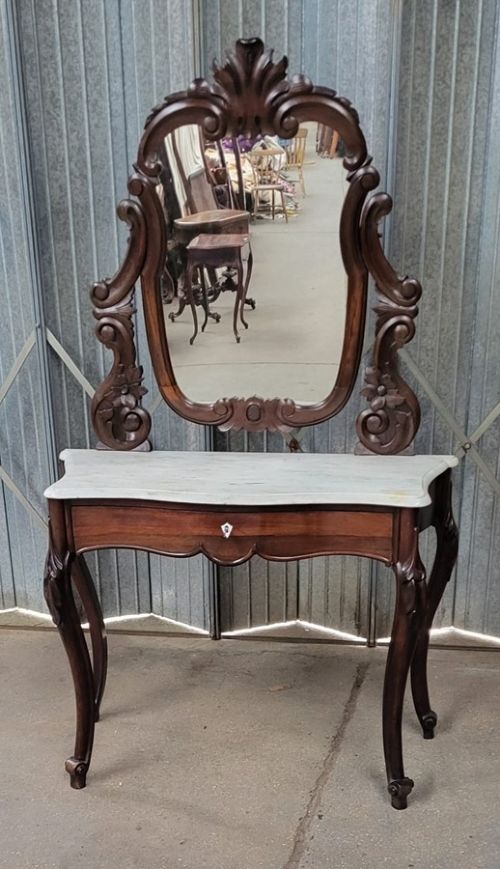
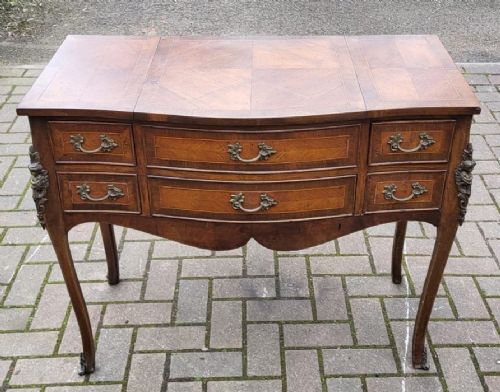
These french walnut vanity pieces bring together burr walnut, ormolu, and carved cabriole legs to anchor a traditional dressing room or bedroom.
French Walnut Vanity
A french walnut vanity encompasses dressing tables, poudreuses, work tables, and matching stools originating across the nineteenth and early twentieth centuries. Pieces spanning periods from 1800 to 1930 appear alongside Victorian interpretations and revival styles.
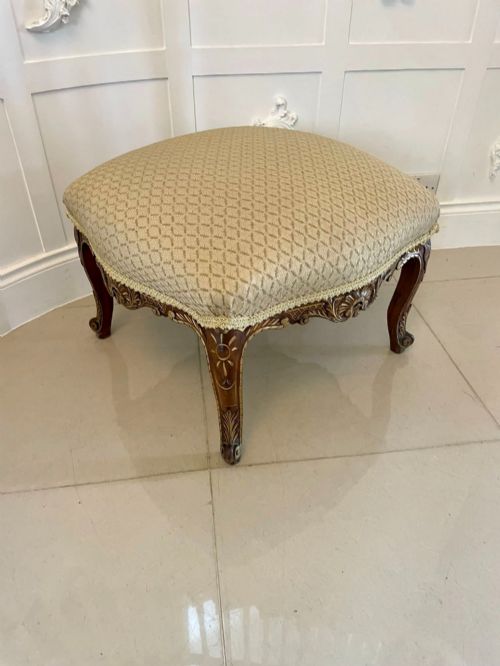
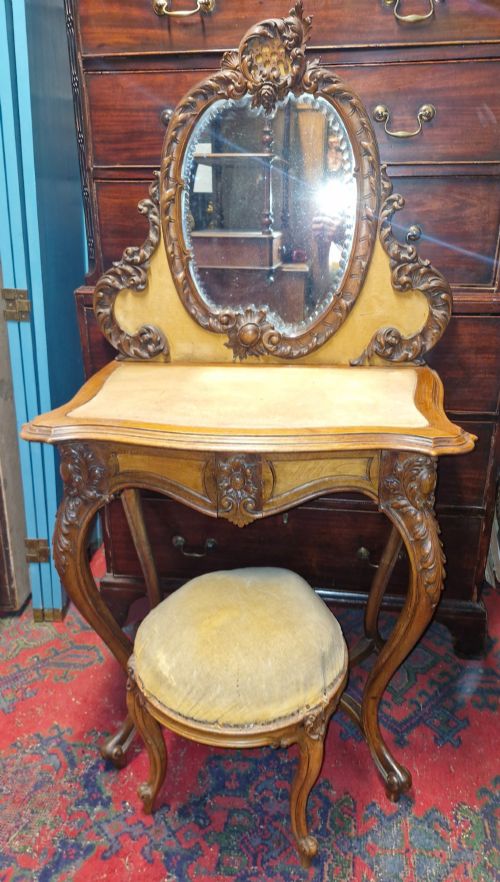
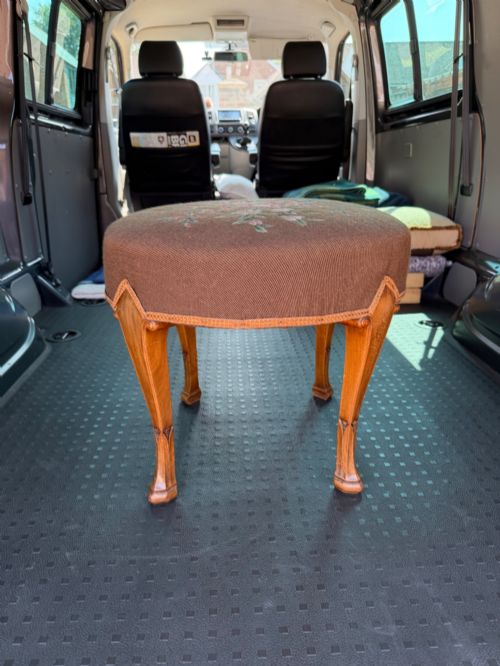
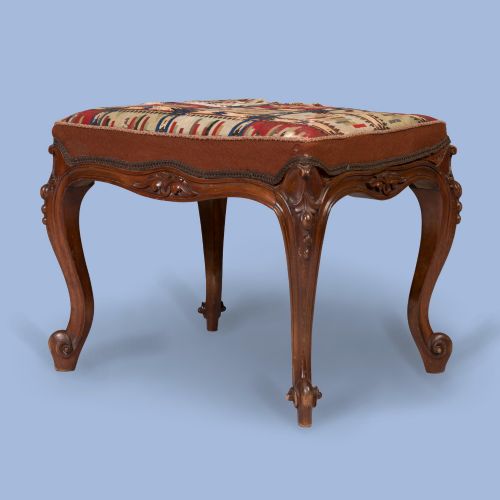
The assortment relies heavily on seating and surface combinations, pairing carved walnut stools upholstered in fabric or velvet with dressing tables and mirrors. Stools and dressing tables dominate the selection, often reflecting Louis XV revival and Rococo influences.
Originating primarily from French and Victorian workshops, these items integrate burr walnut veneers and marquetry alongside marble tops. Buyers encounter everything from petite poudreuses to larger writing desks and tri-fold mirrors designed for domestic grooming.
Assessing quality and craftsmanship
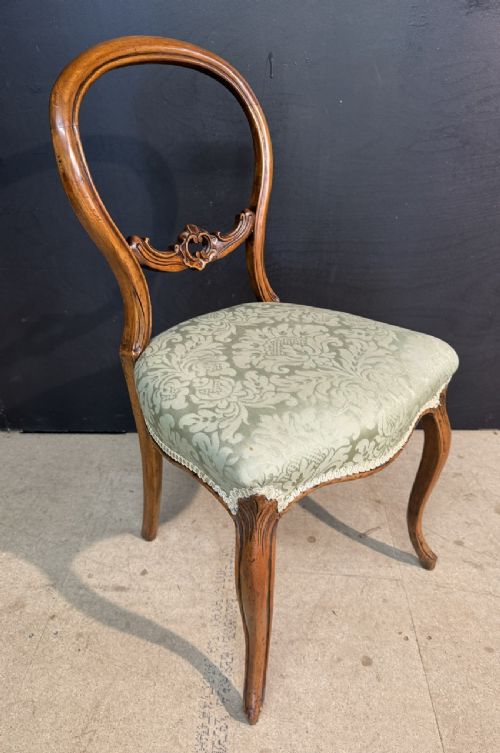
The refinement of the wood carving distinguishes superior examples, particularly on cabriole legs and decorative frames where hand-carved details remain crisp. The choice of timber also dictates quality, with highly figured burr walnut and delicate marquetry patterns setting finer pieces apart from plain walnut surfaces.
Integrated hardware and mounts elevate a piece, especially finely cast ormolu mounts and original brass fittings that complement the timber without loose joints. The quality of internal compartments, such as fitted wells in poudreuses and work tables, marks superior domestic utility.
The selection spans from 1800 to 1930, uniting Victorian pieces with French revival styles through walnut, brass, and velvet.
The French Walnut Vanity Glossary
- Poudreuse
- A French dressing table featuring a hinged top that opens to reveal a mirror and hidden compartments for cosmetics. These pieces date frequently to the nineteenth century.
- Cabriole leg
- A furniture leg that curves outward at the knee and tapers inward at the ankle, ending in a pad or scroll foot. This form appears commonly on Victorian and revival stools and desks.
- Ormolu
- Gilded bronze mounts applied to furniture edges, corners, and legs for decorative effect. It adds a metallic sheen to French walnut pieces.
- Marquetry
- Inlaid patterns of wood veneers assembled to form pictorial or geometric designs on furniture surfaces. Craftsmen apply this technique extensively to nineteenth-century work tables and dressing tables.
French Walnut Vanity: Frequently Asked Questions
How do I style a vanity stool?
Vanity stools pair naturally beneath dressing tables, writing desks, or beneath windows as independent seats.
Their upholstered fabric or velvet tops and carved walnut frames allow them to complement both traditional and eclectic interiors.
Are these pieces strictly French?
While many items stem from French workshops or follow French styles like Louis XV revival and Rococo, Victorian British pieces also contribute significantly.
Makers across these regions adopted similar walnut timbers and decorative motifs during the nineteenth and early twentieth centuries.
What is burr walnut?
Burr walnut is a highly figured wood veneer derived from the knotty growths of walnut trees.
It yields complex, swirling grain patterns that elevate the visual appeal of desk lids, table tops, and vanity surfaces.