




Ormolu Vanity Table
An ormolu vanity table brings gilt bronze mounts and polished timber together to anchor a nineteenth century bedroom or dressing room.
Ormolu Vanity Table
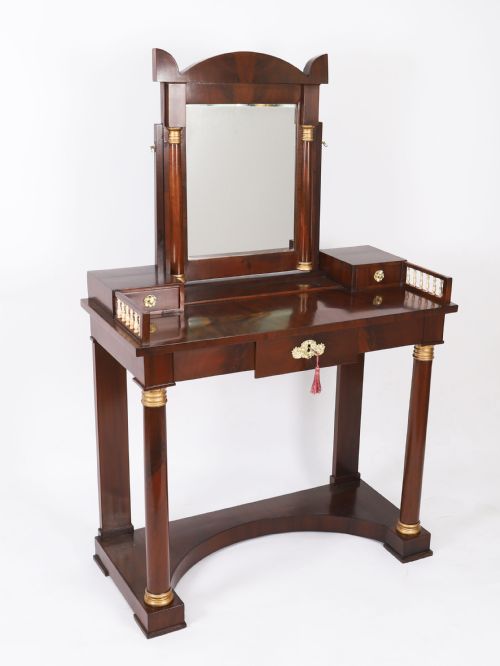
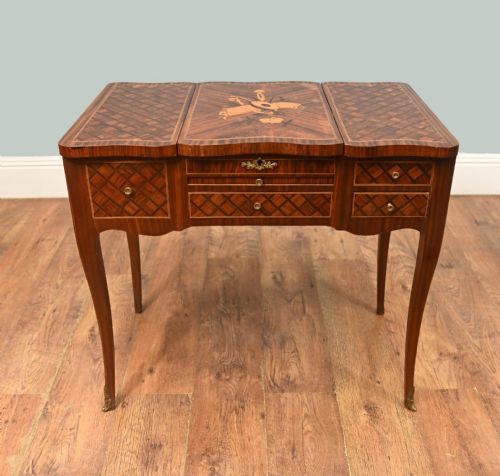
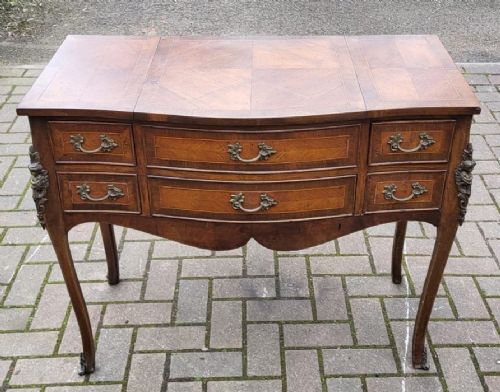
An ormolu vanity table is a nineteenth century dressing piece designed for personal grooming and writing, merging utility with decorative display. These pieces appear in forms such as dressing tables, poudreuses, writing desks, and table mirrors.
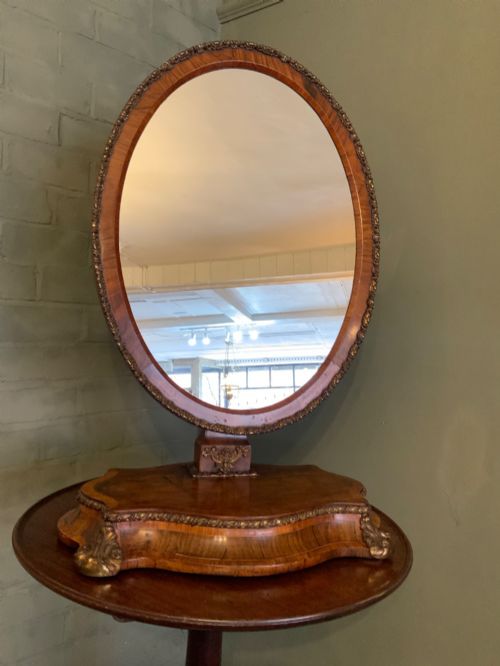
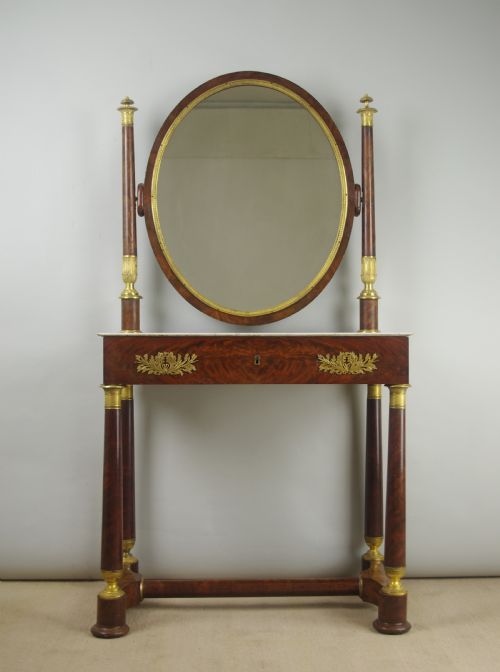
The version most commonly met on this page is the French nineteenth century dressing table or toilet mirror, featuring mahogany, walnut, or burr walnut. Many examples combine the surface with matching ormolu mounts, marble, and glass elements.
Makers and workshops from periods such as Napoleon III and the French Empire shaped these items into elaborate centres for the boudoir. They serve collectors today as functional surfaces that display period cabinetwork and cast bronze details.
What varies in quality
The refinement of the cast ormolu mounts separates standard production from exceptional work, as sharper chasing and deeper gilding reflect greater artisan skill. Similarly, the complexity of timber veneers, marquetry patterns, and inlaid details dictates the tier of the piece.
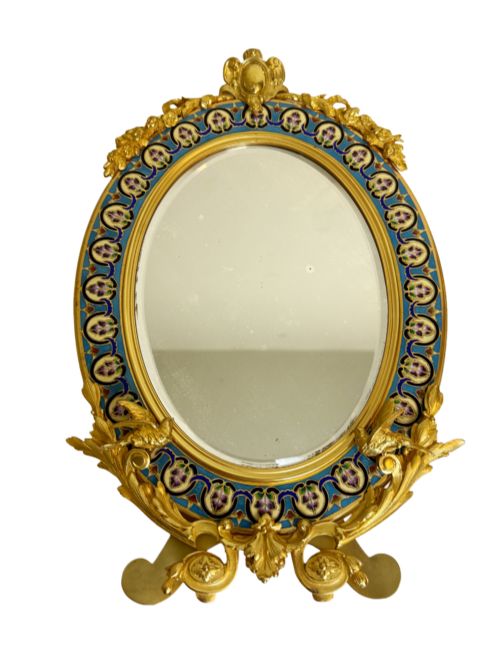
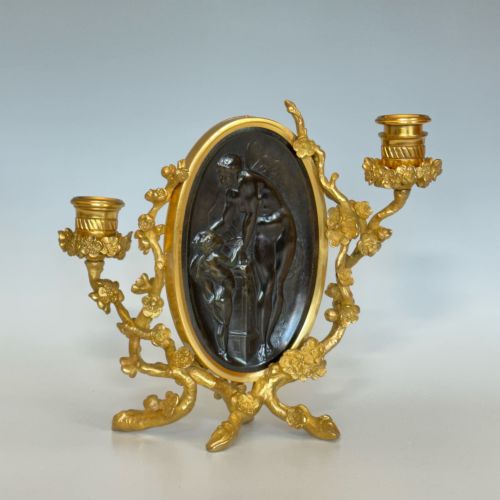
Attribution to known Parisian foundries or cabinetmakers elevates the standing of an item within nineteenth century production. The integration of supplementary materials like hand-painted porcelain plaques or champleve enamel also distinguishes finer examples.
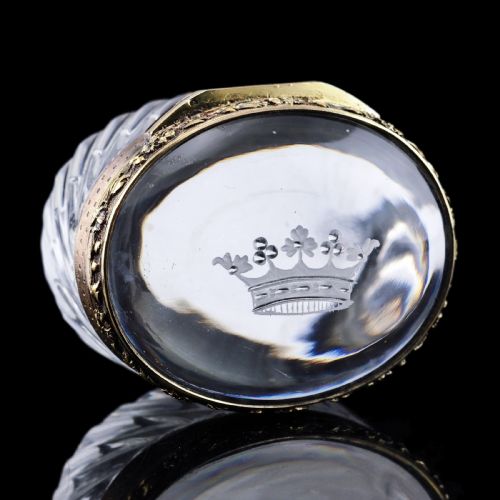
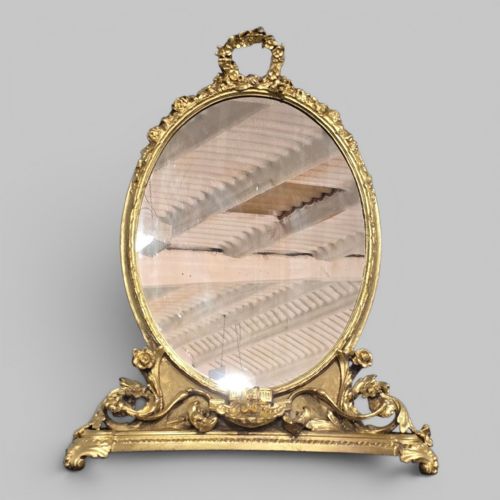
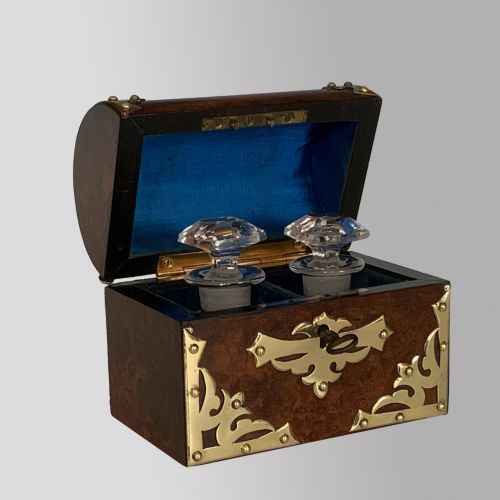
Object forms vary across this selection from full dressing tables and writing desks to small tabletop mirrors and scent caskets.
Thiebaut Freres·Maison Pretot Paris·Joseph Meissonnier·F. Bienvue
The Ormolu Vanity Table Glossary
- Ormolu
- Gilded bronze produced by applying a mercury and gold amalgam to cast bronze before heating. This technique creates a durable golden finish characteristic of decorative mounts on nineteenth century furniture.
- Poudreuse
- A French dressing table fitted with folding lids that conceal a mirror and compartments for cosmetics. It functions as both a compact desk and a vanity surface.
- Bonheur du jour
- A light lady writing desk featuring a small tiered cabinet superstructure above the main writing surface. These pieces often include drawers and pigeonholes for correspondence.
- Champleve
- An enamelling technique where troughs are gouged into a metal surface and filled with vitreous enamel powder before firing. The resulting coloured patterns decorate frames and trinket boxes.
- Marquetry
- The art of applying small pieces of veneer to a structure to form decorative pictures or geometric patterns. Cabinetmakers utilised contrasting timbers to achieve pictorial depth.
Ormolu Vanity Table: Frequently Asked Questions
How do I use an ormolu vanity table today?
These pieces function well as dressing tables, hallway console surfaces, or compact writing desks in modern interiors. Their concealed compartments and drawers provide practical storage for small personal items.
Placing a table mirror or decorative tray on top completes the traditional arrangement while protecting the polished wood surface from daily wear.
What is the difference between a poudreuse and a dressing table?
A poudreuse is a specific French form featuring folding top leaves that open to reveal an integrated mirror and divided storage wells for powders and perfumes. Standard dressing tables more often present an open surface paired with a separate or fixed upright mirror.
Both types served the same nineteenth century grooming routines but offered different levels of concealed organisation.
How do I care for ormolu mounts?
Ormolu mounts require gentle dusting with a soft, dry cloth to prevent the accumulation of dirt in the recessed chased details. Avoid chemical metal cleaners which can strip the historic mercury gilding from the bronze.
Maintaining a stable room humidity prevents the underlying timber from shrinking and loosening the pins that secure the mounts to the frame.
How do I distinguish Napoleon III pieces from earlier Empire items?
Napoleon III furniture, produced during the mid to late nineteenth century, revives earlier Louis styles with a heavier emphasis on eclectic ornamentation and rich marquetry. Empire pieces from earlier in the century favour classical symmetry, mahogany veneers, and military-inspired ormolu motifs.
Examining the secondary woods and construction joints helps confirm the manufacturing period of the carcase.