


Antique Gilt Bronze Vanity
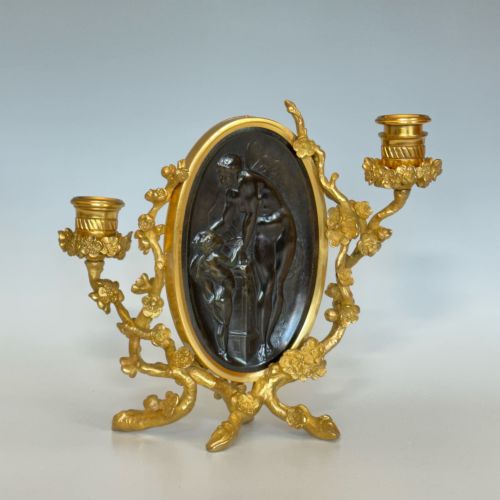
These antique gilt bronze vanity pieces combine gilded metal with porcelain, glass and mahogany to adorn dressing tables with French nineteenth-century elegance.
Antique Gilt Bronze Vanity
When you search for an antique gilt bronze vanity, you encounter tabletop accessories and dressing furniture designed for nineteenth-century boudoirs. The selection leans heavily toward French manufacture, encompassing everything from small hand mirrors to large dressing table mirrors.
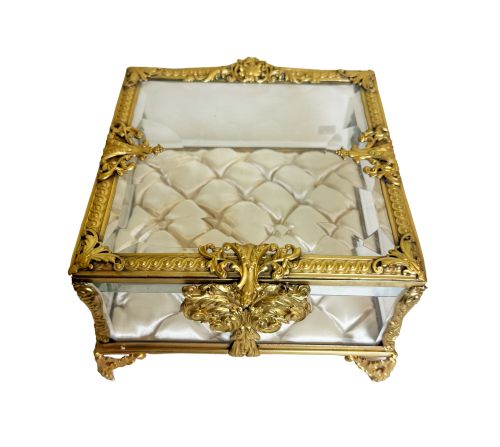
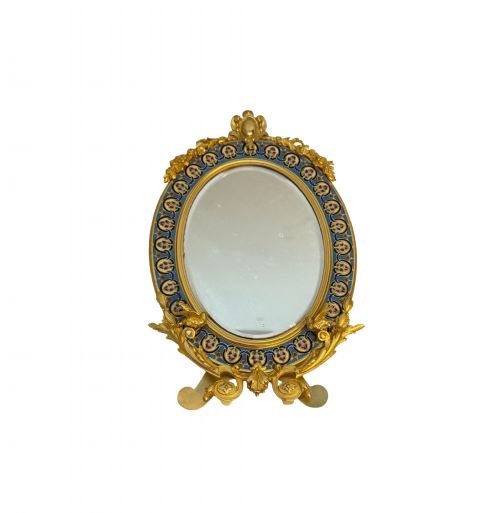
Table mirrors form a central part of the evidence, frequently paired with smaller items such as jewellery caskets, pin trays and cosmetic boxes. These objects represent the domestic luxury of the Victorian era and the Napoleon III period.
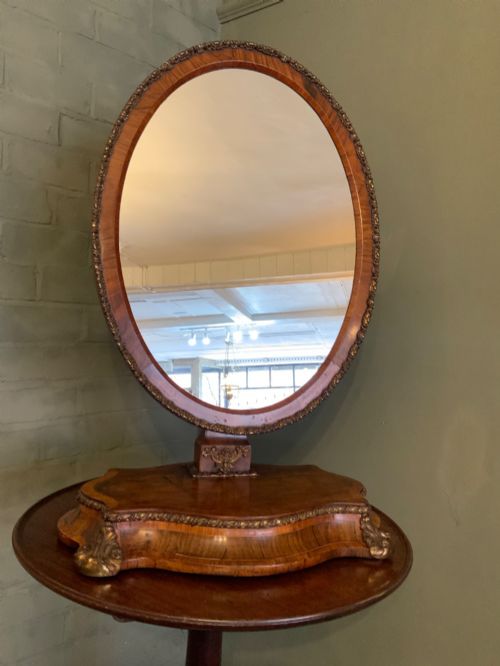
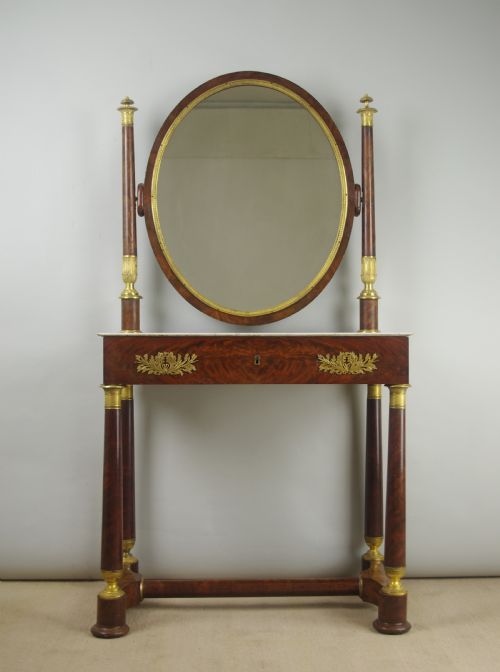
Dressing tables and poudreuses appear alongside portable items, constructed from mahogany, walnut, or satinwood with ornamental mounts. Most pieces date from the late nineteenth century, reflecting revival styles including French Rococo and Empire.
Quality and Craftsmanship
The refinement of the bronze casting sets the standard for these objects, separating sharp, hand-chased ornamentation from softer, secondary production. Pierced scrollwork and crisp floral motifs require meticulous post-casting work by skilled artisans.
The integration of secondary materials dictates overall merit, particularly the quality of the painted porcelain panels, the clarity of the bevelled glass mirror plates, and the precision of the enamel work. Cabinetwork quality is judged by the selection of timbers like tulipwood and satinwood, together with the tightness of marquetry inlays.
Some dressing items include hidden compartments for secret love letters.
Thiebaut Freres·Maison Pretot Paris·Joseph Meissonnier·F.Bienvue
The Antique Gilt Bronze Vanity Glossary
- Ormolu
- Gilded bronze, produced by applying a mixture of gold and mercury to a bronze base and heating it to drive off the mercury. This technique creates a rich, lasting metallic lustre.
- Champleve
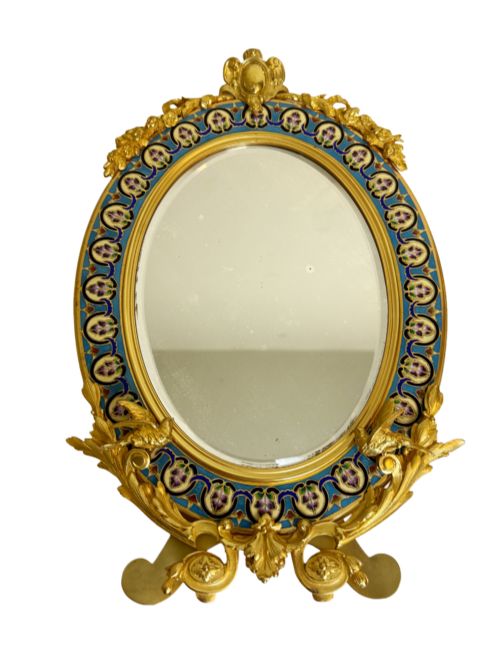
- An enamelling technique where troughs or cells are hollowed out of the metal surface and filled with vitreous enamel powder before firing. The resulting design sits flush with the surrounding metal borders.
- Poudreuse
- A French dressing table featuring a folding top that conceals a mirror and compartments for cosmetics and powders. They date frequently from the nineteenth century.
- Sevres
- Porcelain produced by the French national manufactory, known for fine painting and distinctive coloured grounds often mounted in gilt bronze frames.
- Napoleon III
- A decorative style popular in France during the mid-to-late nineteenth century, combining elements of Louis XIV, XV and XVI revivals with opulent materials.
Antique Gilt Bronze Vanity: Frequently Asked Questions
What is an antique gilt bronze vanity mirror?
These objects are portable or pedestal mirrors framed in gilded bronze or ormolu, designed to sit upon a dressing table or chest of drawers. They were essential accessories for nineteenth-century grooming and dressing.
Most examples incorporate decorative elements such as floral casting, porcelain plaques or enamel work. They reflect prevailing French styles from the Empire period through to the late nineteenth century.
How do I identify French Empire style?
French Empire pieces display classical motifs inspired by ancient Rome and Greece, including laurel wreaths, swans, urns and symmetrical geometric forms. The metalwork is typically heavy, cast bronze with a bright ormolu finish.
Timbers like mahogany provide a dark, uniform background that highlights the polished golden mounts.
What is champleve enamel?
Champleve enamel involves carving hollow cells directly into a bronze or brass surface and filling them with coloured glass paste. The piece is then fired until the enamel melts and fuses with the metal.
This technique produces durable, vibrant patterns that adorn the frames of mirrors, trays and decorative caskets.
How do I care for gilt bronze?
Gilt bronze and ormolu require gentle dusting with a soft, dry cloth to prevent the accumulation of grit. Avoid using chemical metal cleaners or abrasive cloths, which can strip the thin gold layer from the bronze beneath.
Keep pieces away from direct sunlight and excessive moisture to protect any associated wood, glass or enamel components.