



French Walnut Hall Table
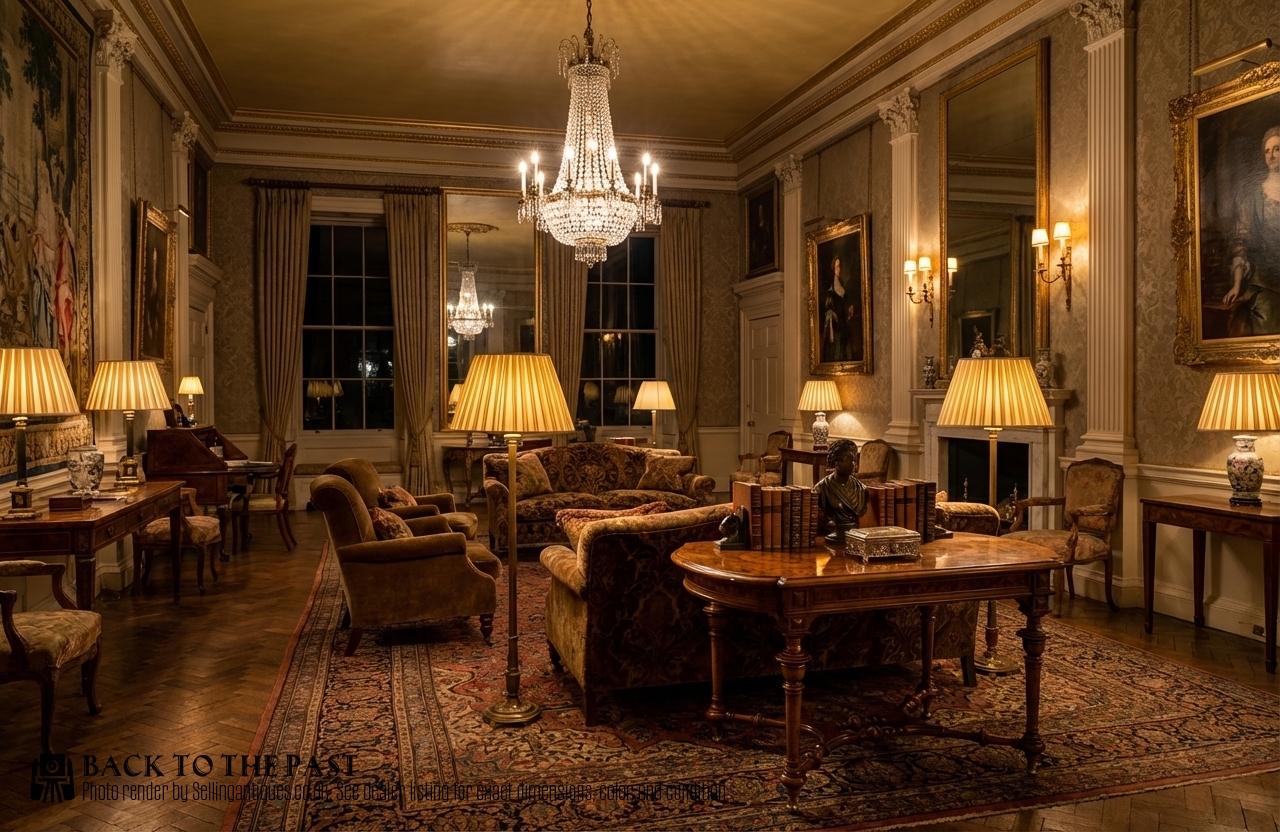
When you search for a french walnut hall table, you are looking at substantial timber pieces designed for reception spaces.
French Walnut Hall Table
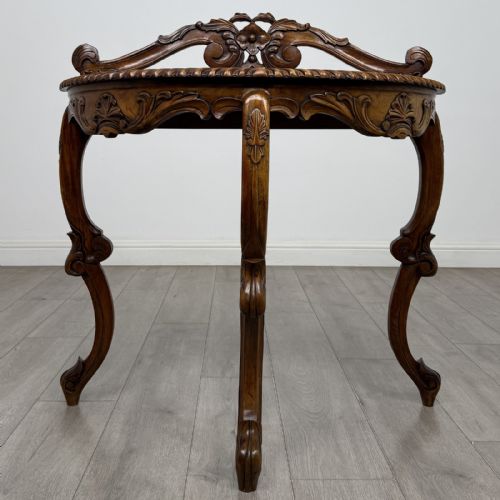
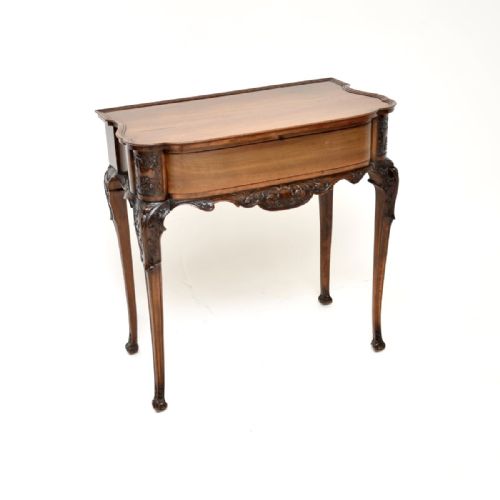
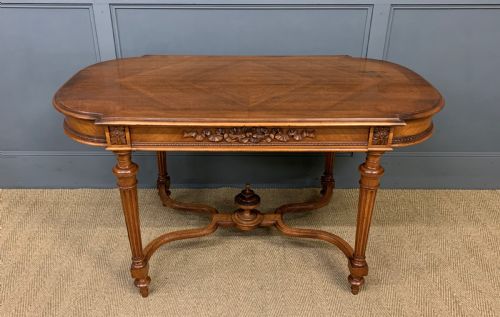
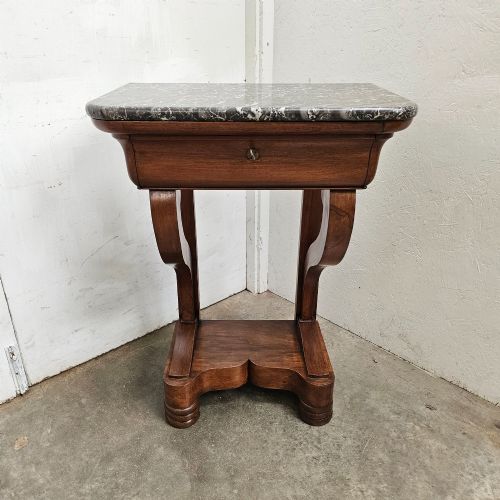
A french walnut hall table encompasses forms ranging from console and centre tables to side and pier tables created for grand hallways and reception rooms. These examples span centuries from the seventeenth to the early twentieth, drawing on styles such as Louis Philippe, Louis XV, and Empire. When browsing this selection, you encounter pieces that function as serving surfaces, display ledges, or occasional writing desks.
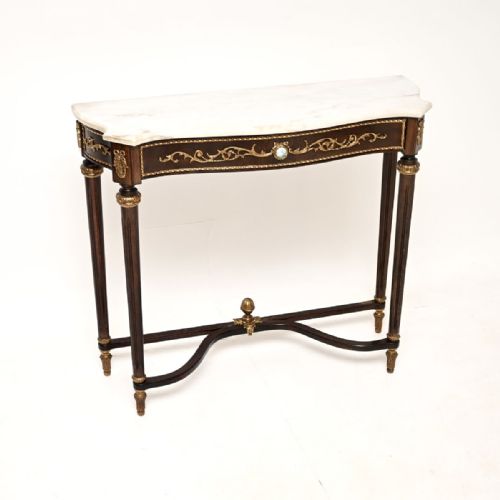
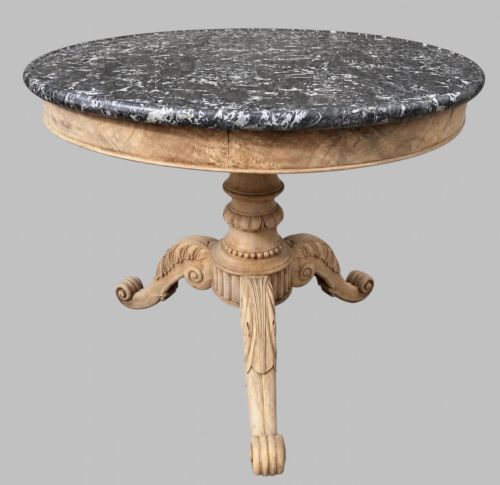
The format frequently intersects with gueridon, console, and refectory designs, reflecting how domestic interiors utilised timber furniture for display. Makers employed walnut alongside burr walnut to create surfaces suited for entranceways, often paired with marble tops in rouge or white variants. These furnishings demonstrate the practical demands of historic hallways balanced with continental aesthetic ambitions.
How they were made
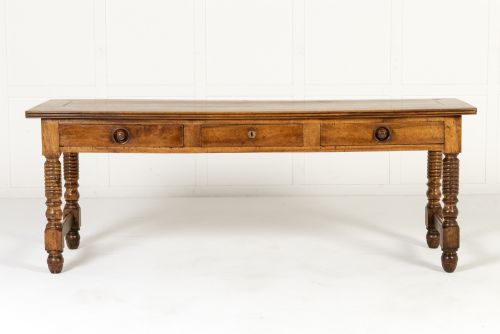
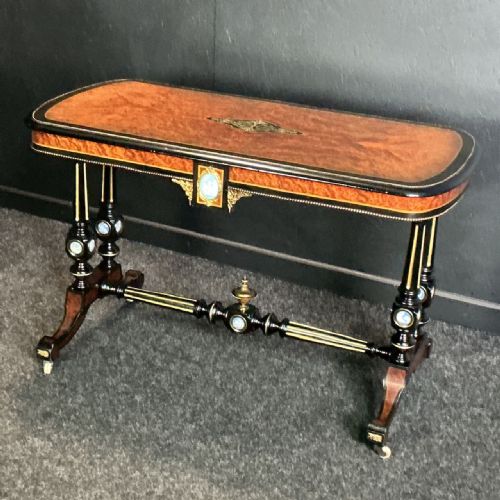
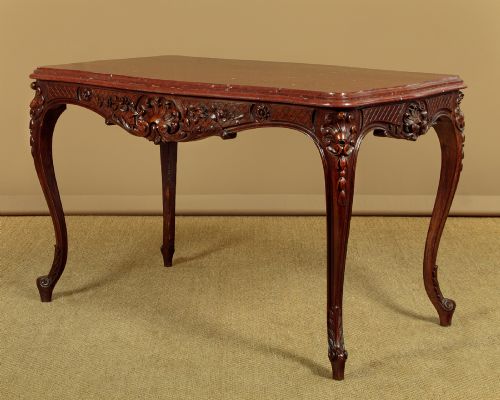
Construction relies heavily on solid walnut and figured burr walnut veneers applied to carcases, sometimes enhanced by marquetry and specimen wood inlay. Artisans shaped the timber using traditional joinery, incorporating carved details or barley twist supports depending on the stylistic period. The integration of marble tops into console and centre tables required precise stone masonry to fit timber frames accurately.
Surface ornamentation often includes brass, ormolu mounts, and ebonised wood highlights that punctuate the warm grain of the walnut. Workshops utilised silver inlay or marquetry patterns to articulate top surfaces on centre and pier tables. Polishing techniques brought out the deep figuring in the wood, creating durable finishes intended for high-traffic entryways.
French Walnut Hall Table Retail Price Guide 2026
Typical asking prices for french walnut hall table among the pieces listed under this phrase on Sellingantiques today, from the lower quarter to the upper quarter. They describe what is for sale here now, not the wider market.
Some tables double as card or work stations, proving historic hallways were busier than we think.
What varies in quality
The calibre of a piece rests largely on the selection of the timber grain, particularly where highly figured burr walnut or intricate marquetry is employed. Superior examples demonstrate crispness in hand-carved elements and precision in brass or ormolu mounts rather than cast repetition. The integration of high-grade marble tops, fitted cleanly to the wooden frame, separates standard utilitarian items from finer salon pieces.
Structural integrity and the restraint of proportions also dictate distinction across the range. Tables exhibiting balanced dimensions, harmonious brass or silver inlay, and refined leg turning or cabriole shaping reflect the hand of skilled cabinet makers. Less distinguished items rely on simpler plank construction with minimal surface enrichment.
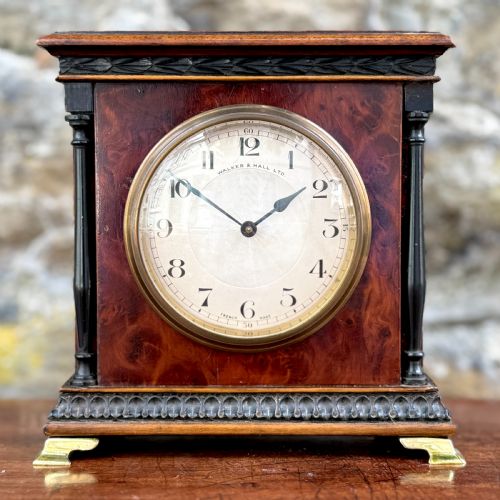
Edward and Roberts·Walker and Hall·Holland and Son
The French Walnut Hall Table Glossary
- Console table
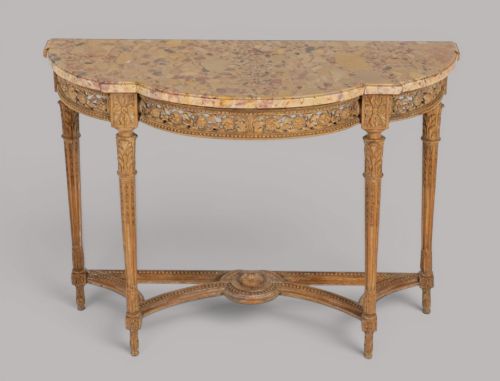
- A table designed to stand against a wall, frequently secured to it with brackets or featuring slender front legs. These items served decorative and functional roles in formal entrance halls.
- Gueridon
- A small circular table supported by a central pillar or multiple legs, often topped with marble. Originating in the seventeenth century, these pieces suit placement in halls and drawing rooms.
- Burr walnut
- A prized timber harvested from the wart-like growths on walnut trees, yielding swirling, highly decorative grain patterns. Cabinet makers utilised veneers of this material on prominent tabletop surfaces.
- Ormolu
- Gilt bronze ornamentation applied to furniture mounts, feet, and borders. This decorative technique adds metallic contrast to the dark tones of walnut timber.
- Marquetry
- The art of applying pieces of veneer to a structure to form decorative patterns and pictorial designs. Artisans combined various woods to create elaborate table surfaces.
French Walnut Hall Table: Frequently Asked Questions
How do I identify a true hall table?
Historic hall tables typically feature shallow depths designed to sit flush against corridor walls without obstructing movement. They often incorporate durable surfaces like marble or polished timber to withstand the placement of hats, gloves, and correspondence.
Many pieces listed under this category share forms with console and side tables, reflecting flexible historic uses. Examining the depth and the placement of finished backs helps distinguish tables built specifically for prominent entrance spaces.
What is the difference between a console and a centre table?
Console tables are engineered to stand against a wall, frequently featuring unadorned or flat backs and sometimes requiring wall fixings. They act as architectural anchors in hallways and reception rooms.
Centre tables are finished on all four sides, intended to stand independently in the middle of a room. While both utilise walnut and marble, their structural design dictates their placement within an interior.
How do I care for a walnut table surface?
Walnut timber benefits from consistent humidity levels and protection from direct sunlight to prevent the grain from drying out. Regular dusting with a soft cloth maintains the finish without needing heavy chemical polishes.
Tables with marble tops require mild, non-acidic cleaners to preserve the stone polish. Avoiding excess moisture on both timber and marble keeps the historic materials stable over time.
How can I tell the period of a walnut table?
Dating relies on observing construction methods, timber preparation, and stylistic cues associated with reigns such as Louis Philippe or Louis XV. Hand-cut joinery and specific inlay techniques align with nineteenth and eighteenth-century workshop practices.
Secondary woods used in the carcase and the style of leg turning or carving provide further chronological markers. Comparing these details against documented examples helps narrow down the decade of manufacture.