




French Walnut Tea Table
A french walnut tea table brings continental refinement to a room, offering warm timber tones and practical surfaces shaped for social entertaining.
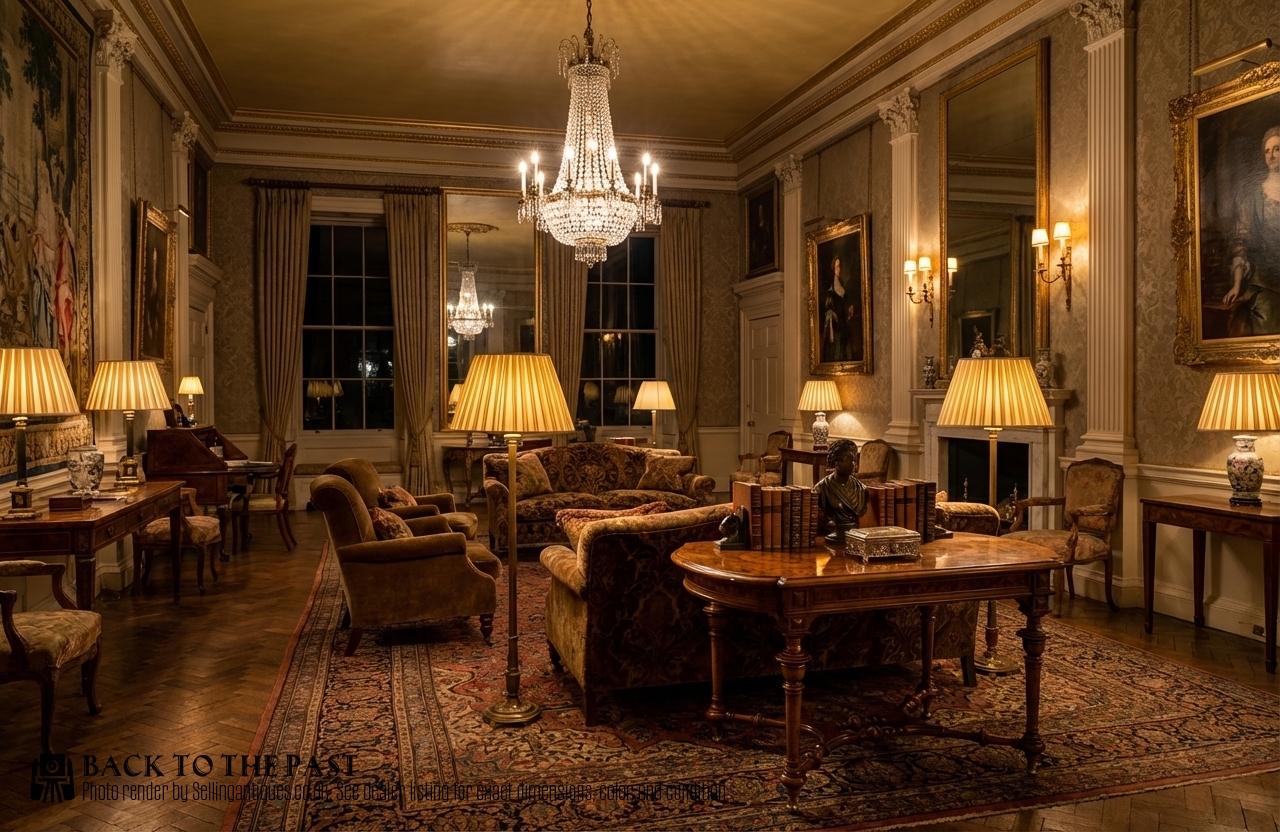
French Walnut Tea Table
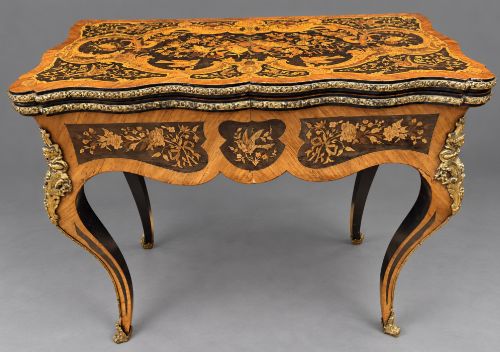
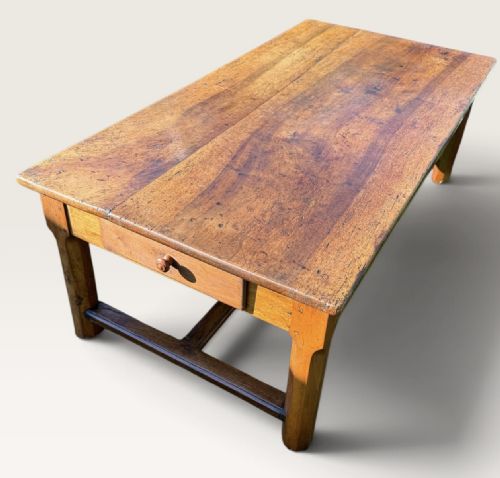
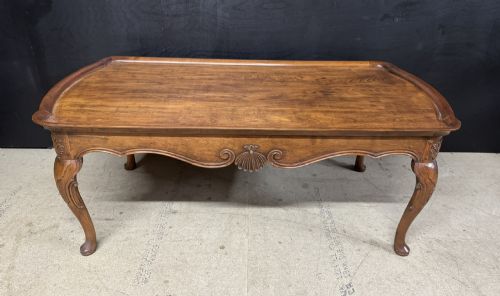
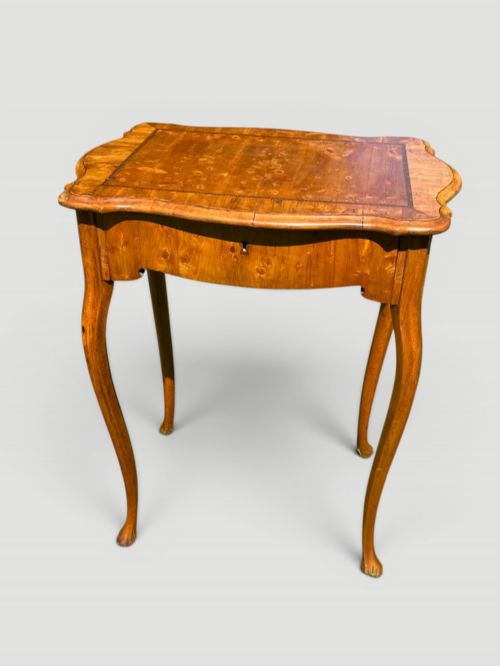
When searching for a french walnut tea table, buyers encounter a variety of forms including card tables, centre tables, and occasional tables spanning the eighteenth century through to the twentieth century. These pieces reflect continental tastes, frequently adopting revival styles such as Louis XV and Louis XVI alongside later twentieth-century interpretations.
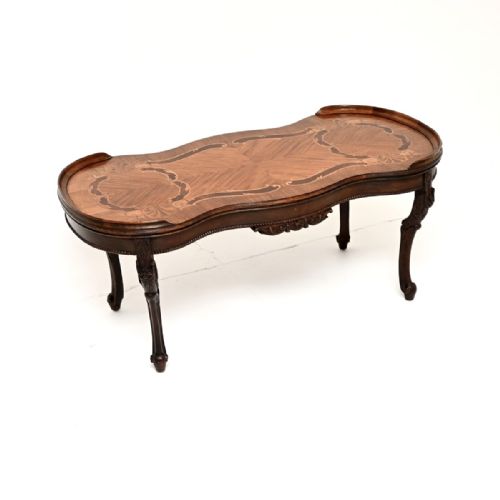
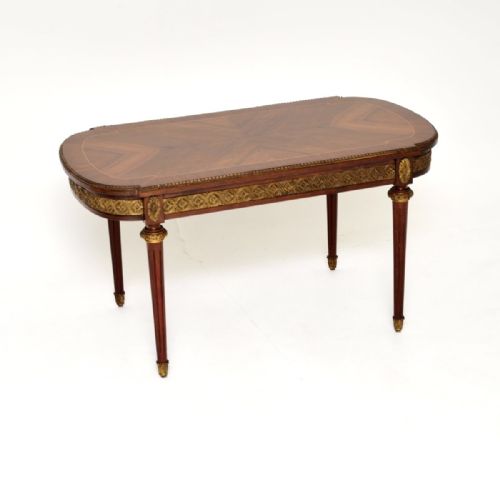
The selection here encompasses everything from fold-over games tables to round coffee tables and decorative centrepieces. Walnut serves as the primary structural and decorative timber, often enriched with intricate parquetry and marquetry details.
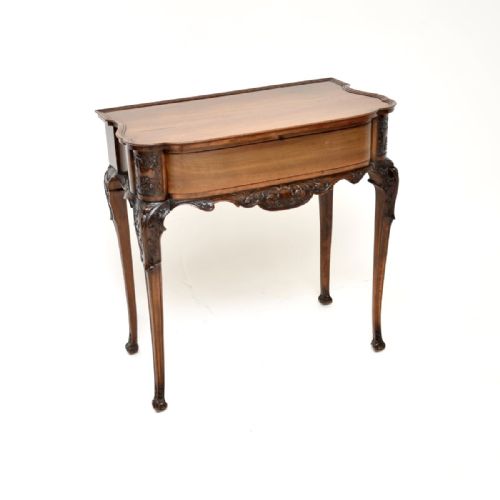
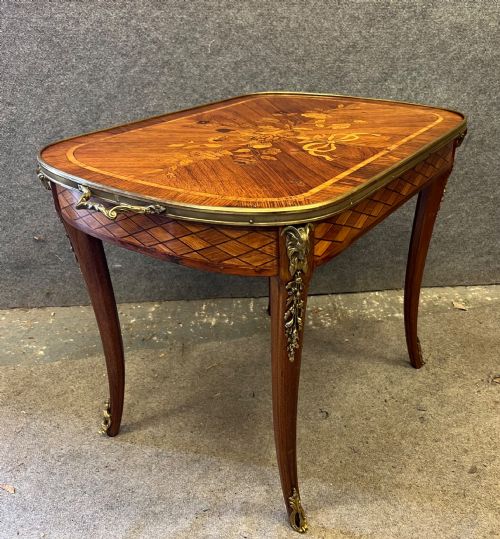
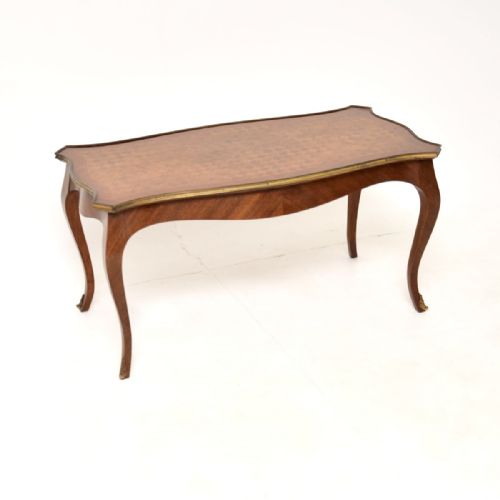
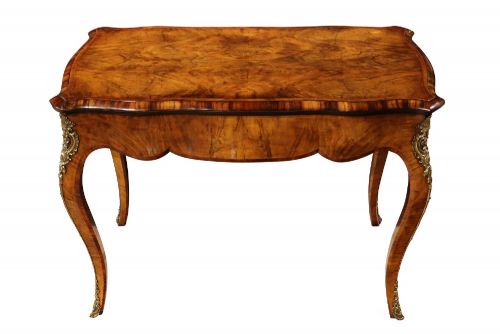
Many examples demonstrate classical french proportions, utilising shaped tops, cabriole legs, and occasional mounts of ormolu or gilt bronze. Buyers frequently find pieces that transition readily between formal reception rooms and contemporary living spaces.
Materials and construction methods
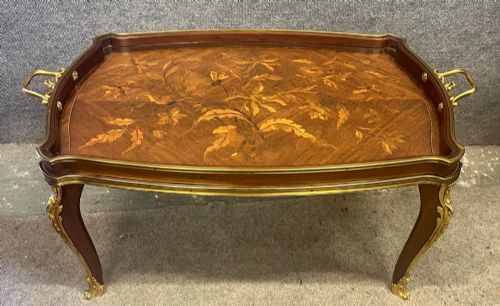
Cabinetmakers utilised solid walnut and burr walnut veneers over secondary timbers, exploiting the rich grain patterns of the wood to create striking geometric and floral marquetry designs. Inlays of boxwood, fruitwood, and kingwood frequently contrast against the deeper brown tones of the primary walnut surface.
Structural embellishments often include cast ormolu and gilt bronze mounts, which accent corners, aprons, and leg joints on finer examples. Marble inserts and porcelain plaques occasionally appear inset into the timber tops, adding further colour and tactile variety to the tables.
French Walnut Tea Table Retail Price Guide 2026
Typical asking prices for french walnut tea table among the pieces listed under this phrase on Sellingantiques today, from the lower quarter to the upper quarter. They describe what is for sale here now, not the wider market.
Listings feature 19th-century, Victorian, and 1930s examples constructed from walnut, burr walnut, ormolu, and fruitwood.
Distinguishing quality in walnut tables
The distinction between standard production and superior craftsmanship lies in the depth of figure within the burr walnut veneer and the precision of the hand-cut marquetry. Finer examples display seamless alignment in their patterned wood sections and crisp, deeply carved mouldings rather than shallow machine profiling.
Hardware and mounts also dictate overall standard, with heavy fire-gilded ormolu fittings showing sharper chiselling than lighter brass alternatives. Structural integrity in mechanisms, such as the hinges on fold-over card tables, reveals the original maker's commitment to durability and smooth operation.
Morison of Edinburgh·Gillows
The French Walnut Tea Table Glossary
- Marquetry
- Decorative veneer work arranged in pictorial or geometric patterns using various coloured woods. It transforms a plain surface into a detailed canvas.
- Ormolu
- Gilded bronze used for decorative mounts and furniture trim. It provides a bright metallic contrast against dark walnut timber.
- Parquetry
- Geometric wood inlay forming repetitive patterns such as cubes or chequers. This technique frequently covers the tops of card and centre tables.
- Burr walnut
- Sourced from the gnarled growths of walnut trees, producing highly swirled and mottled grain patterns. Cabinetmakers prize this timber for decorative veneer panels.
French Walnut Tea Table: Frequently Asked Questions
What is a french walnut tea table used for?
These pieces were originally designed for serving afternoon tea or hosting evening card games in formal drawing rooms. Today, buyers utilise them as functional coffee tables or decorative centrepieces in sitting rooms.
Their versatile proportions allow them to fit easily beside sofas or against walls while providing a sturdy surface for lamps and books.
How do I identify a louis xv revival style?
Louis XV revival pieces are characterised by flowing asymmetrical curves, cabriole legs, and naturalistic floral marquetry. The overall silhouette avoids harsh right angles in favour of serpentine edges.
Craftsmen working in the nineteenth and twentieth centuries revived this aesthetic to capture eighteenth-century elegance.
Are these tables suitable for daily use?
Most antique walnut tables handle normal daily living well, provided owners use coasters and protect polished surfaces from excessive moisture. Solid construction and durable timber make them practical for contemporary homes.
Regular dusting and occasional wax polishing help maintain the natural lustre of the walnut grain over time.
What is the difference between a card table and a centre table?
Card tables typically feature a hinged, fold-over top that opens to reveal a baize-lined playing surface for games. Centre tables are designed to stand freely in the middle of a room with finished detailing on all four sides.
While both utilise walnut and marquetry, their internal mechanics and intended domestic functions differ significantly.