


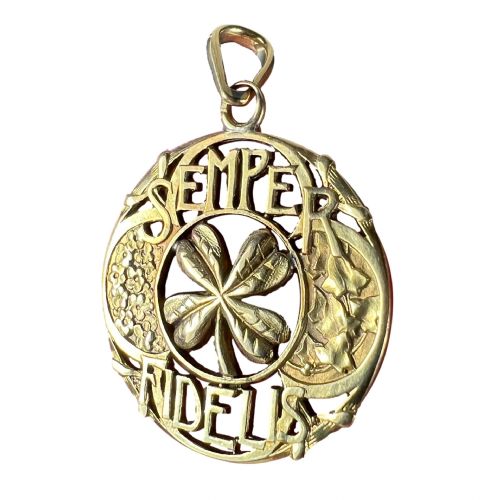


French Victorian Jewellery
French victorian jewellery encompasses ornamental pieces and small display caskets originating from the nineteenth century.
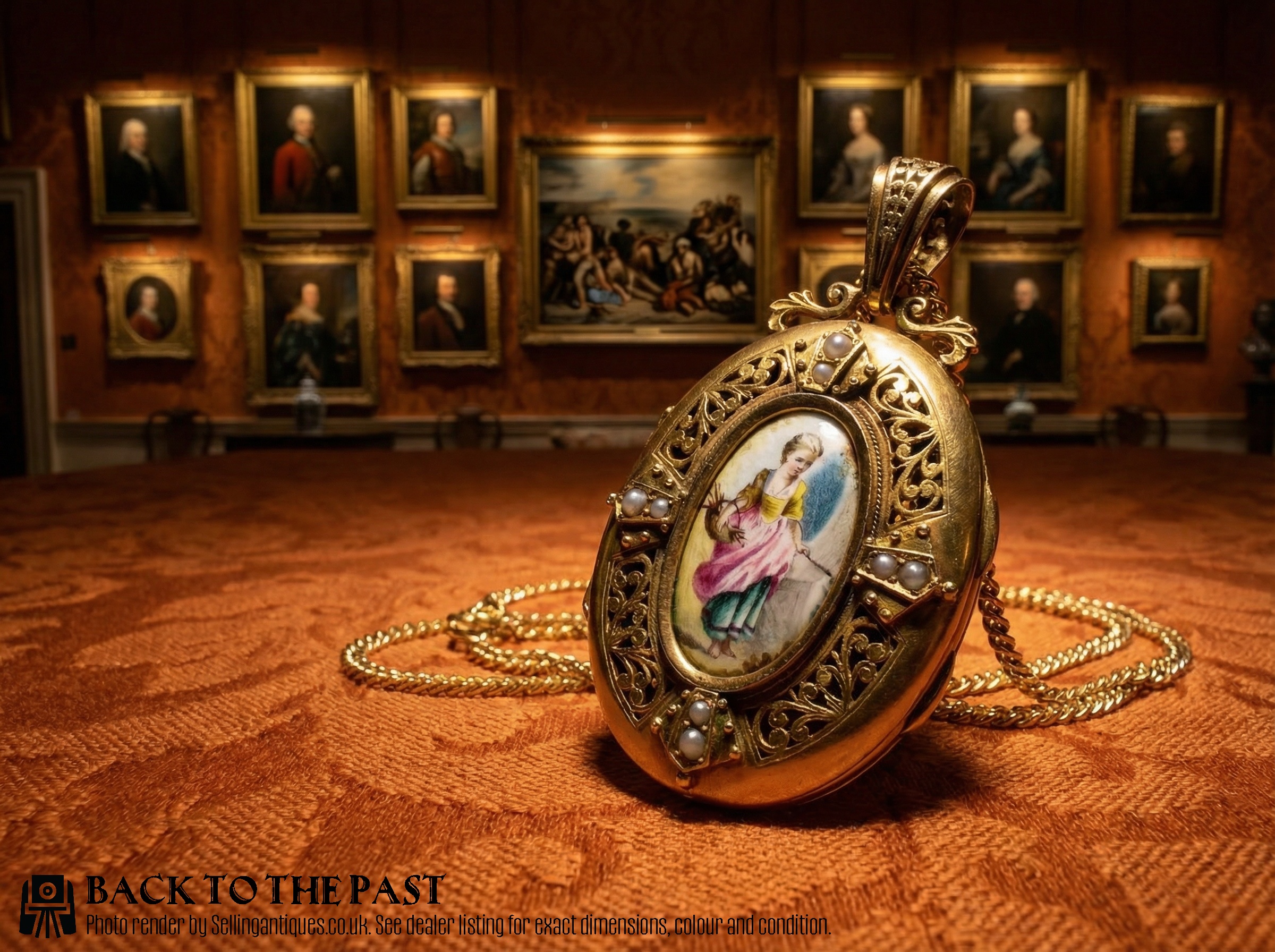
French Victorian Jewellery
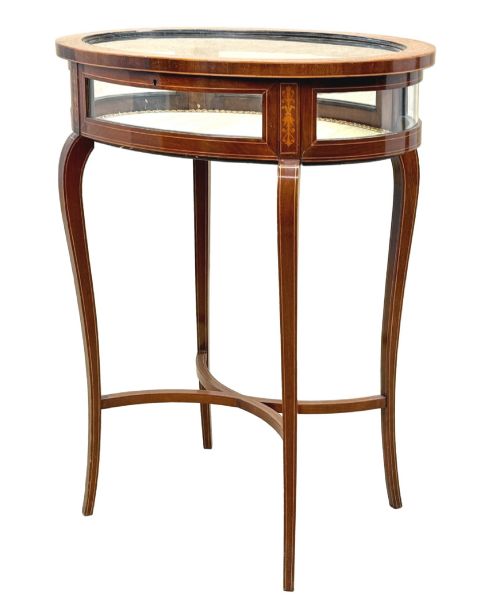
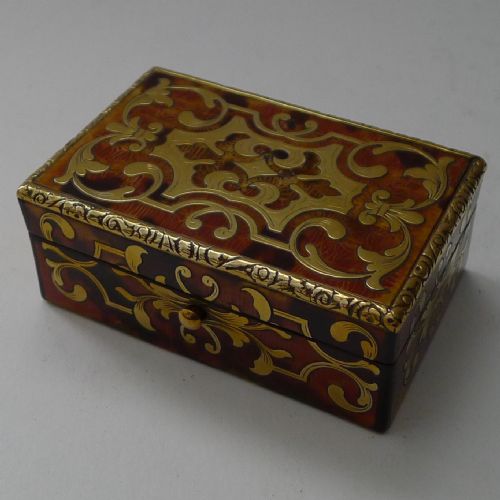
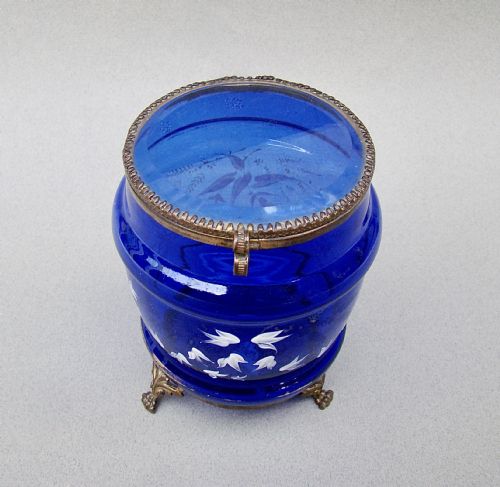
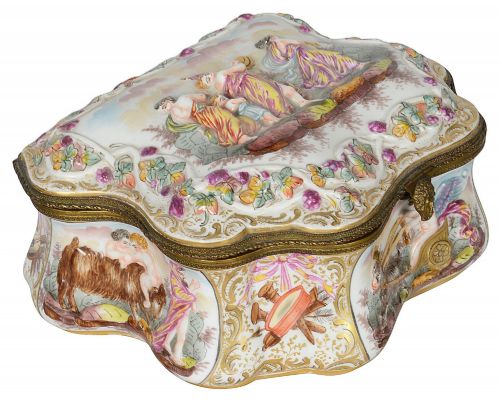
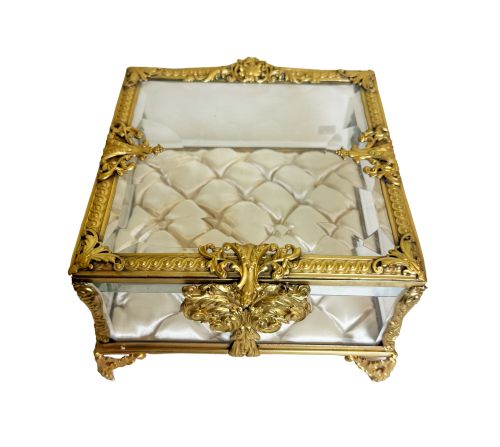
French victorian jewellery spans personal adornments such as brooches, lockets, pendants, rings, and chains alongside decorative containers including trinket boxes, caskets, and bijouterie tables.
Buyers seeking these items encounter both wearable gold and silver ornaments set with gems and larger vitrines or display cabinets designed to hold smaller valuables.
Materials and Techniques
Items incorporate high-carat yellow and rose gold, silver, brass, and ormolu frames paired with glass, porcelain, enamel, and mother-of-pearl.
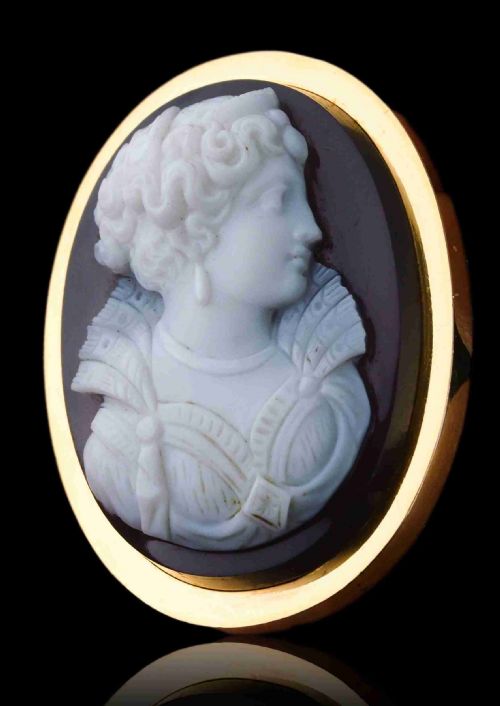
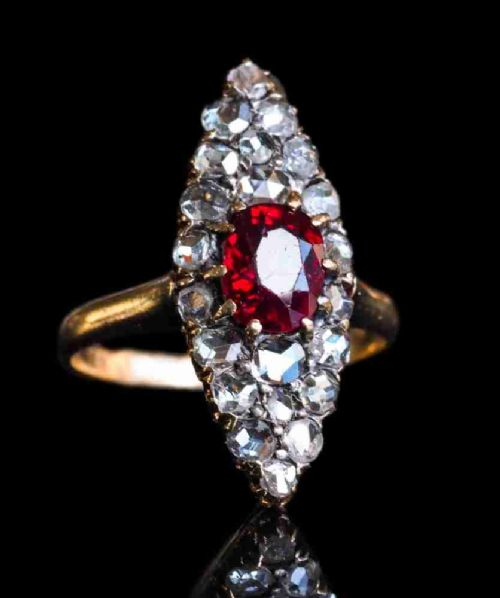
Gems such as diamonds, pearls, rubies, sapphires, garnets, amethysts, and turquoise are integrated alongside hand-painted miniatures and hardstone cameos.
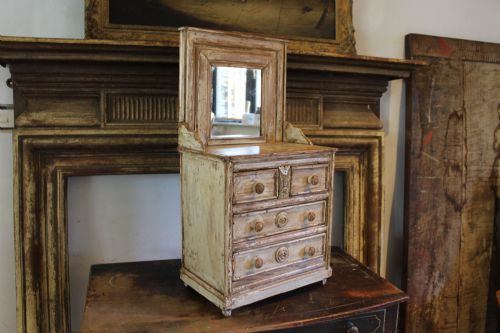
Construction methods involve marquetry on timber cabinets, cast metal mounts, and intricate link fabrication for watch chains and longuards.
A miniature coach and horses gilt brass egg trinket box sits ready to carry tiny carriage treasures.
Craftsmanship and Detail
The standard of execution in hand-painted ceramic plaques, micro-mosaics, and enamel work dictates the refinement of the piece.
The precision of metal casting in ormolu mounts, gilt bronze frames, and gold wirework distinguishes superior examples.
The choice of natural gemstones and the complexity of timber veneers such as kingwood and mahogany mark the grade of the item.
The French Victorian Jewellery Glossary
- Bijouterie table
- A glass-topped display table designed specifically for showcasing small valuables and jewellery.
- Ormolu
- Gilt bronze mounted onto decorative objects, boxes, and furniture to provide gilded metallic detail.
- Navette
- A boat-shaped gemstone cut or ring mounting featuring pointed ends and an elongated centre.
- Longuard
- An extra-long nineteenth-century gold chain worn around the neck to secure pocket watches or pendants.
- Tussie mussie
- A small handheld metal cone or holder created to carry fresh nosegays and posies.
French Victorian Jewellery: Frequently Asked Questions
What is a bijouterie table?
A bijouterie table is a glass-topped display piece created during the nineteenth century to exhibit precious items.
These tables were placed in parlours and boudoirs to hold trinkets and personal ornaments.
How were nineteenth-century lockets worn?
Nineteenth-century lockets were suspended from chains or ribbons close to the heart.
They frequently contained miniature painted portraits, locks of hair, or photographs.
What materials make up ormolu?
Ormolu consists of a gold-coloured metallic alloy applied as a surface finish to bronze mounts.
It appears widely on nineteenth-century French trinket boxes, caskets, and display furniture.
How do I care for antique gold jewellery?
Antique gold items require gentle cleaning with soft cloths and lukewarm water without harsh chemicals.
Proper storage away from harder gemstones prevents scratching on delicate high-carat gold surfaces.