


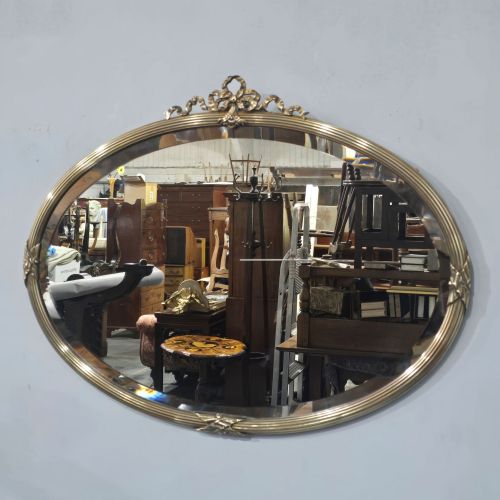


French Vanity Frame
A French vanity frame provides a decorative border for dressing tables and walls, bringing continental elegance to a dressing room.
French Vanity Frame
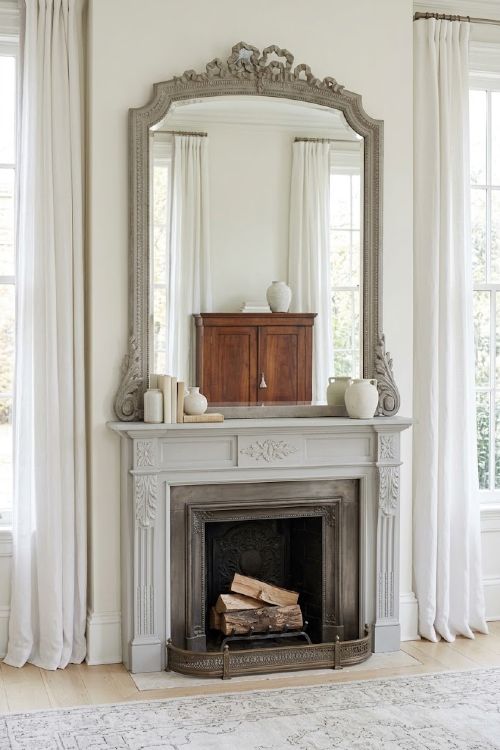
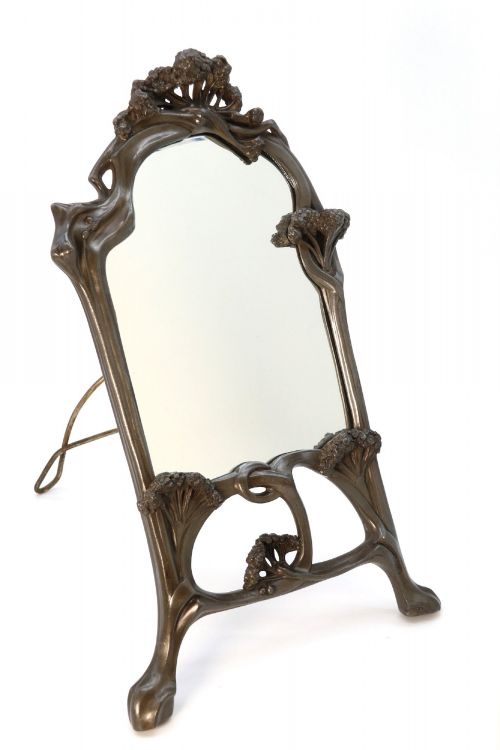
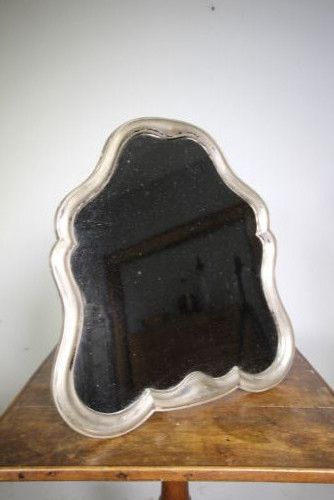
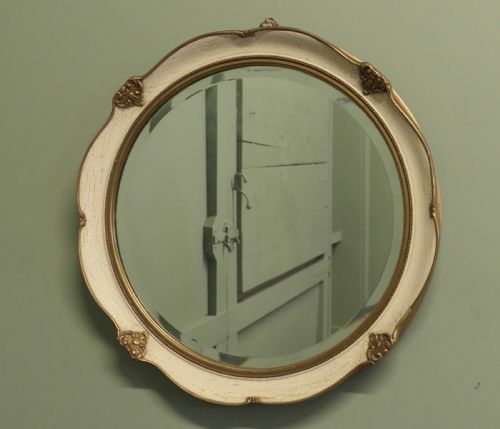
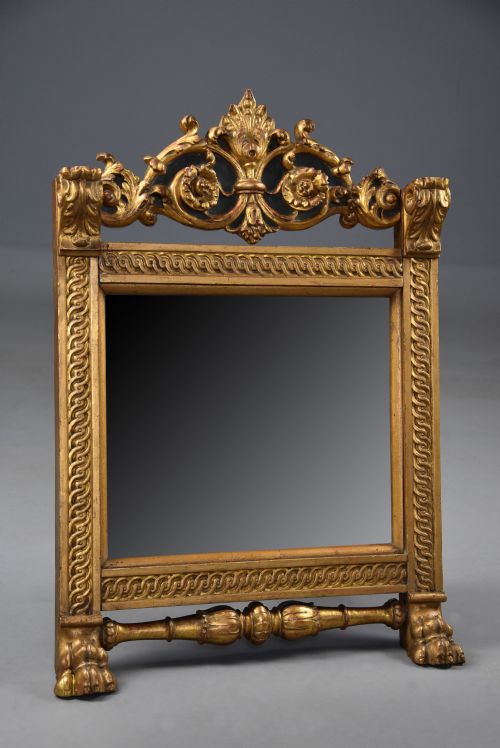
A french vanity frame serves primarily as a looking glass or picture mount for personal grooming spaces, appearing most frequently in table-standing and wall-mounted formats across this collection. These items draw on continental design vocabulary, particularly Louis XV and Rococo revival idioms, alongside simpler provincial forms from the nineteenth and early twentieth centuries.
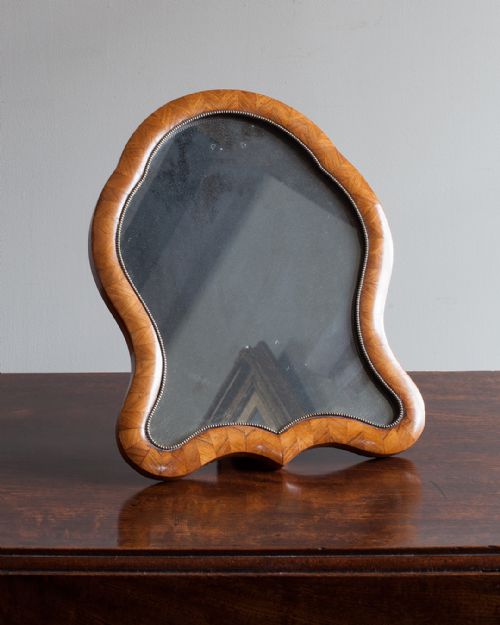
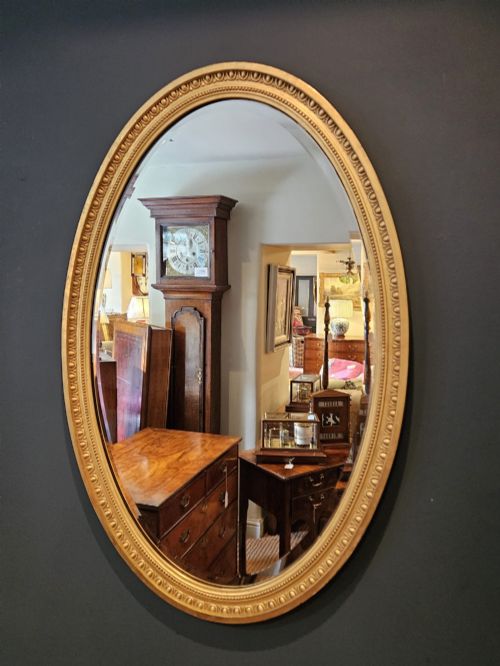
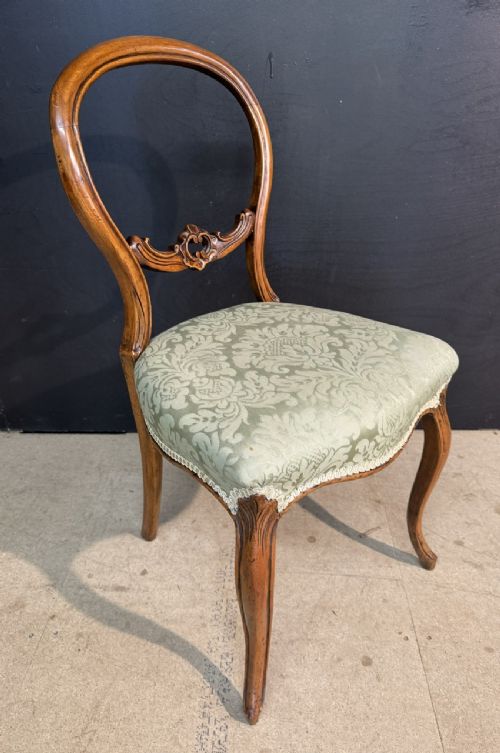
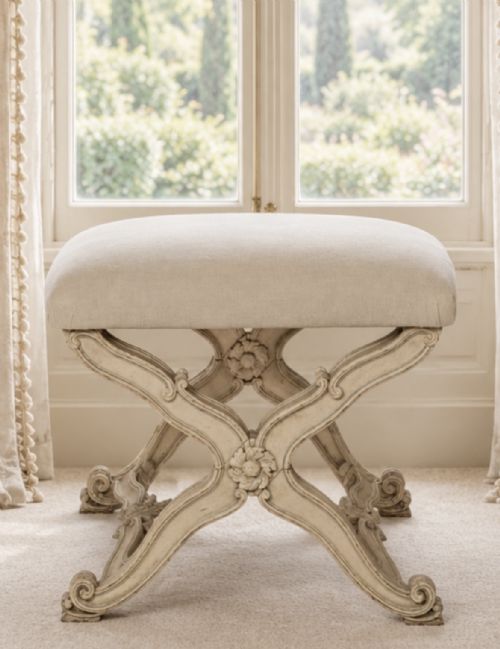
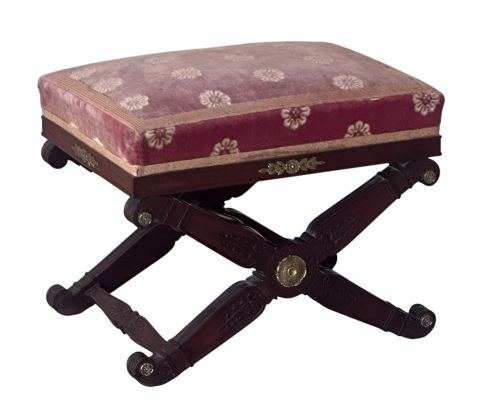
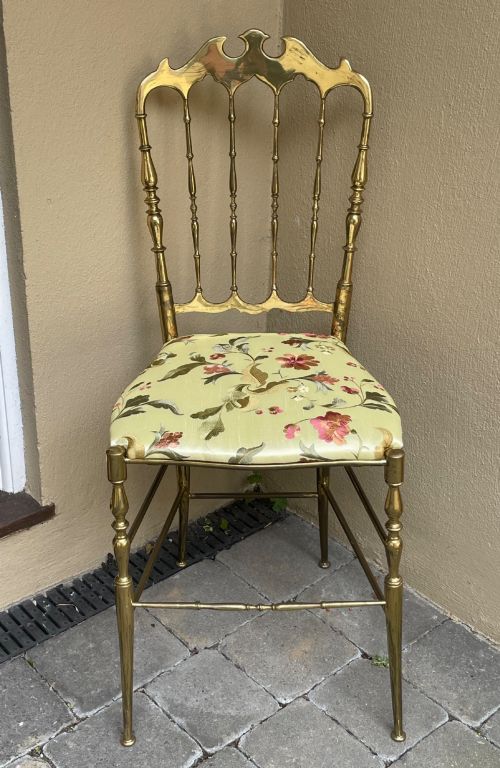
The selection ranges from small easel-backed table mirrors intended for a dressing table to large giltwood wall mirrors and overmantel pieces. Alongside mirrors, related seating such as cabriole leg chairs and stools occasionally share the aesthetic of the dressing space.
Originating largely from the nineteenth century through the early twentieth century, these objects embody periods such as the Victorian era, Edwardian period, and the 1920s and 1930s. The prevalent styles lean heavily towards ornate French chateau, provincial, and rococo revivals.
How they were made
Makers constructed these frames using timber skeletons of oak, kingwood, or carved wood, often finished with applied gesso or layers of gold leaf and silver gilt. Giltwood and painted finishes provide the characteristic lustrous surfaces seen on nineteenth-century examples.
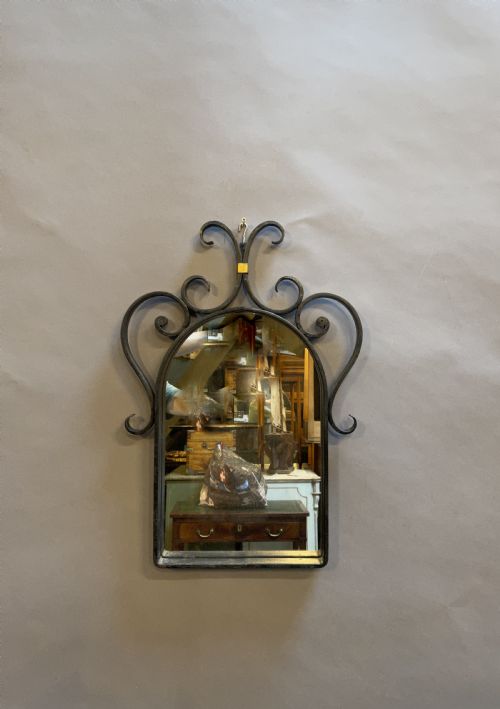
Metalwork played a significant role, with brass, pewter, and gilt bronze utilised for freestanding and easel frames, sometimes incorporating decorative techniques like champleve enamel. Glass elements include bevelled mirror plates fitted securely into rebated wooden or metal channels.
French Vanity Frame Retail Price Guide 2026
Typical asking prices for french vanity frame among the pieces listed under this phrase on Sellingantiques today, from the lower quarter to the upper quarter. They describe what is for sale here now, not the wider market.
Materials represented include glass, giltwood, brass, pewter, oak, kingwood, and painted fabric.
What varies in quality
The finesse of the carving and the depth of the gilding determine the upper tier of these pieces, where hand-tooled gesso and subtle polychrome paint finishes display exceptional artisan skill. Lesser examples rely on simpler stamped metal or flat wooden mouldings with minimal decorative relief.
The integrity of the frame construction and the original quality of the glass plate separate standard utilitarian items from superior salon pieces. Heavier cast brass components and dense hardwoods indicate a higher grade of manufacture than thin plated metals and soft woods.
Louis Auguste Moreau
The French Vanity Frame Glossary
- Giltwood
- Wood that has been coated with a thin layer of gold leaf or gold paint. This technique gives frames a rich, metallic sheen characteristic of formal French styles.
- Gesso
- A plaster-like mixture applied to wood frames as a base for carving and gilding. It allows for intricate, raised decorative motifs.
- Easel mirror
- A tabletop mirror supported by a hinged leg at the back. This design allows the glass to tilt at a convenient angle for dressing.
- Champleve
- An enamelling technique where troughs are carved into metal and filled with vitreous enamel. It appears on decorative metal frames and hand mirrors.
- Cabriole leg
- A furniture leg that curves outward and then tapers inward with a pad foot. This form is typical of Louis XV and rococo revival dressing chairs.
French Vanity Frame: Frequently Asked Questions
What is a french vanity frame?
A french vanity frame is a decorative border surrounding a mirror or picture, designed for personal grooming and interior decoration.
These pieces typically date from the nineteenth and early twentieth centuries, reflecting classical continental styles.
How do I date a brass vanity frame?
Dating involves examining the casting quality, the type of fastener used on the back, and the composition of the metal.
Nineteenth-century examples often feature heavier brass castings and hand-finished details compared to later mass-produced items.
Where should I place a table mirror?
Table mirrors sit well on dressing tables, chests of drawers, or console tables where personal grooming takes place.
Positioning them near a natural light source enhances their reflective utility in a bedroom or dressing room.