






French Urn Planter
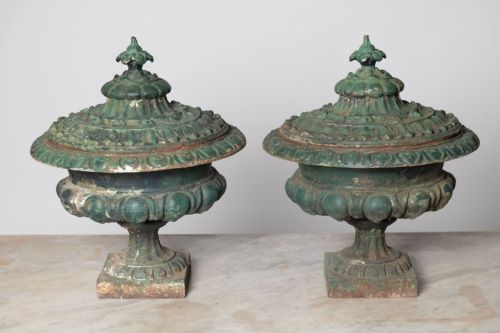
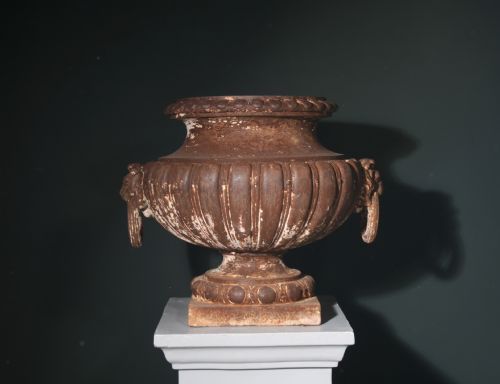
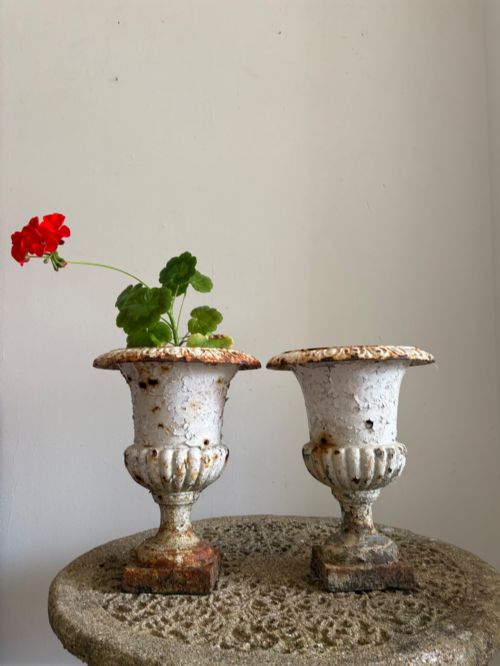
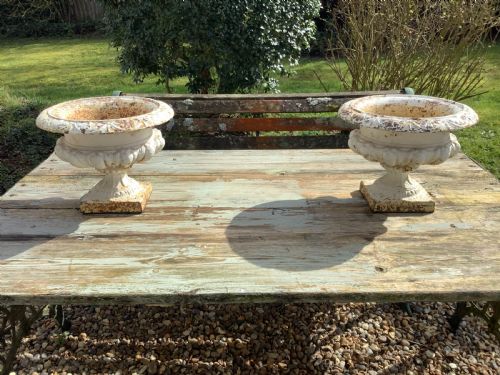
These french urn planter items combine classical grace with practical garden utility, offering durable cast iron and terracotta vessels for planting or display.
French Urn Planter
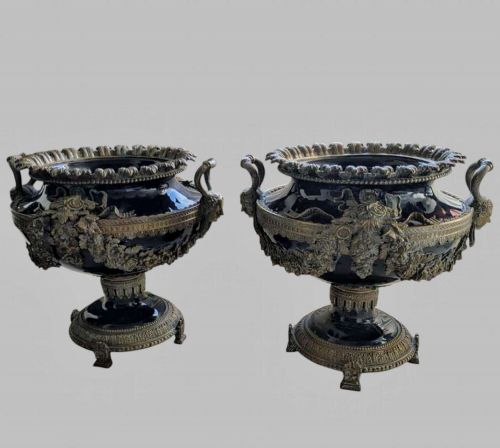
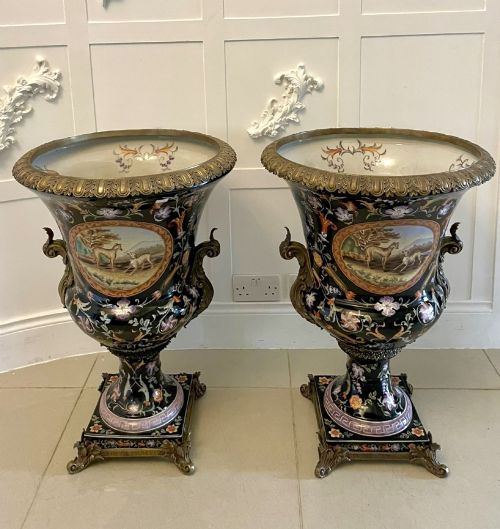
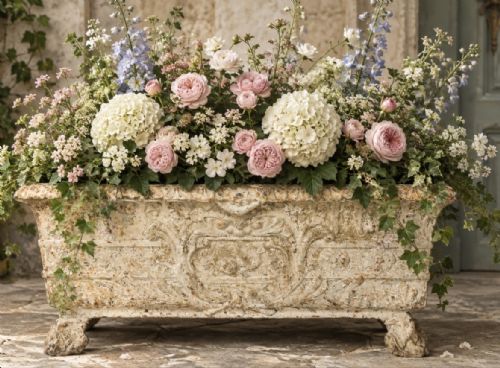
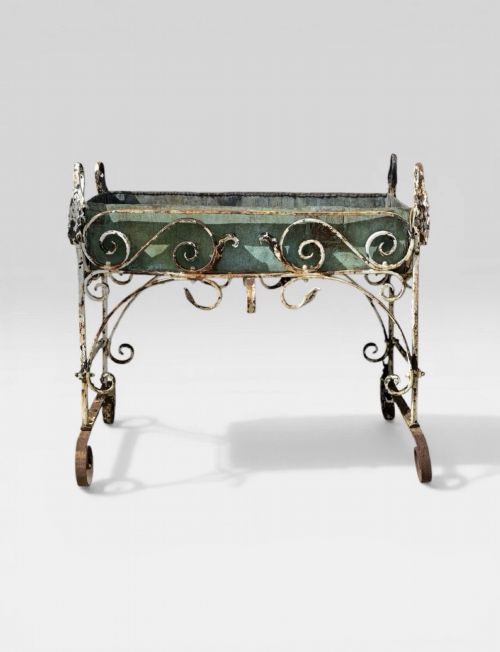
A french urn planter typically manifests as a garden urn, jardiniere, or campana-shaped vessel designed to house plants or stand as architectural decoration.
Most examples originate from the nineteenth century, drawing upon neoclassical, French provincial, and chateau aesthetics for their distinctive silhouettes.
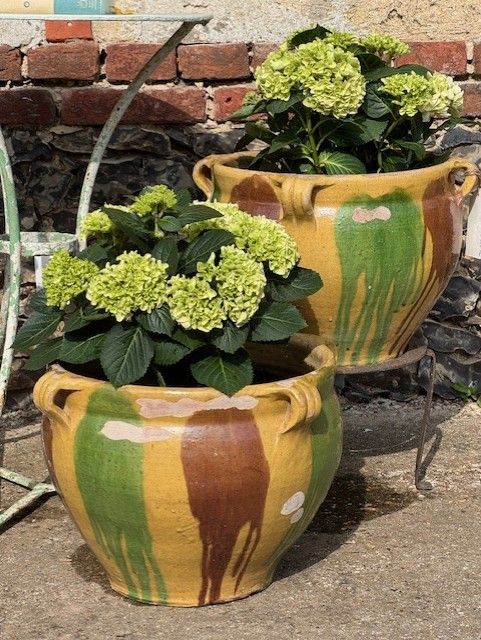
Buyers encounter everything from heavy metal garden vessels to glazed ceramic indoor jardinieres and terracotta olive jars.
Materials and construction methods
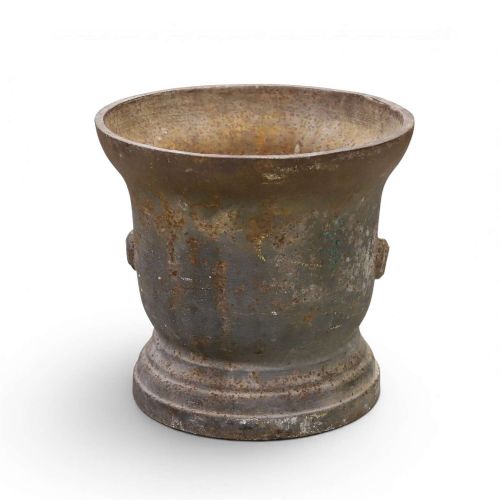
Cast iron and bronze pieces take shape through foundational foundry work, frequently associated with prominent nineteenth-century Parisian foundries.
Terracotta and ceramic vessels rely on traditional throwing and moulding techniques, finished with glazes, dripped coloration, or aged patinas.
Brass, ormolu mounts, and cloisonne enamel add refined decorative detail to porcelain and alabaster table pieces.
French Urn Planter Retail Price Guide 2026
Typical asking prices for french urn planter among the pieces listed under this phrase on Sellingantiques today, from the lower quarter to the upper quarter. They describe what is for sale here now, not the wider market.
Listings feature nineteenth-century cast iron, terracotta, and porcelain forms alongside glazed ceramic planters originating from French provincial workshops.
Qualities that distinguish the range
The degree of crispness in cast ornament and the presence of documented foundry signatures separate standard utilitarian metalwork from masterworks.
Surface finish dictates value, where original distressed paint, natural patination, and intentional drip-glazing outshine uniform modern repainting.
Artisanal touches, such as hand-carved handles on terracotta bodies or precise ormolu mounts, elevate decorative merit significantly.
Val D Osne Foundry·Clement Massier·Barbedienne Paris
The French Urn Planter Glossary
- Campana
- A bell-shaped vase or urn profile popular in classical and neoclassical design. It flares outward toward the rim from a narrow base.
- Jardiniere
- An ornamental pot or stand designed to hold live plants or flowers. These vessels often sit on interior tabletops or pedestals.
- Ormolu
- Gilt bronze ornamentation applied to furniture, porcelain, or clocks. The technique involves a mercury-gilding process yielding a rich golden finish.
- Cloisonne
- Enamelwork created by soldering wire compartments onto a metal base before filling them with coloured paste. Firing vitrifies the enamel into distinct coloured cells.
- Biot jar
- A traditional heavy terracotta storage jar originating from a Provencal village. These vessels frequently display organic surface textures and historical usage wear.
French Urn Planter: Frequently Asked Questions
Where should I place a heavy cast iron planter?
Cast iron garden vessels suit outdoor terraces, garden paths, and patio spaces where their weight provides stability against wind and weather.
Ensure the placement surface remains level and capable of supporting substantial iron mass, particularly when filled with damp soil.
How do I care for antique terracotta pots?
Terracotta requires protection from severe freezing temperatures to prevent moisture trapped within the porous clay from expanding and cracking the vessel.
Clean the surface gently with a soft brush and water, avoiding harsh chemicals that might strip away the historic patina.
What is the difference between a jardiniere and an urn?
A jardiniere functions primarily as a decorative container for holding potted plants indoors or on tables, featuring a flat base and wide bowl.
An urn typically stands on a footed pedestal or base, often taking a more sculptural campana form designed for classical visual impact.
Can these metal planters stay outside year-round?
Cast iron and bronze specimens withstand outdoor exposure well, naturally developing stable surface oxidation and rust patinas over decades of weathering.
Check for adequate drainage holes at the base to prevent standing water from rusting internal iron components during wet winter months.