


French Tin Glazed Pottery
French tin glazed pottery brings together earthenware bodies and opaque white metallic glazes, offering collectors painted regional scenes and decorative forms spanning centuries.
French Tin Glazed Pottery
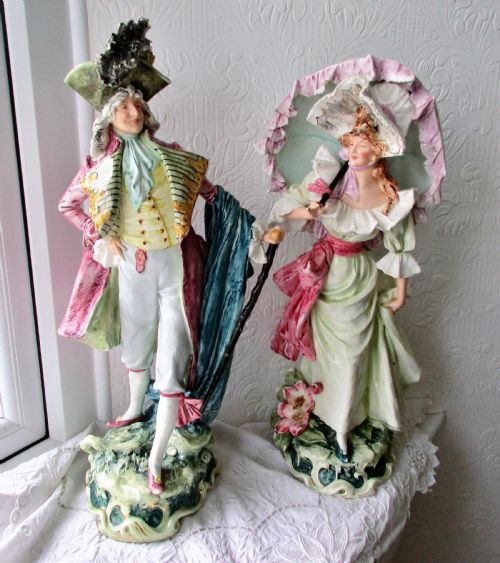
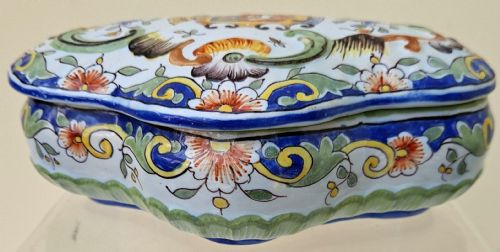
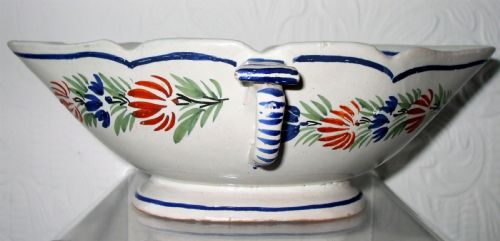
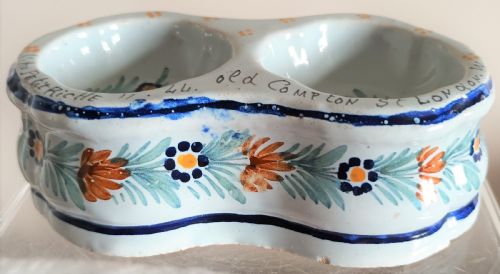
French tin glazed pottery encompasses earthenware pieces coated in an opaque white glaze that takes painted decoration cleanly. Buyers encounter objects ranging from domestic tableware like sauceboats and salt cellars to decorative vases, urns, plaques, and figurines.
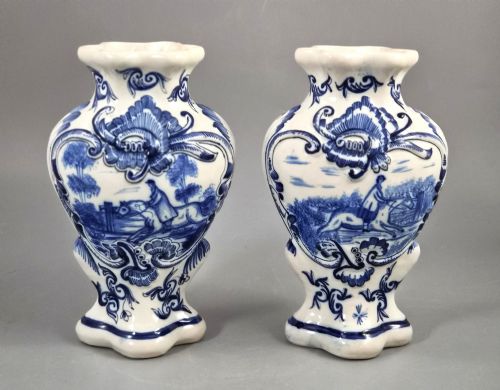
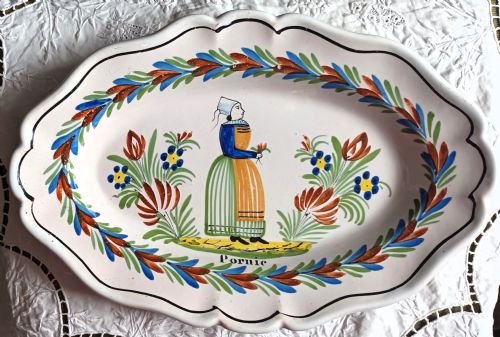
The selections span the eighteenth and nineteenth centuries, including regional works from Quimper, Desvres, Rouen, Nevers, Gien, Marseille, and Lille. Nineteenth-century examples often revive earlier Renaissance or Rococo styles, reflecting historical interest in traditional European ceramics.
Materials and production methods
Potters formed objects from earthenware clay, then applied a tin-oxide glaze to create a white, opaque surface suitable for painting. Artisans decorated the raw glaze by hand using blue, white, and polychrome pigments before firing.
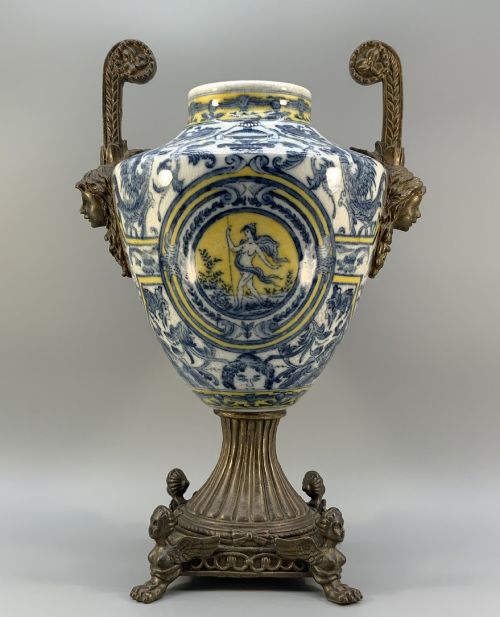
Certain pieces incorporate additional structural elements, such as cast bronze mounts fitted to ceramic bodies. Firing methods allowed pigments to fuse directly with the tin glaze, producing enduring surface decoration.
A tobacco jar shaped like a poodle proves that nineteenth-century smokers appreciated ceramic canine companions.
Distinctions in quality
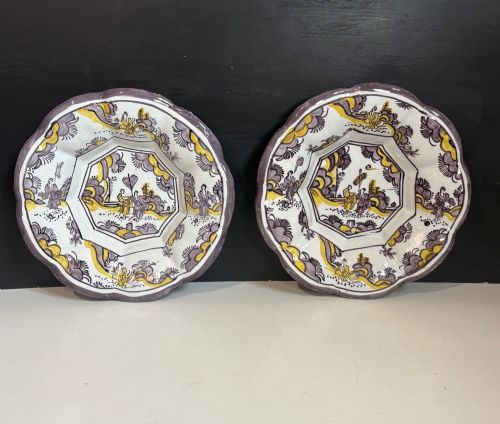
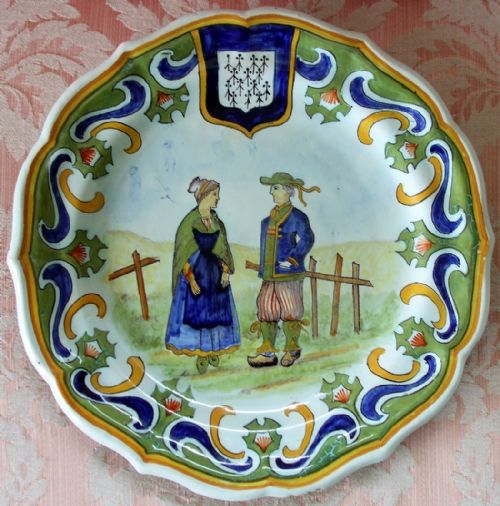
Quality rests upon the precision and detail of the hand-painted decoration, ranging from simple folk motifs to elaborate mythological figures and armorial designs. Finer pieces demonstrate careful brushwork and balanced compositions across plates, vases, and jugs.
The crispness of the earthenware modelling and the smooth application of the tin glaze determine the overall finish of the object. Items bearing clear factory marks from established centres like Quimper or Marseille hold particular interest.
Fourmaintraux-Courquin·Veuve Perrin
The French Tin Glazed Pottery Glossary
- Faience
- Tin-glazed earthenware produced in France. The term covers both utilitarian tableware and ornamental display items.
- Tin Glaze
- An earthenware glaze rendered opaque by the addition of tin oxide. It provides a white background for painted pigments.
- Polychrome
- Decoration employing multiple colours rather than a single hue like blue and white. Artisans used these varied pigments for floral and figurative scenes.
- Sauceboat
- A vessel designed for serving sauces at the table, often featuring double spouts or handles in regional earthenware.
- Vide-Poche
- A small shallow dish meant for emptying pockets. These items frequently appear in fretted or pierced earthenware designs.
French Tin Glazed Pottery: Frequently Asked Questions
How do I identify French tin glazed pottery?
Look for an earthenware body covered in a white, opaque glaze that carries hand-painted blue, manganese, or polychrome decoration. Many pieces bear factory signatures, town names, or regional identifiers on the underside.
Forms range from domestic salt cellars and sauceboats to decorative vases and wall plaques, often reflecting specific provincial traditions from places like Quimper, Desvres, or Nevers.
What is the difference between faience and delft?
Both terms describe tin-glazed earthenware, with faience generally referring to French production and delft traditionally associated with Dutch manufacture, though stylistic overlap occurs in the listings. Nineteeth-century French potters occasionally produced pieces explicitly in a Dutch style using tin-glazed earthenware techniques.
How were these pottery pieces used?
Apothecary jars, sauceboats, bowls, and plates served practical domestic or medical functions in eighteenth and nineteenth-century households. Other items, including figurines, urns, and decorative vases, functioned entirely as interior ornaments.
Specialised forms like vide-poche dishes and tobacco jars accommodated specific daily habits of the period.
How should I clean French faience?
Dust these items gently with a dry cloth and avoid harsh chemical cleaners or abrasive scouring pads that might damage the historic glaze. Tin glaze can be porous if chipped, so immersion in water should be kept to a minimum.
Display pieces away from areas prone to moisture or extreme temperature fluctuations to protect the ceramic body and painted surface.