


French Tabletop Mirror
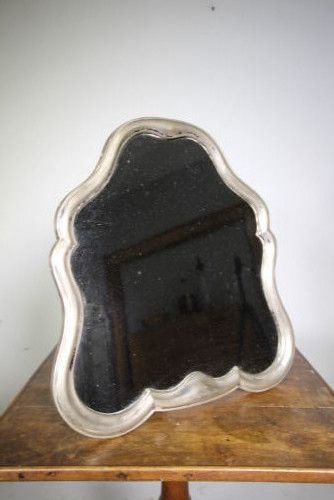
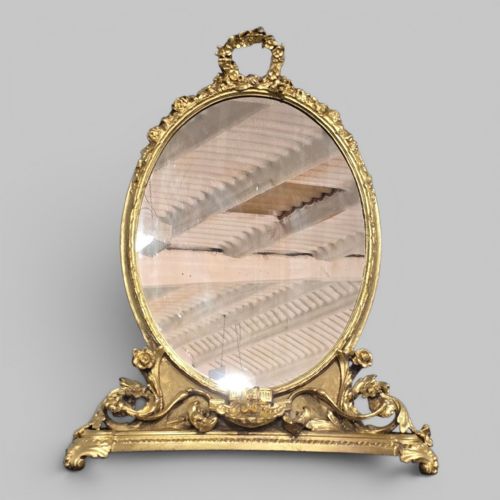
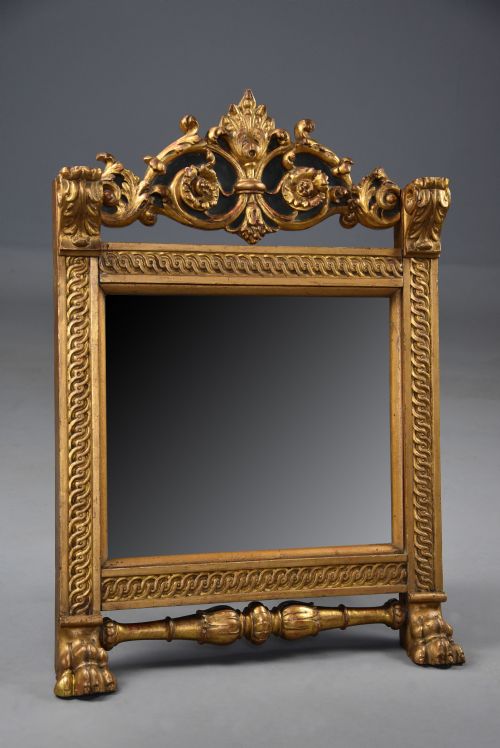
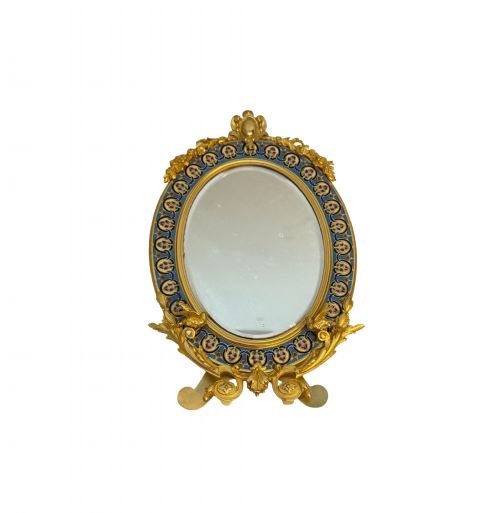
A french tabletop mirror brings reflective elegance to a dressing surface, offering intimate scale and decorative brass or gilt bronze framing.
French Tabletop Mirror
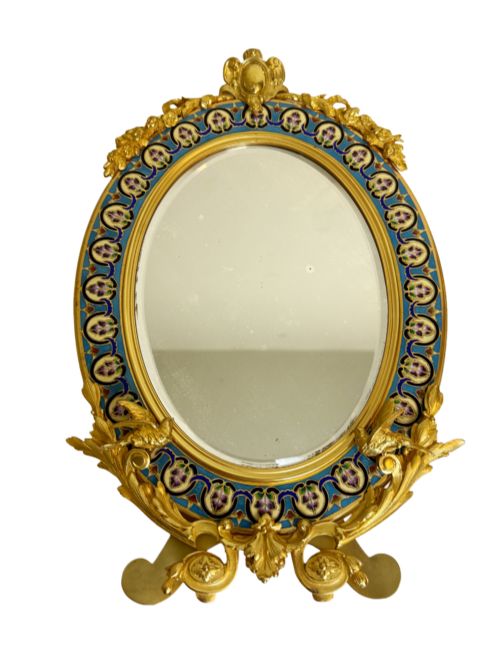
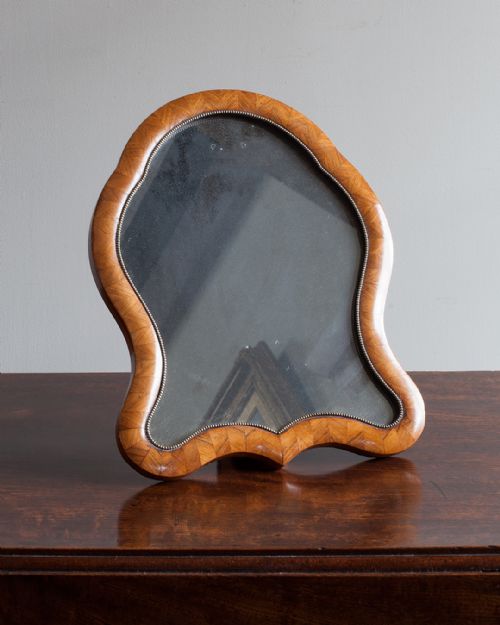
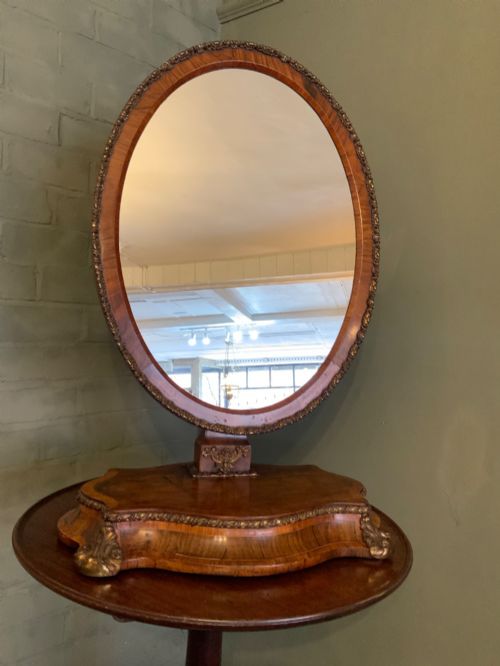
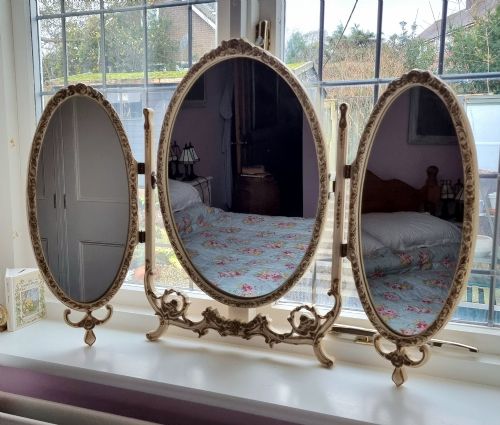
When you search for a french tabletop mirror, you encounter portable looking glasses designed for dressing tables, vanities, and sideboards. The pieces listed here span the nineteenth and early twentieth centuries, featuring distinct iterations from the Rococo Revival, Empire, and Art Deco periods.
You meet oval dressing mirrors, triple-folding toilet glasses, and adjustable pedestal formats most frequently. These functional objects combine bevelled glass with decorative frames intended to sit upon a chest or table rather than hang upon a wall.
The origins stretch across nineteenth-century workshops and early twentieth-century studios, utilising materials from carved giltwood to cast brass. Each item serves both a practical grooming function and a decorative role within a room scheme.
What varies in quality
Quality separates through the crispness of metal chasing on ormolu and gilt bronze mounts, alongside the depth of carved detail in giltwood frames. Superior pieces display refined hand-finishing on enamel panels and porcelain inserts.
The integrity of the pivoting mechanism and the weight of the supporting easel back dictate structural longevity. Heavier gauge brass and solid walnut construction distinguish higher tier items from lighter, simpler counterparts.
Listings feature materials including glass, brass, gesso, gilt bronze, ormolu, giltwood, enamel, and walnut across multiple centuries.
Jean Gille·Demetre Chiparus·F.Bienvue·Mirror Brot
The French Tabletop Mirror Glossary
- Ormolu
- Gilded bronze ornamentation applied to furniture and mirror frames. This technique involves amalgamating gold and mercury onto a bronze base.
- Champlevé
- An enamelling technique where troughs are dug into a metal surface and filled with vitreous paste before firing. It frequently appears on nineteenth-century brass frames.
- Easel mirror
- A looking glass supported by a hinged leg attached to the rear. This allows the mirror to stand independently on a tabletop at an adjustable angle.
- Bevelled glass
- A mirror plate with angled edges ground down for a decorative prismatic effect. This detail indicates finer glass production.
- Toilet mirror
- A historical term for a small dressing table glass designed for personal grooming. These often incorporate small drawers within their wooden bases.
French Tabletop Mirror: Frequently Asked Questions
Where should I place a tabletop mirror?
These mirrors suit dressing tables, chest tops, and sideboards where they provide functional reflection and decorative height.
Position them near natural light sources to brighten corners and bounce illumination across a room.
How do I adjust a pivoting mirror?
Most pivoting mirrors utilise side screws or tension nuts connecting the frame to its upright supports. Tighten or loosen these fixings gently by hand to set your preferred viewing angle.
Avoid over-tightening metal components to protect threaded mountings from wear.
What periods do these mirrors represent?
The selection spans eighteenth-century pieces through to Art Deco designs from the nineteen-twenties and thirties. Nineteenth-century examples frequently showcase Rococo Revival or Empire styling.
Later twentieth-century items introduce streamlined geometric shapes and triple-folding glass panels.
Are these mirrors heavy to move?
Weight depends heavily on the materials used in the frame and base. Cast bronze, marble-backed, and ormolu pieces carry substantial weight for stability.
Wood and brass examples remain lighter and easily portable across different rooms.