


French Style Upholstered Stool
A french style upholstered stool brings continental proportion and tactile comfort to a room, offering a seat that works as easily at a dressing table as by the fireside.
French Style Upholstered Stool
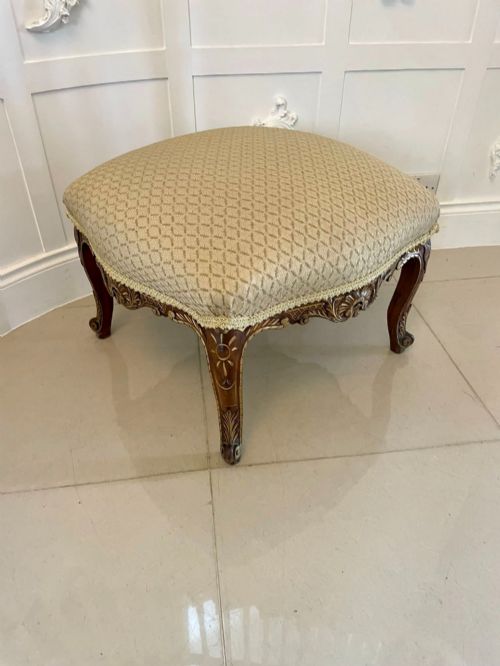
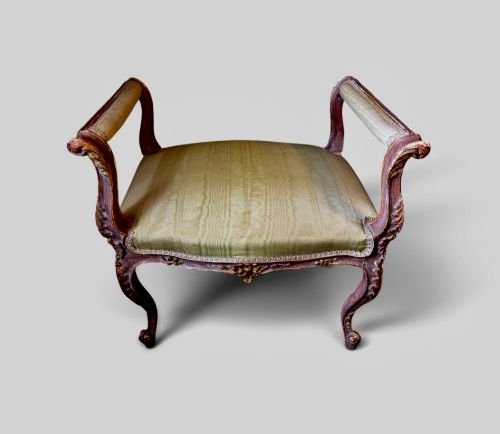
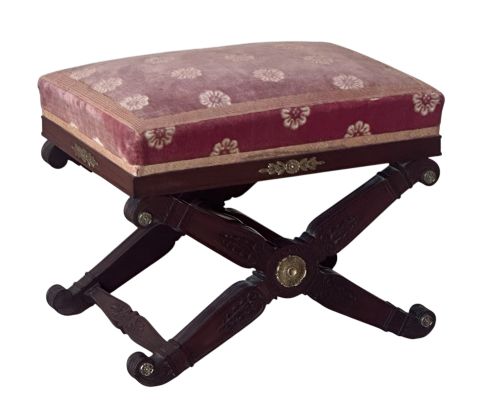
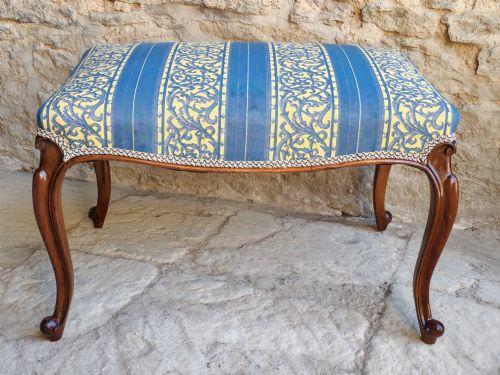
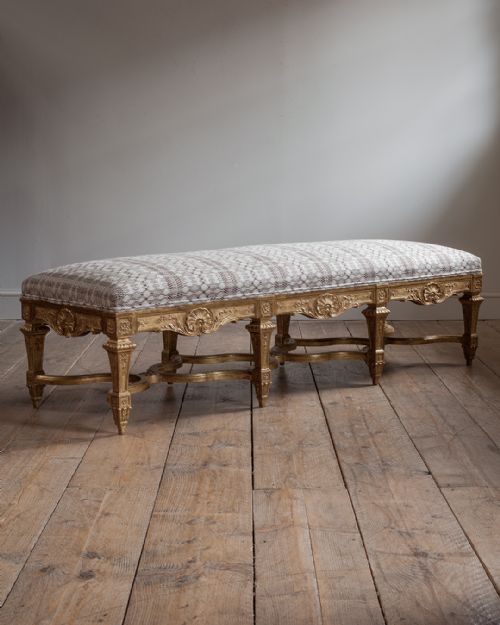
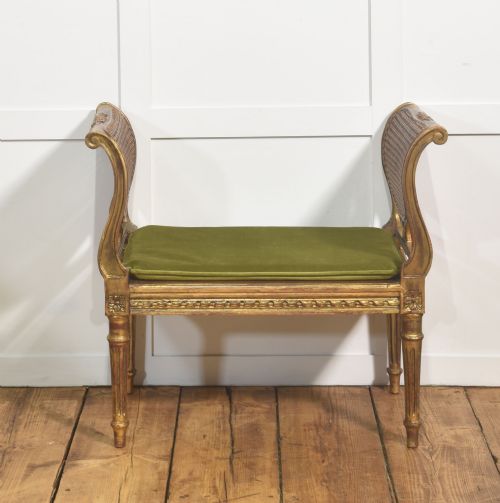
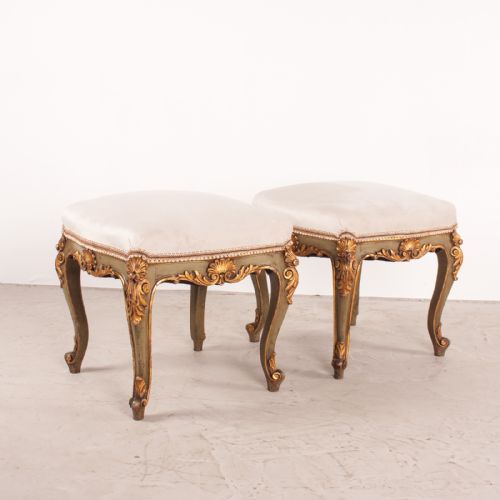
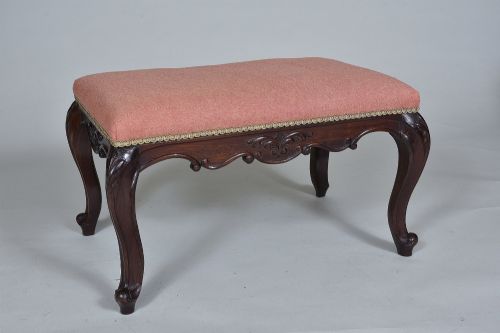
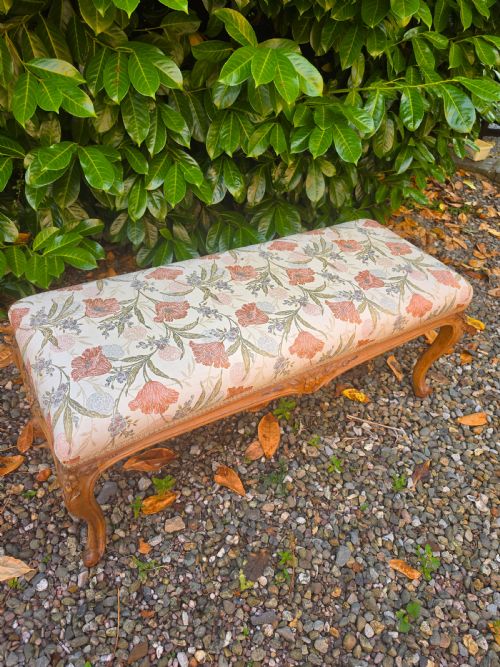
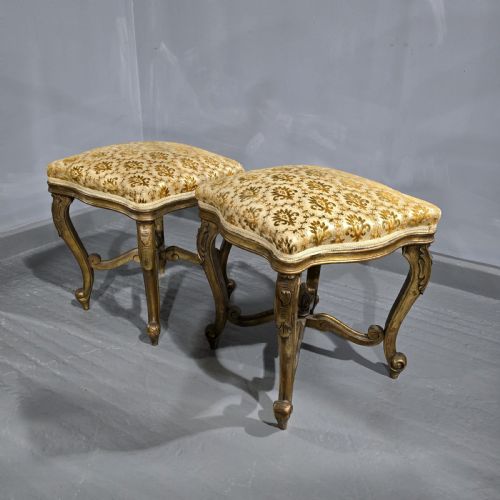
A french style upholstered stool draws on historical continental forms, most visibly the Louis styles, Regency, and Empire periods. You will encounter low footstools, long window seats, and generous boudoir stools designed for placement in a salon or bedroom.
The material vocabulary spans solid woods like walnut and mahogany alongside giltwood and painted finishes, topped with textiles ranging from simple woven fabrics to rich velvet and needlework.
Many examples date from the nineteenth century revival periods or the early twentieth century, echoing earlier craftsmanship while serving contemporary seating needs.
Materials and construction
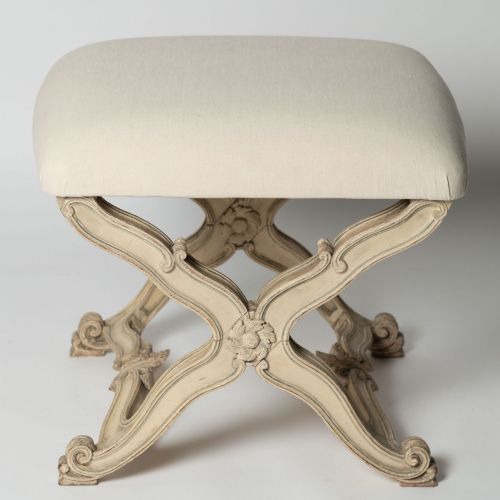
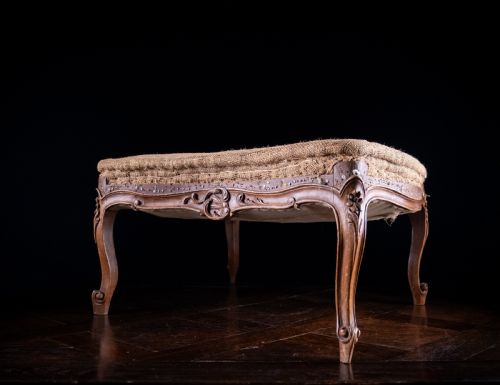
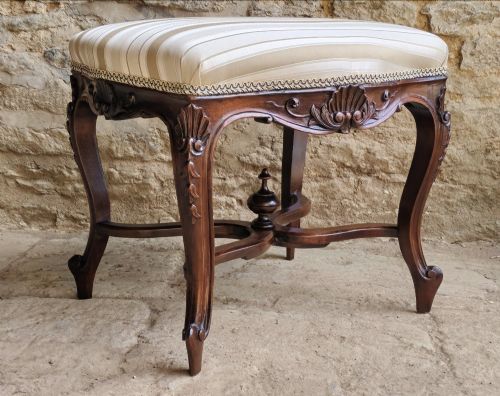
Makers shaped these pieces from dense hardwoods such as walnut, beech, and mahogany, often applying gold leaf or paint to the carved wooden frames. Cabriole legs, X frames, and elaborate mouldings required skilled joinery and hand carving.
Upholstery techniques involved supportive internal webbing and stuffing, finished with textile covers secured by traditional methods including buttoning and decorative trim.
Some nineteenth century makers stamped their Parisian workshop names directly onto the gilded wooden frames.
Judging the work
Depth and crispness in the hand-carved wooden ornament distinguish finer frames from simpler production. Subtle details in the turning of legs and the weight of the timber indicate the standard of workshop output.
The integrity of the original giltwood or painted finish, along with the proportion and scale of the piece, marks the difference between standard domestic furniture and pieces made for formal reception rooms.
LOIDRAULT FRERES PARIS
The French Style Upholstered Stool Glossary
- Giltwood
- Wood that has been coated with thin sheets of gold leaf. This finish appears frequently on formal seventeenth and eighteenth century revival seating.
- Window seat
- An elongated stool designed specifically to sit beneath a window. These pieces often feature arms at either end and cane or upholstered tops.
- X frame
- A structural base formed by intersecting diagonal members creating an X shape. This ancient form reappears in Empire and neoclassical revival designs.
- Needlework
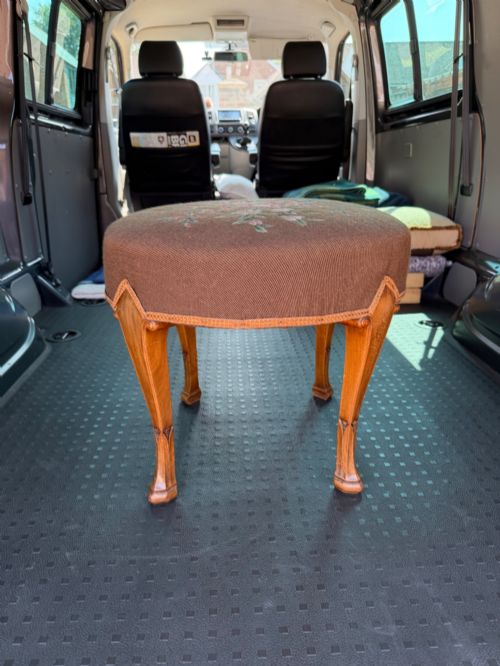
- Hand-stitched textile work used as upholstery. It provides a textured, decorative top surface common on nineteenth century salon seating.
French Style Upholstered Stool: Frequently Asked Questions
Where should I place a window seat?
A window seat fits naturally beneath a low window or at the foot of a bed. Its elongated proportions also suit narrow hallways or empty alcoves.
Positioning the piece against a wall allows the carved frame and upholstery to serve as a decorative accent without blocking walkways.
How do I clean the wooden frame?
Dust the carved wooden elements regularly with a soft, dry cloth. Avoid chemical polishes that can damage older painted or gilded surfaces.
For giltwood, take particular care as the thin gold leaf layer is delicate and easily abraded by vigorous rubbing.
Can I use these stools daily?
Most pieces are built from sturdy hardwoods like walnut or mahogany and handle regular seating use well. Checking the frame joints ensures stability over time.
Antique textiles benefit from gentle treatment, so heavy wear may require protective covers or careful placement in low traffic areas.
How do I tell revival styles apart?
Louis XV style pieces typically display asymmetric curves and floral carvings with cabriole legs. Louis XVI style pieces introduce straight lines, fluted legs, and neoclassical symmetry.
Empire style focuses on bolder architectural forms, often utilising X frame bases and classical military motifs.