



French Style Hall Mirror
These pieces of french style hall mirror bring continental theatre into an entrance, combining gilded frames and heavy glass to catch the morning light.
French Style Hall Mirror
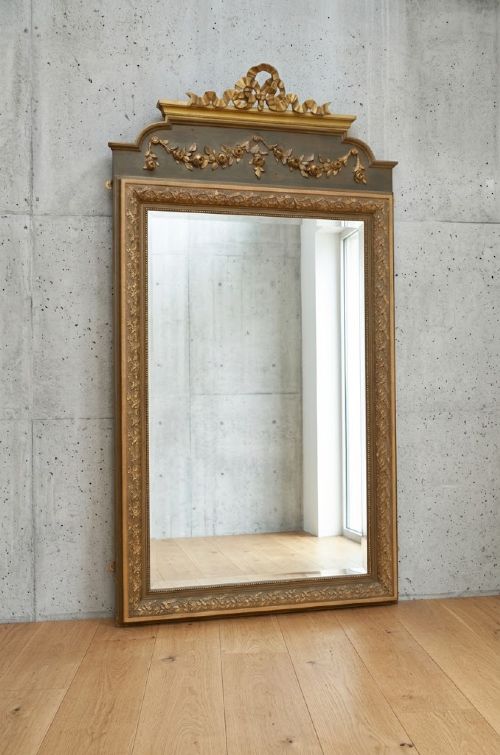
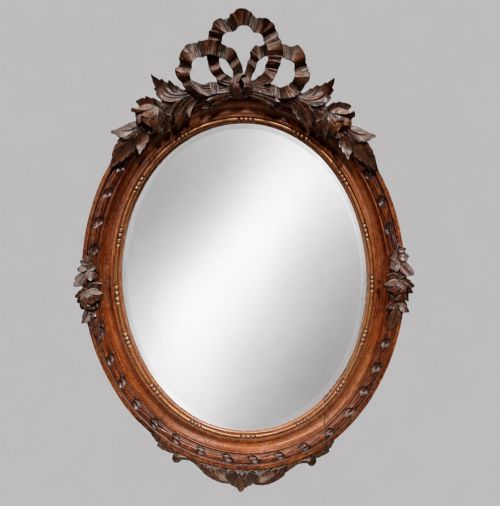
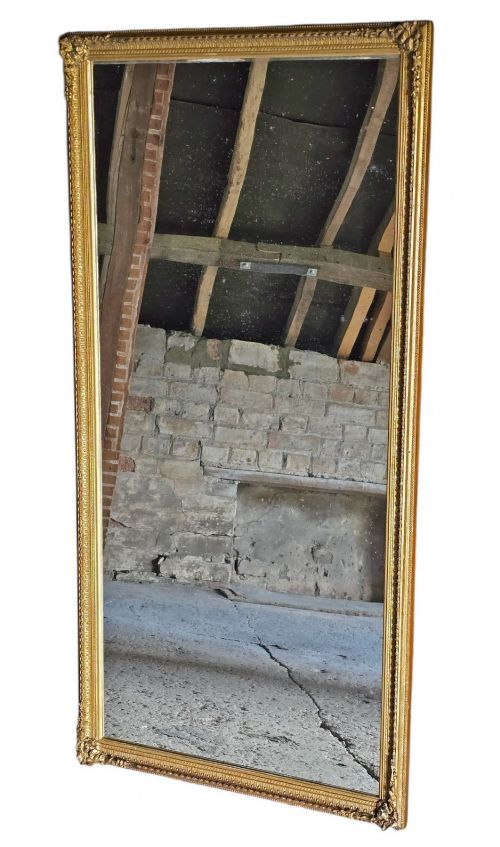
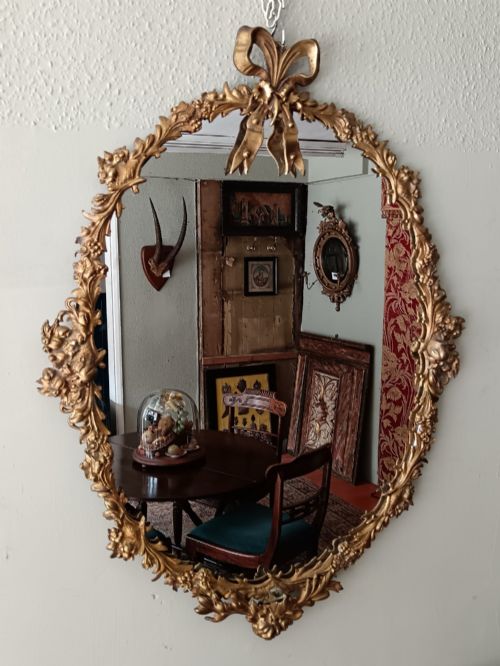
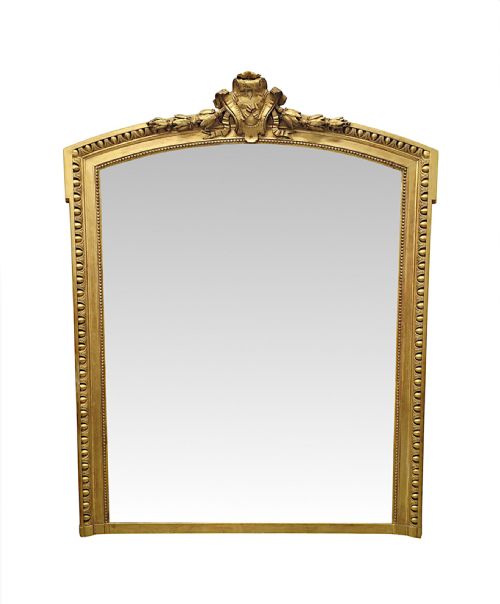
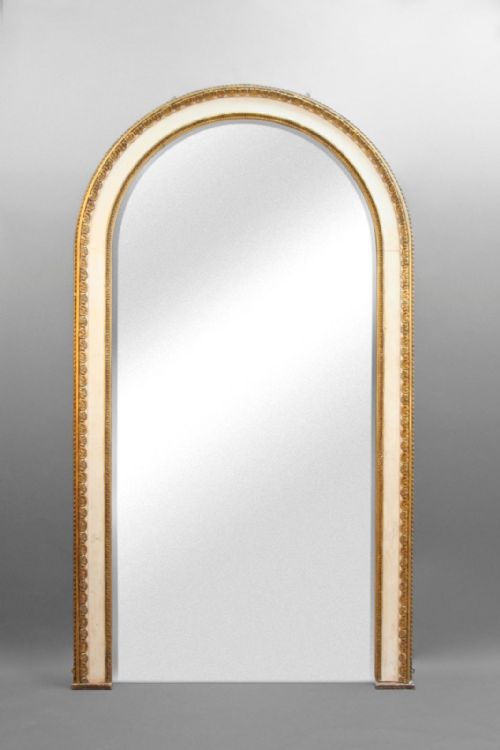
A french style hall mirror is a statement piece designed to anchor a hallway or entrance, frequently appearing in forms such as tall pier glasses, overmantels, and wall-hanging ovals. These mirrors emerge across the nineteenth century and into the early twentieth, drawing on Victorian, Rococo Revival, Baroque, and Empire aesthetic traditions.
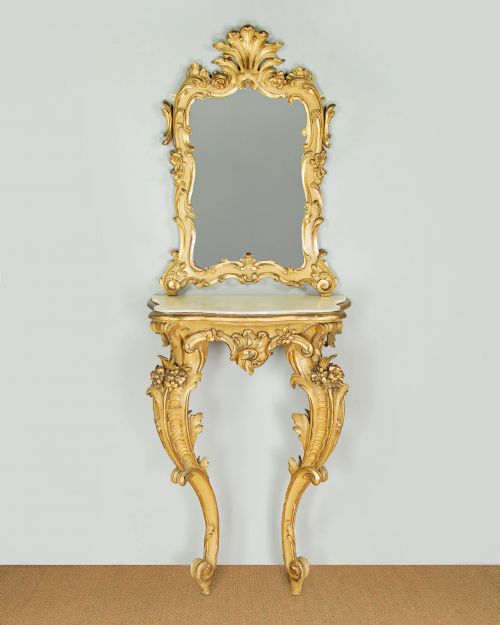
The version most commonly met on this page is a large giltwood or gesso wall mirror, often featuring ornate crests, floral carvings, or cartouches. Alongside standalone mirrors, the selection includes matched console tables and tall hall stands incorporating marble and mahogany.
Originating largely from nineteenth-century workshops and later revival periods, these items reflect enduring European tastes for grand domestic presentation. They serve equally to bounce light down narrow passages and to provide a final check before stepping out of the front door.
How They Were Made
The construction relies heavily on carved wood and moulded gesso built over a timber substrate, which then received layers of gold leaf or paint. Giltwood frames required skilled joinery to support heavy glass plates within elaborate neoclassical or baroque scrolls.
Alternative materials include figured mahogany, wrought iron, and faux bamboo, showcasing the diverse technical repertoire of nineteenth-century makers. Marble tops frequently accompany console tables paired with the mirrors, whilst modern glass replacements appear where original plates have succumbed to foxing.
Listings feature items spanning the nineteenth century up to the nineteen-twenties, incorporating materials such as giltwood, marble, mahogany, and wrought iron.
What Varies in Quality
The distinction between ordinary and exceptional pieces lies in the crispness of the carved detail and the depth of the gilding. Hand-carved wooden ornament holds a sharper definition than cast gesso, revealing the hand of a dedicated artisan rather than factory output.
Proportion and structural integrity dictate the standing of a mirror or console set. Superior examples maintain balanced symmetry in their crests and robust joinery in their frames, ensuring the heavy glass hangs securely without sagging or warping.
Nosotti
The French Style Hall Mirror Glossary
- Gesso
- A plaster-like mixture applied to wood frames as a base for gilding or painting. It is often moulded into intricate relief patterns before the gold leaf is laid down.
- Giltwood
- Timber that has been coated with gold leaf or gold paint. This material forms the bright, reflective frames characteristic of grand nineteenth-century interiors.
- Pier glass
- A tall, narrow mirror designed specifically to hang on the wall space between two windows. It frequently matches a low console table placed directly beneath it.
- Cartouche
- An ornamental tablet or oval frame design resembling a rolled-up scroll. It often sits centrally on the crest of larger mirrors to anchor the decorative scheme.
- Console table
- A table supported by wall brackets or console legs, commonly paired with a matching mirror in grand hallways.
French Style Hall Mirror: Frequently Asked Questions
How do I hang a heavy gilt mirror?
These frames carry significant weight due to thick timber and glass plates, requiring professional wall anchors fixed directly into masonry or studs.
Weight distribution must be managed carefully using heavy-duty mirror plates rather than standard picture wire to ensure safe suspension.
What is a pier glass?
A pier glass is a tall, narrow mirror historically placed on the wall pier between two windows.
In modern halls, they serve the same purpose of maximising natural light and creating an illusion of greater spatial depth.
Are console tables attached to the wall?
Many nineteenth-century console tables rely on wall fixings or brackets for stability, especially when topped with heavy marble slabs.
Matching mirror and console sets often share structural design elements intended to coordinate the entire entranceway.
How do I date a gilded frame?
Dating relies on examining the construction methods of the underlying wood, the composition of the gesso, and the style of the carving.
Nineteenth-century pieces typically show hand-tooling marks and layered preparation beneath the gold leaf that differ from later revival work.