

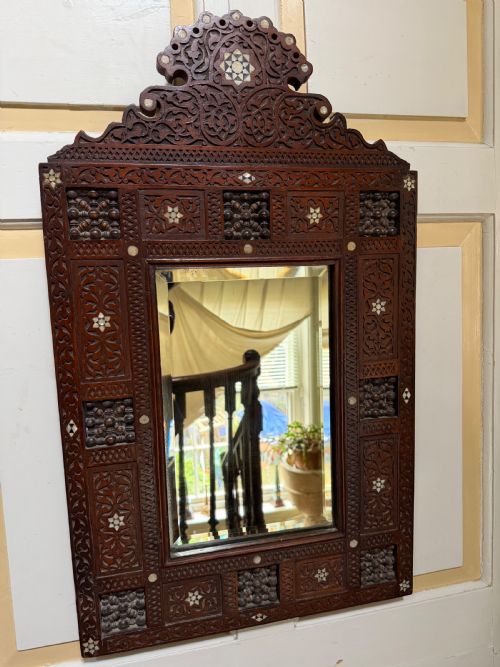


Carved Wooden Arch Mirror
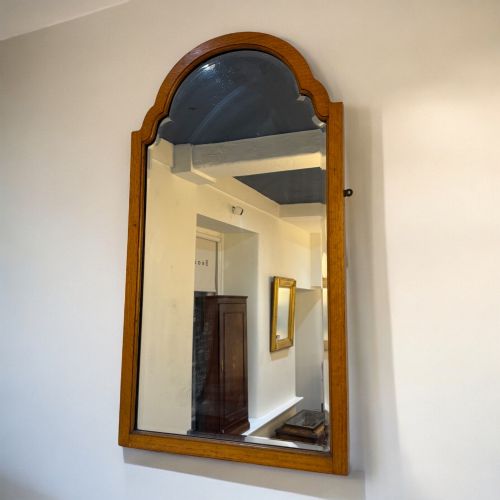
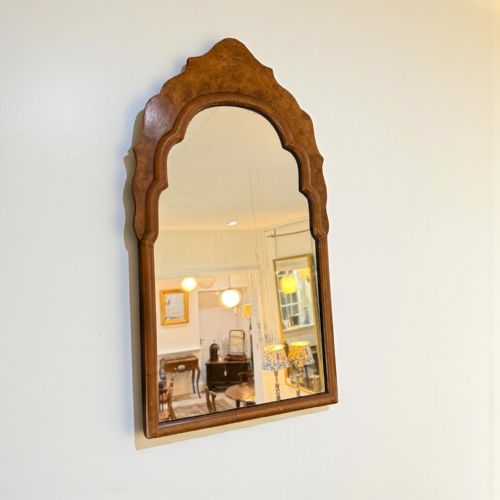
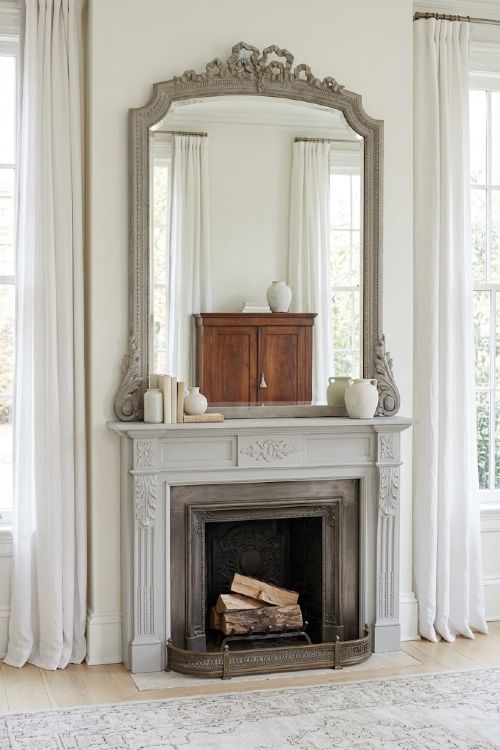
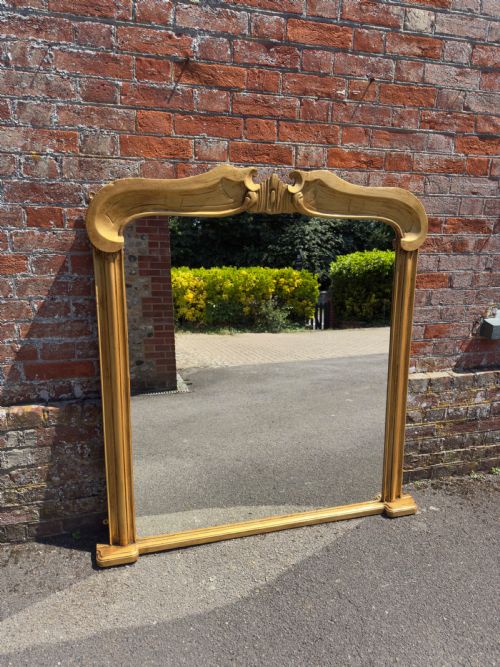
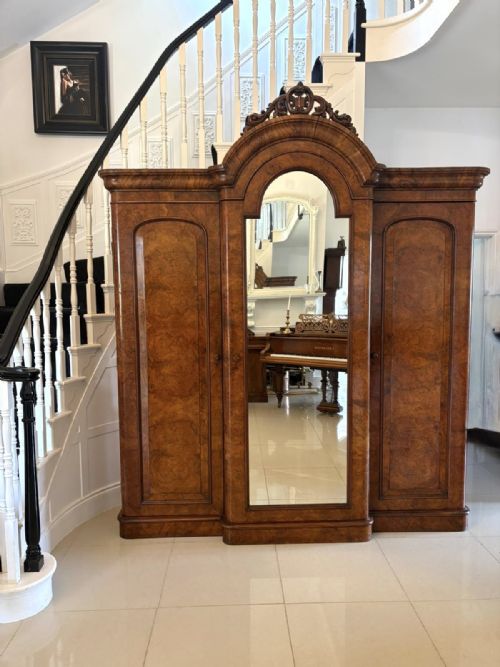
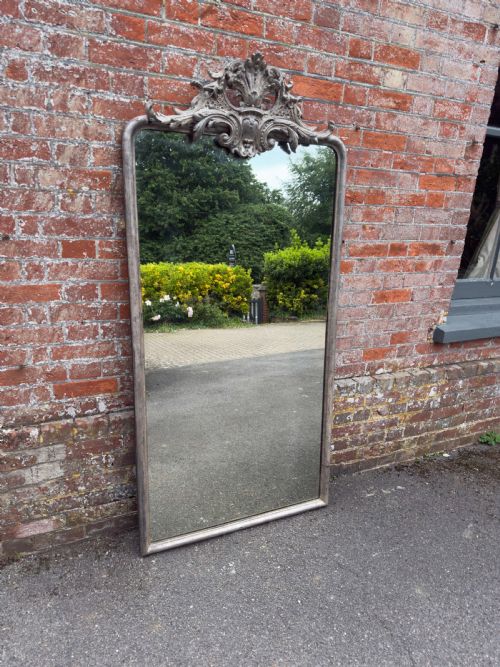
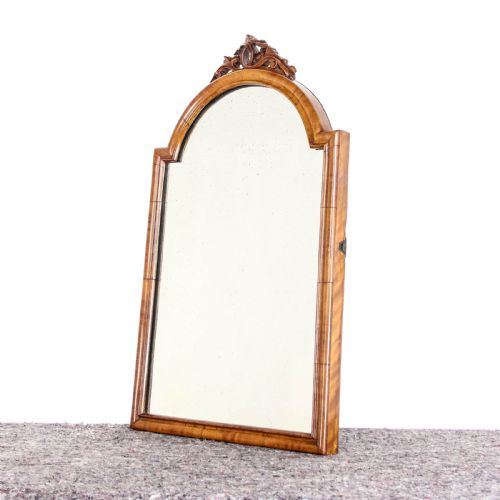
A carved wooden arch mirror brings depth and architectural presence to a room, drawing the eye upwards through its distinct curved top.
Carved Wooden Arch Mirror
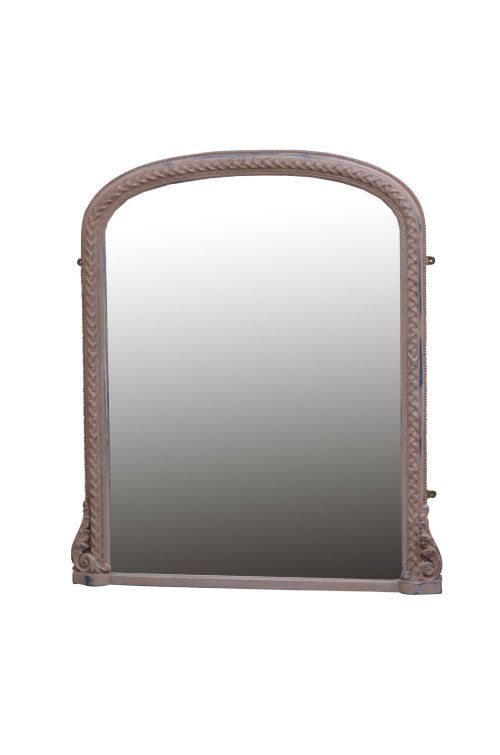
A carved wooden arch mirror is primarily found in nineteenth century overmantel and wall formats, originating from English and French workshops. These pieces combine substantial timber frames with arched crests designed to sit above a mantelpiece or anchor a wall.
Makers utilised traditional joinery and carved wooden decoration to create functional wall furniture that doubled as decorative focal points. The scale ranges from compact dressing table glass to large overmantels intended for principal reception rooms.
How they were made
Craftsmen shaped solid timbers such as walnut, oak, and mahogany to form the foundational structure of the frame. Carved wooden ornamentation was applied directly to the timber or built up using gesso layers to receive paint, silvering, or gilt.
Mirrors from the mid-nineteenth century frequently employ layered palettes, giltwood, or painted finishes over carved wood foundations. Detail work relies on hand carving and applied composition moulding shaped into arched tops and panel motifs.
Some mirrors wear their history openly with an hour glass framed silhouette or a layered lilac and ink blue palette.
What varies in quality
The distinction between standard production and exceptional quality lies in the depth and crispness of the hand carving within the wooden frame. Superior examples display intricate detailing in the gesso and woodwork, particularly around the curved arch and shoulders.
Makers who supplied high end commissions employed superior cabinet timbers like burr walnut and heavier structural framing that maintained rigidity across large spans. Original surface treatments, whether layered paint, silvering, or gilt, retain a depth that lesser or later refinished surfaces lack.
Liberty and Co
The Carved Wooden Arch Mirror Glossary
- Overmantel mirror
- A large mirror specifically designed to be hung on the wall directly above a fireplace mantelpiece. These pieces often feature wide frames and horizontal or arched proportions suited to domestic hearths.
- Gesso
- A plaster based material applied to wooden frames to provide a smooth surface for gilding or painting. It allows craftsmen to model sharp relief details before finishing.
- Giltwood
- Timber that has been covered with a thin layer of gold leaf or gold paint. This finish catches candlelight and natural illumination within a room.
- Louis Philippe
- A French nineteenth century design style characterised by restrained classical proportions and gentle arched crests. It avoids excessive ornamentation in favour of clean architectural lines.
- Moorish Revival
- An architectural and decorative style incorporating geometric patterns and intricate carved motifs inspired by Islamic design. Pieces in this tradition often utilise inlaid materials alongside carved wood.
Carved Wooden Arch Mirror: Frequently Asked Questions
Where should an arch mirror be hung?
An arch mirror traditionally hangs above a fireplace mantelpiece where the curved top echoes the architectural lines of the chimney breast. It also functions effectively on a principal living room wall to reflect light.
Positioning the piece at eye level ensures the proportions of the frame anchor the surrounding furniture.
How do I identify a nineteenth century frame?
Nineteenth century frames display timber construction methods appropriate to the period, including hand cut joints and heavy wooden backboards. The materials often show authentic wear beneath layered paint or gilt surfaces.
Examining the weight of the timber and the composition of the gesso helps distinguish nineteenth century output from later revival pieces.
What is the difference between French and English styles?
French mirrors from this era often feature shaped crests, gesso ornamentation, and painted or silvered finishes associated with Louis Philippe and provincial aesthetics. English examples tend to favour exposed walnut or oak framing with simpler architectural moulding.
Both national traditions produced large overmantel formats intended for domestic reception rooms.
How do I care for antique carved wood?
Antique carved wood benefits from dusting with a soft, dry cloth to prevent particulate buildup within the recessed carved details. Avoid liquid polishes and wax buildup that can dull original painted or gilt surfaces.
Keeping the mirror away from direct heat sources and strong moisture fluctuations preserves the underlying timber and gesso.