
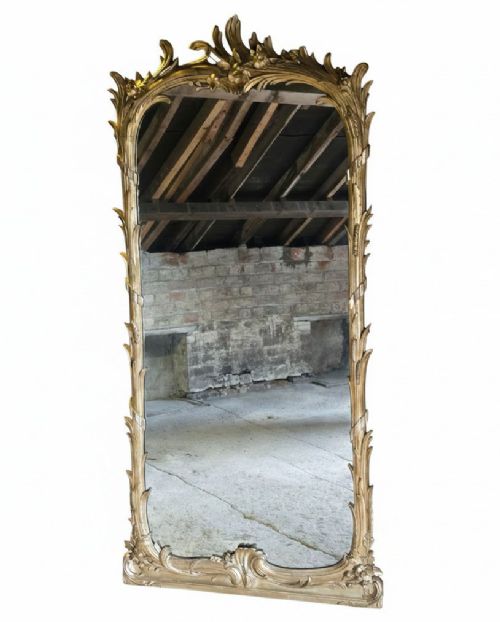
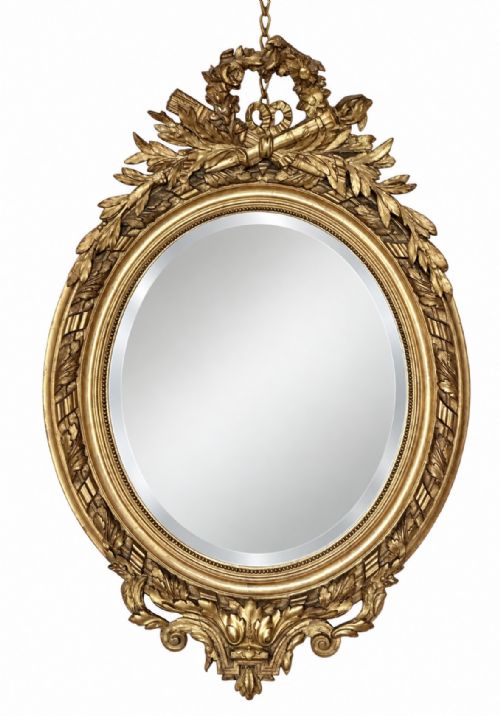


French Style Giltwood Mirror
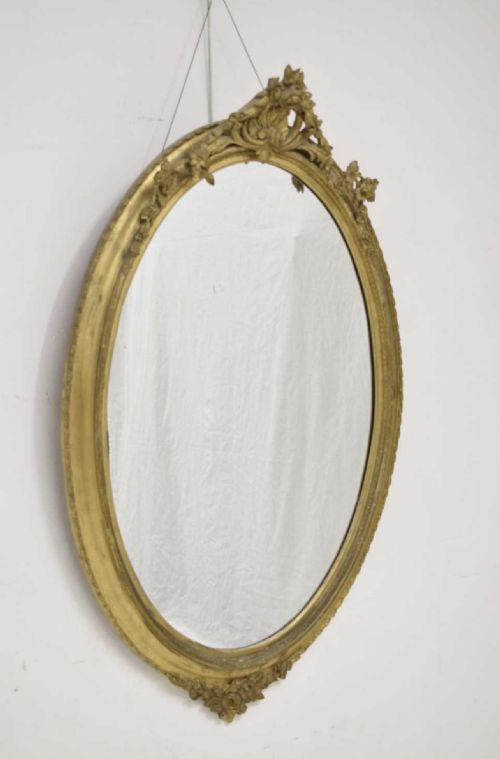
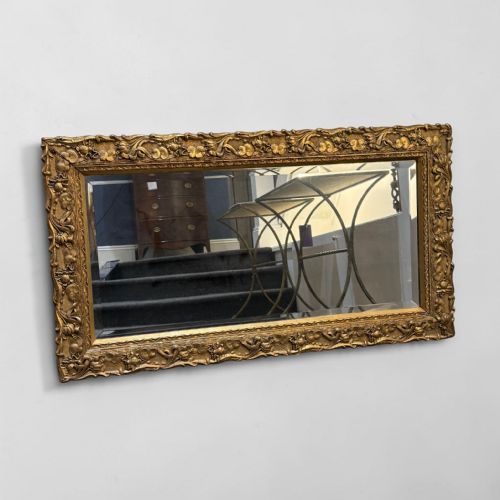
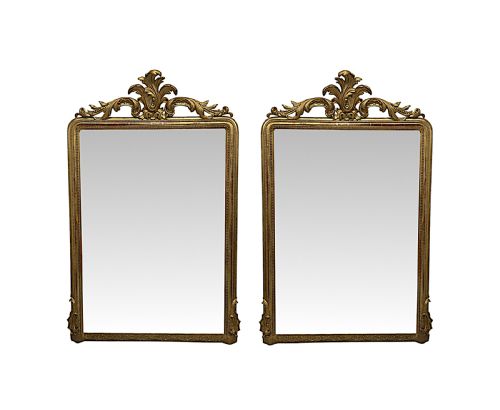
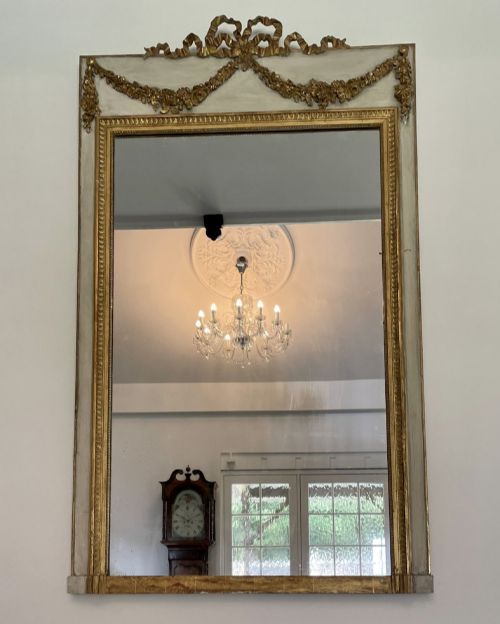
A french style giltwood mirror brings deep reflection and nineteenth-century grandeur into a room through carved gold leaf and substantial proportions.
French Style Giltwood Mirror
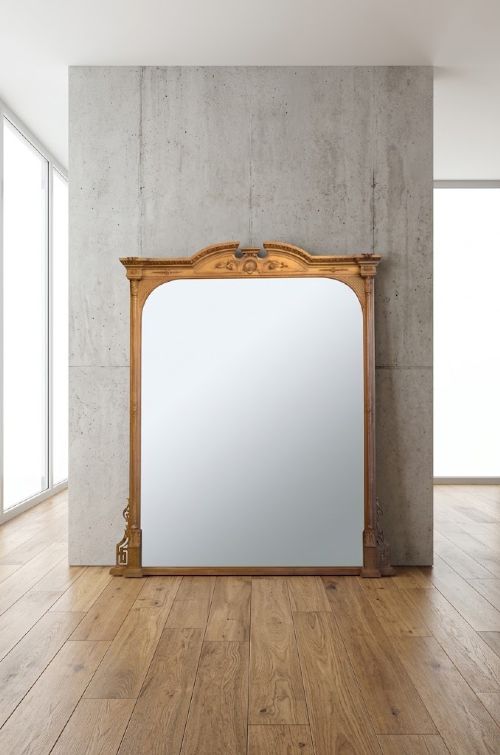
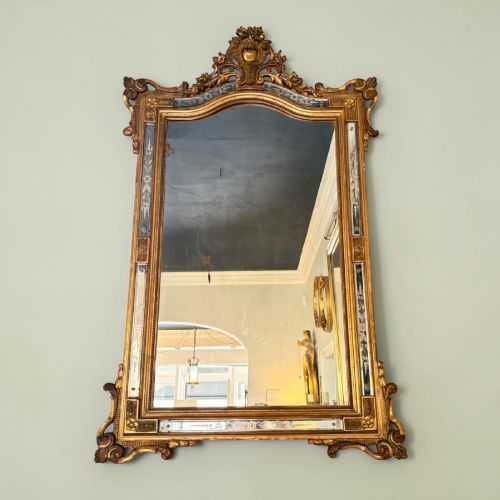
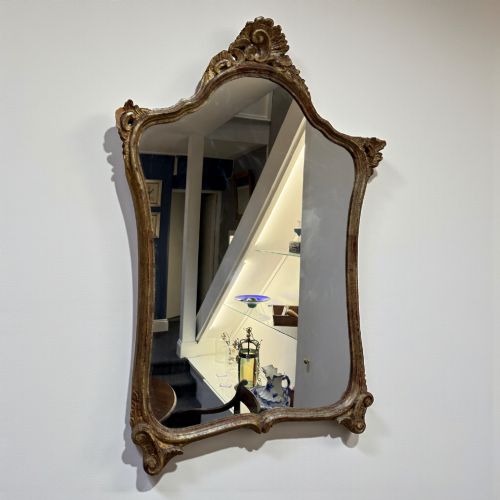
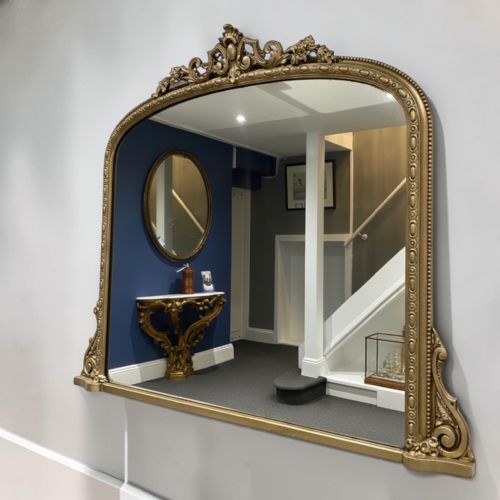
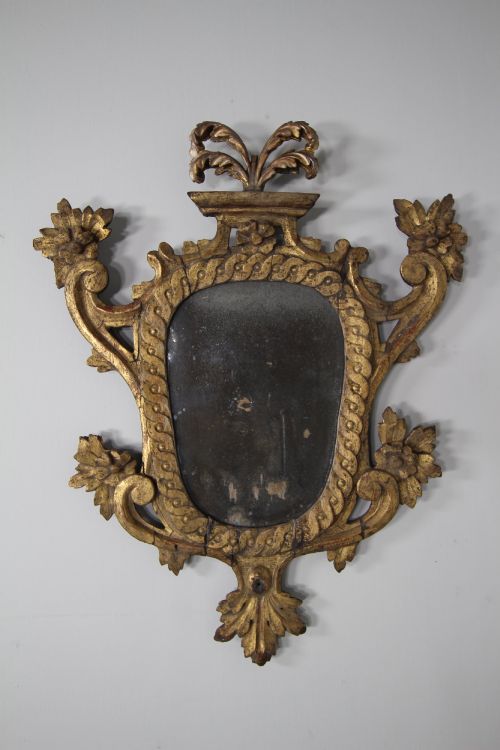
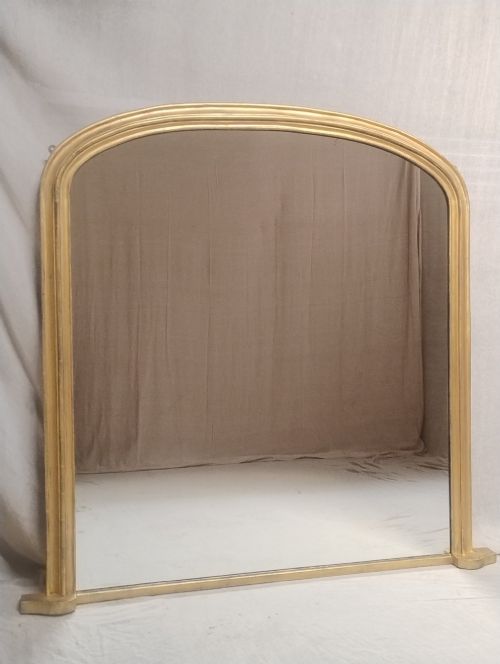
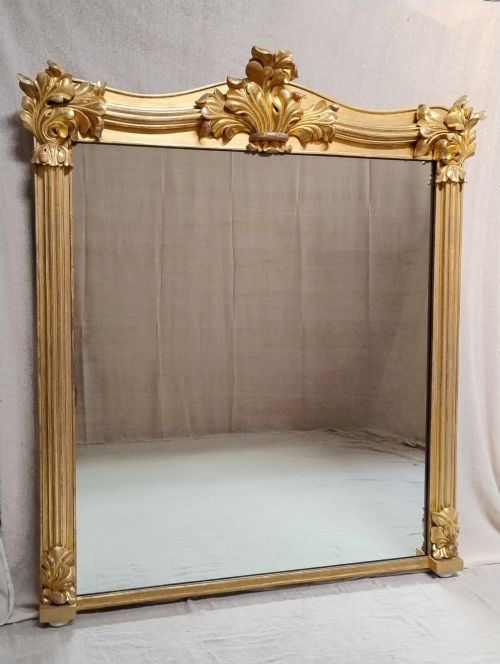
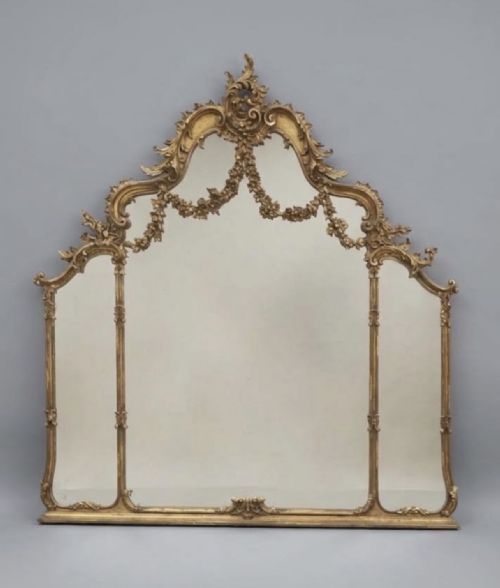
A french style giltwood mirror appears principally across nineteenth-century variations, incorporating Victorian, Edwardian, and specific continental revivals such as Rococo and Louis styles. Buyers examine massive overmantel pieces, full-length leaner mirrors, and smaller wall-hung girandoles fitted with candle sconces.
The architectural shapes span arched tops, shaped frames, and grand rectangular proportions designed to dominate a chimney breast or principal wall. These items draw heavily from French Chateau and Neoclassical design vocabulary while maintaining roots in British and continental workshops.
Materials and Construction
Makers built these frames from timber, gesso, and wood, applying gold leaf or paint over intricate carved details. Composition ornament and plaster moulded elements frequently reinforced the deeper relief work seen on Victorian and Edwardian examples.
Mirrors utilised heavy glass plates, occasionally retaining mercury backing or exhibiting foxing alongside later bevelled replacements. Joinery combined carved wooden foundations with applied plaster coats to hold complex scrollwork and floral motifs.
Listings feature eighteenth to twentieth-century periods, dominated by nineteenth-century Victorian and Edwardian examples in giltwood and gesso.
Judging the Standard
The depth of hand-carving and the crispness of the gesso mouldings separate standard production from superior pieces. Crisp undercut foliage and sharply defined scrolls indicate superior artisan involvement rather than routine factory replication.
The integrity of the gilding and the preservation of the original glass plate determine the visual weight of the object. Intact gold leaf reflects natural light evenly, while high-grade mirror plates retain depth without distorting the interior reflection.
The French Style Giltwood Mirror Glossary
- Giltwood
- Wood carved and covered with a thin layer of gold leaf. This material provides the bright, metallic finish characteristic of formal period decoration.
- Gesso
- A plaster mixture applied to a wooden frame as a base for carving and gilding. It allows for intricate relief ornamentation that wood alone cannot hold easily.
- Overmantel Mirror
- A wide mirror designed to hang above a fireplace mantelpiece. These pieces often feature low proportions to fit horizontally across wall spaces.
- Girandole
- A decorative wall mirror featuring attached candle sconces or display brackets. The metal arms reflect candlelight into the room.
- Mercury Glass
- Glass backed with a quicksilver amalgam, producing a dark, atmospheric reflection. This historical technique creates characteristic foxing spots over time.
French Style Giltwood Mirror: Frequently Asked Questions
Where should a large overmantel mirror hang?
These large mirrors traditionally sit directly above a fireplace mantelpiece to anchor the room's proportions and draw light inward. They also function successfully as freestanding leaner mirrors against principal walls.
Secure heavy wooden frames directly into structural wall studs using appropriate fixings to support the considerable weight of timber and glass.
What is the difference between gesso and carved wood?
Carved wood forms the structural foundation of the frame, shaped directly by hand tools. Gesso acts as a smooth surface layer applied over the timber to receive intricate mouldings.
Finer pieces rely heavily on deep wood carving, whereas decorative relief details often utilise moulded gesso and composition material.
How do I identify a nineteenth-century French style mirror?
Nineteenth-century examples display characteristic Rococo Revival, Louis XIV, or Louis XVI styling through C-scrolls, floral garlands, and symmetrical cartouches. Look for construction methods involving pegged timber joints and early backing boards.
French pieces frequently exhibit slender proportions and dynamic crestings compared to heavier contemporary British overmantels.
Can I clean the original mirror glass?
Original glass plates require gentle cleaning with a dry or lightly dampened microfiber cloth. Avoid abrasive chemical cleaners that might damage fragile mercury backing or foxed surfaces.
Preserve the integrity of antique glass by avoiding excessive moisture near the edges where silvering meets the wooden rebate.