




French Style Ceramic Urns
French style ceramic urns are decorative vessels combining classical forms with porcelain, faience, and ormolu mounts to bring continental flair into an interior.
French Style Ceramic Urns
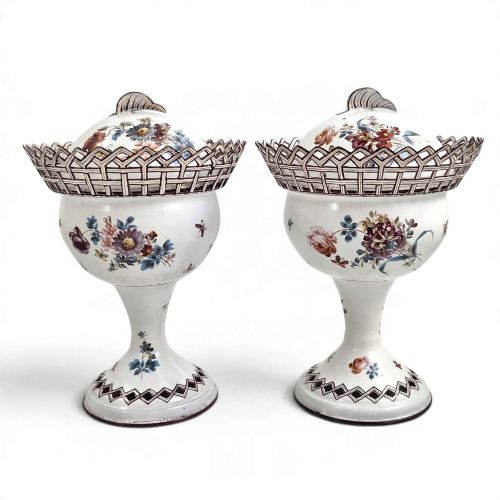
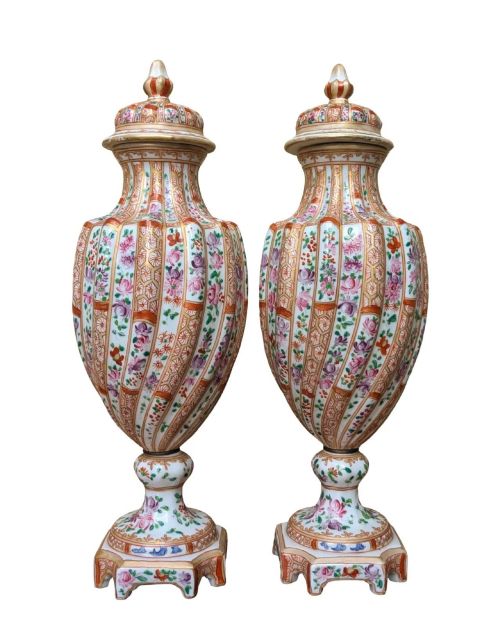
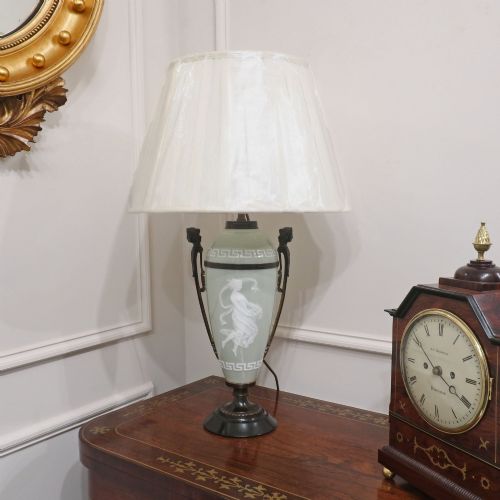
French style ceramic urns encompass decorative vases, lidded vessels, and table lamps produced across the nineteenth century and into the Edwardian era. These pieces draw heavily upon historical vocabularies, notably French Rococo Revival, Neoclassical, and Sèvres-style aesthetics.
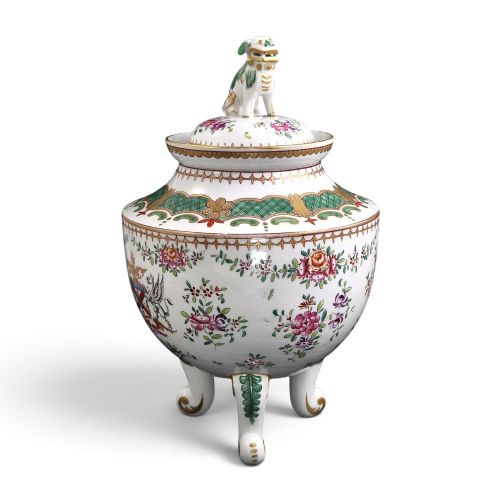
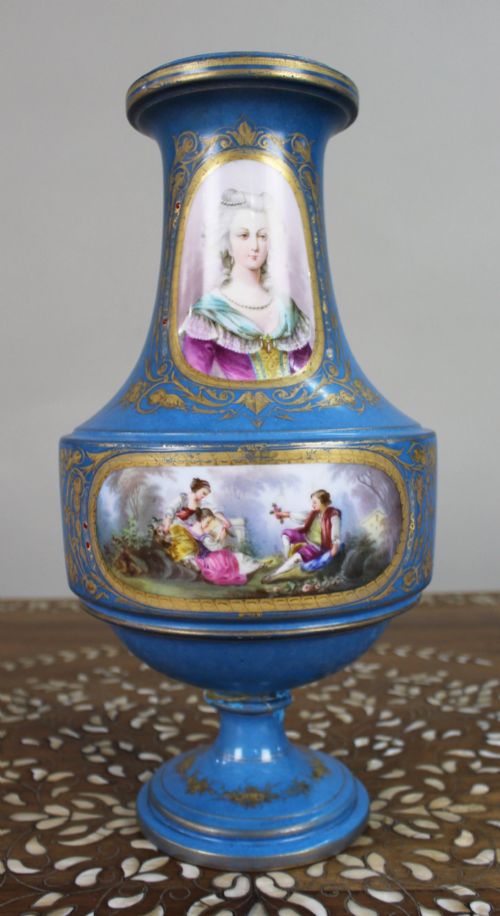
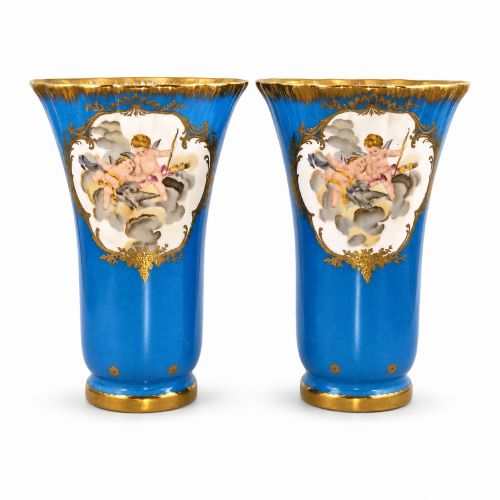
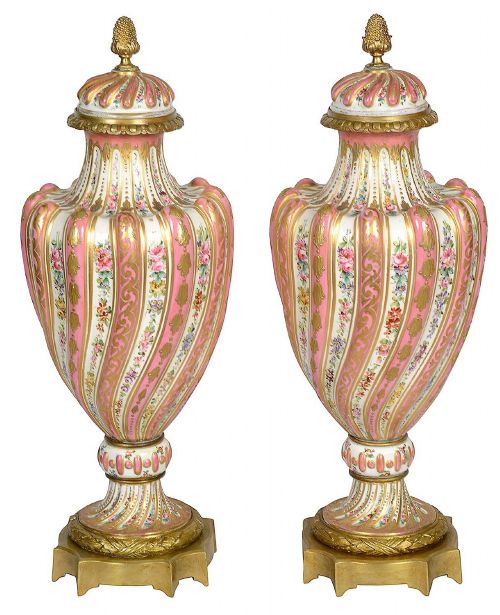
Makers frequently turned to older prototypes, producing porcelain painted with exotic birds, armorial motifs, or bleu céleste grounds alongside faience and earthenware jars. Buyers on this page will most commonly encounter nineteenth-century Sèvres-style lidded vases and Paris porcelain pieces reflecting these classical influences.
How They Were Made
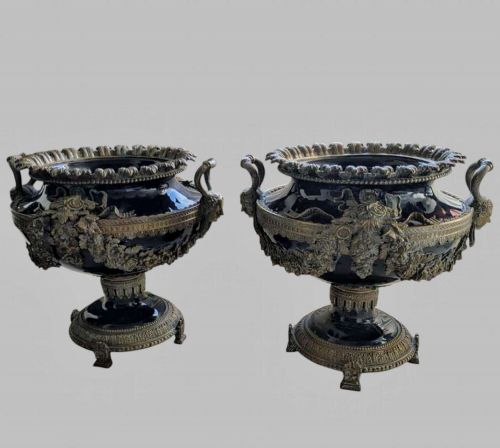
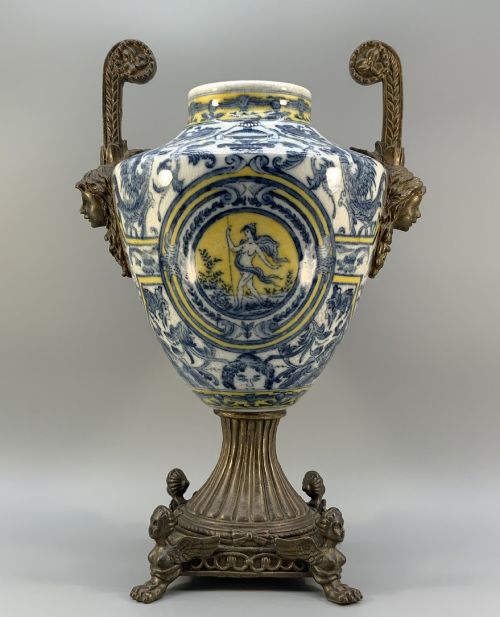
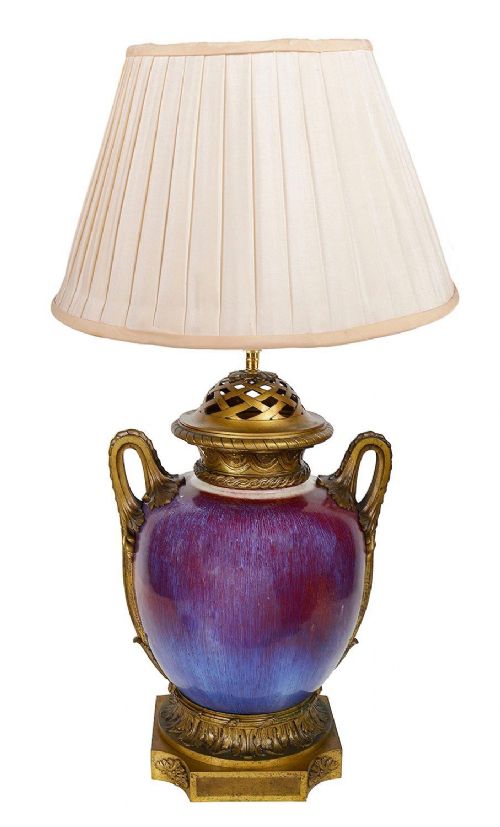
These vessels rely on ceramic bodies shaped from porcelain, earthenware, terracotta, or faience, often finished with hand-painted details and polychrome enamels. Artisans frequently integrated gilt bronze and ormolu mounts to frame the ceramic work.
Surface decoration combined underglaze painting, pate sur pate, and gold leaf application, requiring multiple firings in kiln conditions. Metal components were cast, chased, and gilded before being secured to the ceramic bodies.
French Style Ceramic Urns Retail Price Guide 2026
Typical asking prices for french style ceramic urns among the pieces listed under this phrase on Sellingantiques today, from the lower quarter to the upper quarter. They describe what is for sale here now, not the wider market.
Nineteenth-century French makers occasionally copied Chinese designs so enthusiastically that buyers today need a magnifying glass to check the birds.
What Varies In Quality
Quality rests in the crispness of the hand-painted brushwork and the depth of the enamel palette, particularly on Sèvres-style and Paris porcelain bodies. Superior examples show careful attention to anatomical or floral detail rather than hasty mass production.
The integration and metalwork quality of ormolu and gilt bronze mounts define the upper tier of production. Finely cast mounts fit the ceramic contours precisely, whereas simpler items display standard commercial fixings.
Samson Paris·Fourmaintraux Courquin·Vion et Baury·Jacob Petit
The French Style Ceramic Urns Glossary
- Ormolu
- Gilt bronze mounts used extensively to decorate the bases, handles, and rims of nineteenth-century ceramic vessels. This technique involves applying finely ground gold-mercury amalgams to a bronze base before heating.
- Bleu Céleste
- A distinctive bright sky-blue porcelain ground colour developed at the Sèvres factory. It gained widespread popularity among later French makers copying eighteenth-century royal pieces.
- Faience
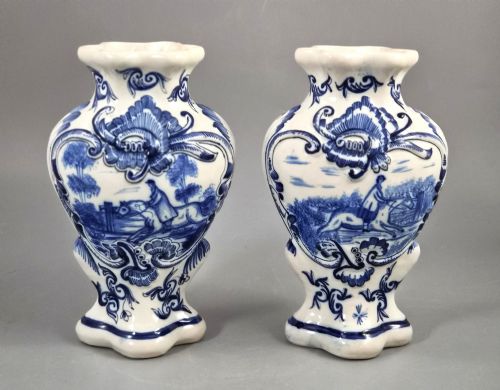
- Tin-glazed earthenware produced across various European workshops. It provides an opaque white surface suitable for painted blue and white or polychrome decoration.
- Pate Sur Pate
- A ceramic decoration technique where liquid clay is built up in successive layers on a coloured body to create a low relief cameo effect. This method demands immense skill from the ceramic artist.
- Garniture
- A set of three or more matching decorative vases or urns designed to be displayed together on a mantelpiece or sideboard. These matching groups formed central elements of formal nineteenth-century interior display.
French Style Ceramic Urns: Frequently Asked Questions
What were ceramic urns used for?
These vessels served primarily as decorative garnitures on mantelpieces or large sideboards within nineteenth-century drawing rooms.
Some lidded versions functioned as potpourri containers, releasing fragrance through pierced porcelain covers.
How do I identify a Sèvres style piece?
Sèvres style pieces typically feature rich bleu céleste or pink grounds, extensive gilding, and hand-painted pastoral or exotic bird panels.
Many bear imitation or painted factory marks underneath, though nineteenth-century commercial makers often adopted these aesthetics without direct deception.
Can these urns be used for fresh flowers?
Most antique ceramic urns and lidded vases are intended strictly for dry display rather than holding water.
Internal glaze hairline fractures or metal mount fixings mean modern floral use can risk moisture damage to the antique body.
Are table lamps original to the urns?
Many urns configured as table lamps were converted from decorative vases during the late nineteenth or twentieth centuries.
Wiring holes or mounted electrical fittings usually indicate subsequent adaptation rather than original factory production.