



French Stone Figurine
A French stone figurine brings the quiet elegance of carved marble and alabaster into a room through classical and romantic subjects.
French Stone Figurine
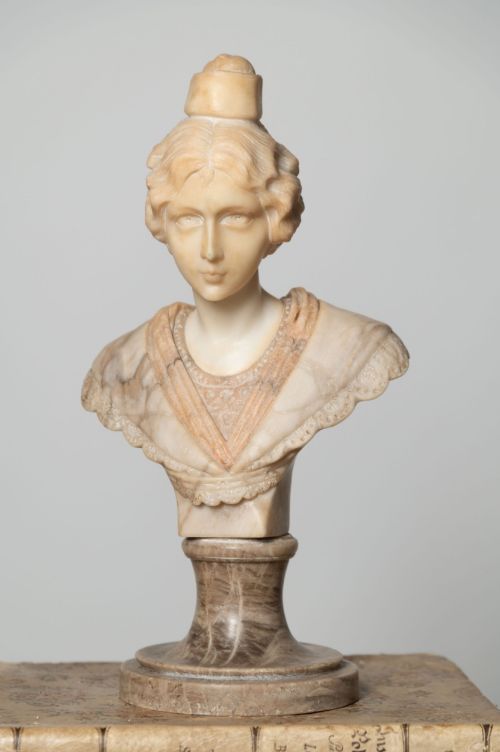
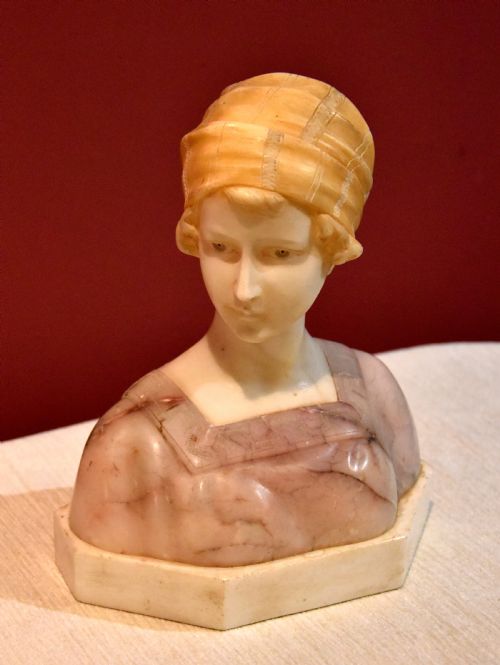
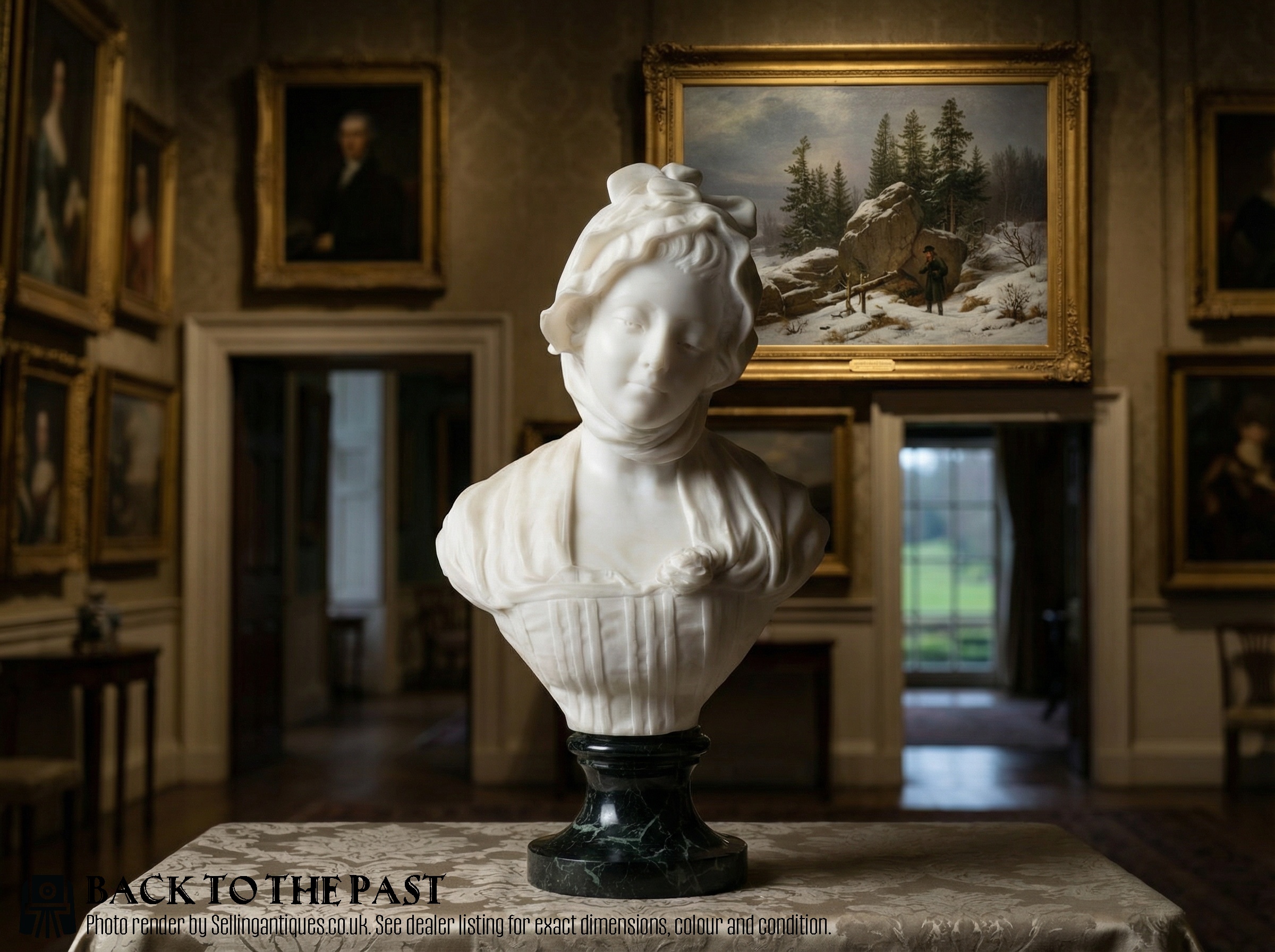
A French stone figurine is a carved sculpture executed in marble, alabaster, or parcel-gilt stone, originating from workshops across France. When you search for a French stone figurine, you are looking at carved representations of female figures, goddesses, lovers, and animals created during the nineteenth and early twentieth centuries.
The versions most commonly met on this page include alabaster and marble sculptures representing classical mythology, allegorical subjects, and romantic figures. These works span periods from the late nineteenth century through the Belle Epoque and Art Deco eras, capturing subjects such as reclining nudes and figures with musical instruments.
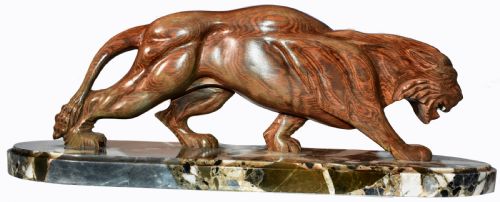
Makers and sculptors often signed the bases of these pieces, providing a direct link to the artists working in France during these decades. The forms range from small busts to larger figural sculptures and animal figures like the prowling panther.
How they were made
These figures were produced by carving solid blocks of white marble and alabaster using traditional sculptor tools to achieve smooth contours and delicate drapery. Artisans utilised the natural translucency of alabaster to render the softness of skin and fabric in figures such as reclining nudes and female busts.
Many sculptures incorporate parcel-gilt details to highlight specific elements of the carving, adding subtle metallic contrast to the white stone surfaces. Signatures were hand-chiseled directly into the stone bases by the sculptors upon completion.
The listings show materials ranging from carved alabaster and white marble to parcel-gilt stone.
What varies in quality
The refinement of the carving separates pieces at different levels, particularly in the rendering of facial expressions, hair texture, and the folds of drapery. Sculptures where the stone is worked with deep undercut details and smooth finishing show greater technical skill from the carver.
The quality of the material itself also differs, with dense, even-grained alabaster and pure white marble commanding more visual presence than stones with heavy natural inclusions. Additionally, the presence of a clear artist signature on the base adds a distinct level of documentation.
Auguste Henri Carli·Denise Delavigne·R. Lusili·Greuze
The French Stone Figurine Glossary
- Alabaster
- A fine-grained, soft stone that is easily carved and possesses a natural translucency. This material was frequently used by French sculptors to render smooth skin tones and soft drapery.
- Marble
- A hard metamorphic rock that takes a high polish and was chosen for monumental busts and classical figures. White marble provides a bright, uniform surface for sculptural details.
- Parcel-Gilt
- The application of gold leaf to specific parts of a sculpture while leaving the rest of the stone in its natural state. This technique accentuates carved details like hair ornaments or garment borders.
- Neoclassical
- An artistic style inspired by the art of classical antiquity, focusing on proportion, order, and mythological subjects. Figures from this tradition often depict goddesses and classical heroes.
- Belle Epoque
- A period of French history lasting from the late nineteenth century to the First World War, known for artistic flourishing and decorative refinement. Sculptures from this era often embrace romantic and allegorical themes.
French Stone Figurine: Frequently Asked Questions
What periods do these French stone figurines come from?
The listings span from the late nineteenth century through the Art Deco period of the 1930s. The majority date between eighteen-eighty and nineteen-ten.
This timeframe covers the Belle Epoque and French Romanticism eras, which heavily influenced the creation of carved stone sculptures.
How should I display a stone figurine at home?
These sculptures require a stable, flat surface such as a console table, mantelpiece, or pedestal where they can be viewed from multiple angles. Placing them away from direct sunlight and moisture protects the stone.
Soft lighting helps highlight the natural translucency of alabaster and the fine details of the carving.
How do I identify the subject of a sculpture?
Many pieces depict classical deities, literary characters, or allegorical figures identified by accompanying attributes like lyres, harps, or hearths. Titles are occasionally inscribed directly on the base alongside the sculptor's signature.
Subjects like Hestia or Mignon draw on established mythological and romantic narratives common in French art.
Are all these sculptures signed by the artist?
Not every piece is signed, but several sculptures feature artist signatures or titles carved into the stone base. Signatures provide direct attribution to sculptors working in French studios during the period.
Unsigned works rely on stylistic execution, material quality, and subject matter to indicate their origins.