
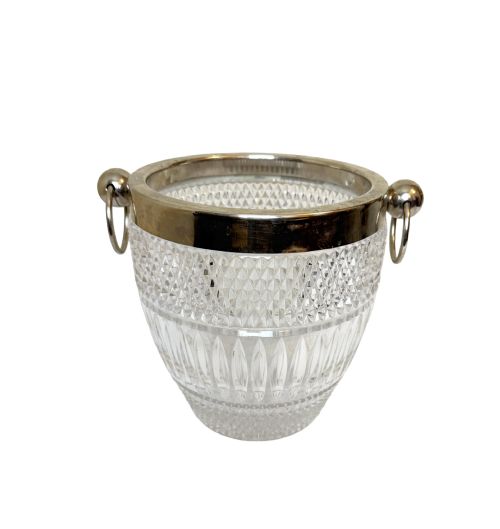


French Silver Plate Cooler
A french silver plate cooler brings functional elegance to entertaining, uniting hospitality with enduring metalwork.
French Silver Plate Cooler
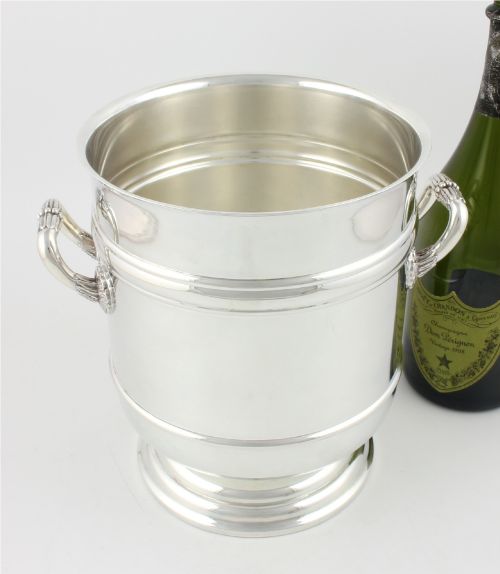
A french silver plate cooler serves wine or champagne, appearing primarily as handled buckets and ice vessels designed for table service. The selection spans early twentieth-century Belle Epoque and Art Nouveau pieces through to the geometric lines of Art Deco and Mid-Century Modern designs.
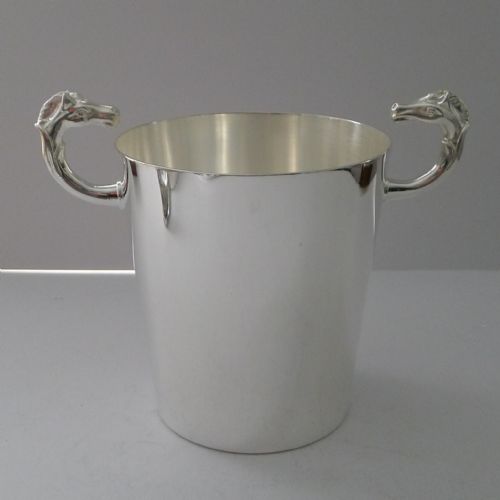
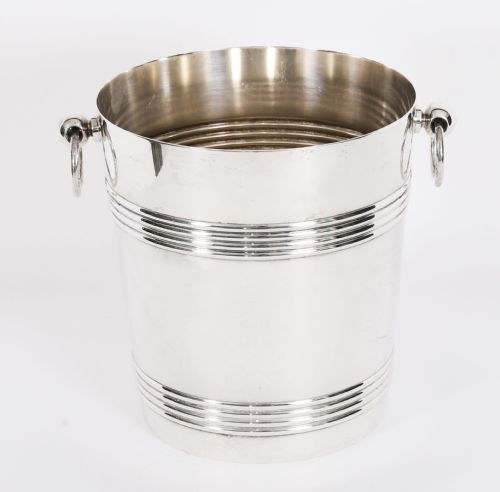
Most examples originate from prominent Parisian silversmiths and ateliers, taking the form of deep cylindrical vessels or embossed holders intended to chill bottles efficiently. Buyers encounter both plain polished surfaces and heavily decorated bodies bearing rings, lion handles, or equestrian motifs.
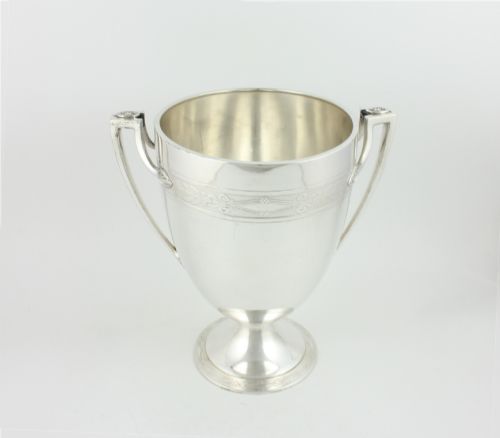
The objects bridge practical barware and decorative metalwork, reflecting shifting domestic styles across several decades. From early twentieth-century trophy shapes to later minimalist forms, each piece maintains the core function of holding ice and wine.
Evaluating Execution and Design
Quality rests in the weight of the base metal, the evenness of the silver plating, and the crispness of chased or embossed details. Sturdier vessels maintain structural integrity around handles and rims, whereas lesser pieces show wear through to the base metal.
Signed works by notable designers demonstrate superior attention to proportion, finish, and decorative harmony. The distinction lies in how cleanly decorative motifs integrate with the utilitarian shape of the cooler.
Some designers turned champagne buckets into racing trophies, ensuring that winning a horse race came with a built-in place to chill the prize.
Christofle·Ercuis·Gallia·St Medard·Puiforcat·Hermes·Luc Lanel·Lino Sabatinni
The French Silver Plate Cooler Glossary
- Silver Plate
- A layer of silver bonded to a base metal foundation. This technique provided the appearance and lustre of solid silver at a practical weight and cost.
- Art Deco
- A design style spanning the twenties and thirties characterised by geometric symmetry, clean lines, and stylised motifs. Many coolers from this era display stepped profiles or minimalist bands.
- Belle Epoque
- A period of optimistic design around the turn of the twentieth century. Objects from this time often feature florid embossing and organic ornamentation.
- Base Metal
- The underlying alloy, commonly brass or copper, that supports the applied silver plating. Exposure of this layer indicates significant wear through the outer silver coating.
- Barware
- Utensils and vessels intended for the preparation and serving of drinks. This category includes ice buckets, champagne coolers, and wine holders.
French Silver Plate Cooler: Frequently Asked Questions
How do I clean my cooler?
Wash the vessel gently using warm water and mild soap, drying it immediately with a soft cloth to prevent water spots. Avoid abrasive pads or harsh chemical dips that strip the silver plating over time.
For tarnished areas, use a specialised silver polish formulated for plated items, applying it sparingly with gentle circular motions. Rinse thoroughly and buff to restore the original lustre.
Can I use these for actual ice?
These vessels were built specifically to hold ice, wine, and champagne during service. The metal and crystal materials handle cold temperatures and moisture without issue.
Ensure you empty and dry the interior after use to prevent prolonged contact with stagnant water or melting ice, which can degrade the lining.
How do I date a piece?
Dating relies on stylistic markers such as Art Deco geometric forms, Belle Epoque curves, or Mid-Century minimalism, alongside maker stamps and hallmarks. Different periods favoured distinct handle designs and surface embellishments.
Comparing the manufacturing style with known works by ateliers helps narrow down the decade of production.
Are signed pieces marked?
Many examples bear maker stamps, hallmarks, or designer signatures stamped directly into the base metal or near the rim. These stamps identify the producing workshop or silversmith.
Unsigned pieces still indicate their period through material choices, construction techniques, and stylistic execution.