


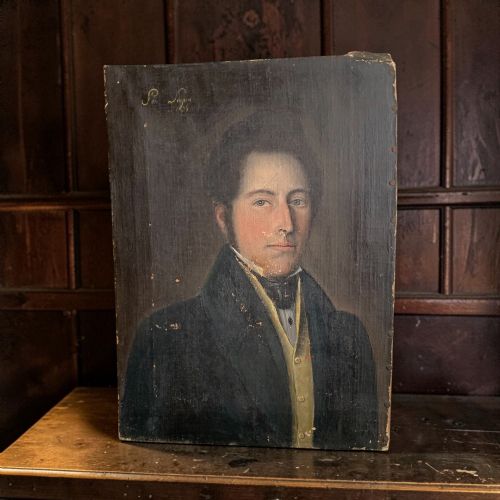
French School Oil Portrait
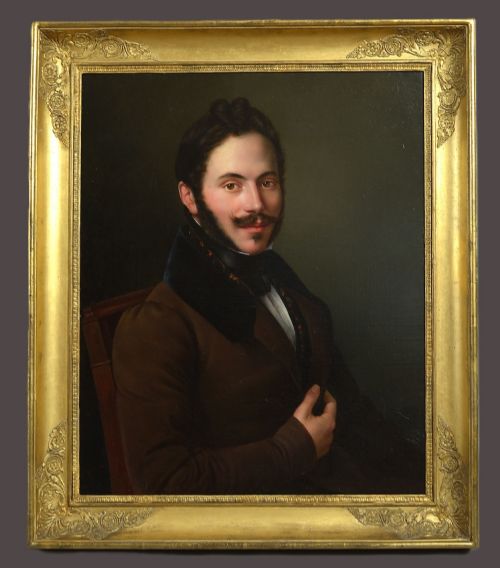
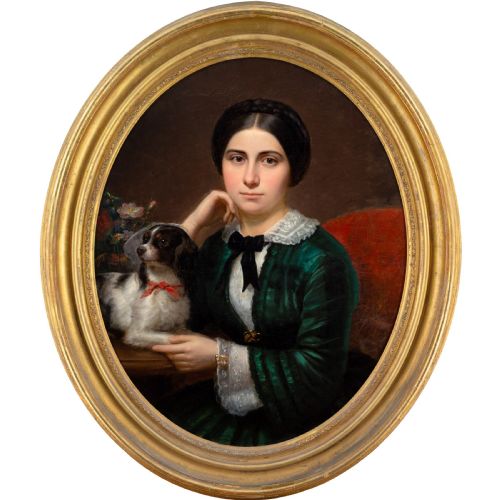
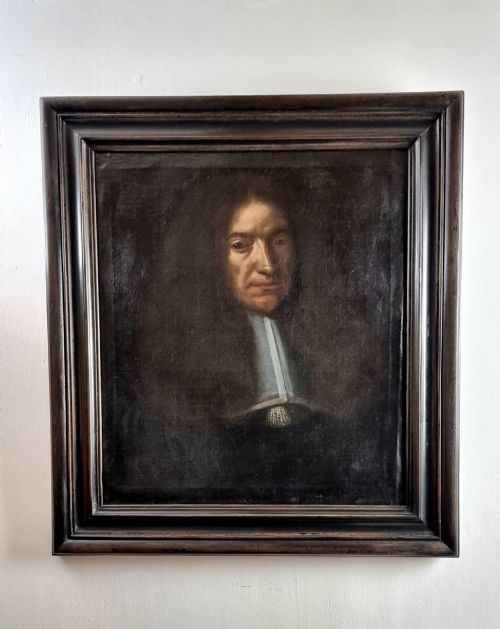
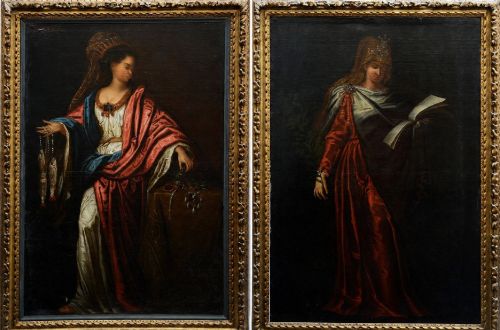
When acquiring a french school oil portrait, buyers secure centuries of European painting heritage, from seventeenth-century nobility depictions to modern figurative studies.
French School Oil Portrait
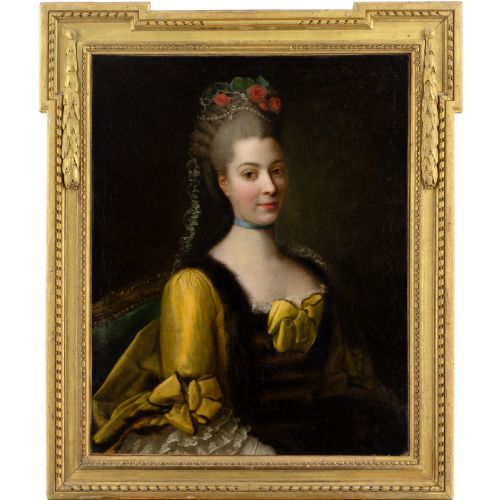
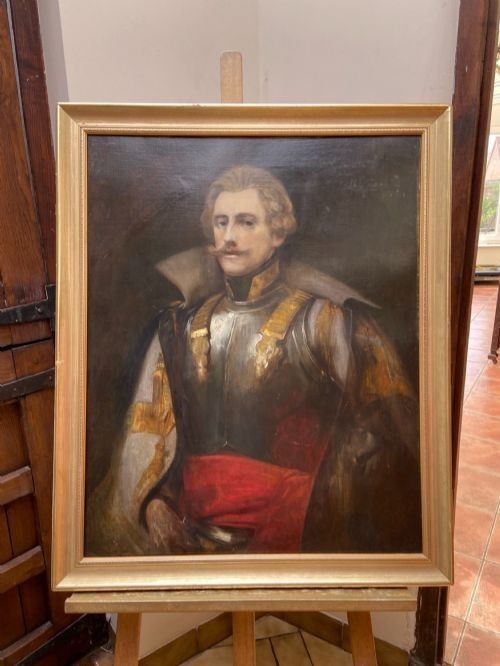
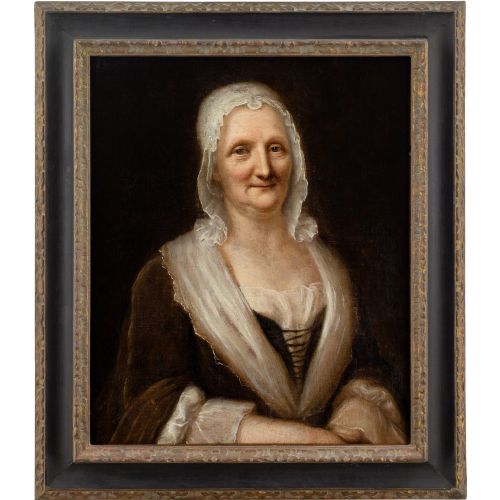
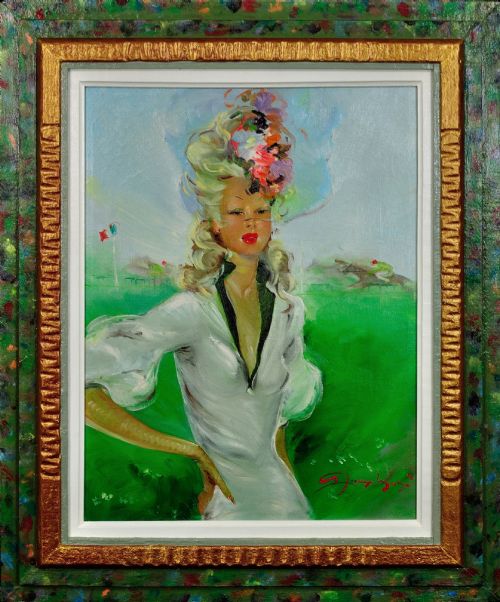
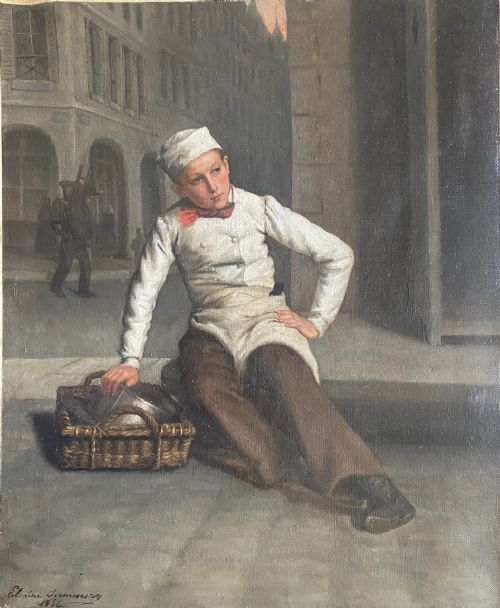
A french school oil portrait captures historical figures, aristocrats, military officers, and everyday sitters through centuries of distinct artistic movements.
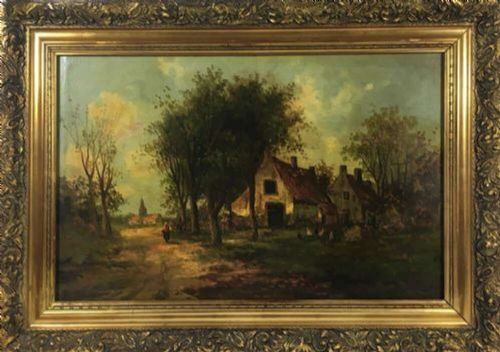
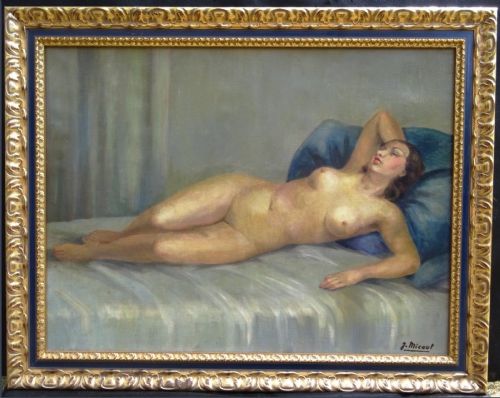
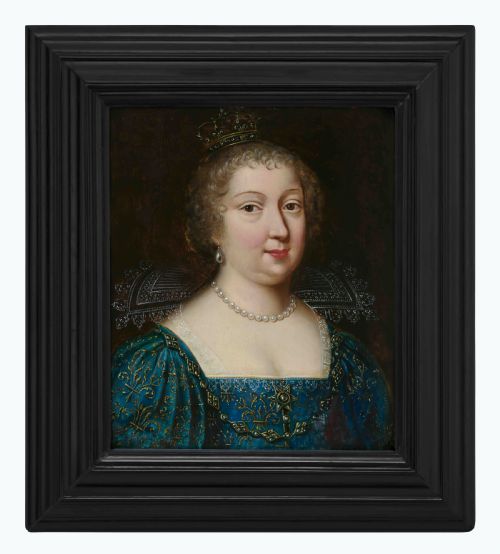
The selections range from seventeenth-century court paintings and eighteenth-century aristocratic studies to nineteenth-century romantic works and twentieth-century modernist nudes.
Buyers frequently encounter canvas and panel paintings bearing the hallmarks of regional workshops, academic training, and distinct stylistic periods.
How They Were Made
Artisans applied oil paint to prepared canvas, wood panels, copper sheets, or paper supports using traditional brushwork techniques.
Many historical pieces feature elaborate hand-carved giltwood or gilded wood frames that complement the painting style.
The collection includes seventeenth-century court panels, eighteenth-century aristocratic canvases, nineteenth-century romantic studies, and twentieth-century modernist nudes.
What Varies In Quality
The finesse of facial expression, garment detail, and anatomical accuracy distinguishes master works from simpler regional or provincial pieces.
The preservation of the original paint layer, stability of the canvas or panel, and authenticity of the period frame heavily influence the standing of each artwork.
Pierre Mignard·Edouard Pingret·Joseph Vivienne·Henri and Charles Beaubrun·Gaetan Dumas·Pinchus Kremegne·Michel Katzaroff
The French School Oil Portrait Glossary
- Oil on Canvas
- A traditional painting method where pigments suspended in drying oils are applied to a stretched woven fabric support. This combination allowed artists to blend tones smoothly and achieve rich textures.
- Giltwood
- Wood that has been treated with a thin layer of gold leaf or gold powder. It provides ornamental framing that enhances the visual weight of antique paintings.
- Barbizon School
- A nineteenth-century French art movement focused on realism in landscape painting, which influenced portraiture and genre scenes. Artists emphasised natural light and atmospheric depth.
- Fauve
- A style associated with early twentieth-century artists who used bold, non-naturalistic colours and expressive brushstrokes. It marks a departure from strict academic realism.
French School Oil Portrait: Frequently Asked Questions
How do I identify the period of a portrait?
Examine the sitter's costume, hair styling, and lace accessories, which closely follow dated historical fashions. Comparing these elements with documented portraiture eras provides a reliable chronological anchor.
Frame construction and canvas preparation methods also offer clues. Older works often display hand-beveled stretchers and older lining techniques that help verify the century of origin.
Where were these portraits displayed historically?
Wealthy patrons hung large oil portraits in formal drawing rooms, libraries, and grand estate galleries to display lineage and social status. Smaller panel paintings often decorated private chambers.
Studio spaces and salons also held these works while awaiting exhibition or delivery to patrons. Over time, many transitioned into domestic residential settings.
How should I care for an oil painting at home?
Keep paintings away from direct sunlight, heating vents, and high humidity to prevent cracking in the paint layer and warping of the wood or canvas support. Stable room temperatures protect the structural integrity of both the artwork and its frame.
Dust surfaces gently with a soft, dry brush without applying pressure. Avoid using liquid cleaners or chemical solvents on the delicate paint or gilded frame.
What is the difference between canvas and panel supports?
Canvas supports consist of woven fabric stretched over a wooden frame, offering flexibility and texture that became dominant from the Renaissance onward. They accommodate larger compositions easily.
Panel supports use solid wood or copper sheets, providing a rigid base that resists sagging. These are frequently found on earlier works and smaller cabinet paintings.