

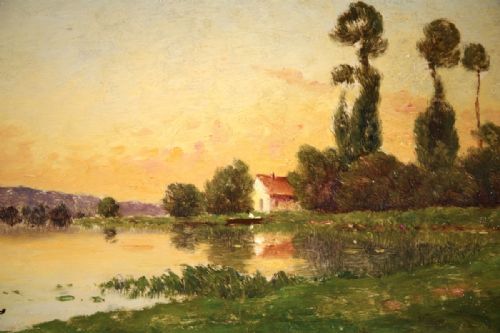


French School Impressionist Artwork
When you explore french school impressionist artwork, you encounter atmospheric landscapes, street scenes and portraits capturing fleeting modern light.
French School Impressionist Artwork
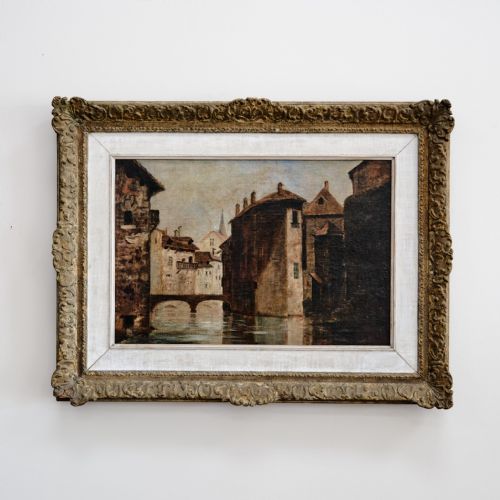
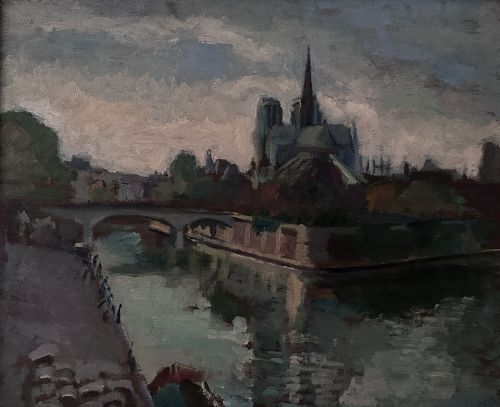
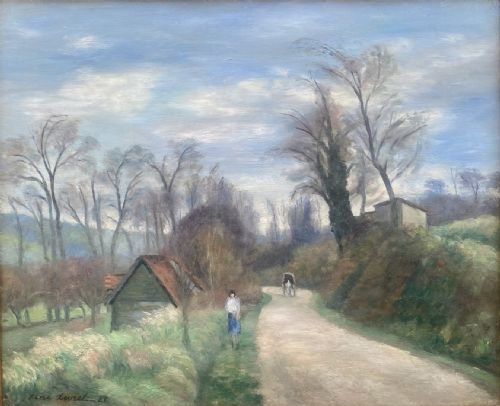
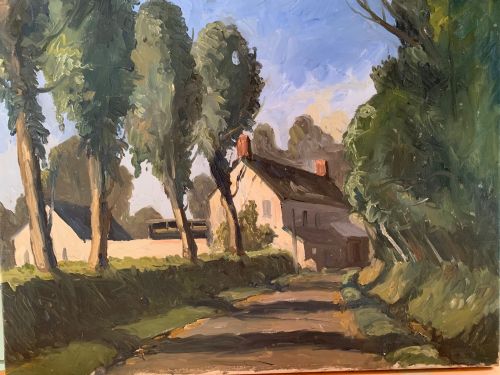
French school impressionist artwork encompasses paintings created across the nineteenth and twentieth centuries, recording landscapes, river scenes and figures with loose brushwork. These pieces capture the effects of natural light and atmosphere outdoors rather than following strict academic studio rules.
The selections available here range from plein air river views of Normandy and Paris street scenes to Provençal landscapes and floral still lifes. Works span multiple decades, showing how artists carried impressionist and post-impressionist methods well into the twentieth century.
Materials and technique
Painters recorded their subjects primarily using oil paint applied to canvas, wood panels or paper supports, occasionally utilising gouache, watercolour or pastel. The handling relies on visible, rapid brushstrokes that build texture and convey movement in water, foliage and clouds.
Grounds of gesso prepare panels and canvases, while artists applied pigments directly to capture shifting daylight. Some compositions extend to metal supports or incorporate mixed media layers such as oil on paper mounted to canvas.
Listings feature works spanning from the nineteenth century through the 1960s, executed in oil, watercolour, pastel and gouache.
Differentiating the works
Quality rests on the confidence of the brushwork and the artist's ability to render light and spatial depth with economy. Stronger examples display deliberate tonal harmony and distinct compositional rhythm rather than flat or repetitive application.
Provenance and documented association with known studios or teachers elevate specific pieces. The success of a work depends on how effectively the painted surface evokes atmosphere and immediate observation.
Rene Levrel·Honore Cavaroc·Henri Jaques Delpy·Raymond Picque·Gabriel Dauchot·Eduard Leon Cortes·Pierre Emmanuel Eugene Damoye·Henri Therme·Charles Edmund Rene His·Jules Felix Ragot
The French School Impressionist Artwork Glossary
- Plein air
- Painting executed outdoors directly in front of the subject to capture natural light and transient atmospheric conditions. This approach formed a cornerstone of impressionist methodology.
- Gouache
- An opaque water-based paint that dries to a matte finish, often used on paper to achieve vibrant colour blocks. It allows for swift execution and rich opacity.
- Post-Impressionism
- An artistic development following impressionism where painters pushed beyond optical recording to explore structure, symbolic content and expressive colour. Artists retained visible brushwork while altering forms.
- Provenance
- The documented history of ownership of an artwork from its creation to the present day. Clear records help verify authenticity and previous exhibitions.
French School Impressionist Artwork: Frequently Asked Questions
What defines french school impressionist artwork?
These works emerge from French artistic traditions focused on capturing light, weather and everyday scenes through rapid, visible brushwork.
Subjects range from Parisian streets and riverbanks to rural landscapes and floral still lifes produced across the nineteenth and twentieth centuries.
How should I display these paintings?
Oil paintings on canvas or panel benefit from stable indoor environments away from direct sunlight and excessive humidity.
Matching the period frame to the artwork helps protect the edges while complementing the visual weight of the composition.
How do I identify the period of a piece?
Dating relies on stylistic clues, stretcher construction, artist signatures and exhibition labels attached to the reverse of the canvas or frame.
Comparing brush handling and colour palettes against documented works from the same decade provides further chronological context.
Were these painted outdoors?
Many compositions originated as plein air studies created on location by riversides, coastlines or fields to catch fleeting sunlight.
Artists often translated these direct observations into larger finished canvases back in their studios.