


French Rococo Tabletop Mirror
These French rococo tabletop mirror examples bring ornate curves and polished glass to a dressing table.
French Rococo Tabletop Mirror
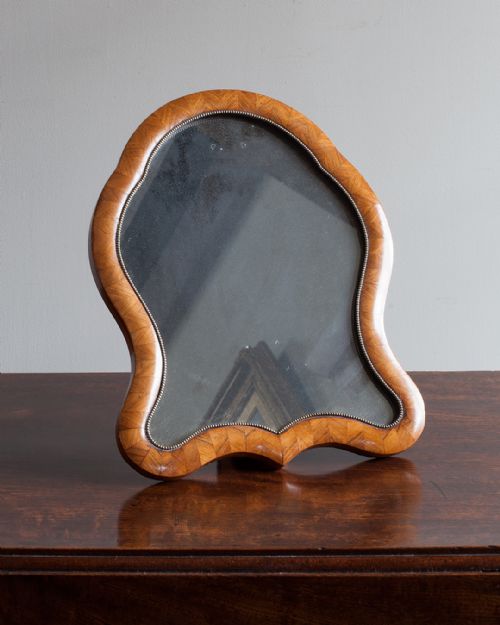
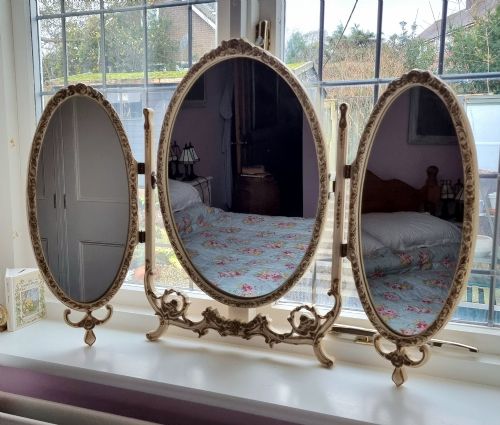
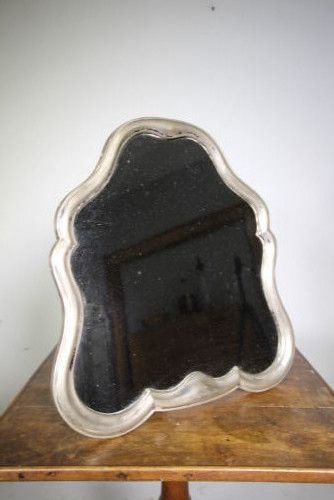
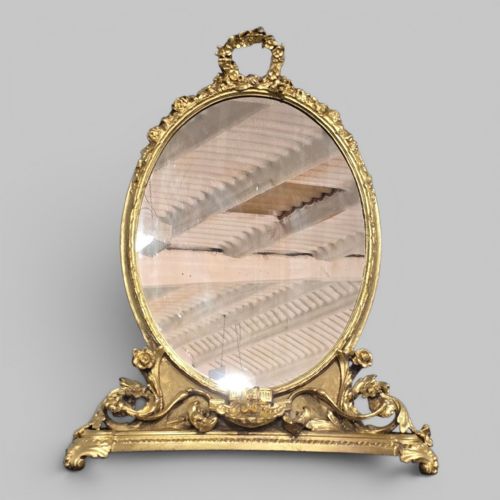
A french rococo tabletop mirror serves as a dressing table or vanity accessory designed to sit upon furniture while offering a reflective surface. The selections here span forms such as triple dressing table mirrors, small kingwood table mirrors, and folding trio mirrors.
Makers and craftsmen produced these items across multiple eras, including the eighteenth century, the nineteenth century, and the nineteen thirties. Pieces frequently adopt styles identified with rococo revival and french chateau aesthetics.
The physical format ranges from single oval glasses to multi-panel folding frames. These objects function primarily as dressing mirrors and toilet mirrors for personal grooming.
How they were made
Construction relies upon materials such as brass, giltwood, gesso, kingwood, walnut, and wood to form the structural frames and supports. Glass provides the reflective surface, often featuring bevelled edges.
Surface decoration incorporates silver leaf, silver deposit, paint, and blue ground porcelain applied to the wooden or metal foundations. Artisans shaped these elements to emulate organic curves and asymmetrical scrolls characteristic of the style.
Materials across these listings include brass, giltwood, kingwood, and blue ground porcelain.
What varies in quality
Material selection dictates the underlying character of each piece, distinguishing solid hardwoods and fine metals from simpler applied finishes. The presence of detailed carved gesso or hand-applied silver leaf creates greater visual depth.
Complex configurations like folding triple mirrors and integrated porcelain plaques require advanced joinery and mounting techniques. The clarity and preservation of the bevelled glass further separate standard utility items from more elaborate works.
Jean Gille
The French Rococo Tabletop Mirror Glossary
- Giltwood
- Wood that has been coated with gold leaf or a gold-coloured finish. This technique enhances the decorative appeal of frames.
- Gesso
- A plaster-like mixture applied to wood surfaces and carved before gilding or painting. It provides the base for intricate relief ornamentation.
- Kingwood
- A dense, exotic timber utilised in fine cabinetmaking and decorative frames. It exhibits distinct grain patterns prized by makers.
- Bevelled glass
- Glass featuring an angled edge cut and polished to a specific width. This treatment catches the light and adds a finished appearance.
French Rococo Tabletop Mirror: Frequently Asked Questions
Where should I place a tabletop mirror?
These mirrors suit dressing tables, chest of tops, and sideboards where personal grooming or reflected light is desired.
Ensure the surface is stable and capable of supporting folding or heavy metal frames safely.
How do I identify the period of a mirror?
Examine the underlying materials, joinery methods, and the style of the frame construction.
Nineteenth-century examples often utilise brass and distinct wood species, while later twentieth-century versions display alternative manufacturing techniques.
Are triple mirrors adjustable?
Folding trio mirrors feature hinged side panels that allow the user to alter the angle of reflection.
This design aids in viewing from multiple positions during dressing or grooming routines.
What maintenance do these mirrors require?
Dust the frames gently with a soft cloth to preserve giltwood, brass, and painted surfaces.
Clean the glass with standard window solution while avoiding moisture contact on exposed wood joints.