

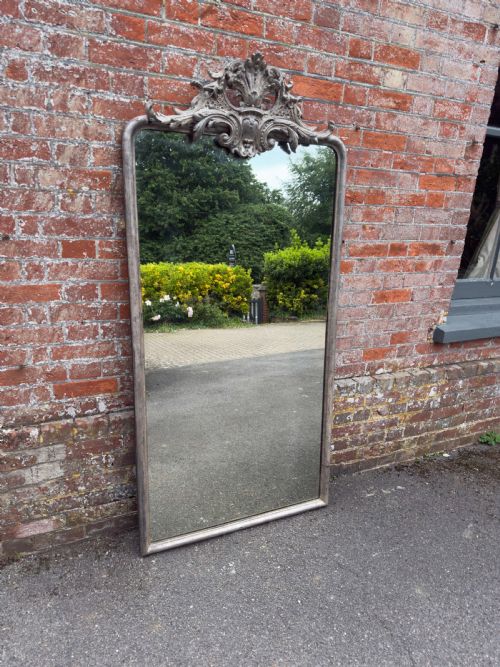


French Rococo Mantel Mirror
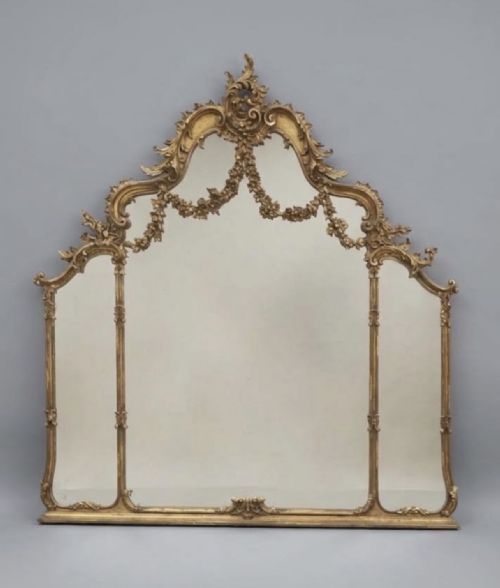
A french rococo mantel mirror brings sweeping asymmetrical curves and generous scale into a room, anchoring a fireplace with period drama.
French Rococo Mantel Mirror
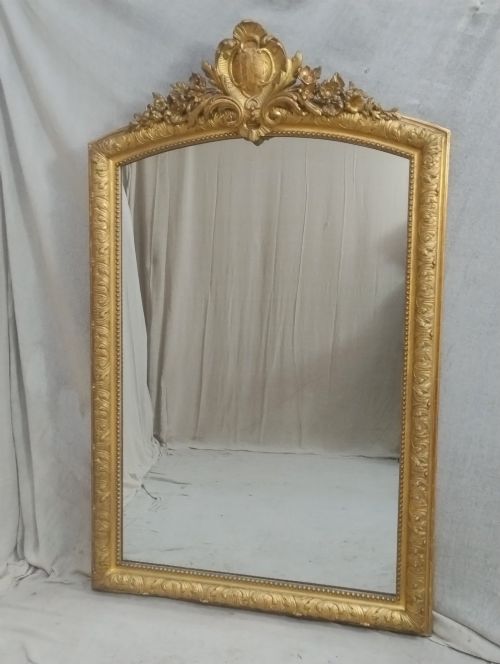
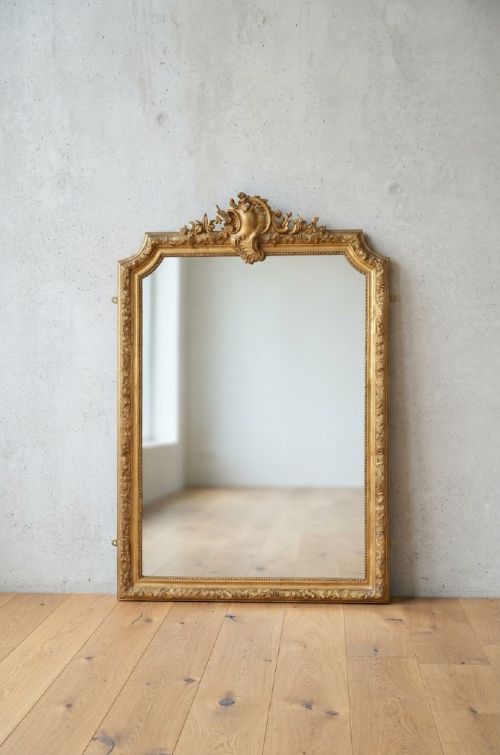
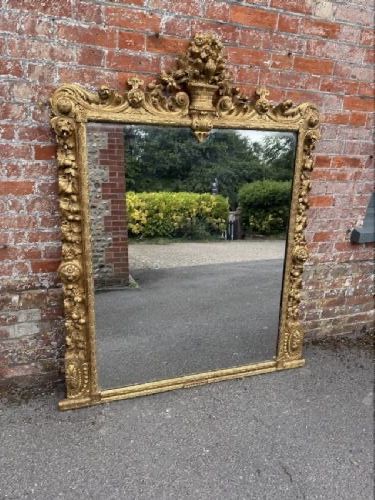
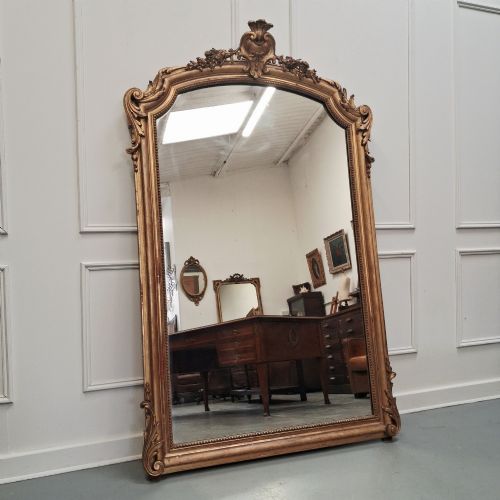
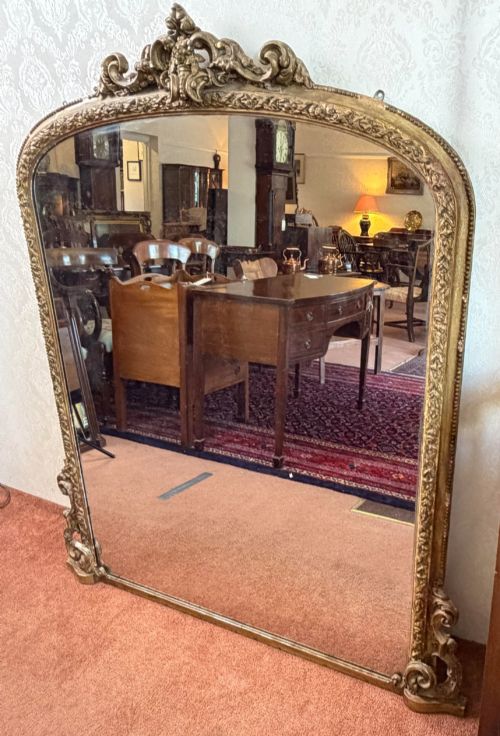
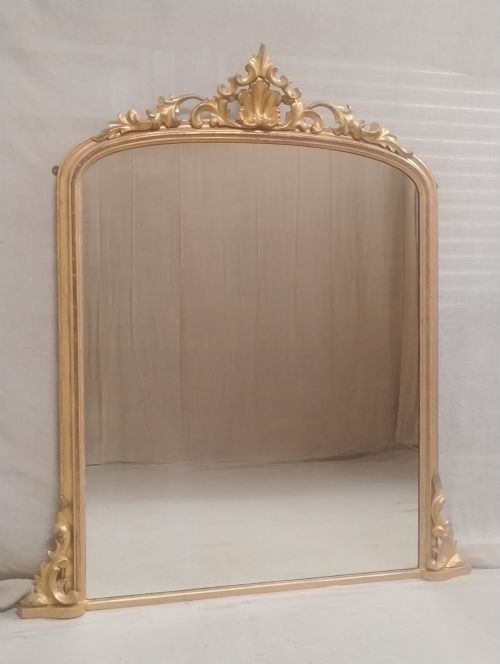
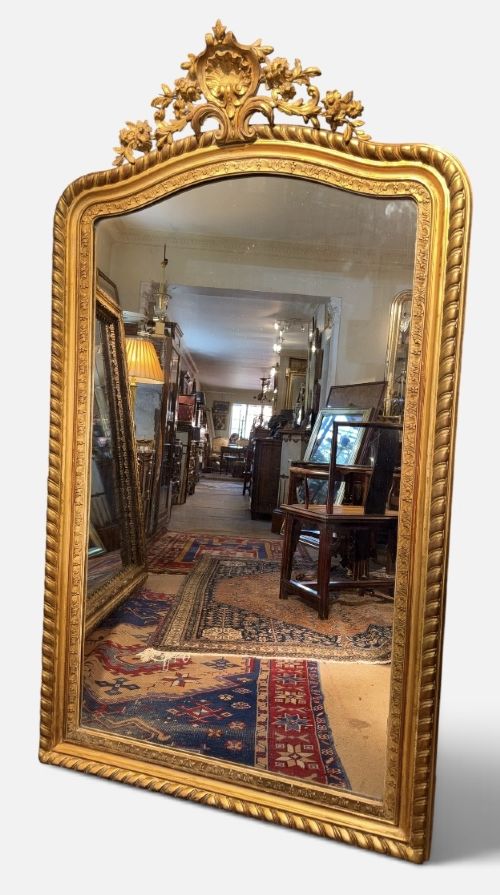
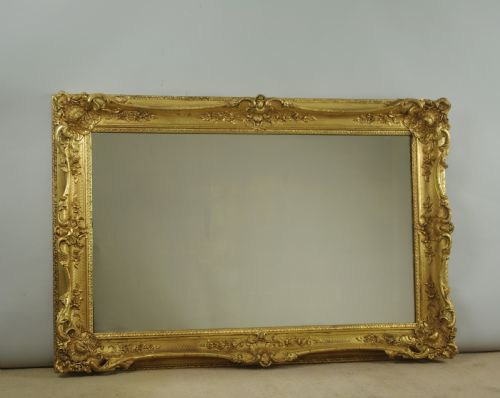
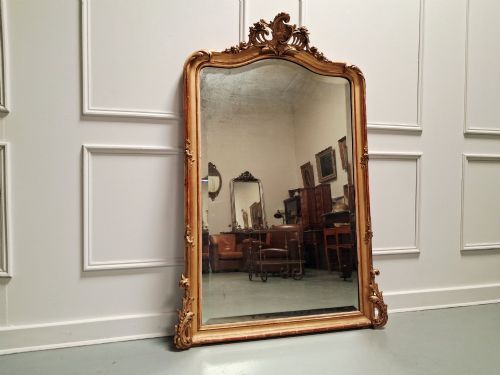
A french rococo mantel mirror is defined by its ornate, organic scrollwork, foliate cresting and arched top designed to sit above a fireplace. The pieces appearing here span from the mid-nineteenth century up to the early twentieth century, drawing heavily on eighteenth-century design vocabulary.
Most examples encountered on this page belong to the nineteenth century, encompassing revival periods such as Victorian and Napoleon III styles. These mirrors typically manifest as large overmantels, wall mirrors, or trumeau formats suited to grand proportions.
Materials and construction
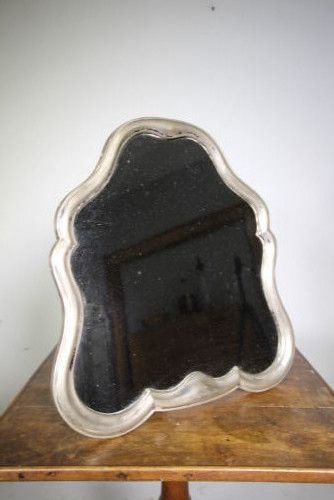
Makers built the heavy structural frames using carved wood, often applying layers of gesso to build up the intricate scrolls and acanthus motifs before gilding or painting. Gold leaf and silvered finishes frequently cover the wooden substrate, reflecting light across the room.
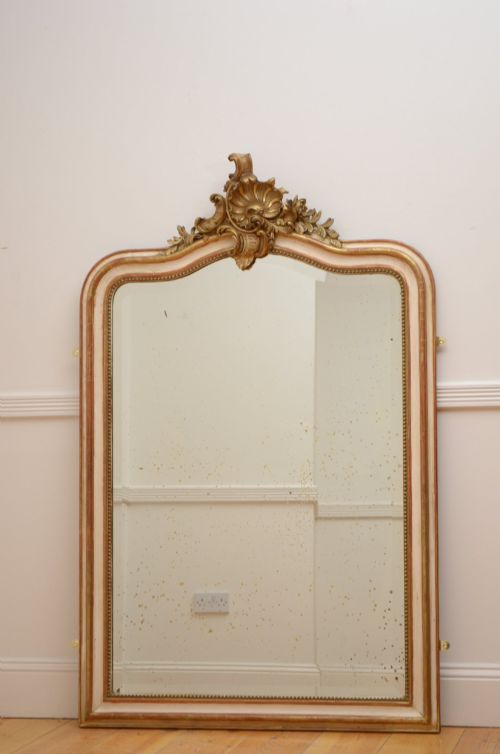
Mirrors utilise thick mirror glass fitted into arched or shaped wooden frameworks, sometimes incorporating central cartouches and detailed crests. Paint and giltwood finishes appear alongside distressed surfaces that record years of domestic history.
Listings span multiple decades from the 1850s through to the 1920s, showing consistent use of carved wood, gesso, and giltwood.
Evaluating the craftsmanship
Quality rests upon the depth and precision of the carved wood and gesso ornamentation rather than mere surface shine. Superior examples display crisp, undercut foliage and harmonious proportions within the central cartouche and cresting.
The integrity of the original giltwood or gold leaf surface dictates much of the visual success. Hand-carved elements that retain their structural sharpness without heavy restoration separate standard decorative items from exceptional period survivals.
The French Rococo Mantel Mirror Glossary
- Gesso
- A plaster-like mixture applied to carved wood to create a smooth surface for gilding. This material allows artisans to sculpt intricate relief details.
- Overmantel mirror
- A large mirror specifically proportioned to hang on the wall directly above a mantelpiece. These pieces often anchor the decorative scheme of a reception room.
- Cartouche
- An ornamental tablet or frame resembling a rolled-up piece of parchment. It frequently serves as the central focal point on mirror crests.
- Giltwood
- Wood that has been coated with gold leaf or a gold-coloured finish. It provides the characteristic bright reflectivity seen on period frames.
- Trumeau mirror
- A decorative mirror integrated into wall panelling or paired with a painted panel above the glass. This style originates from eighteenth-century French interior design.
French Rococo Mantel Mirror: Frequently Asked Questions
Where should a mantel mirror hang?
These mirrors hang traditionally directly above a fireplace mantel, where their substantial height commands the wall space.
They also function effectively on large salon walls to reflect light and expand the visual depth of the room.
How do I date a carved wood frame?
Dating relies on examining the style of the carving, the formulation of the gesso, and the backing construction of the mirror.
Nineteenth-century revival pieces often display heavier proportions and machine-sawn timbers compared to earlier eighteenth-century originals.
What is a trumeau mirror?
A trumeau incorporates a mirror plate combined with a decorative painted or carved panel within a single architectural frame.
These pieces were originally designed for specific wall panels in grand French domestic interiors.
Are original mirror plates common?
Many period pieces retain their original mirror glass, which often exhibits subtle foxing, oxidation, and uneven silvering.
This natural ageing contributes to the authentic decorative character of nineteenth-century and earlier examples.