
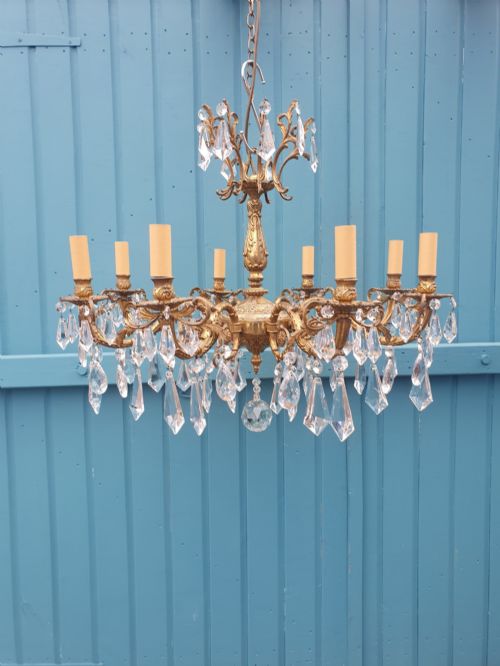
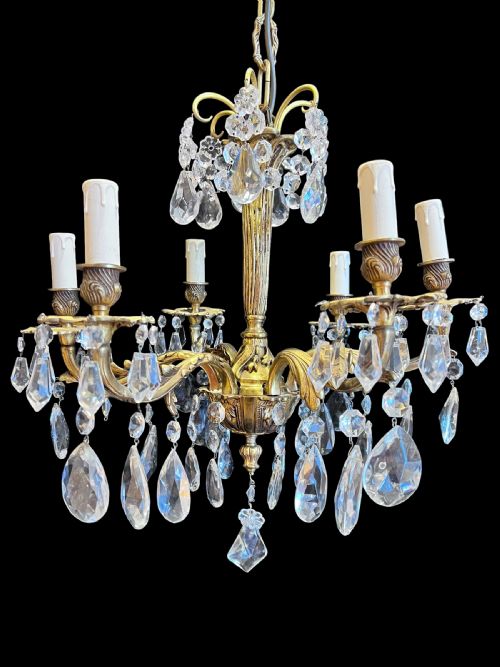
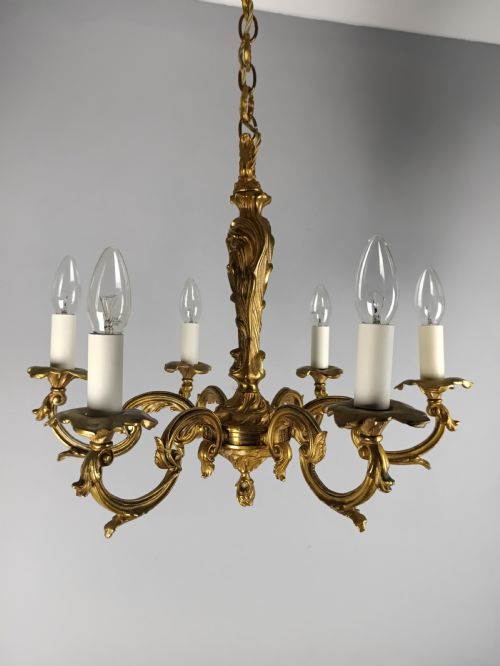
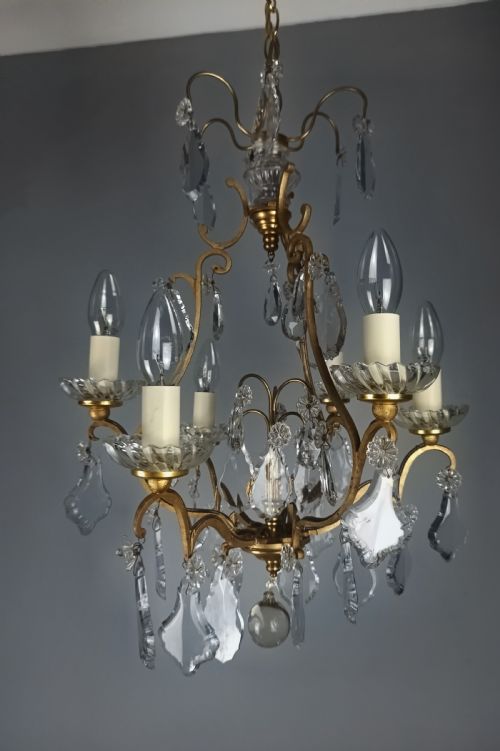
French Rococo Light Fixture
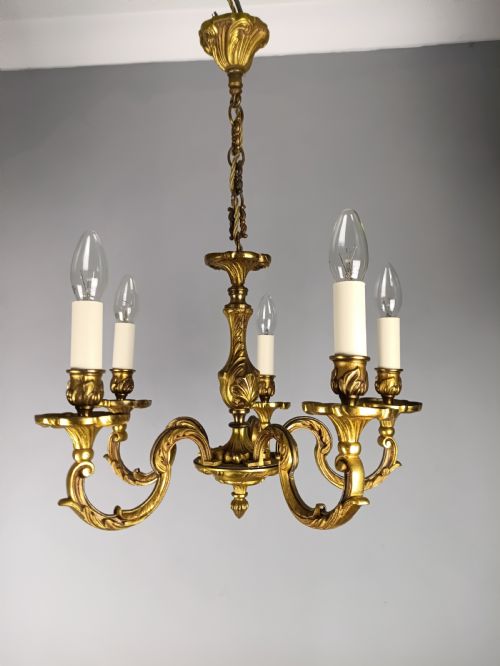
A French rococo light fixture brings swirling asymmetrical scrollwork and exuberant organic ornament into a room.
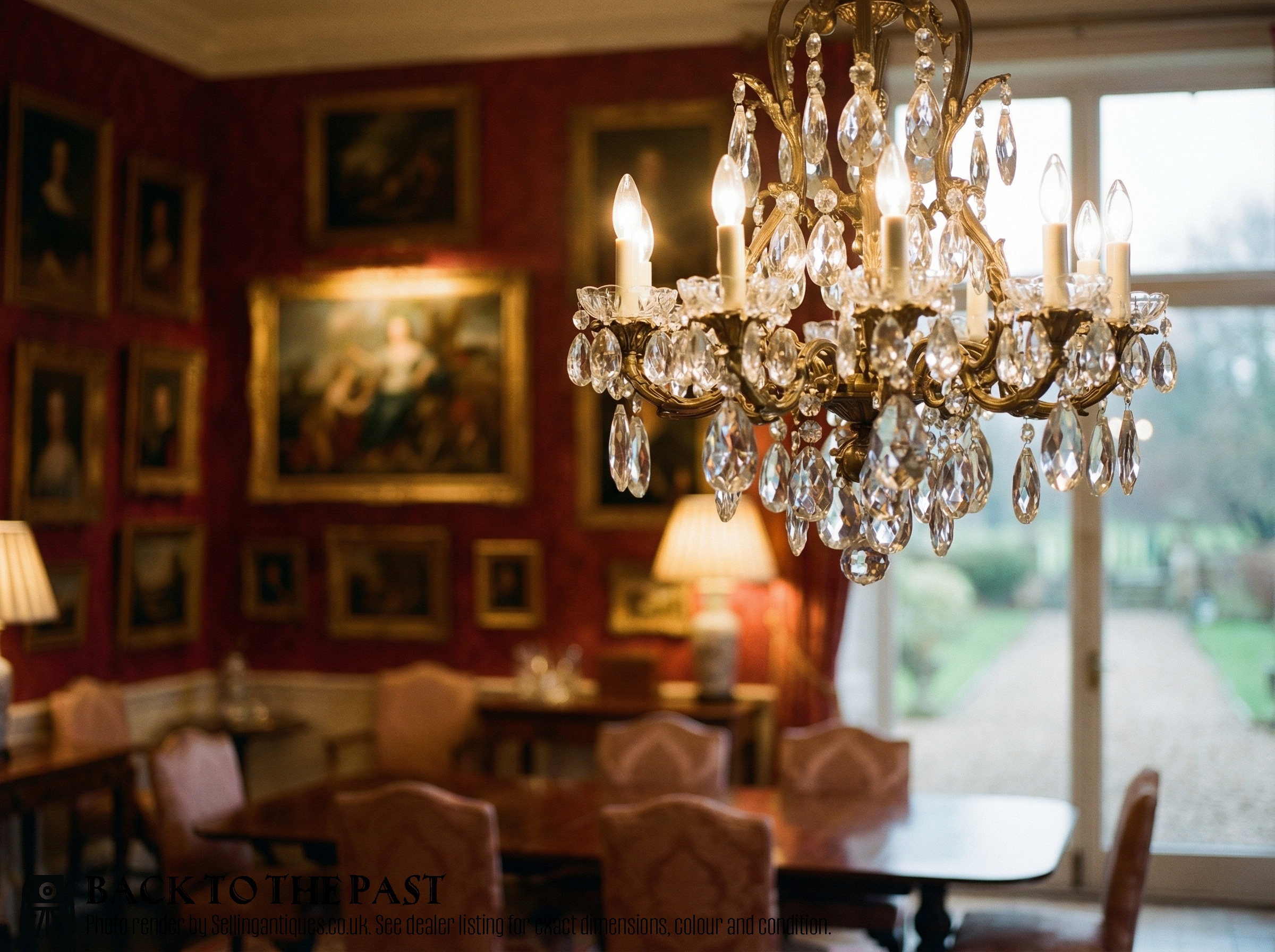
French Rococo Light Fixture
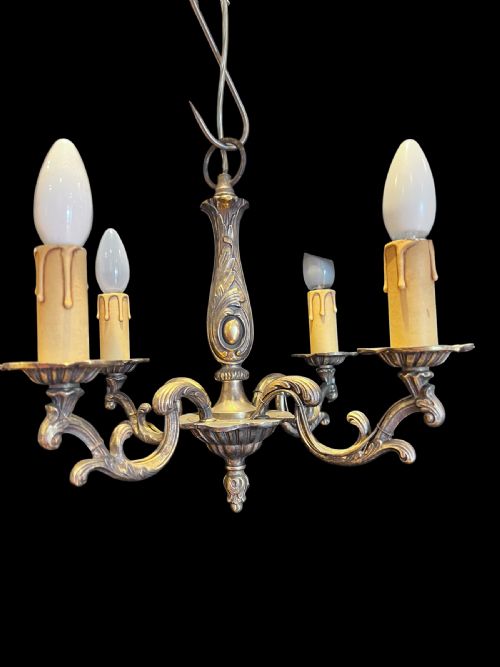
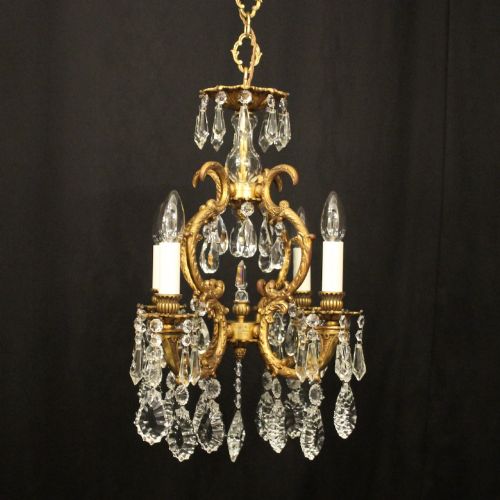
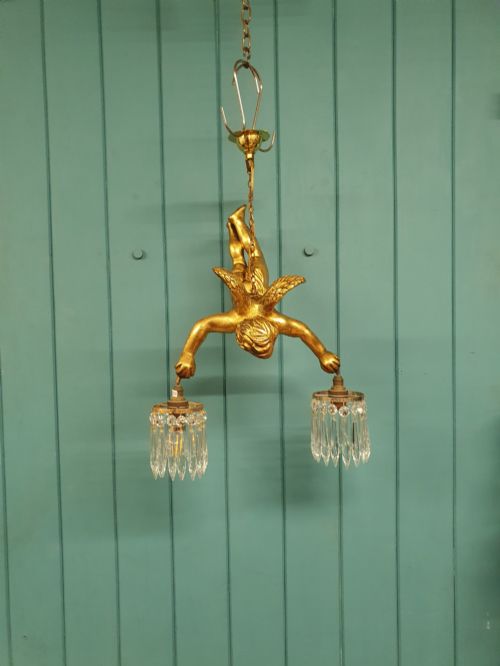
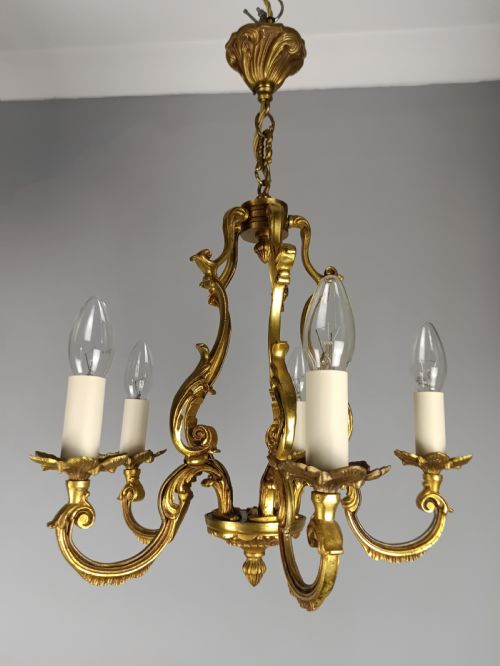
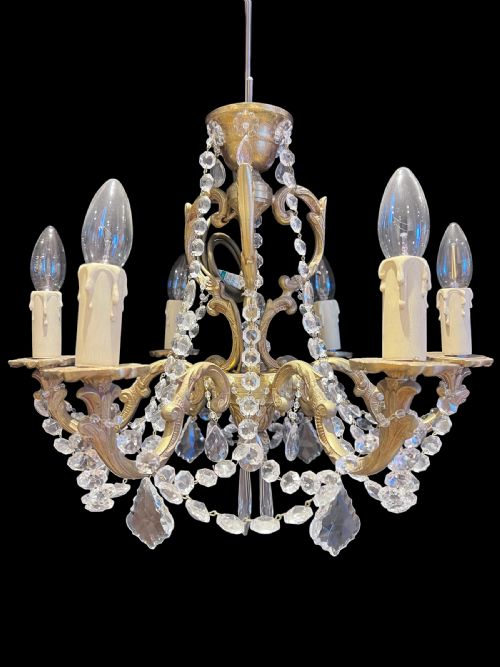
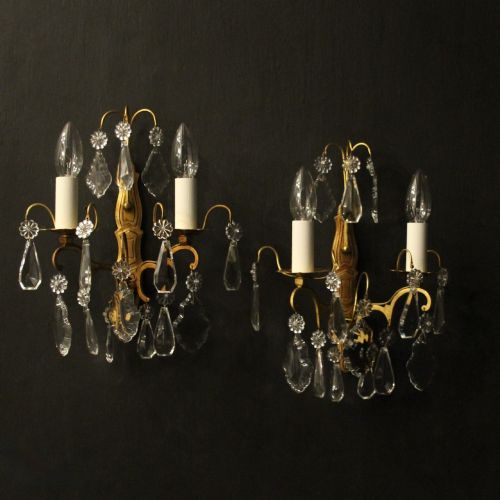
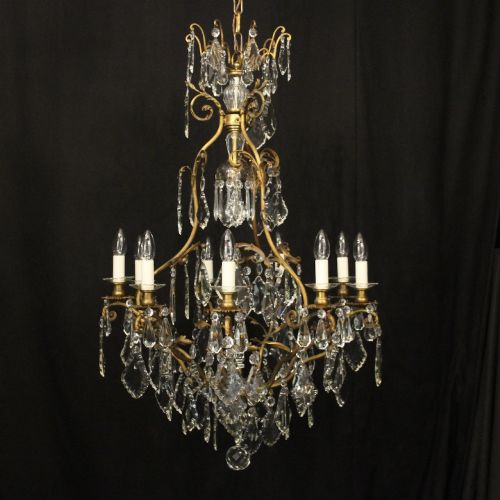
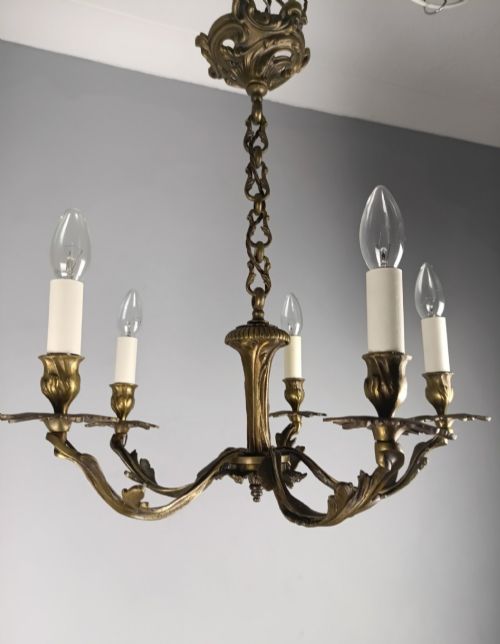
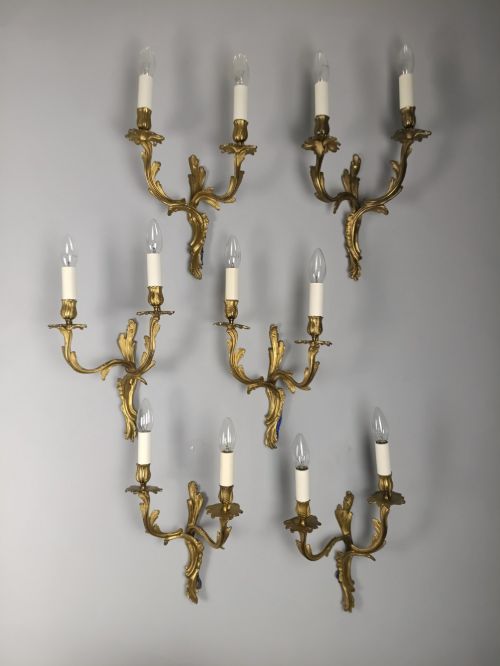
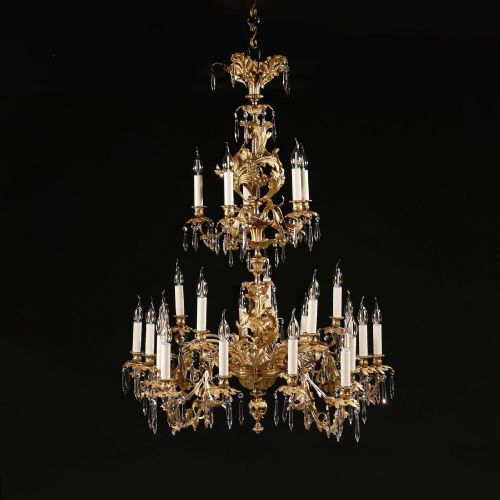
When you search for a french rococo light fixture, you encounter ornate hanging chandeliers, wall sconces and lanterns created to evoke the opulent interiors of eighteenth-century chateaux. These objects take many structural forms, from multi-armed birdcage chandeliers draped in crystal to twin-arm wall lights designed to flank mirrors and fireplaces.
You are most likely to meet examples produced during the late nineteenth and early twentieth centuries, spanning the Victorian era through the 1930s. These later revivals capture the spirit of the Louis XV style through scrolling brass, gilt bronze and cut glass elements.
The inventory on this page ranges from petite three-light fixtures suitable for intimate spaces to grand twenty-five light chandeliers designed for expansive reception rooms. Wall lights appear singly or in matched pairs, often wired and ready for installation.
Materials and construction
Makers utilised cast metals such as bronze, brass and spelter to form the robust structural armatures and decorative backplates of each french rococo light fixture. These metal components frequently received a layer of gold gilding or ormolu finish to catch the ambient candlelight or electric illumination.
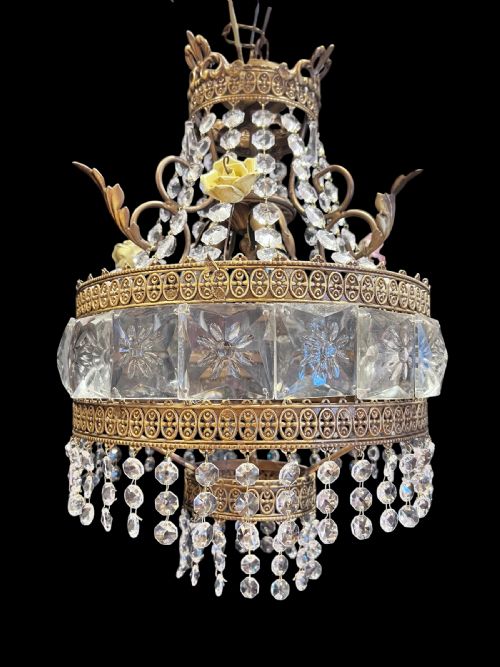
Crystal drops, cut glass spikes and occasional porcelain flowers are suspended from the metal frames to refract light and add textural complexity. Wrought iron and polychrome paint also appear on specific regional or transitional examples within the selection.
Listings feature pieces spanning the Victorian era through 1930, utilising materials including gilt bronze, crystal, brass, and wrought iron.
Judging the work
The distinction between ordinary and exceptional examples rests upon the crispness of the metal casting and the depth of the chasing. Superior pieces display sharply rendered foliage, asymmetrical cartouches and scrolls with distinct three-dimensional relief rather than soft, muddy outlines.
Glass and crystal components also dictate overall calibre, with hand-cut drops and prisms showing clean facets and clear refraction compared to pressed glass alternatives. The integration of structural mounts and the weight of the bronze or brass framework indicate the standard of manufacture.
The French Rococo Light Fixture Glossary
- Ormolu
- A technique of applying finely ground high-carat gold to a bronze object using a mercury amalgam. This process yields a durable, warm metallic lustre characteristic of high-end decorative hardware.
- Birdcage chandelier
- A central metal frame constructed with vertical bowed straps resembling an aviary, typically dense with crystal garlands and hanging lustres. These forms concentrate illumination across multiple tiers.
- Rococo revival
- An artistic movement spanning the nineteenth and early twentieth centuries that reinterpreted the asymmetrical curves and shell motifs of the original French eighteenth-century style. This aesthetic prioritises decorative exuberance and organic flow.
- Spelter
- An alloy primarily composed of zinc, frequently cast into decorative figures and architectural components during the nineteenth and early twentieth centuries. It served as a cost-effective alternative to bronze before receiving a bronze-toned or gilded finish.
French Rococo Light Fixture: Frequently Asked Questions
How do I install a vintage chandelier safely?
Most antique fixtures require a suitably rated ceiling joist or hook to support the combined weight of the metal armature and crystal drops. Professional rewiring is recommended to ensure the internal electrical components comply with current safety standards before connection.
Heavier multi-light installations benefit from specialist mounting hardware to distribute the load securely across the ceiling structure.
Can I clean the crystals without removing them?
Dusting the fixture regularly with a soft feather duster prevents grime accumulation on the metal surfaces and crystal pendants. For a deeper clean, spray a specialist chandelier cleaner onto the glass while placing a towel underneath to catch drips.
Individual crystal drops can also be detached gently, washed in warm soapy water, dried thoroughly, and rehung on their brass pins.
How do I distinguish revival pieces from original ones?
Examining the construction methods, screw threads and wiring channels helps determine the manufacturing era of a lighting fixture. Most items found in this category date from the Victorian period through the 1930s rather than the eighteenth century.
Patina on the bronze or brass components and the composition of the electrical fittings offer further clues regarding the age of the piece.
Where should I hang a wall sconce?
Wall lights are traditionally positioned at eye level to provide flattering ambient illumination in hallways, living rooms, and bedrooms. Placing matching pairs on either side of a mirror or fireplace creates visual symmetry within a room.
Ensuring the bottom edge of the sconce sits at an appropriate height prevents glare and balances the surrounding furniture.