



French Rococo Hall Table
When you search for a French rococo hall table, you are looking at elaborate console, centre and side tables defined by sweeping curves and organic motifs.
French Rococo Hall Table
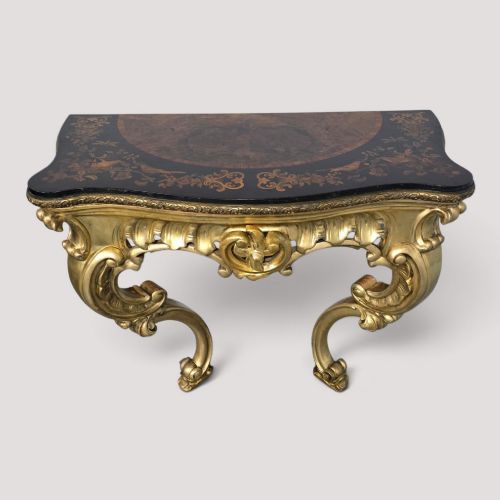
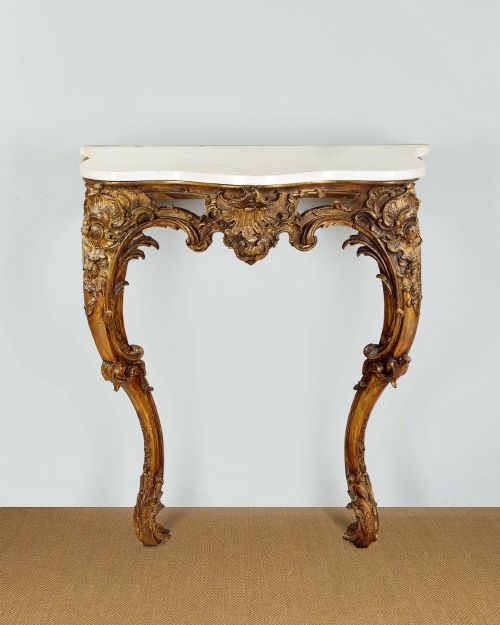
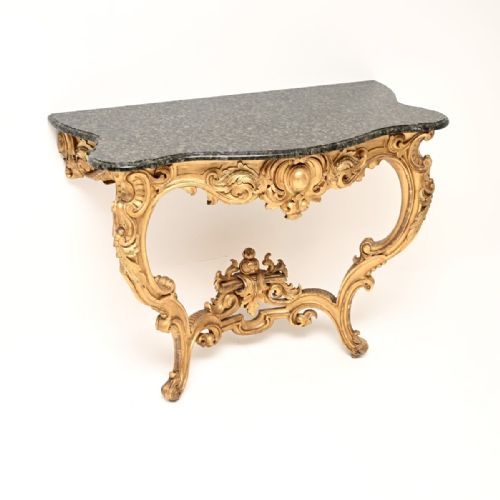
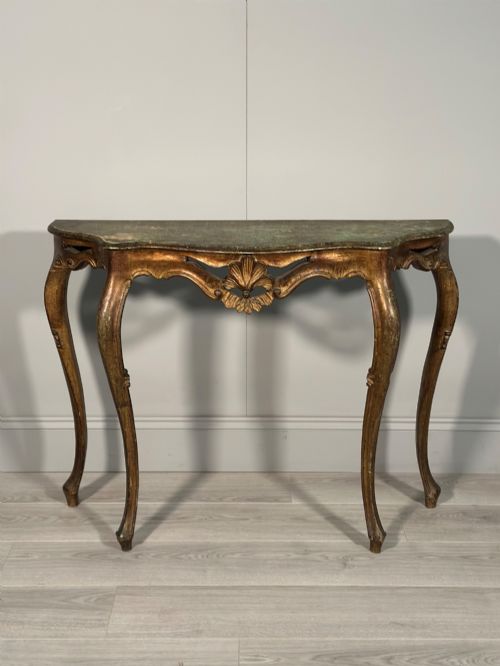
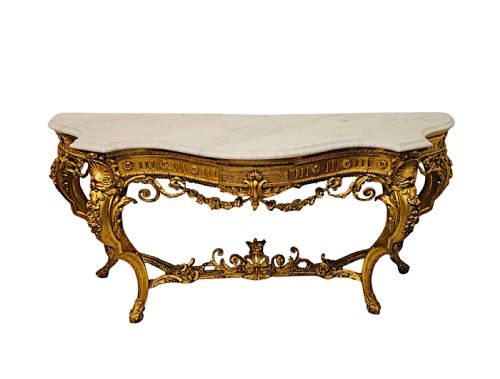
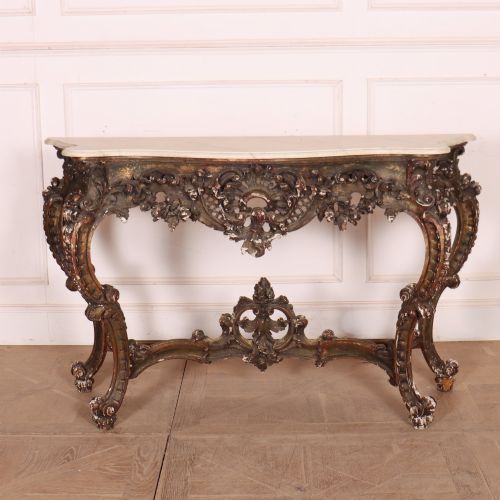
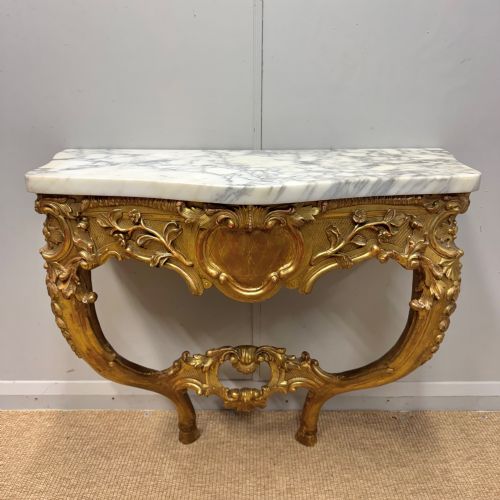
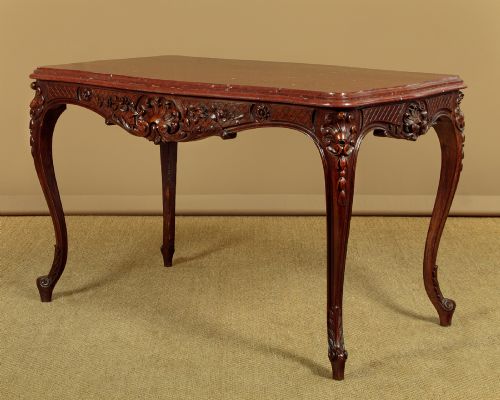
A french rococo hall table brings architectural presence into an entrance or principal room through serpentine forms and sculpted bases. The selection on this page spans console tables, centre tables and side tables shaped by the rococo revival of the nineteenth century alongside eighteenth-century originals.
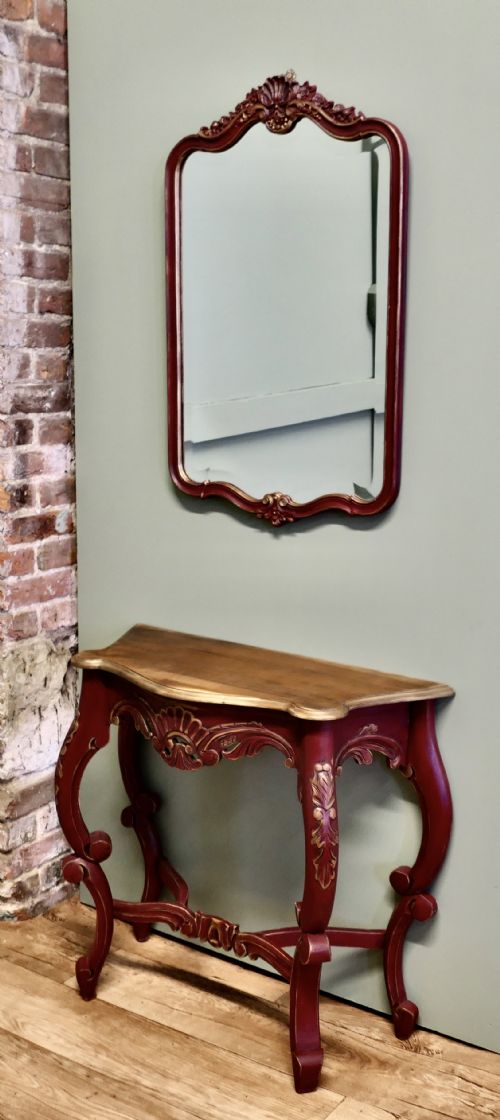
Most examples encountered here date to the nineteenth century, reflecting periods such as the eighteen-eighties and eighteen-nineties alongside earlier eighteenth-century craftsmanship. These pieces primarily function as console tables placed against a wall, frequently paired with matching pier mirrors, or as freestanding centre tables.
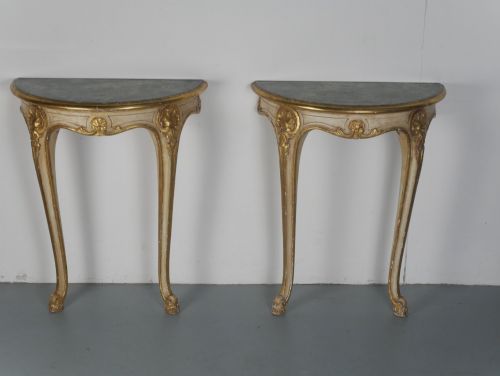
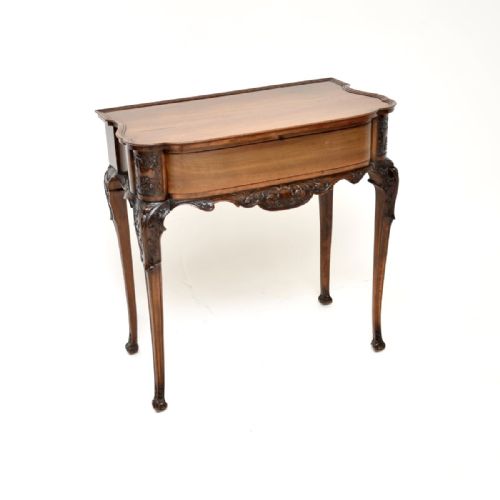
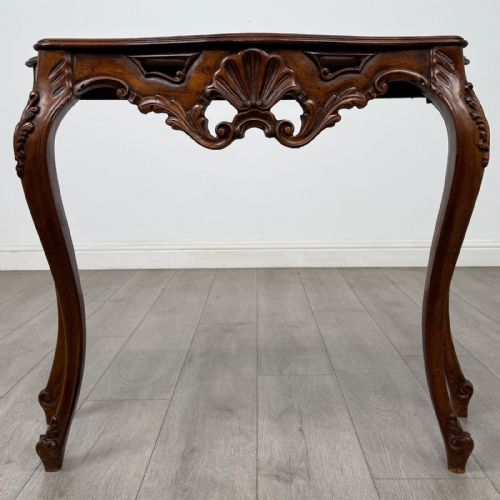
Makers and craftsmen utilised forms from the louis xv repertoire, incorporating cabriole legs and asymmetrical scrollwork. The resulting objects range from diminutive giltwood ledges with marble surfaces to substantial carved mahogany and walnut furnishings.
How they were made
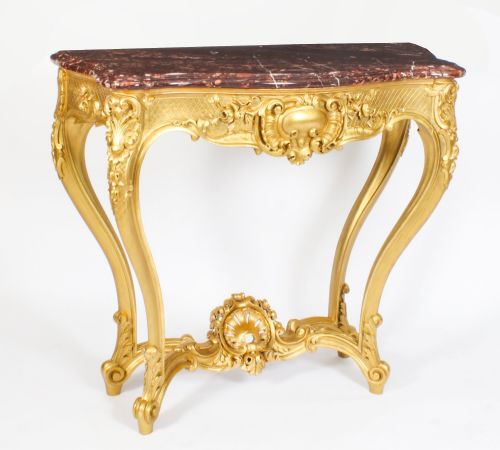
Construction relies heavily on carved timber substrates including walnut, mahogany, oak and kingwood, shaped to follow undulating serpentine lines. Giltwood and gesso finishes receive gold leaf applied over prepared grounds, creating reflective surfaces that catch the light in a hallway.
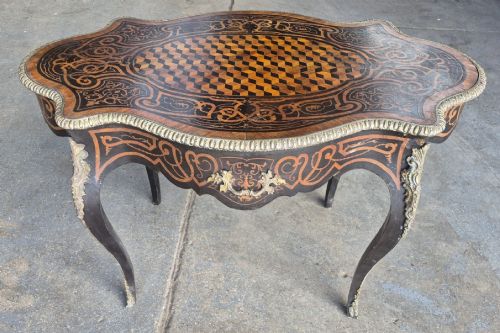
Heavy marble tops, including white carrara and rouge variants, sit directly upon the wooden frames to provide a cool, durable surface. Parquetry inlay in woods like kingwood and rosewood demonstrates complex geometric and floral patterning across table tops.
French Rococo Hall Table Retail Price Guide 2026
Typical asking prices for french rococo hall table among the pieces listed under this phrase on Sellingantiques today, from the lower quarter to the upper quarter. They describe what is for sale here now, not the wider market.
Several console tables arrive with matching wall mirrors, ensuring that generations of inhabitants could check their cravats before greeting guests.
What varies in quality
The depth and definition of hand-carved gesso and wood ornamentation separate standard production from exceptional examples. Crisp undercut foliage and sharply articulated scrolls require skilled labour that elevates a piece beyond mechanical replication.
The selection and thickness of the stone slab, particularly dense marble or rouge marble, dictate the tactile substance of the table. Furthermore, the integrity of the original gilt surface and the tightness of parquetry joints indicate the initial grade of materials selected by the workshop.
The French Rococo Hall Table Glossary
- Console table
- A table designed to stand against a wall, frequently secured to it with brackets or designed with a flat back. These tables often support heavy stone slabs.
- Giltwood
- Timber coated with gold leaf or metal leaf over a layer of gesso. This finish creates a bright metallic appearance typical of formal nineteenth-century reception rooms.
- Serpentine front
- A furniture front characterised by a wavy outline with a convex centre flanked by concave curves. This contour adds dynamic movement to the profile of a hall table.
- Cabriole leg
- A furniture leg that bends outward and then tapers inward, mimicking the legs of an animal. It forms a cornerstone of rococo furniture design.
- Parquetry
- Geometric mosaic woodwork used for decorative surfaces on tables. Artisans arrange small veneers of contrasting woods to create pattern.
French Rococo Hall Table: Frequently Asked Questions
Where do you put a hall table?
These tables find their natural home in entrance halls, corridors or principal reception rooms against a blank wall. They occupy minimal floor space while providing a surface for lamps or decorative objects.
Many examples were originally designed to stand beneath a matching pier mirror, creating a unified composition that reflects light through a narrow space.
How do I clean a marble top?
Wipe the stone surface using a soft cloth dampened with warm water and mild, neutral soap. Avoid acidic cleaners or vinegar, which etch the polished finish of marble.
Dry the stone thoroughly after washing to prevent water spots and maintain the natural lustre of the material.
Are these tables freestanding?
Console tables often require attachment to the wall for absolute stability because their front legs bear the primary visual and physical weight. Centre tables, by contrast, feature four finished sides and stand independently in the middle of a room.
Checking the rear apron and legs reveals whether a table was built to anchor against a wall or float in an open space.
How do I date a rococo revival piece?
Nineteenth-century revival pieces display machine-sawn timber marks and standardised construction techniques beneath the hand-carved surfaces. Eighteenth-century originals exhibit hand-pit-sawing marks, irregular joinery and aged patination across the underlying oak or walnut.
Examining the underside and drawer construction provides clear clues regarding the manufacturing era.