

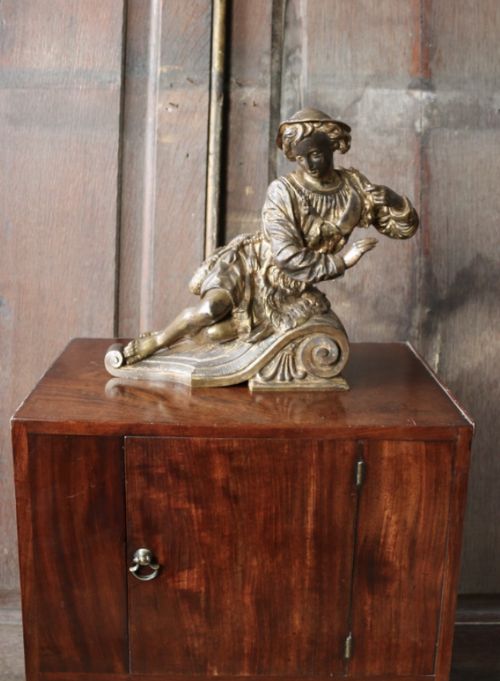


French Rococo Bronze Figure
These french rococo bronze figure works capture the exuberant movement and fluid asymmetry of eighteenth-century design.
French Rococo Bronze Figure
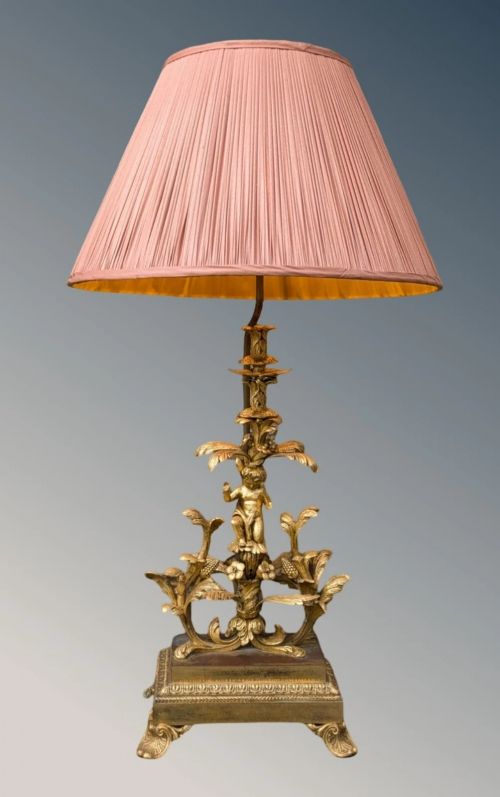
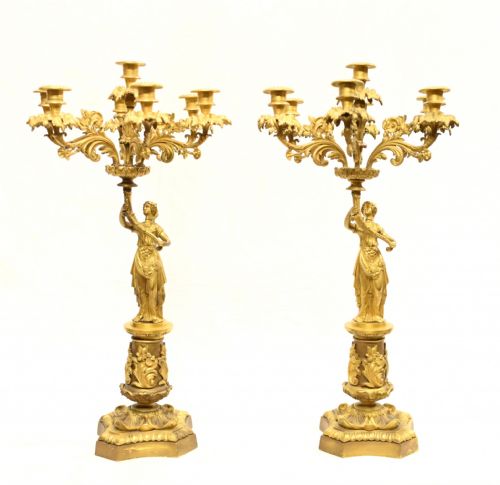
A french rococo bronze figure brings decorative sculpture, lighting, and timepieces into domestic interiors through works shaped by classical mythology and pastoral themes. Buyers searching for this phrase typically encounter nineteenth-century revivals alongside eighteenth-century originals, spanning mantle clocks, candelabra, and table lamps.
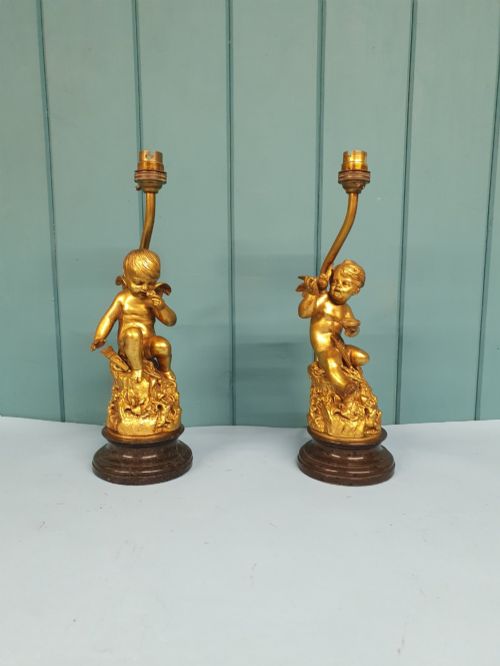
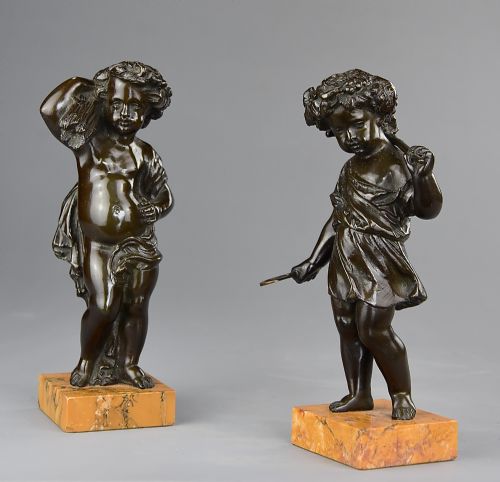
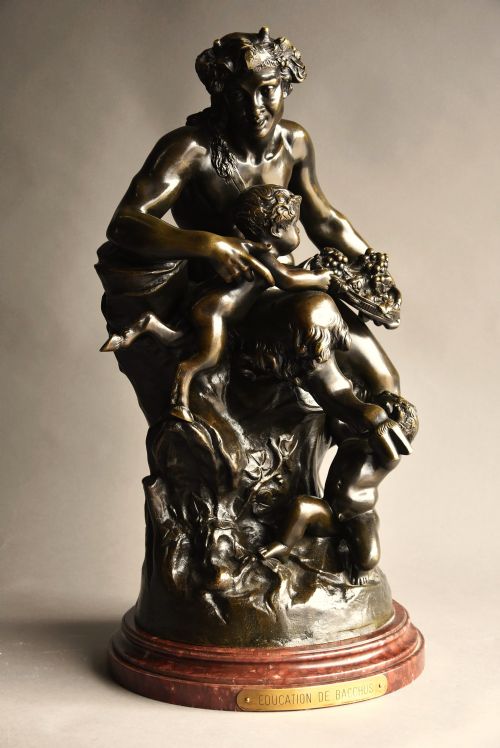
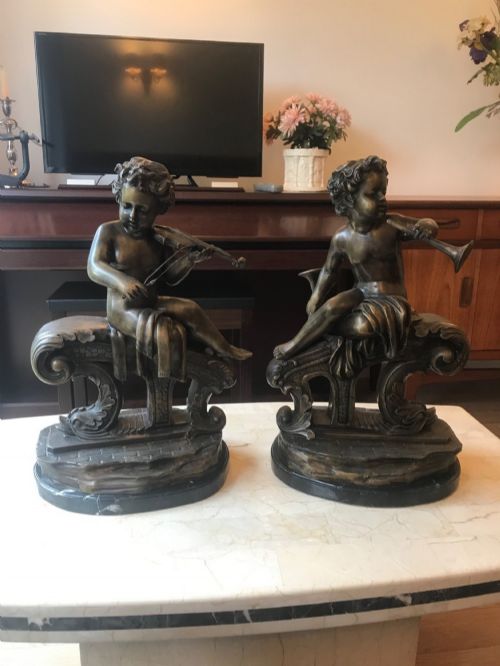
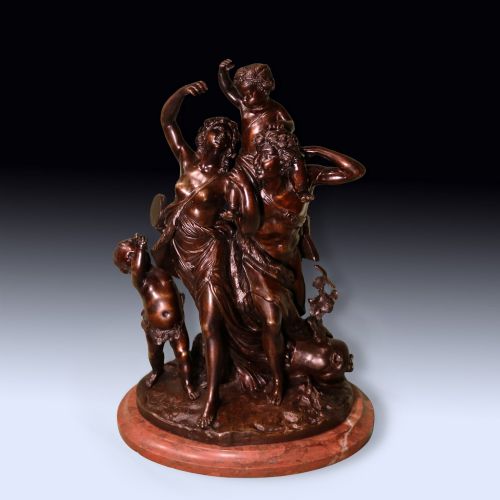
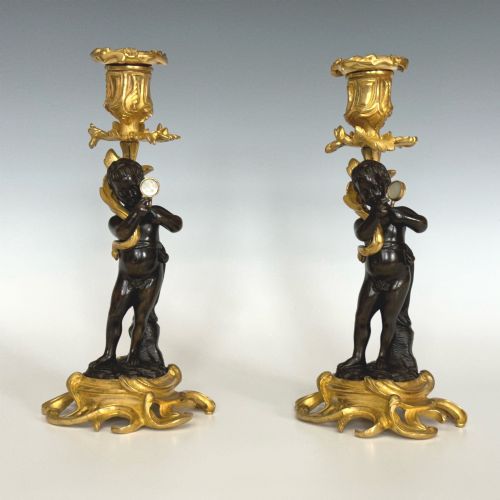
The objects frequently depict cherubs, putti, satyrs, and dancing maidens arranged in lively compositions. Many pieces incorporate functional elements such as clock movements or candle holders while retaining sculptural prominence.
Origins trace primarily to French workshops, with nineteenth-century reinterpretations following earlier models by notable sculptors. These pieces often rest upon marble bases or integrate with porcelain and enamel elements.
Materials and construction
Foundry work relied on the lost-wax method or sand casting to achieve intricate detail in bronze and brass. Artisans applied patination to create dark surface tones or utilised mercury gilding to produce rich ormolu finishes.
Mounting often involved combination materials, pairing gilded metal with white marble plinths or incorporating painted porcelain components. Clocks and lighting fixtures integrated precision brass movements and cast sconces directly into the sculptural bronze framework.
Listings feature works spanning the eighteenth, nineteenth, and twentieth centuries, incorporating materials such as gilt bronze, marble, porcelain, and enamel.
Assessing quality in cast metalwork
The definition and crispness of the chasing separate superior castings from softer production pieces. Skilled chiselling after the cast stage restores hairline details in hair, drapery, and facial expressions that initial moulds lose.
The depth, consistency, and durability of the gilding or patination dictate visual success. Original fire gilding yields a deep, warm lustre that chemical alternatives fail to replicate over centuries of handling.
Claude Michel Clodion·Charpentier Paris·Phillipe H Mourey·Meissen·Palais Royal
The French Rococo Bronze Figure Glossary
- Ormolu
- Gilt bronze produced by applying a mercury and gold amalgam to a bronze base and heating it until the mercury vaporises. This technique creates a distinctive, deep golden finish seen on many clocks and candelabra.
- Patinated bronze
- Metal treated with chemical solutions to produce a controlled surface colour, typically ranging from deep brown to near black. The treatment protects the underlying alloy while highlighting sculptural contours.
- Putto
- A plump, naked male infant, frequently depicted as a cherub or mythological attendant in decorative art. These figures appear widely in pairs supporting candelabra branches or flanking clock dials.
- Chenet
- An ornamental metal fire dog placed at the hearth to support logs. French examples often feature rococo scrollwork and figural bronze casts.
- Cartel clock
- A wall-mounted clock enclosed in an ornamental case made of bronze or ormolu. The asymmetrical frames exemplify the flowing lines characteristic of the rococo revival style.
French Rococo Bronze Figure: Frequently Asked Questions
What is a french rococo bronze figure?
A french rococo bronze figure is a cast metal sculpture, clock ornament, or lamp component that adopts the swirling ornamentation, natural asymmetry, and playful figuration of the eighteenth-century movement. These pieces frequently portray mythological subjects, putti, or pastoral figures.
Most examples encountered today date from nineteenth-century revival periods, particularly the Napoleon III era, when French foundries revived earlier techniques and models. They combine decorative appeal with functional roles in mantel clocks and lighting.
How were these figures used originally?
These bronze and ormolu pieces served primarily as high-status domestic decorations and functional objects in grand Parisian interiors. They illuminated rooms as candelabra and table lamps, or regulated time from central mantelpiece positions.
Clock garnitures and andirons were arranged symmetrically to project refined taste and wealth. Many surviving figures retain evidence of this domestic integration through converted lamp fittings or mounting holes.
How do I care for bronze and ormolu?
Bronze and ormolu require gentle maintenance to preserve their original surfaces and protective patinas. Dusting with a soft, dry brush prevents particulate accumulation without abrading delicate fire gilding or chemical patinas.
Avoid commercial metal polishes entirely, as abrasive compounds strip away thin layers of gold leaf or alter the historic surface colour. Humidity control also protects any integrated marble bases or wooden clock components.
How can I tell nineteenth-century revivals apart from eighteenth-century originals?
Distinguishing periods requires close inspection of casting quality, tool marks, and assembly methods. Nineteenth-century founders often utilised machine-threaded screws and sharper, standardised sand-casting techniques compared to earlier hand-finished work.
Stylistic subtleties also provide clues, as revival pieces frequently exaggerate rococo asymmetry or combine motifs from different reigns. Examining the movement mechanics in clocks helps secure an accurate date.