



French Putto Sculpture
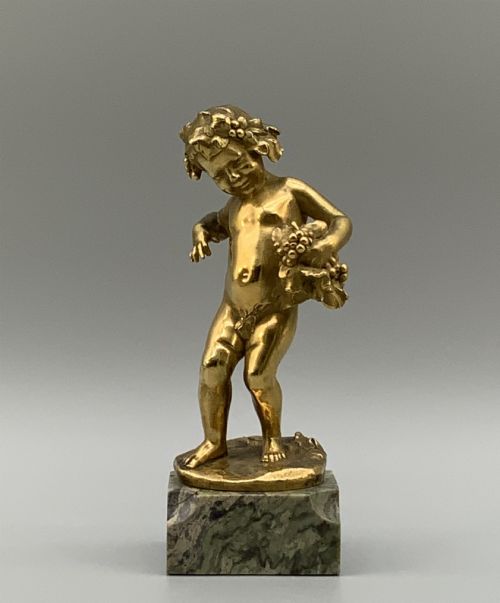
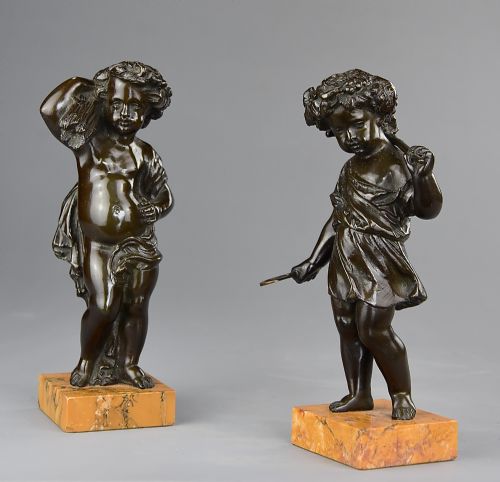
French putto sculpture captures the playful spirit of classical mythology through winged infant figures cast in bronze or carved from wood.
French Putto Sculpture
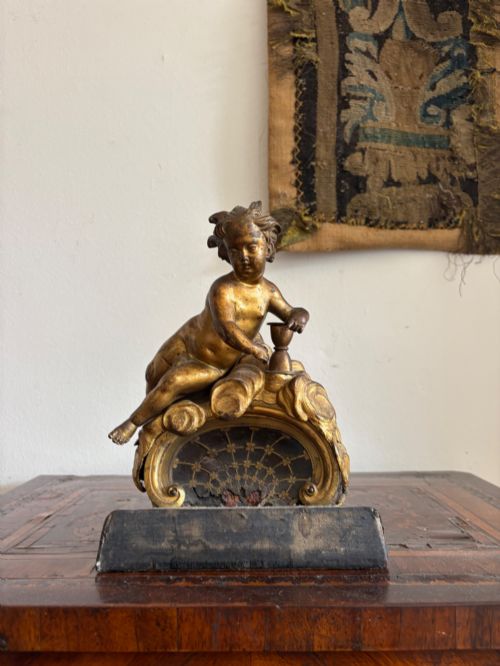
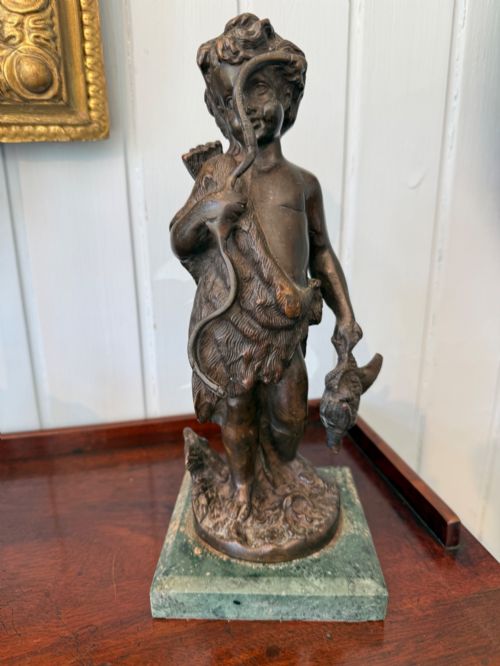
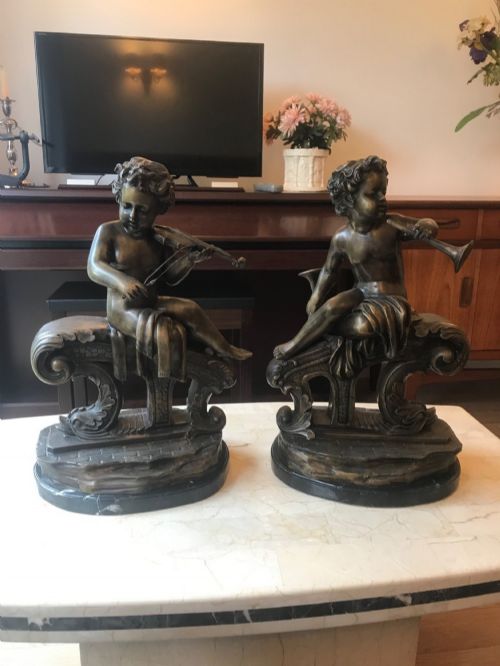
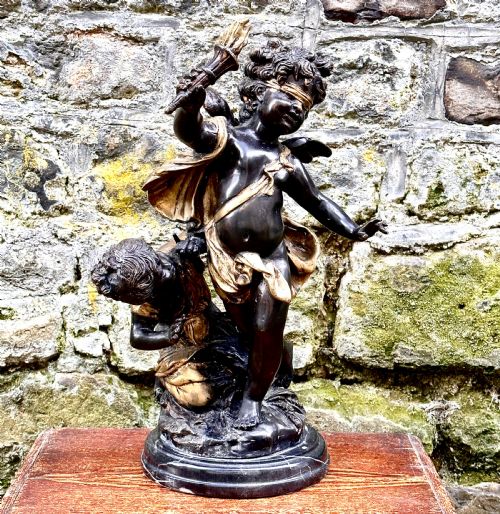
A french putto sculpture depicts a winged infant figure, often associated with Cupid, Bacchus, or allegorical themes of harvest and music. Buyers encounter these figures cast in metal or carved from wood across various periods including the eighteenth and nineteenth centuries.
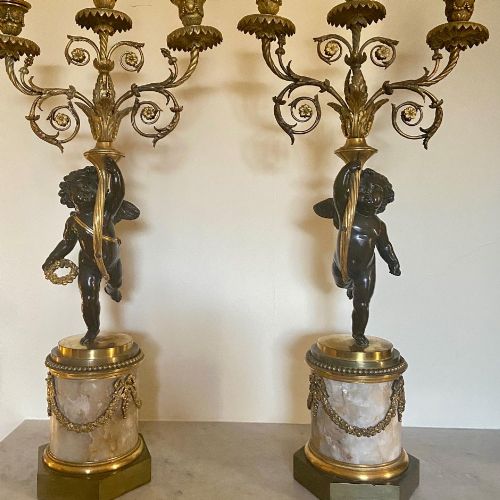
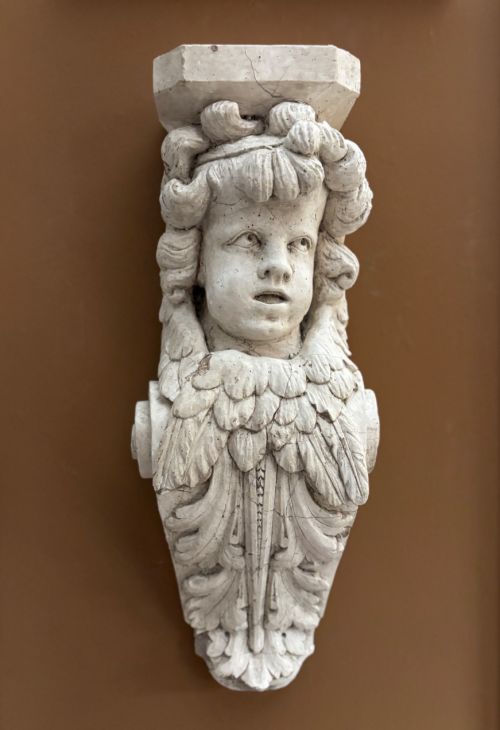
The forms extend beyond freestanding statues to functional objects and architectural elements. Listings feature putti incorporated into table lamps, candelabra, wall brackets, corbels, clock mounts, and decorative plaques.
Stylistic influences draw heavily from Neoclassical, Rococo Revival, and Baroque traditions. Many nineteenth-century examples look back to earlier classical models or echo the sculptural style of Claude Michel Clodion.
Materials and casting methods
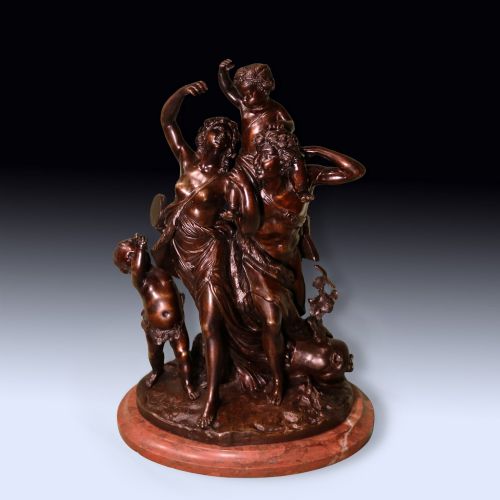
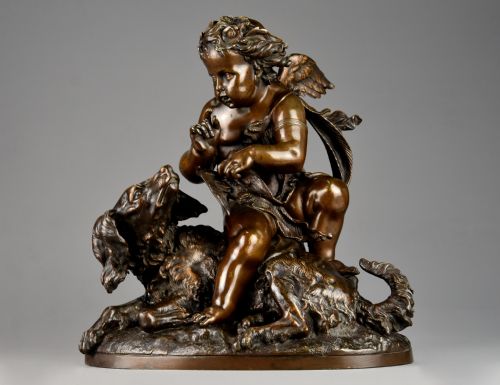
Metal sculptures rely on bronze casting, utilising patinated finishes, gilt bronze, and ormolu to create surface depth and colour variation. Artisans also combined bronze with marble bases, fluorspar, and occasional silvered treatments.
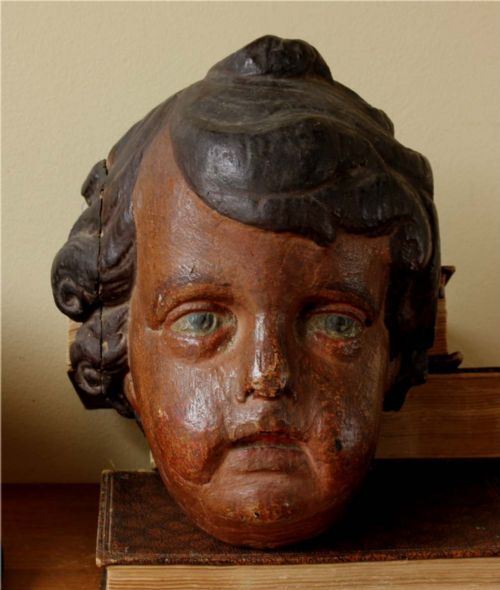
Wood pieces employ limewood and carved timber finished with gesso and gold gilt or polychrome paint. These carved putti heads, figures, and architectural ornaments demonstrate traditional joinery and surface gilding techniques.
Listings feature bronze, marble, carved wood, and ormolu materials across the eighteenth, nineteenth, and twentieth centuries.
Judging execution and detail
The integration of the figure with its mount, base, or functional object defines the standard of the piece. Superior sculptures show careful finishing on all sides and harmonious proportions between the putto and secondary elements like musical instruments, drapery, or animals.
Charles Louis Malric·Susse Frères·Claude Michael Clodion·Francois Redmond·Leon Message·Jollet et Cie·Louis Auguste Moreau·Dumond·Charles Cumberworth·Carrier·Ferrand·Denise Delavigne
The French Putto Sculpture Glossary
- Putto
- A representation of a chubby, naked male child, frequently winged, originating in classical art. The plural form is putti.
- Ormolu
- Gilt bronze, created by applying finely ground gold-mercury amalgam to a bronze object before firing. This technique produces a rich golden surface finish common in decorative arts.
- Patinated bronze
- Metal sculpture treated with chemical solutions to produce a specific surface colour or tone. This process highlights contours and protects the metal from oxidation.
- Finial
- A relatively small decorative ornament that terminates the top of an object, lamp, or clock case. They often take the form of small putti or classical motifs.
- Grand Tour
- Eighteenth and nineteenth-century travel by young Europeans to cultural centres in Italy and France. This practice generated a demand for small-scale bronze sculptures and antiquities.
French Putto Sculpture: Frequently Asked Questions
What is the difference between a putto and a cherub?
A putto depicts a secular, mythological infant figure derived from classical art, often linked to love or Bacchic revelry. A cherub carries biblical and celestial associations, though the terms are frequently used interchangeably in nineteenth-century decorative arts.
Examining the accompanying attributes, such as bows, arrows, wine grapes, or musical instruments, helps clarify the specific mythological context of the sculpture.
How can I tell if a bronze is nineteenth century?
Nineteenth-century bronzes generally exhibit careful hand-chasing after casting, distinctive chemical patination, and often bear foundry marks or artist signatures in the metal base. The weight, colour of the alloy, and style of the mounting hardware provide further clues to the period.
Many works from this era explicitly reference earlier eighteenth-century models or carry inscriptions indicating they were cast after specific classical sculptors.
Were these sculptures always part of larger objects?
Putti appear both as independent tabletop figures and as components of functional decorative arts. Makers integrated these figures into candelabra, mantel clocks, table lamps, and architectural wall brackets.
Individual bronzes may also have functioned as finials, furniture mounts, or decorative plaques designed for wall display.
How do I care for a gilt bronze or ormolu figure?
Dust bronze and ormolu surfaces gently with a soft, dry cloth to prevent the accumulation of grit. Avoid chemical cleaners, abrasive polishes, or water, as these can strip the delicate gold gilt or alter the historic patination.
Keeping the sculpture away from direct sunlight and excessive humidity helps preserve the stability of both the metal and any attached marble or wooden bases.