


French Provincial Credenza
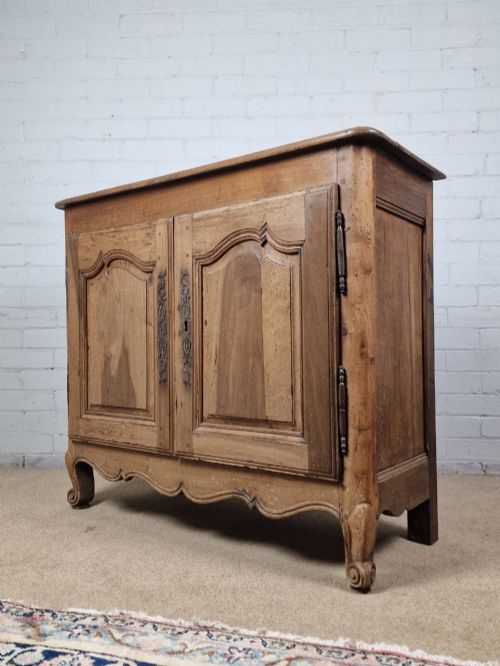
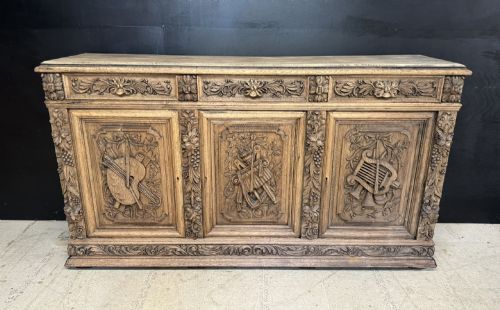
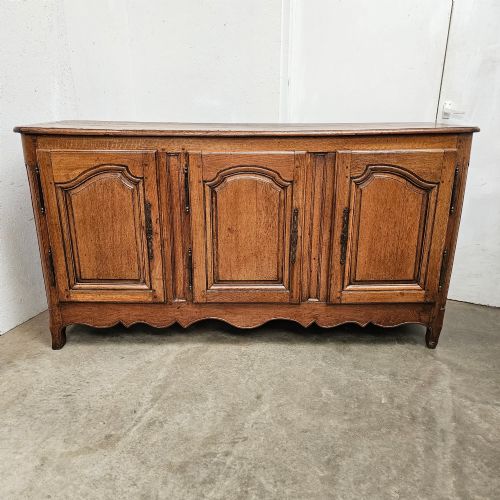
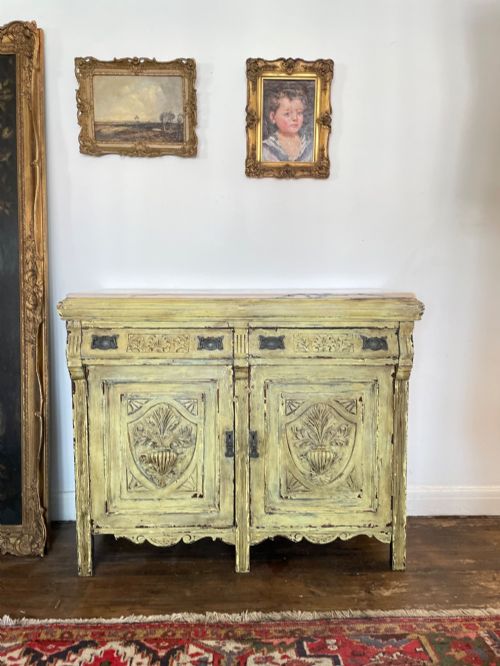
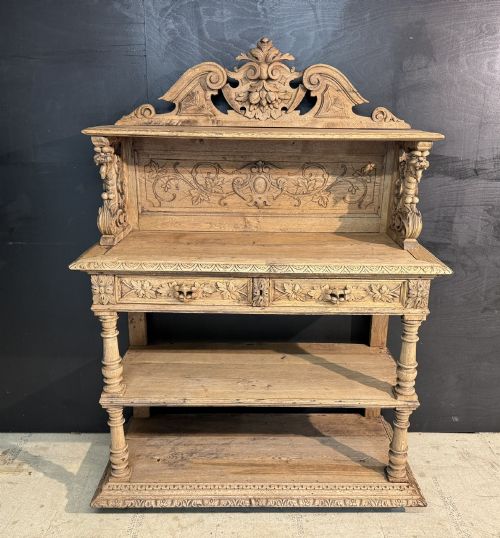
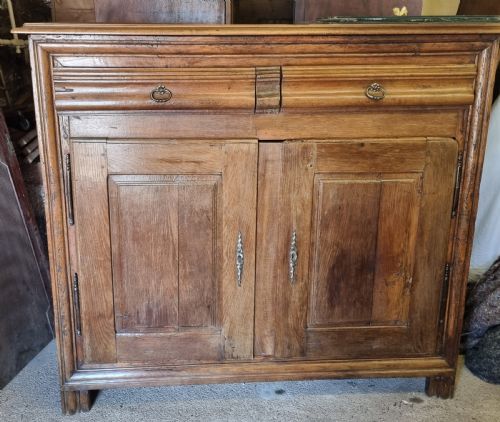
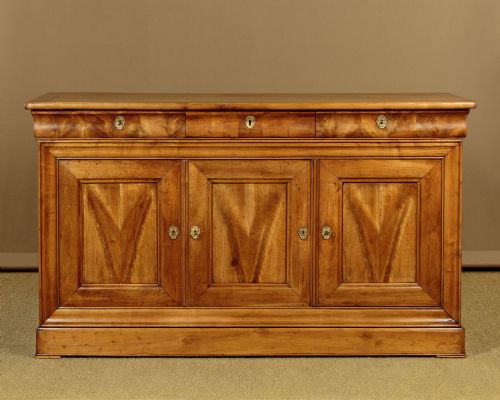
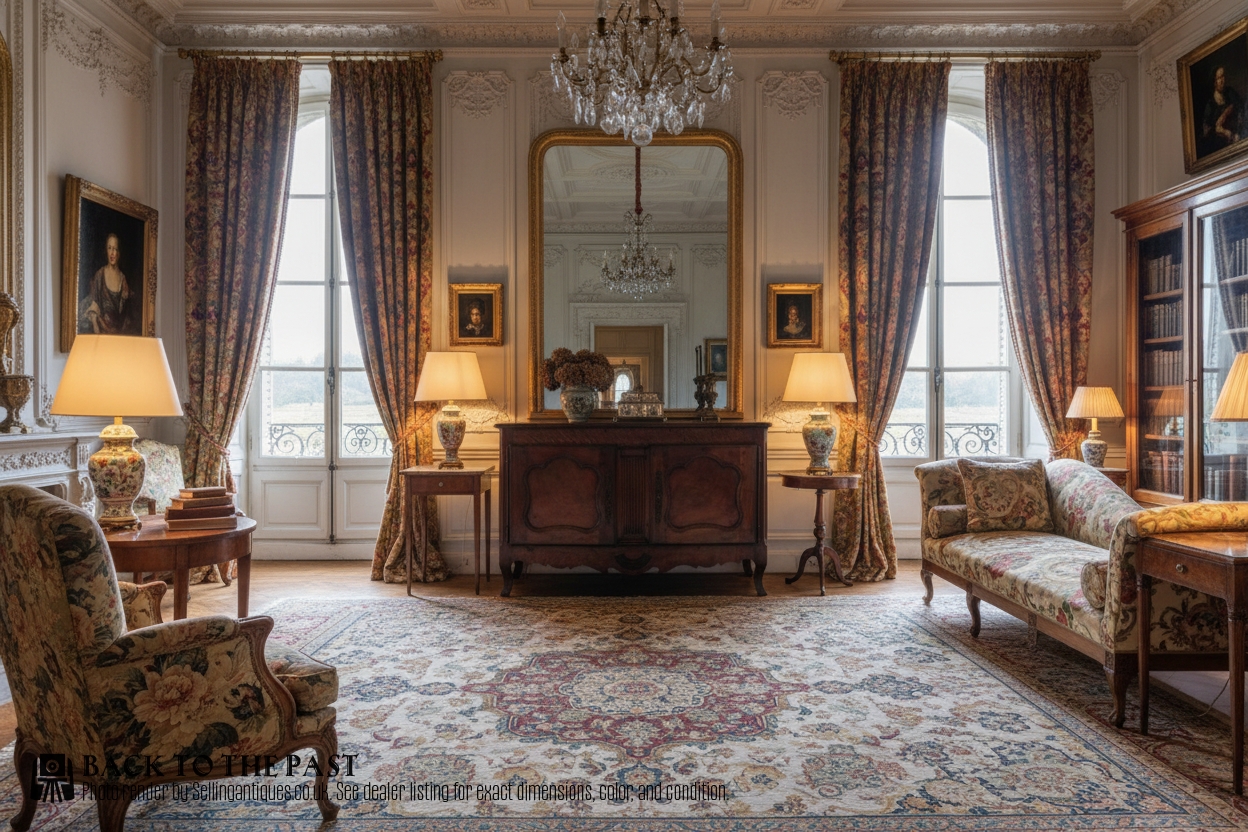
These pieces give you a French provincial credenza, bringing sturdy timber and regional craftsmanship straight into a dining room or hall.
What they are
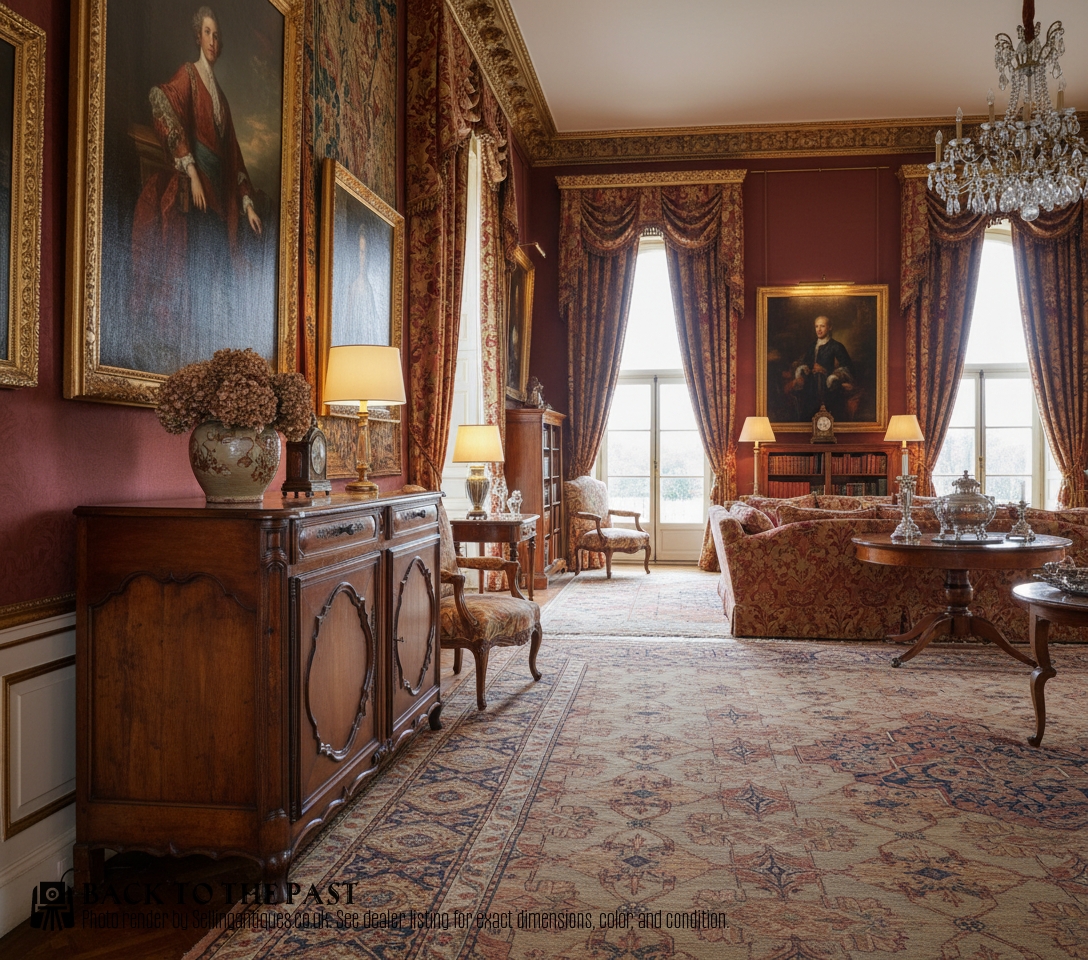
When you search for a French provincial credenza, you are looking at substantial storage furniture originating from regional France, typically functioning as a buffet, enfilade, or dresser base. These pieces provide deep cupboards and broad surfaces, designed for practical domestic use in country houses and chateaux.
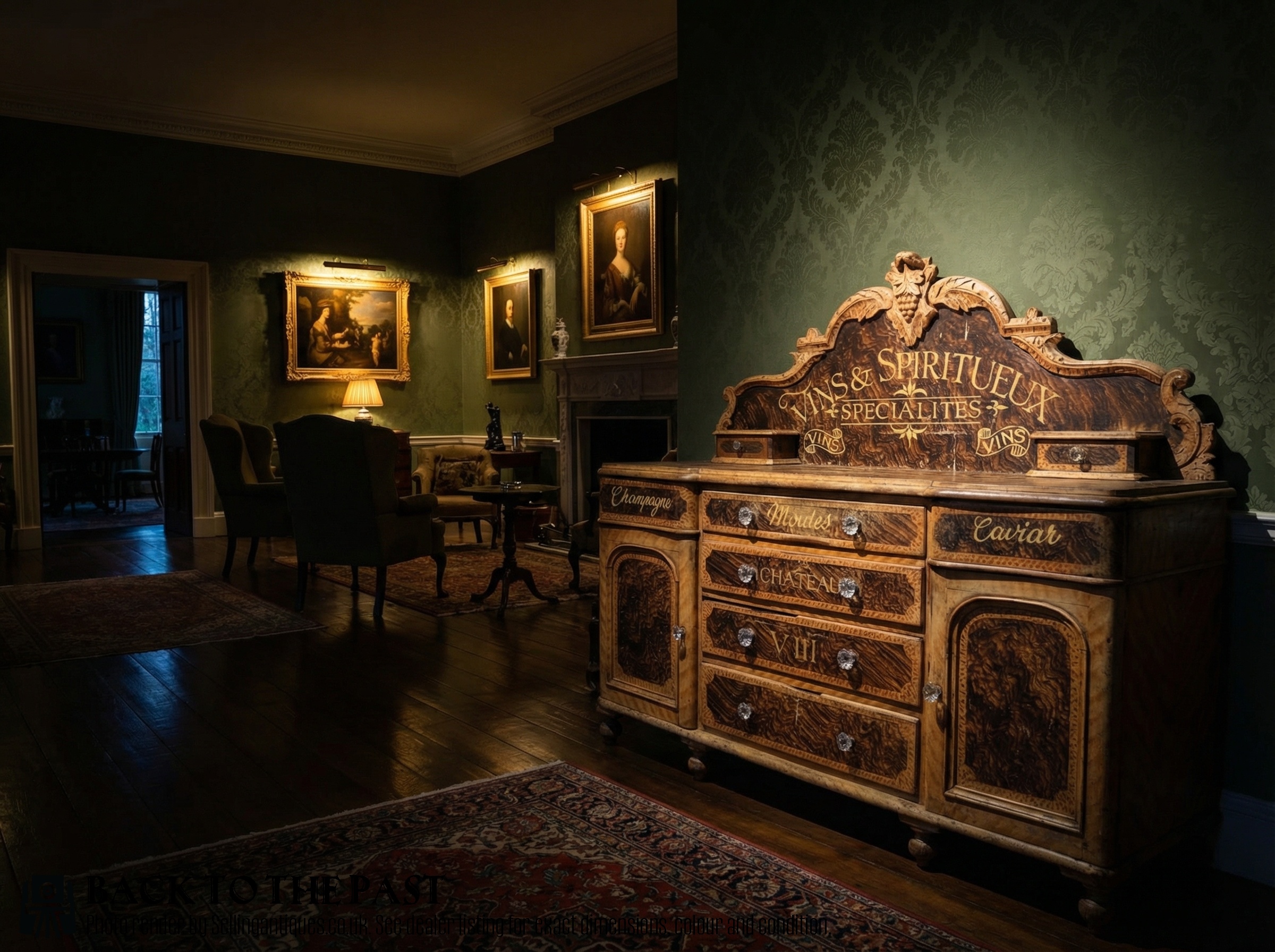
The versions you are most likely to meet on this page span the eighteenth century, nineteenth century, and the early twentieth century, including Louis XV style and French chateau aesthetics. They appear in forms ranging from traditional sideboards and buffets to painted Victorian interpretations.
Regional makers built these items to anchor a room, utilising local timbers suited to daily family life. Every piece reflects the functional demands of French rural households, prioritising enclosed storage alongside low profiles.
How they were made
Cabinetmakers constructed these sideboards using solid timbers such as cherrywood, burr ash, oak, and walnut, often pairing them with contrasting parquetry tops. Structural stability relied on pegged joinery and heavy frames, while metalwork details like brass hardware added functional closures.
Surface treatments vary from polished natural grain showing the depth of cherry wood and oak to painted wood finishes. Some examples incorporate glass panels or iron structural elements, reflecting the specific period and regional workshop traditions.
Retail Price Guide 2026
Typical UK retail prices for french provincial credenza, calculated from the Sellingantiques database of over a million retail prices indexed since 2003. This retail price guide relies exclusively on Sellingantiques data; no external sources or auction records are used, so the figures do not describe the wider market.
What varies in quality
The distinction between ordinary utility items and finer examples lies in the selection of timber and the sophistication of the surface grain. Pieces featuring burr ash accents or intricate parquetry tops demonstrate a higher tier of regional craftsmanship.
Proportion and the handling of period styles also set pieces apart, where restraint in carved detail often indicates an earlier, more authentic provincial origin. The integration of original brass mounts and well-fitted timber doors elevates the standing of a sideboard within its period.
The French Provincial Credenza Glossary
- Enfilade
- A long sideboard or buffet featuring a series of cabinet doors in a straight line, designed for formal dining rooms. This form provides extensive low storage across a single continuous front.
- Parquetry
- A geometric mosaic of wood pieces used for decorative surfaces, frequently seen on table and sideboard tops. Craftsmen arrange contrasting timbers to create patterns such as chequers or diagonals.
- Dresser base
- The lower section of a traditional storage unit, functioning independently as a sideboard with cupboards and drawers. These sturdy pieces served kitchens and dining spaces for food preparation and service.
- Burr ash
- A figured timber harvested from tree growths, highly prized for its swirling grain patterns. It appears in veneered or solid sections to create decorative contrast on cabinet fronts.
Frequently Asked Questions
What is a French provincial credenza?
A French provincial credenza is a heavy storage sideboard originating from regional French cabinetmakers. These items offer enclosed cupboard space and broad timber surfaces.
They serve practical roles in dining rooms and hallways while displaying traditional regional woodworking styles.
How do I style one at home?
Place a credenza against a main dining room wall to anchor the space and store tableware. The wide top surface accommodates lamps, ceramics, or mirrors.
Keep surrounding furniture simple to let the natural wood grain and historical character stand out.
How do I identify eighteenth century pieces?
Eighteenth century examples rely on solid regional timbers like cherrywood and oak with hand-pegged joinery. They show straightforward construction shaped by practical utility rather than mass production.
Look for the natural patina developed through generations of domestic use.
What is the difference between an enfilade and a buffet?
An enfilade is typically a longer sideboard with multiple doors stretching across a continuous front. A buffet is a more general term for a dining room storage cabinet.
Both forms provide substantial low-level storage for household goods.