
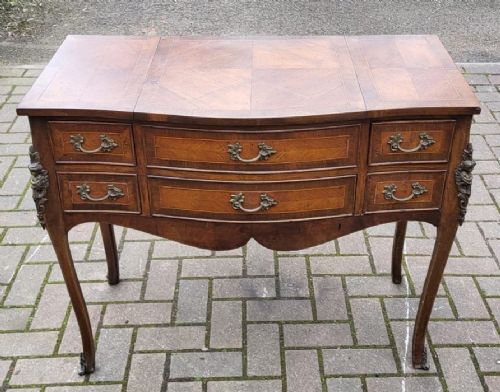




French Powdering Table
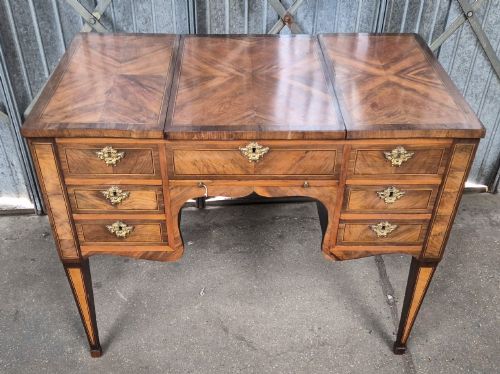
These pieces known as a french powdering table and related powder boxes embody dressing-table elegance, offering a practical place for cosmetics and dressing accessories.
French Powdering Table
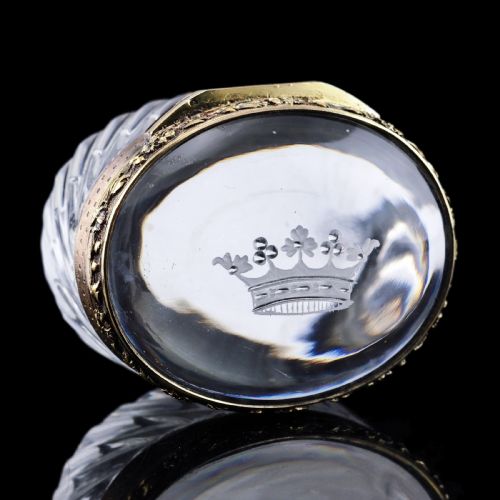
A french powdering table or related dressing box serves as a functional receptacle for cosmetics and trinkets, holding everything from loose powder to delicate jewellery. Buyers searching for a french powdering table encounter various iterations, including traditional wooden poudreuse items and smaller glass or ceramic powder boxes.
The selection on this page spans several distinct periods, drawing heavily from nineteenth century designs as well as early twentieth century Art Deco and Art Nouveau movements. Pieces range from walnut poudreuse furniture fitted with ormolu mounts to porcelain and crystal vessels intended for the dressing table.
Materials and construction
Woodwork utilises walnut alongside marquetry inlay, often enhanced by cast ormolu mounts that provide structural and decorative highlights. Cabinetmakers shaped these timber frames to house compartments for toiletries and mirrors.
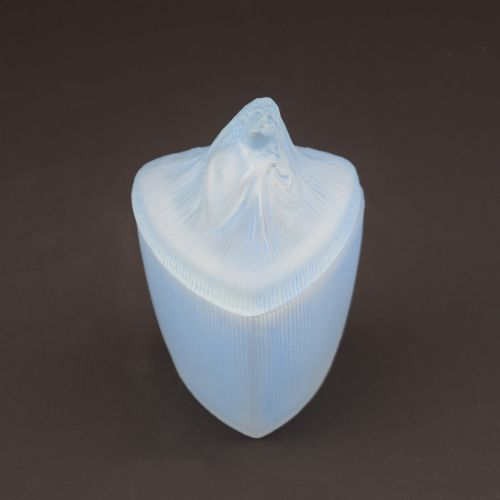
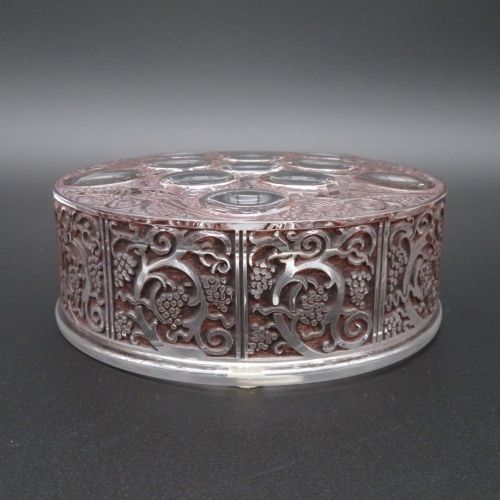
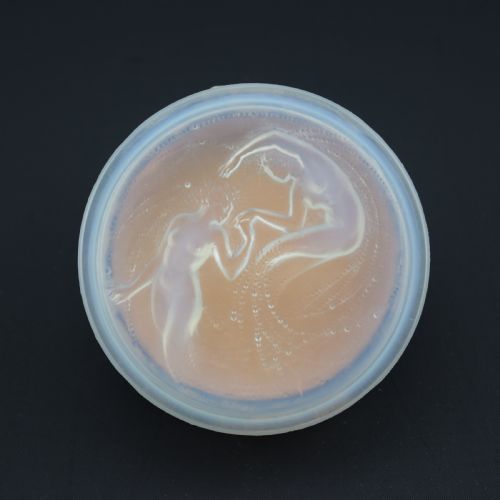
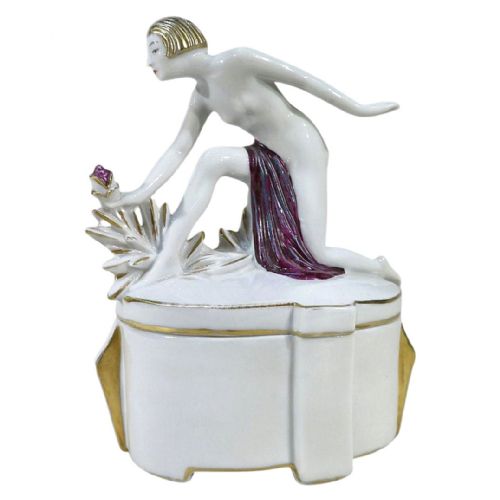
Glass production encompasses frosted, opalescent, and cut crystal elements, alongside Bristol blue glass and Clichy glass variants. Ceramic and porcelain compositions additionally support enamel work and moulded figural lids, such as half doll ceramics and modernist flapper girl designs.
Listings feature items from the Victorian period through to 1930, encompassing walnut furniture, frosted glass, and ceramic powder bowls.
Judging quality in dressing boxes
Quality rests in the precision of the joinery and the crispness of decorative mounts, where finely chased ormolu or intricate marquetry elevates the piece. In glass and ceramic examples, the clarity of the crystal, the delicacy of the moulding, and the depth of the enamel work determine the standard.
Artistic attribution also dictates standing, particularly when specific designers or renowned factories such as Limoges or notable glassmakers sign the work. The integration of functional compartments and the preservation of original mounts maintain the integrity of each item.
Rene Lalique·Limoges
The French Powdering Table Glossary
- Poudreuse
- A traditional French dressing table or powdering table featuring a folding top and internal compartments. It typically conceals a mirror and storage space for cosmetics.
- Ormolu
- Gilded bronze mounted onto furniture or decorative objects. This technique adds metallic highlights and decorative borders to wooden and glass pieces.
- Opalescent glass
- Glass that diffuses light with a milky or iridescent appearance. It became particularly popular during the Art Nouveau and Art Deco periods.
- Marquetry
- Inlaid wood veneers arranged in decorative patterns on furniture surfaces. Craftsmen utilise different timber tones to create pictorial or geometric designs.
- Silver gilt
- Silver that has been coated with a thin layer of gold. This treatment provides a rich finish on mounts and boxes.
French Powdering Table: Frequently Asked Questions
What is a french powdering table?
A french powdering table, often called a poudreuse, is a specialised dressing table designed for grooming and applying cosmetics. These pieces typically include built-in compartments and folding surfaces to conceal mirrors and toiletries.
Originating largely from nineteenth and early twentieth century French workshops, they combine practical storage with decorative cabinetmaking, frequently utilising walnut and ormolu mounts.
How were glass powder boxes used?
Glass powder boxes held scented face powders, puffs, and small trinkets on dressing tables. Their decorative lids kept the contents clean while adding elegance to a bedroom.
Manufacturers used frosted, opalescent, and crystal glass, sometimes collaborating with prominent designers to produce highly ornate vessels during the Art Deco era.
How do I identify Art Deco pieces?
Art Deco dressing table items display geometric forms, stylized figures such as flapper girls, and clean lines. They often date from the 1920s and 1930s.
Materials from this period frequently include moulded frosted glass, ceramics, and simplified metal mounts, contrasting with the more ornate scrolling styles of the nineteenth century.
Where should I place a poudreuse?
A poudreuse suits a bedroom or dressing room where its surface and internal compartments can be utilised for daily grooming or display. Placing it away from direct sunlight protects wooden finishes and delicate glass.
Because many examples feature folding lids and mirrors, ensure there is adequate clearance around the piece to access all storage compartments safely.