




French Powder Table
A French powder table is an essential dressing room surface, offering elegant storage for cosmetics and trinkets during your morning routine.
French Powder Table
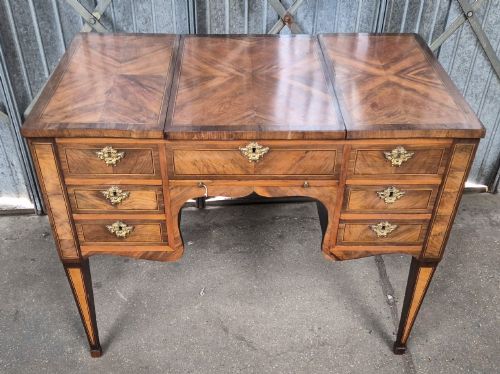
A French powder table serves as a dedicated dressing surface for cosmetics, featuring specialised storage compartments for jars and boxes. When you search for a French powder table, you encounter pieces designed for the daily grooming rituals of past centuries.
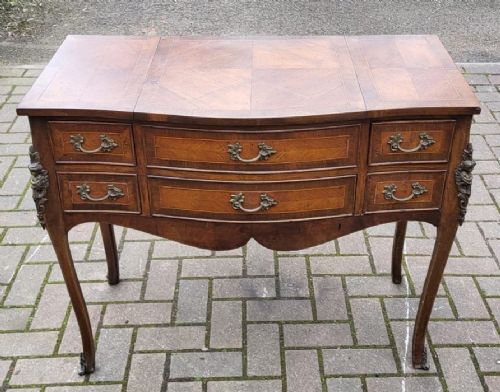
The selections available range from nineteenth-century walnut poudreuses with marquetry to twentieth-century ceramic and glass powder bowls. Most examples embody either nineteenth-century French styling or the bold geometric lines of the Art Deco era.
Collectors find a variety of forms including traditional dressing tables and smaller lidded boxes intended for dressing table surfaces. These items reflect the changing domestic habits of French interiors across multiple decades.
Materials and Construction
Cabinetmakers utilised timber such as walnut, often enriched with marquetry inlay and mounted with ormolu details. These wooden poudreuses required precise joinery to house hidden mirrors and interior compartments.
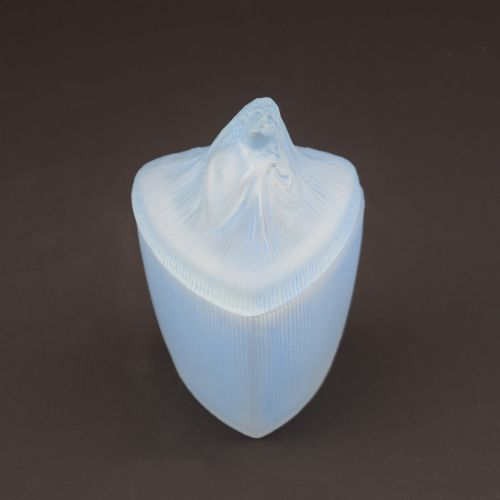
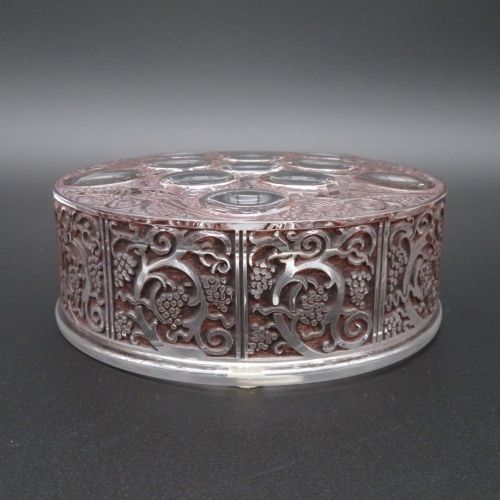
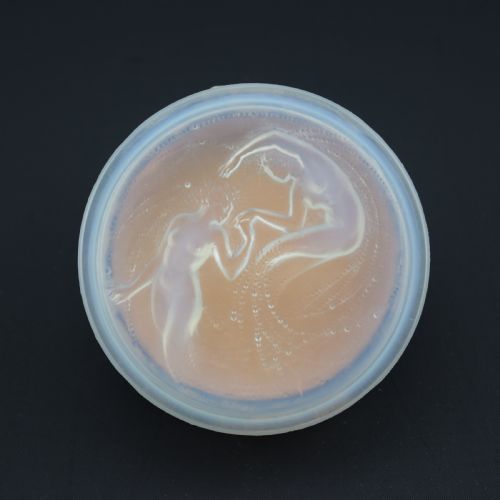
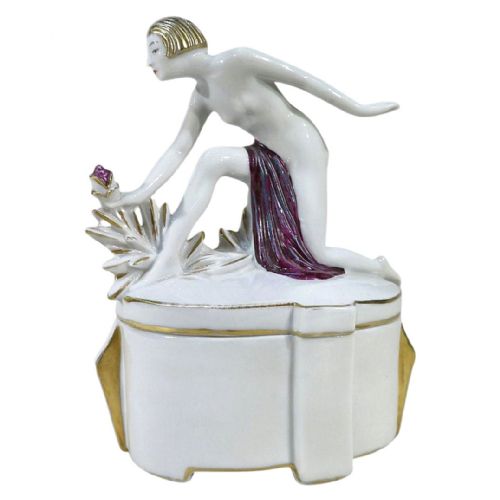
Glassmakers employed frosted, opalescent, and cut crystal techniques to produce decorative boxes and jars. Ceramic studios also contributed moulded powder bowls, frequently depicting figures characteristic of Art Deco design.
Ceramic powder bowls from the 1930s occasionally feature half-doll figures peering up from the lid.
Judging Quality
Quality rests upon the crispness of the mountings, the fidelity of the glass moulding, and the precision of the woodwork. Ormolu mounts that retain sharp chased detail distinguish superior nineteenth-century pieces from simpler production.
The integrity of the materials dictates value, particularly in glass boxes where clarity and depth of relief define the maker's skill. Finer ceramic and glass bowls display clean lines and well-preserved surface decoration without obscuring the original mould work.
Rene Lalique·Limoges
The French Powder Table Glossary
- Poudreuse
- A traditional French dressing table equipped with a folding mirror and compartments for powder and cosmetics. It served as a functional piece of furniture in the private chambers of a home.
- Ormolu
- Gilded bronze mounts applied to furniture and decorative objects for ornamentation. This technique was widely utilised by French makers to accent wood surfaces.
- Marquetry
- The art of applying pieces of veneer to a structure to form decorative patterns. Craftsmen utilised different coloured woods to create intricate floral or geometric designs.
- Opalescent glass
- Glass that diffuses light and displays milky, iridescent colour variations. This material became particularly popular during the Art Deco period for decorative boxes.
- Dressing table jar
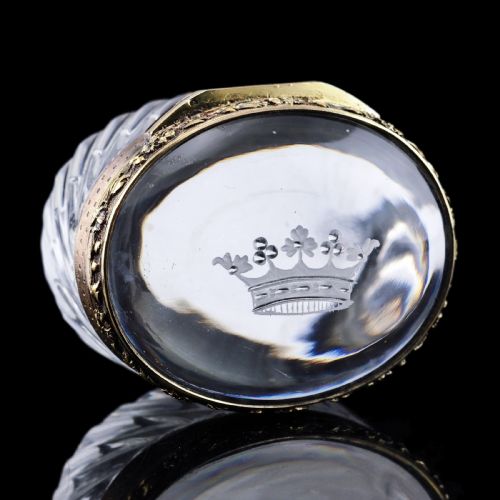
- A small lidded container designed to hold creams, pins, or powders on a dressing surface. These jars were frequently fashioned from coloured glass or crystal with metal mounts.
French Powder Table: Frequently Asked Questions
What is a poudreuse?
A poudreuse is a specific type of French dressing table designed with a lift-up lid and internal mirror. It provided a private space for women to apply face powder and arrange hair.
These tables date predominantly to the nineteenth century and combine practical storage with decorative marquetry and ormolu mounts.
How do I date a glass powder box?
Dating relies upon stylistic markers such as the flowing organic lines of Art Nouveau or the sharp geometric motifs of Art Deco. Maker signatures and the specific type of glass, such as opalescent or frosted crystal, offer further chronological clues.
Examination of the metal mounts and any accompanying hallmarks helps narrow down the period of production.
Where should I place a dressing table jar?
Dressing table jars sit naturally atop a vanity, dressing table, or chest of drawers alongside other desktop accessories. They bring colour and texture to a bedroom surface while keeping small items contained.
Collectors often group jars of varying heights and materials to create an arranged display.
What materials are common in French vanity items?
French vanity pieces frequently incorporate walnut wood, ormolu, and cast bronze. Glass and ceramic are equally prevalent, ranging from Bristol blue glass to moulded crystal and porcelain.
Silver gilt mounts and enamel work frequently appear on nineteenth-century examples to enhance the decorative appeal.