


French Potting Table
A French potting table brings practical work surfaces and rustic charm into a home, offering sturdy pine, oak, or fruitwood construction suited for daily utility.
French Potting Table
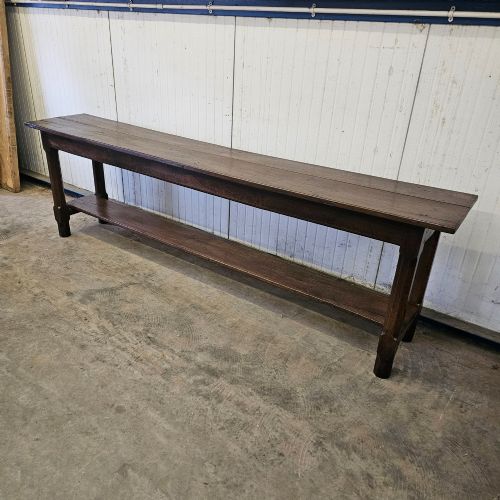
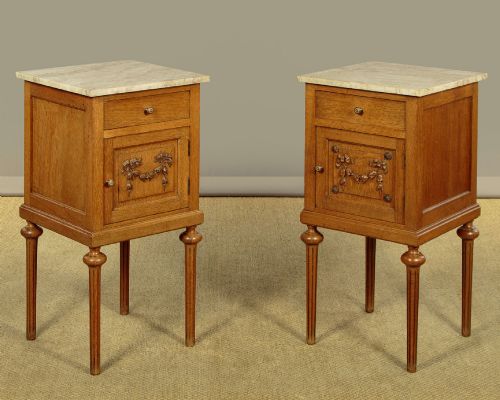
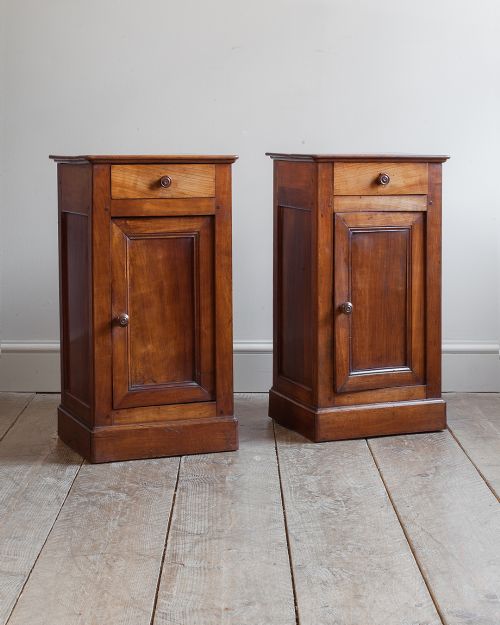
A French potting table combines the functional design of a rustic work surface with traditional European craftsmanship. These utilitarian pieces originate from nineteenth-century workshops, country houses, and commercial trades, often featuring open pot-shelves, handy drawers, and durable wooden tops.
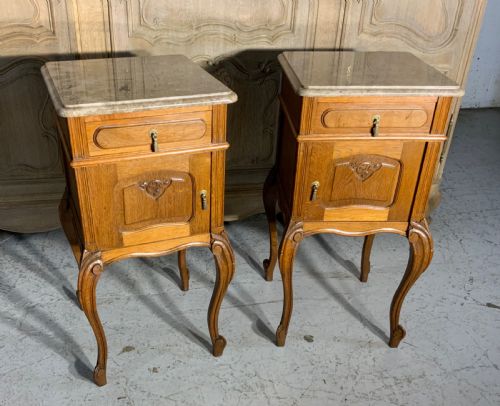
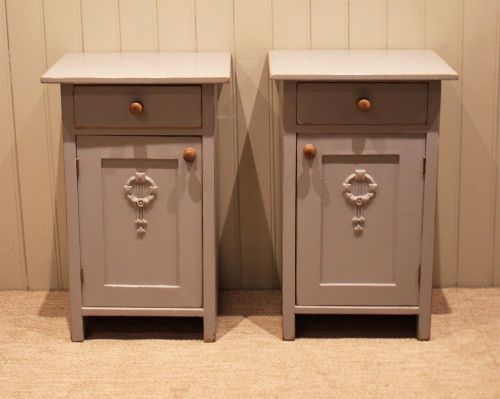
While the archive records a classic French potting table, current listings reveal related utilitarian and display forms such as drapers tables, florists work tables, and artisans workbenches with vices. Buyers frequently encounter painted pine, scrubbed oak, and cherrywood versions reflecting various provincial styles.
The selection ranges from simple nineteenth-century pine serving tables to substantial walnut and oak variants spanning the Victorian and Edwardian eras. These domestic and workshop items adapt easily to modern kitchens, utility rooms, or garden spaces.
Assessing Quality and Character
Quality rests in the integrity of the timber, the honesty of the wear, and the balance of the proportions. Original painted finishes or naturally weathered patina demonstrate the authentic age and working history of each piece.
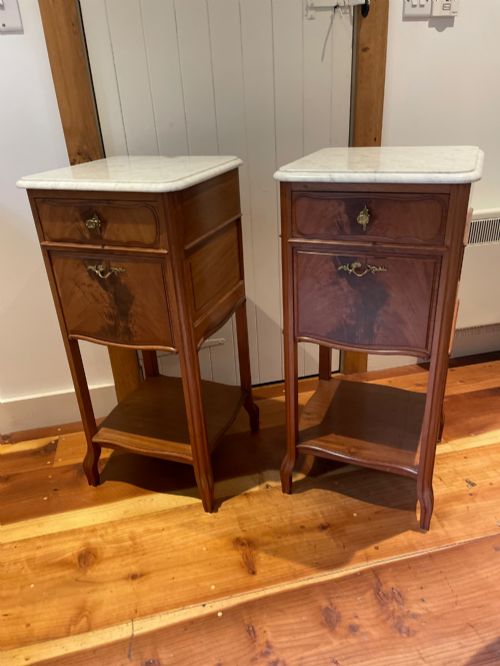
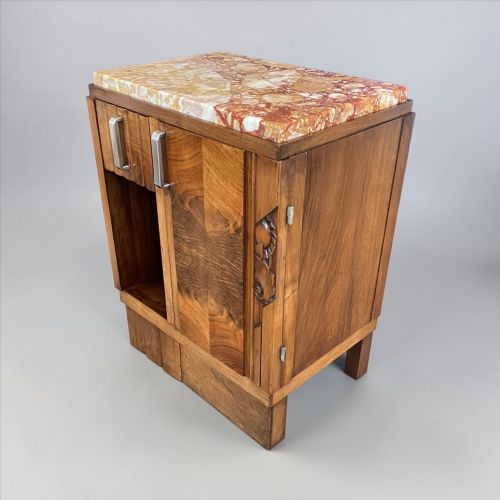
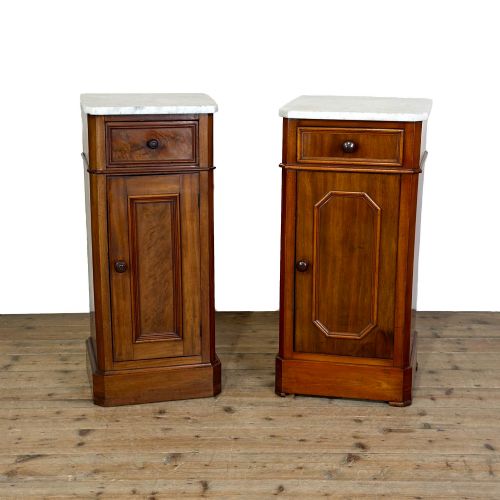
Finer examples show considered joinery details, substantial slab tops in marble or dense hardwoods, and functional additions like integrated drawers and lower pot-shelves. The strength of the frame and the retention of original hardware distinguish superior utilitarian furniture.
French Potting Table Retail Price Guide 2026
Typical asking prices for french potting table among the pieces listed under this phrase on Sellingantiques today, from the lower quarter to the upper quarter. They describe what is for sale here now, not the wider market.
Several heavy workbenches still retain their original wooden vices, ready for unexpected woodworking emergencies.
The French Potting Table Glossary
- Pot-shelf
- A lower open shelf built into a work table or potting bench to hold garden pots, baskets, or utilitarian vessels. It provides steady structural bracing while keeping equipment close at hand.
- Drapers table
- A long, narrow commercial table traditionally utilised in fabric shops for measuring and folding textiles. They typically feature shallow drawers and generous under-counter space.
- Provincial
- A term describing furniture made in the regions outside a capital city, often reflecting local traditions and practical domestic needs rather than courtly fashions.
- Patina
- The surface sheen and textural depth acquired by wood, metal, or paint through decades of handling, exposure, and regular cleaning.
- Worktable
- A sturdy, unpretentious table built specifically for manual tasks, crafts, or food preparation rather than formal dining.
French Potting Table: Frequently Asked Questions
How do I use a potting table indoors?
A potting table serves well as an island in a rustic kitchen, a potting station in a boot room, or a console in a hallway. The deep surfaces and lower shelves offer useful storage for baskets, ceramics, and daily items.
To integrate the piece into a living space, pair it with simple lighting and natural textiles. The robust construction handles everyday household activities with ease.
What woods were used in these tables?
Carpenters relied on accessible regional timbers such as pine, oak, cherry, and fruitwood for domestic and working furniture. These woods provided the necessary strength for heavy daily tasks.
Over time, exposure to elements and use creates a distinctive surface character. Maintaining the timber requires simple cleaning and occasional waxing to protect the dry grain.
How do I identify a nineteenth-century piece?
Nineteenth-century pieces typically exhibit hand-cut joints, authentic tool marks, and dense timbers that reflect older forestry practices. Iron or brass hardware often shows period-appropriate casting techniques and manual finishing.
Examining the underside and interior surfaces reveals construction methods typical of the era. Natural wear patterns accumulated over generations confirm the age of the woodwork.
Are painted finishes original?
Many utility tables received layers of protective paint during their working lives to shield the softwoods from moisture and wear. These historic painted surfaces often show charming craquelure and gentle fading.
Distinguishing between original working paint and later decoration depends on examining the underlying layers and wear around handling points. Both patinated painted finishes and scrubbed wood surfaces hold distinct visual appeal.